Music Production Blog
Read News by Categories
By Jeremy Alves
•
October 20, 2026
Ontario paused OSAP for all private career colleges. Here's how the freeze is hitting OIART students and families, and what OIART is doing about it.

By Jeremy Alves
•
August 12, 2026
What does a sound technician do? Setup, mixing, patching, RF and troubleshooting across studios, venues and broadcast. Plus how to train for the job.
By Jeremy Alves
•
May 18, 2026
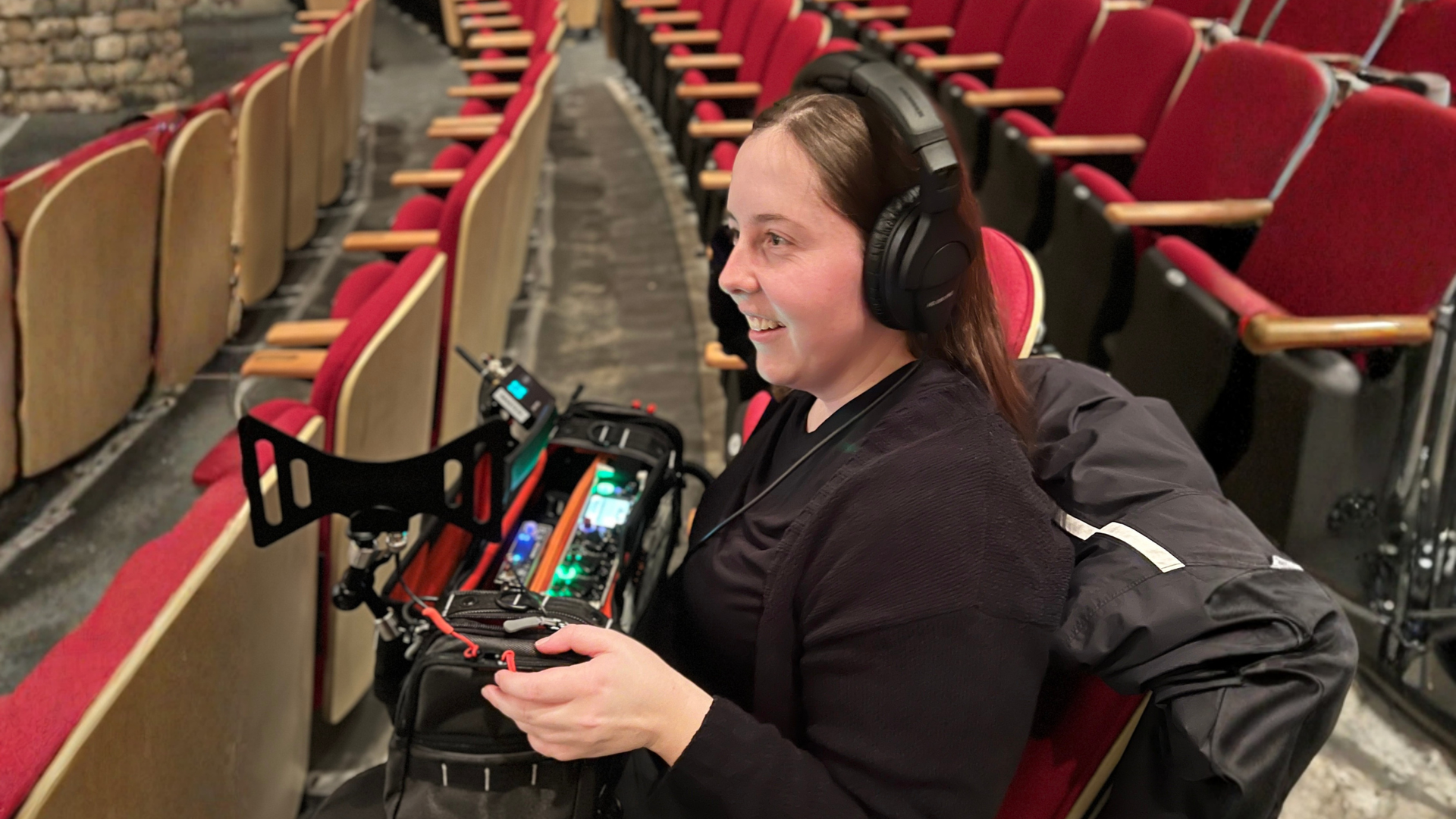
Learn how OIART graduates are building careers in music production, live sound, gaming, broadcast, and audio engineering across today’s entertainment industry.
By Jeremy Alves
•
April 24, 2026
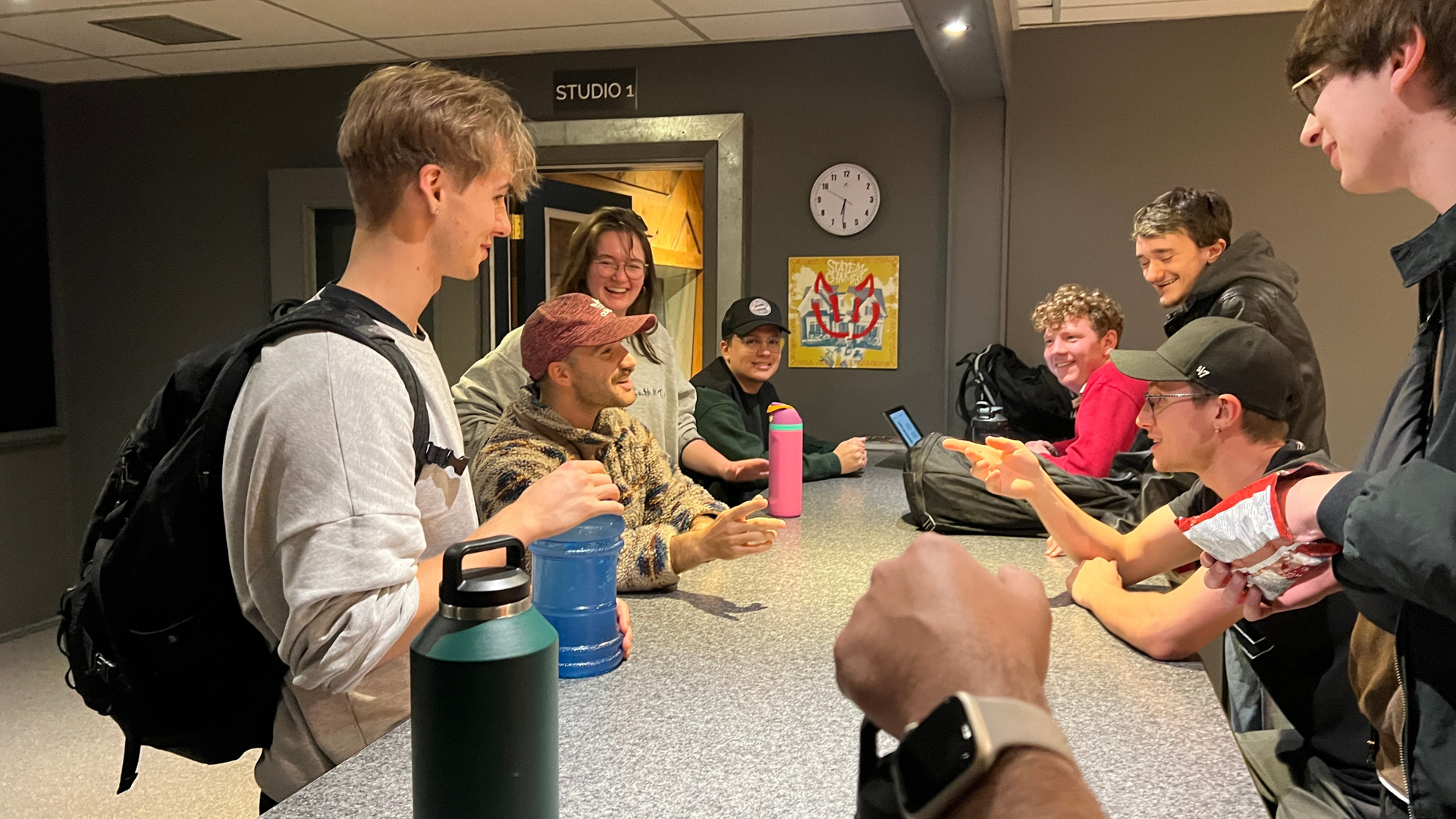
Explore 10 unexpected high-demand audio careers beyond the studio. See how OIART prepares you for real jobs in sound engineering in Canada.
By Jeremy Alves
•
March 18, 2026
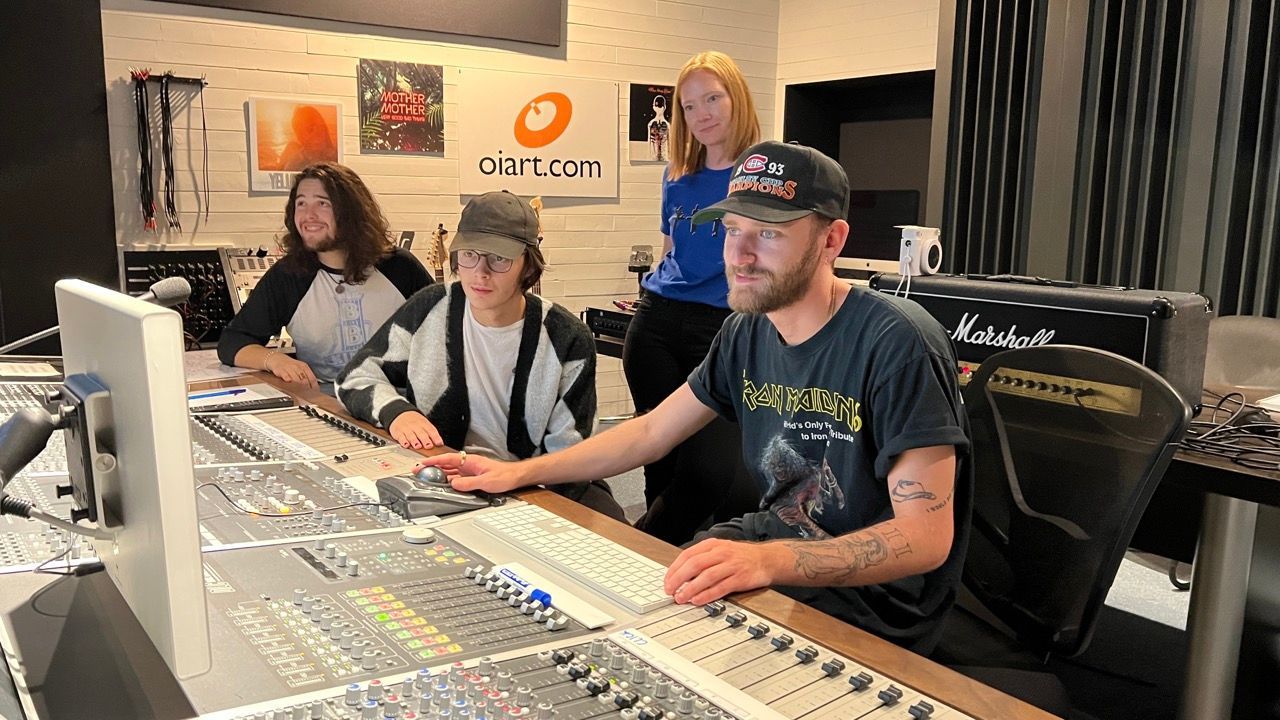
Explore how different personalities thrive in audio engineering courses. From introverted mixers to extroverted producers, find your path at OIART.
By Jeremy Alves
•
March 4, 2026
Algonquin College suspended its Music Industry Arts course in 2026. Here’s what it means for Ontario audio students and new pathways forward.
By Jeremy Alves
•
March 4, 2026
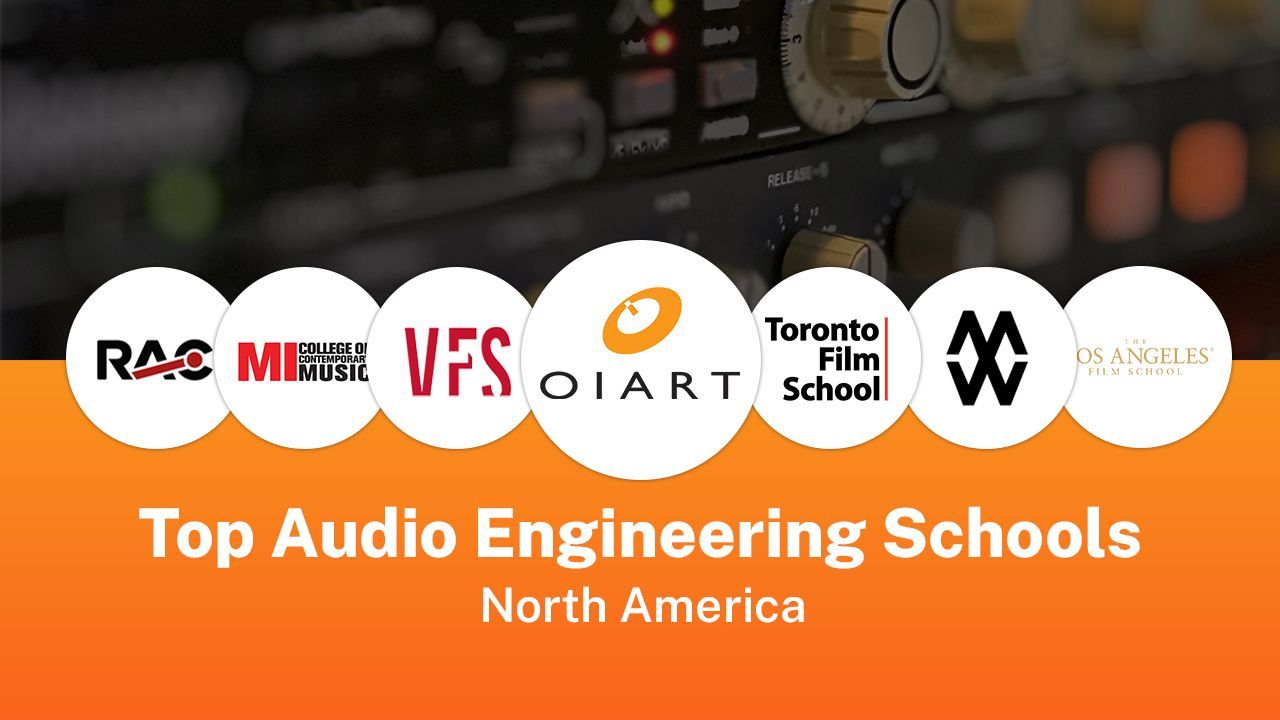
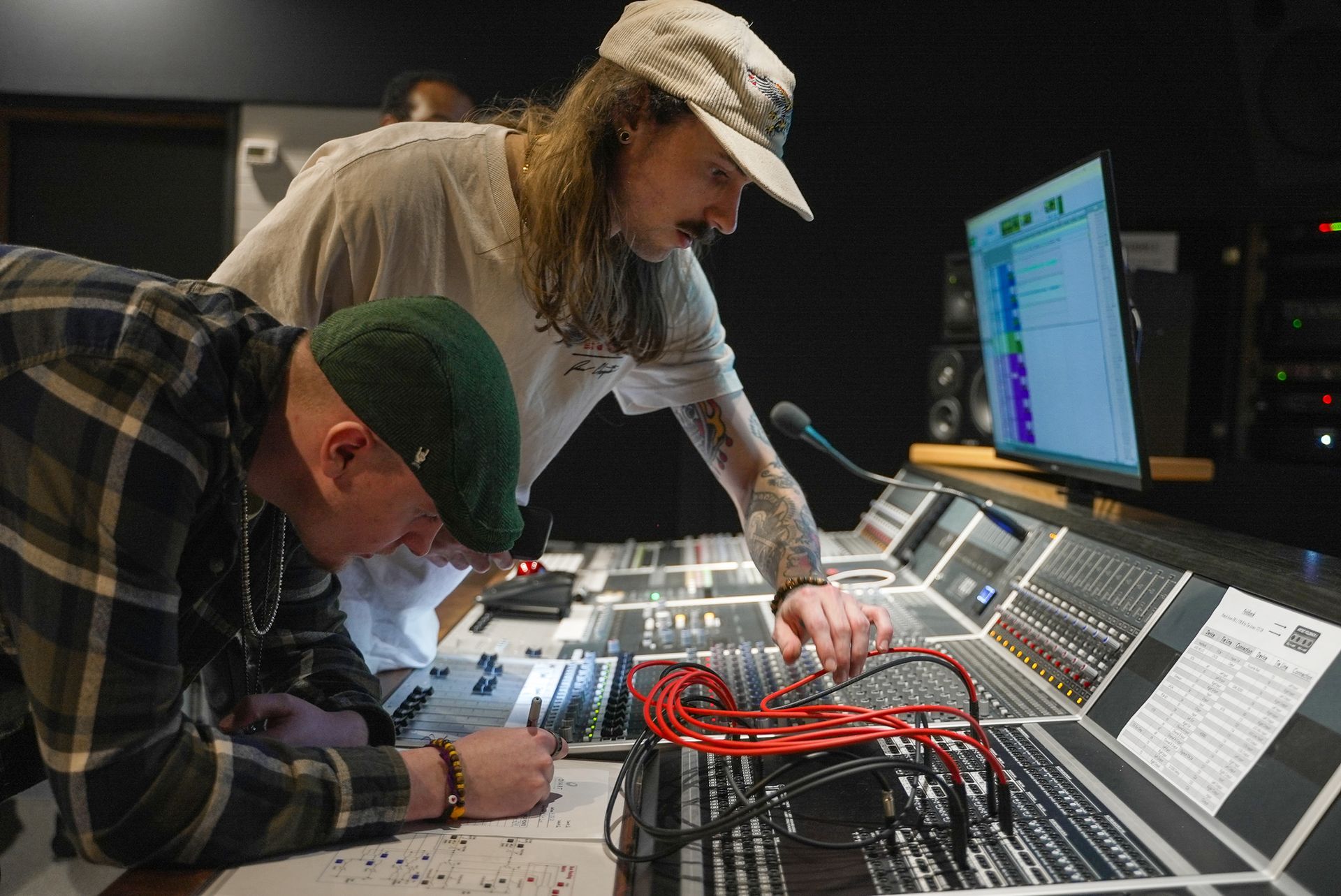
Explore top audio recording schools in North America and see how OIART’s hands-on audio engineering program can help launch your career in music production.
By Jeremy Alves
•
February 24, 2026
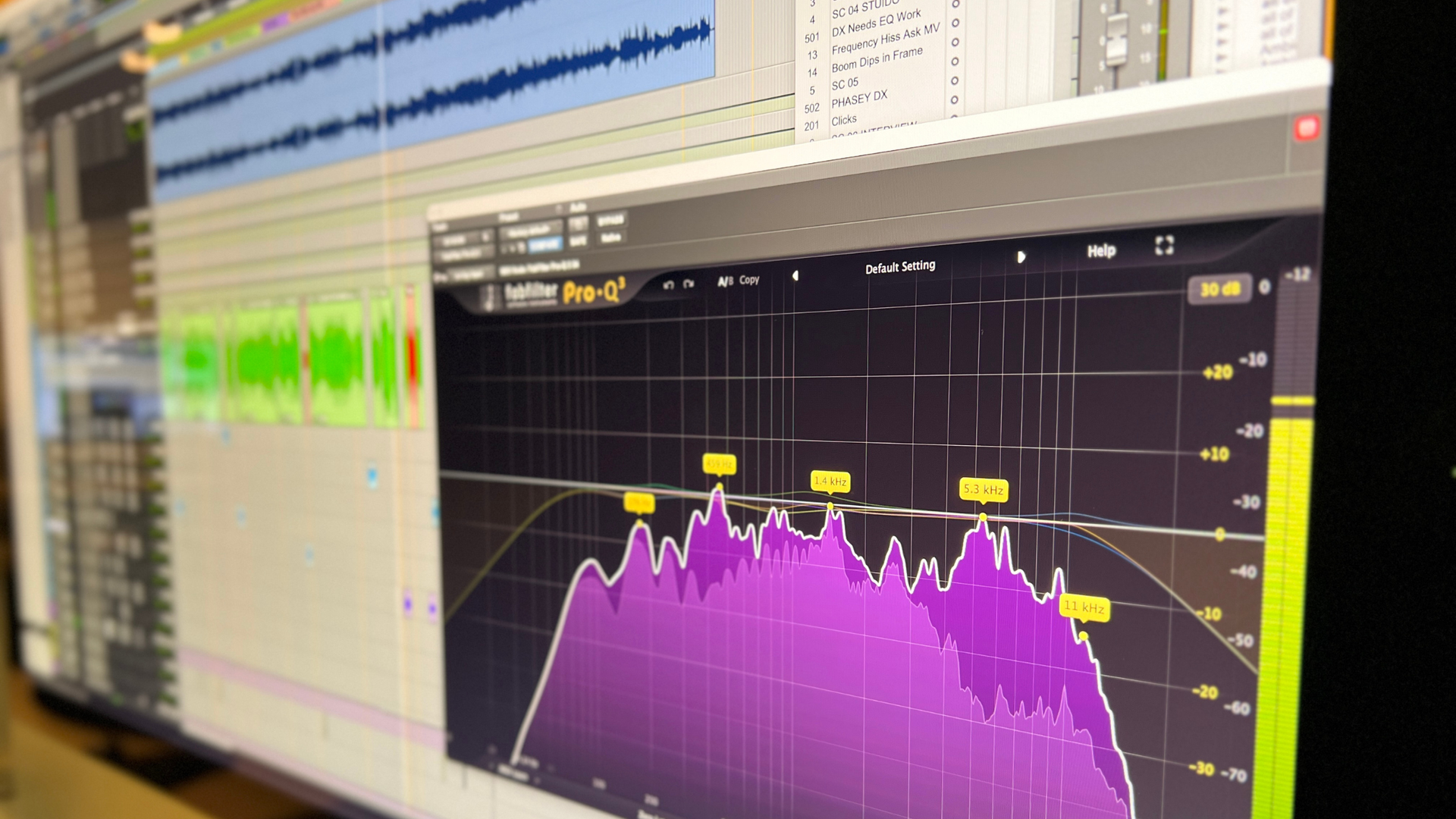
Looking for the top music production school in Canada? OIART offers elite audio engineering courses with a 40+ year history of success. Read how we do it.
By Jeremy Alves
•
February 9, 2026
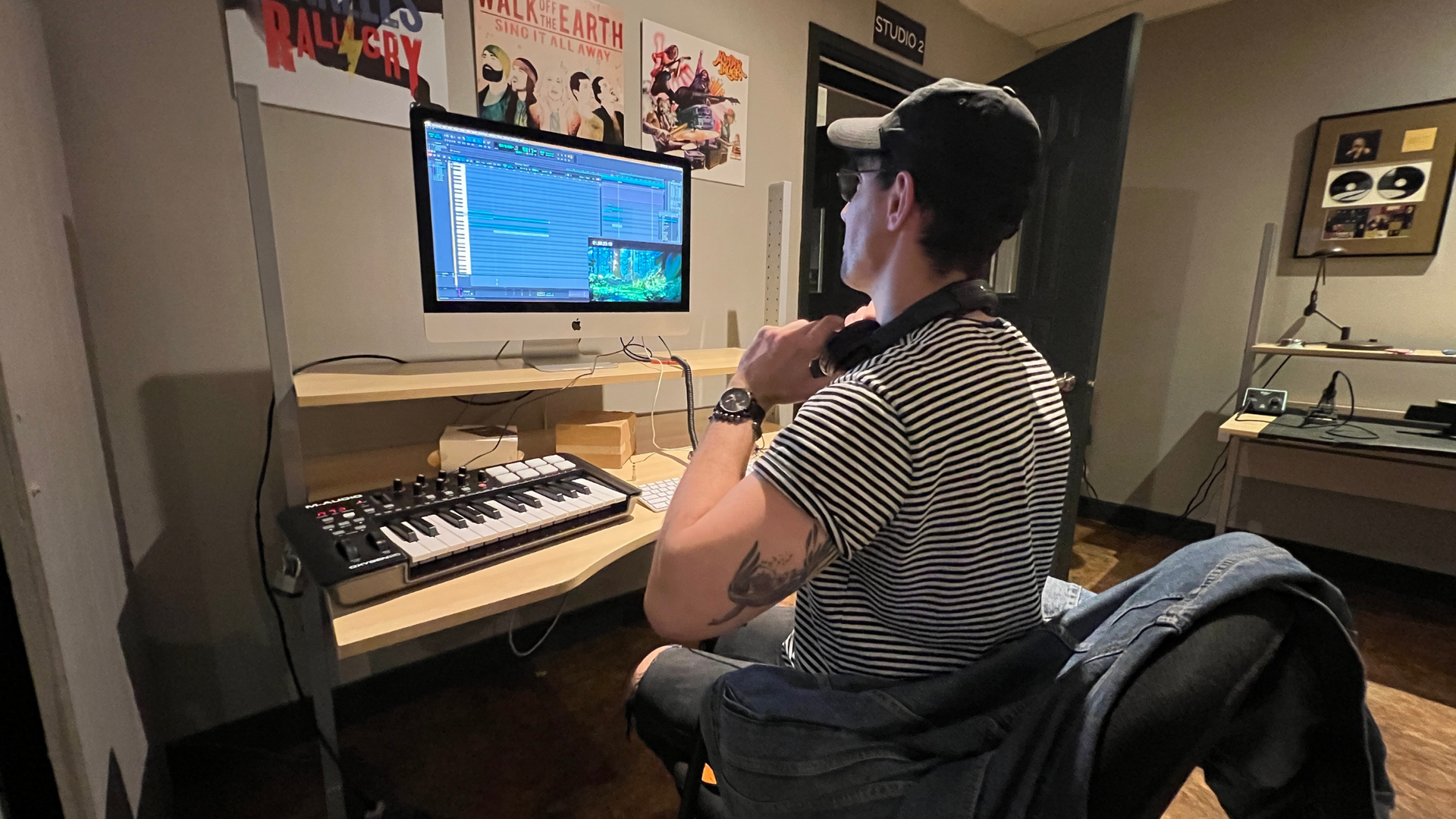
Masters vs publishing explained for producers: who owns what, how each revenue stream pays, and what to negotiate before you start a session.
By Jeremy Alves
•
December 15, 2025
Learn why audio engineers are at the heart of today’s creator economy, what skills matter most, and how OIART prepares students to succeed in this field.
By Jeremy Alves
•
May 18, 2026
Learn how OIART graduates are building careers in music production, live sound, gaming, broadcast, and audio engineering across today’s entertainment industry.
By Jeremy Alves
•
April 24, 2026
Explore 10 unexpected high-demand audio careers beyond the studio. See how OIART prepares you for real jobs in sound engineering in Canada.
By Jeremy Alves
•
March 18, 2026
Explore how different personalities thrive in audio engineering courses. From introverted mixers to extroverted producers, find your path at OIART.
By Jeremy Alves
•
February 24, 2026
Looking for the top music production school in Canada? OIART offers elite audio engineering courses with a 40+ year history of success. Read how we do it.
By Jeremy Alves
•
February 9, 2026
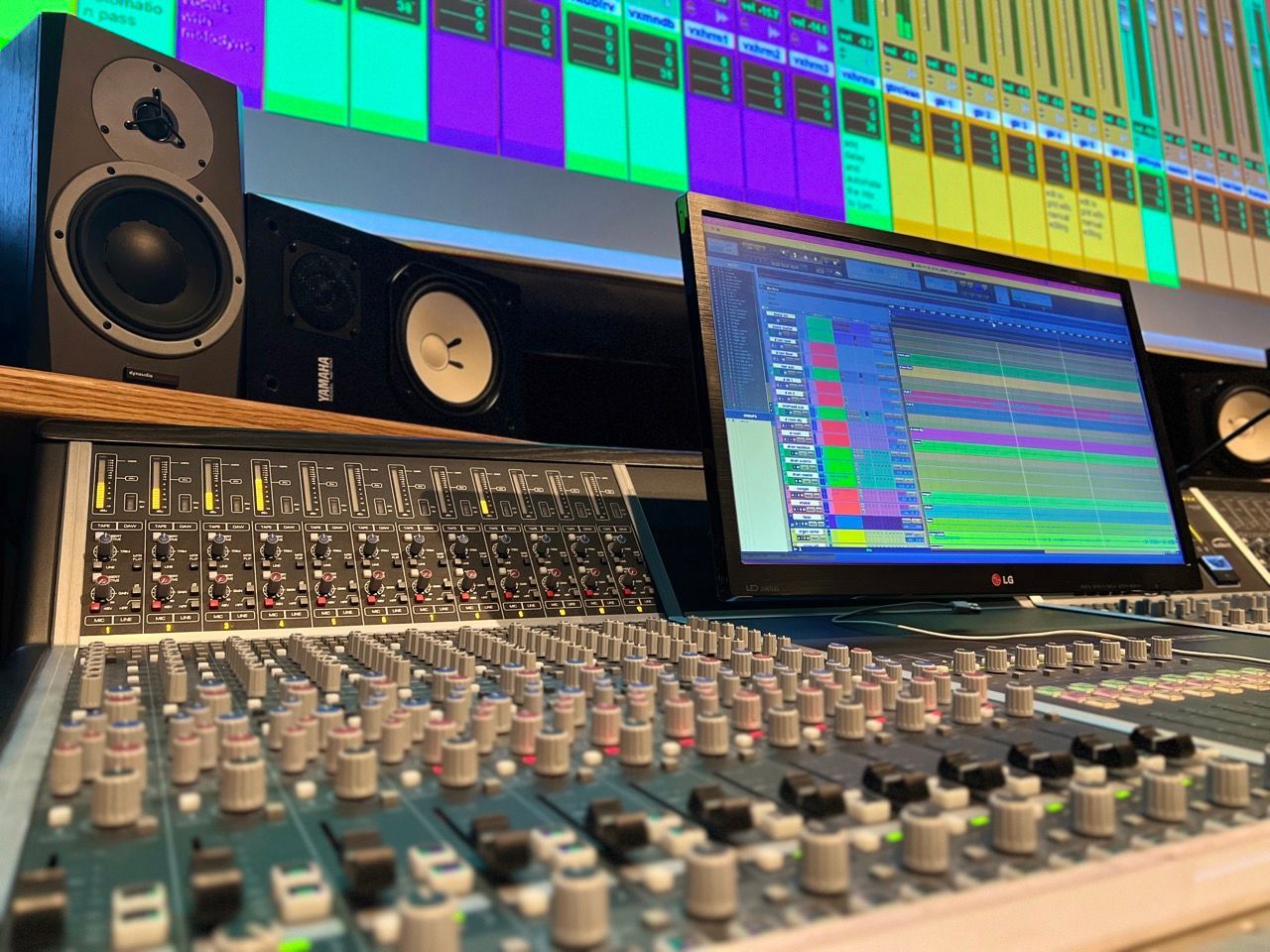
Masters vs publishing explained for producers: who owns what, how each revenue stream pays, and what to negotiate before you start a session.
By Jeremy Alves
•
March 31, 2025
Discover 11 essential music production techniques for 2025. Learn AI workflows, mixing tips, and the latest sound engineering tools for students and pros.

By Jeremy Alves
•
January 9, 2025
Discover the must-have gear for aspiring audio engineers. From DAWs to studio monitors, learn what you need to start your journey in audio production.

By Jeremy Alves
•
December 12, 2024
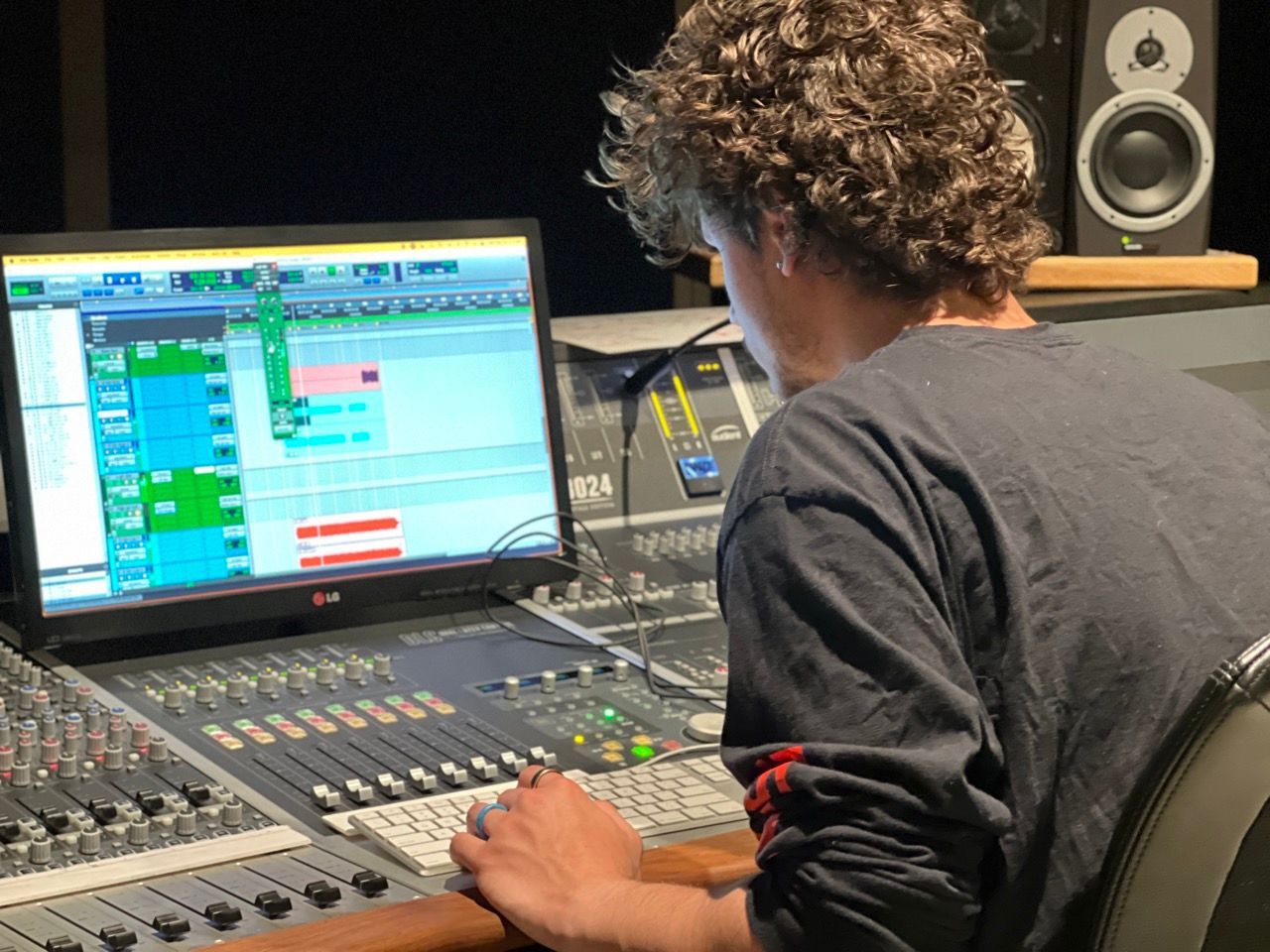
Learn how creativity and technical expertise come together to shape unforgettable soundscapes with OIART's programs.
By Jeremy Alves
•
October 8, 2024
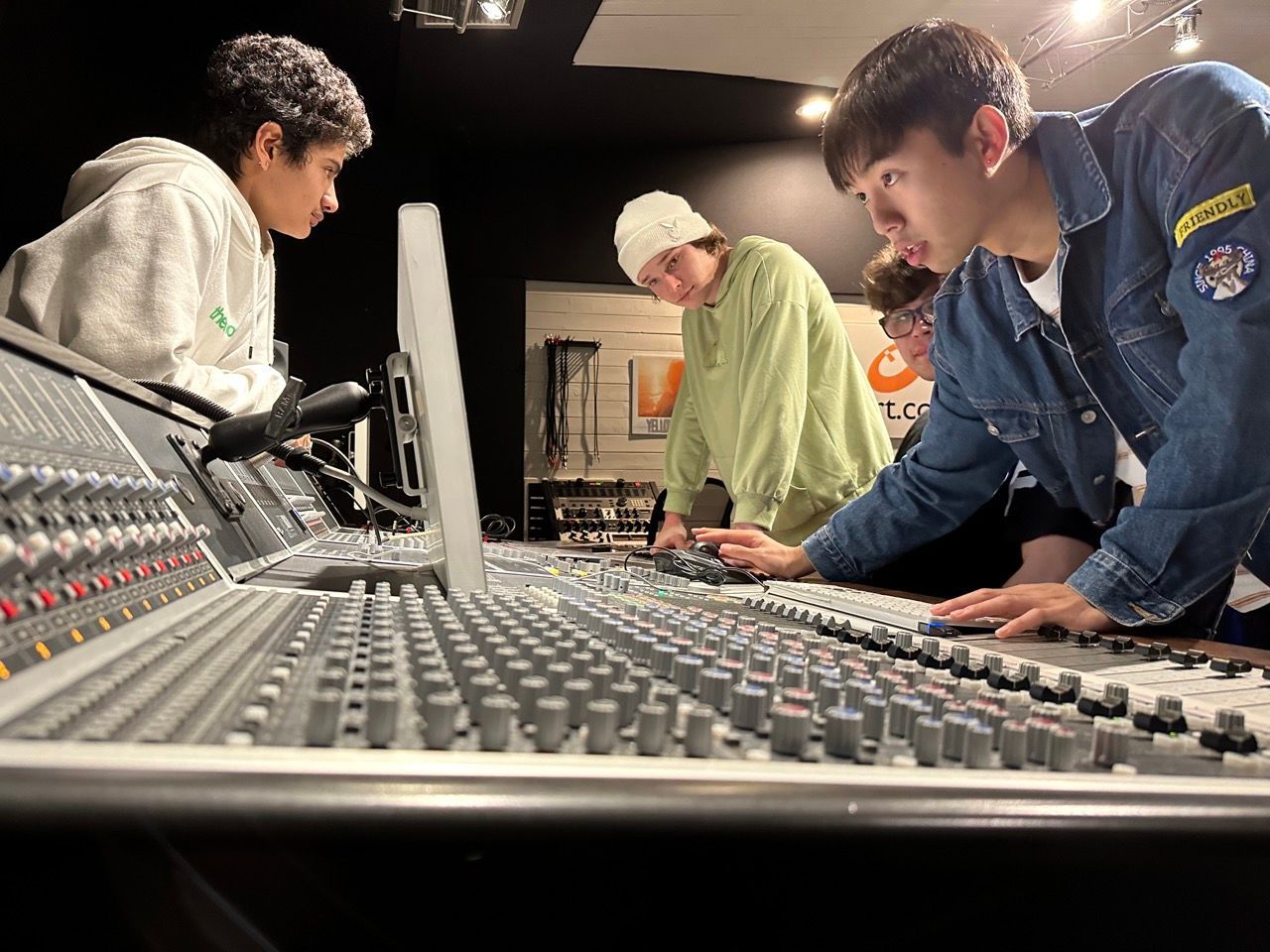
Explore sound engineering in Canada and learn how OIART equips students with technical skills, hands-on training, and industry connections to launch lasting careers in audio production.
By Jeremy Alves
•
September 20, 2024
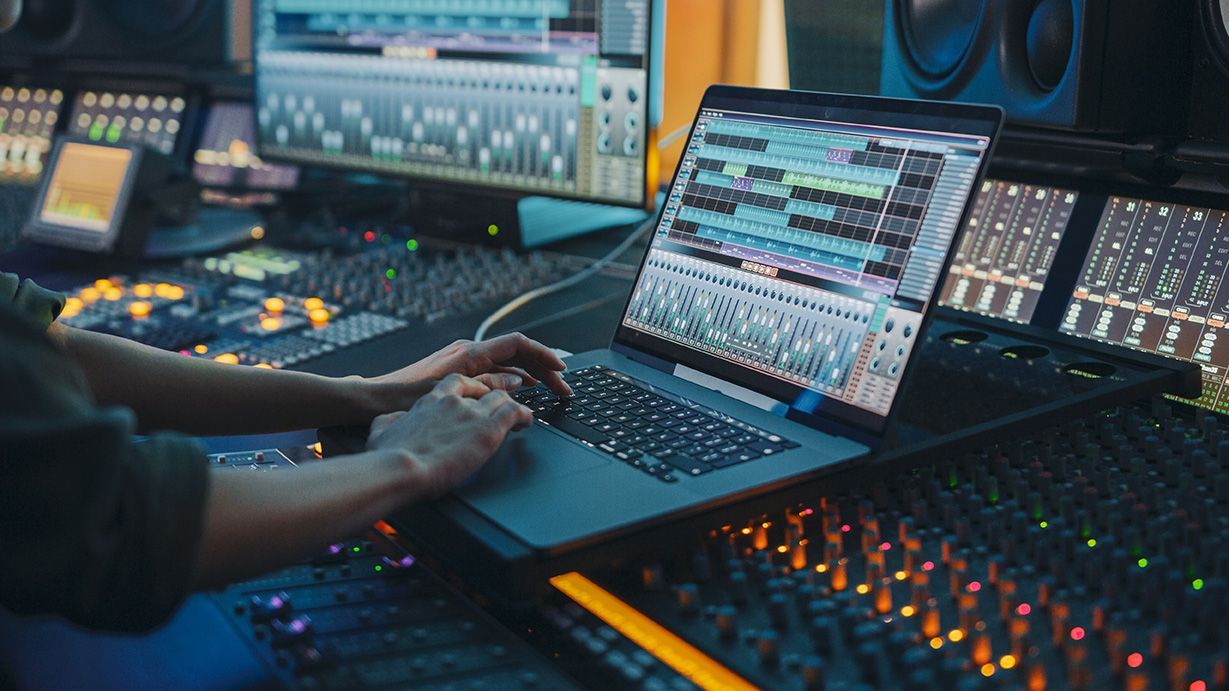
Learn how music production schools like OIART turn passion into careers. Gain hands-on experience, industry knowledge, and the skills to succeed in music production and sound engineering.
By Jeremy Alves
•
May 27, 2024
The role of a music producer explained: what they do in the studio, how they work with artists, and the skills the job actually demands.

By Jeremy Alves
•
April 25, 2024
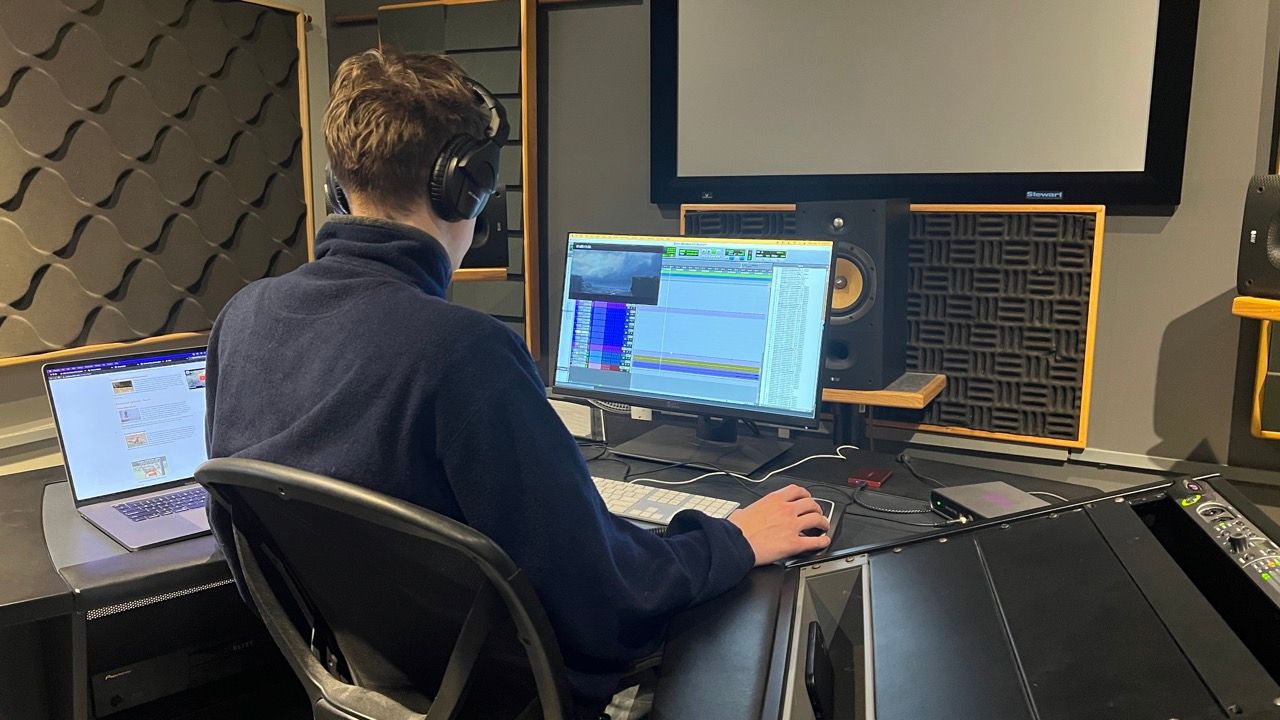
Enhancing your music production skills is an ongoing process of exploration, learning, and growing throughout your career. Prioritizing staying on top of the latest tech, musical trends, and optimizing workflows will go far in building a lasting career. Learn from the experts at OIART on how to enhance your skills.
By Jeremy Alves
•
October 30, 2023
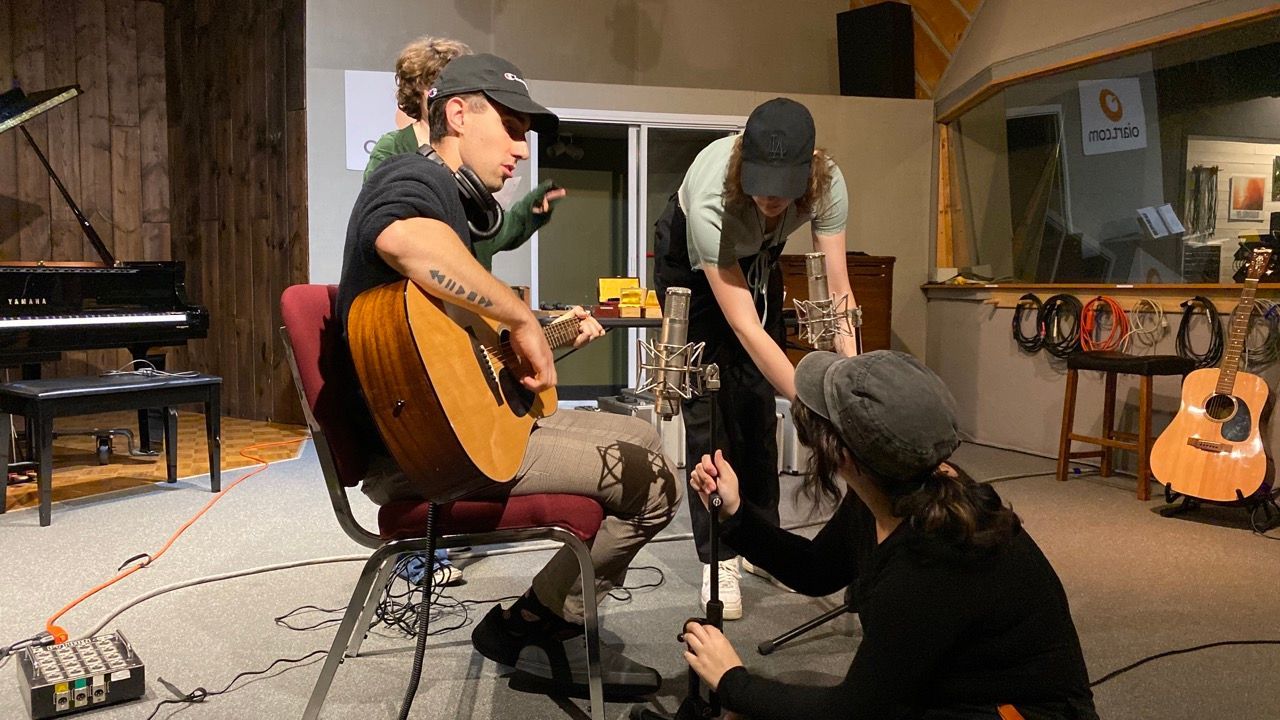
What a music producer is actually responsible for: creative vision, pre-production, budgets, sessions, performances and delivering the final record.
By Jeremy Alves
•
October 24, 2023
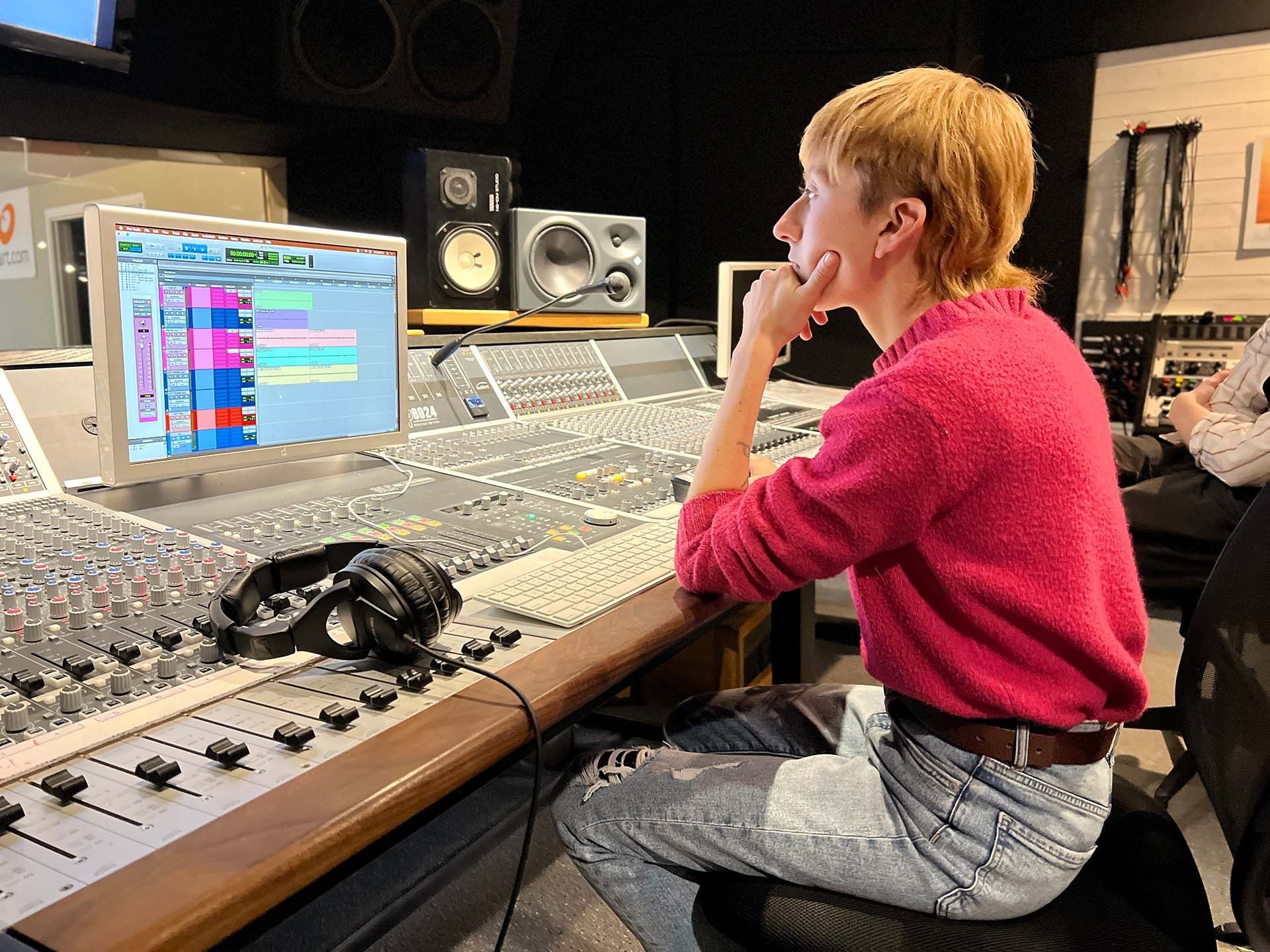
Analog vs digital audio recording: how each captures sound, where each one wins, and why most professional sessions now run a hybrid of both.
By Jeremy Alves
•
October 2, 2023
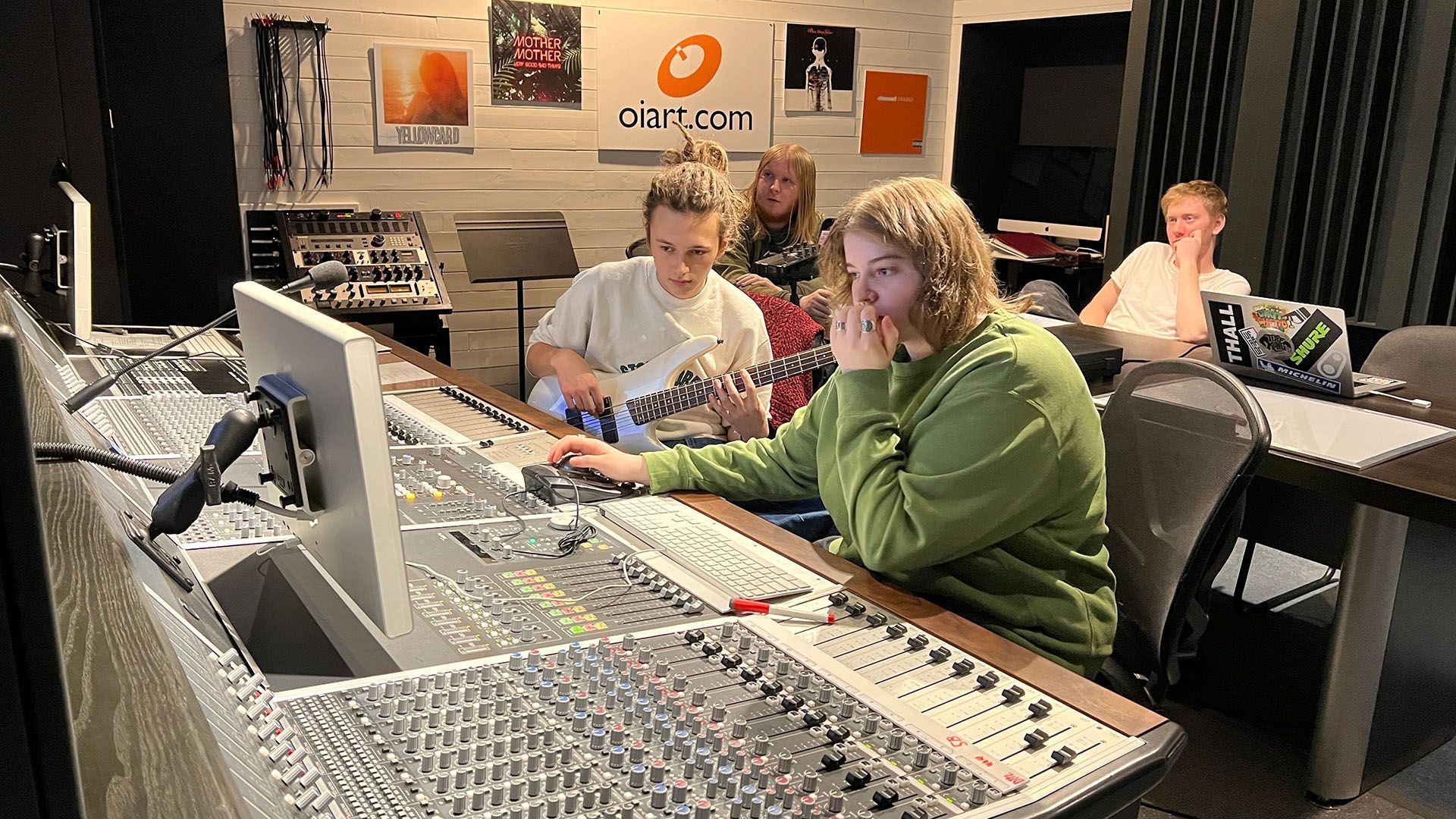
Are you looking to improve your music production skills? Check out OIART’s 5 recommended ways to improve. Whether you are a beginner, or a music engineer, OIART outlines steps to boost your skills and offer knowledge on what it takes to become a music producer. Check out our music engineering programs today!
By Jeremy Alves
•
May 21, 2023
Music production is constantly changing, with some techniques becoming exceedingly popular while others fade away. Read on to find out what we recommend as the top 5 production techniques in 2023.

By Jeremy Alves
•
February 1, 2023
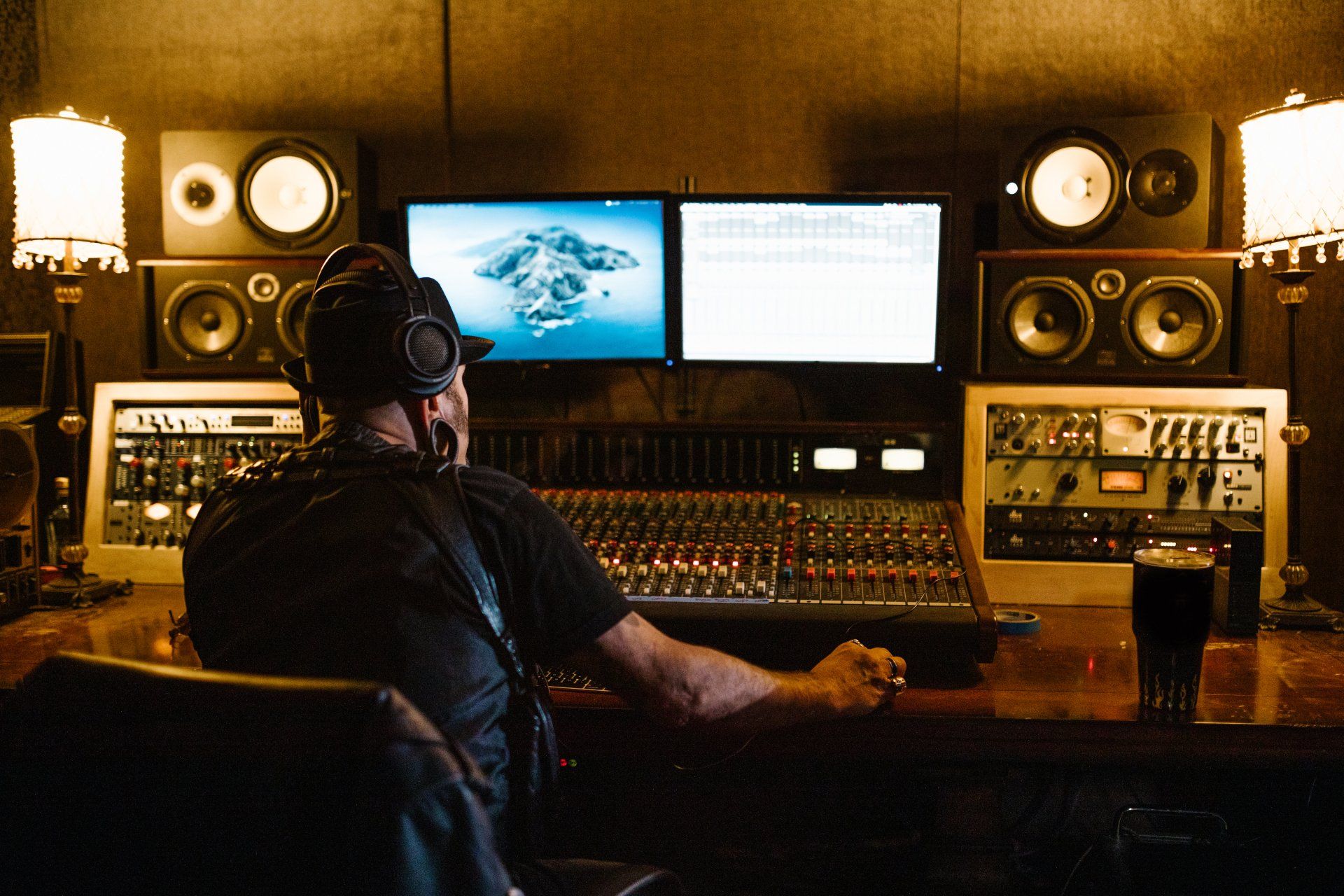
Music production and audio engineering are related fields with plenty of overlap, but they are distinctly different roles within the audio world. Understanding how these roles vary from each other can help you choose between music and sound production or audio engineering programs. Music production is a creative role involved throughout the creation of a new track. This role is often managerial, as you may need to manage artists, musicians, and engineers. You may also take on the role of the composer and craft a MIDI track to accompany a vocalist. Additionally, you’ll gain a technical skill set and apply it creatively to projects. Audio engineering is a more technical role focusing on the actual recording of sounds, which can be vocals, instruments, or even sound effects. You generally will not provide creative input but will instead cater to the needs of creative roles like producers and artists. This role involves a strong technical and scientific understanding of electronics and sound. Which career path will provide you with a fulfilling career? Keep reading to dive deeper into the differences between these two roles to help you hone in on the best choice for your future career. What is Music Production? Music production blends software and creativity to produce a final product aligned with the artist or your artistic vision. Attending a music or audio production program prepares you for this role by providing hands-on training and an in-depth understanding of music theory. By graduation, you’ll know how to produce a track from start to finish, work with artists, and provide guidance to engineers and technicians. Let’s explore your daily responsibilities as a producer, key challenges, and examine if it’s the right career for you. Core Music Production Responsibilities A music producer sees the big, artistic vision of every project they work on. You’ll develop a trained ear for music, a feel for what makes a good song, and add your own artistic touch to most projects. The music producer often takes on a managerial role for larger projects. For example, if a track involves several vocalists and musicians, you’ll need to coordinate recording times and impart the overall goal of their part. Additionally, you’ll coordinate efforts with sound engineers, technicians, and composers. It’s worth noting that most projects will be unique, so precisely what you do will vary on every track you work on during your career. For example, you might work with an aspiring artist on a small project. You’ll then be responsible for the entire track beyond providing vocals, such as building drum patterns, composing melodies, and crafting basslines. In addition, you’ll handle mixing and mastering. Challenges of Music Production If you asked a dozen working music producers about their biggest challenges, you’d likely get a dozen different answers. Every producer has their own hurdles, challenges, and even dislikes of working in the field. One common challenge in music and sound production is working with the artists themselves. You’ll have to accommodate specific requests, manage their vision and expectations, or sometimes even work around their ego. For example, can you ask a major artist to re-record a verse because the first take wasn’t quite right without bruising their self-esteem? Another challenge of working as a producer is you need to constantly stay aware of the latest trends in production and music overall. While this isn’t usually an unpleasant challenge, it’s still something you’ll need to invest time in to make sure you’re aware of what listeners are appreciating. Is Music Production Right for You? Should you choose production over engineering? You might already have a rough idea after reading the above sections, but let’s examine the characteristics of someone well-suited for a career in music production: You’re able to conceptualize the overall vision and sound of a track You have excellent soft skills, such as interpersonal communication and managing different personalities on a project You have both a technical and creative mindset. As a result, you can learn new software and tools whenever necessary while also providing creative input and guidance to others. You can manage complex projects with several moving pieces. Prior experience in any form of project management is helpful. You take feedback and criticism well and can incorporate them into the project. What is Sound or Audio Engineering? Audio engineering, often also referred to as sound engineering, is the practice of configuring the hardware and software involved in recording or broadcasting to provide the highest possible quality sound. Music engineering is a more specialized form of audio engineering in which you’ll apply the same skills to assist producers and artists in creating a polished track. Audio and music engineering programs impart a strong understanding of sound's technical and scientific aspects, including how it moves through electrical components and the room itself. It’s time to break down the field of sound engineering to help you decide if it’s the right choice for you. Core Responsibilities of Audio Engineering The primary task of an audio engineer is to ensure all the hardware and software used in recording audio is adequately set up and configured to capture high-quality sound. You need to know how to set everything up and the theory behind how components work together. For example, you must understand how signals move through your setup before reaching the DAW. This level of understanding allows you to adapt to the available equipment, recording booth, or arena and contribute to the overall project. Unlike music producing, you won’t typically take on a managerial role or provide creative input. However, you may manage a team of engineers and sound technicians on larger projects. Audio Engineering Challenges Audio engineering is a highly technical role, making it challenging for those without an aptitude for learning about technology and electronics. You need to know what every piece of equipment does, how it works, and how components work together. Additionally, an audio engineer must also know how to test and troubleshoot any issues that may arise. For example, the last thing anyone on a project wants is a delay in recording due to malfunctioning equipment. Can you fix it or find a suitable alternative? Engineering can also be a struggle for those who want to lend their creativity to a project. While there’s no hard rule against providing input, audio engineers generally provide little to no input that guides the creative direction of a project. This factor isn’t an issue for some, but music production might be a better fit if you’d like to contribute creatively. Is Audio Engineering for You? Should you choose audio engineering over music production? Let’s explore some of the core characteristics that might make you better suited for engineering over production: You enjoy working with technology and electronics You’re interested in manipulating sounds with the tools at hand You’re organized and able to take instructions You excel in scientific and technical fields, plus find enjoyment in them You’re okay with rarely providing creative input, instead focusing on the gear and technology that helps producers and artists bring their vision to life Will You Ever Do Engineering and Production? Some projects will call for handling the roles of a music producer and an audio engineer. Having the skill set of both roles can help make you a valuable asset, and you may enjoy learning both sides of the audio world. Generally, it’s projects with smaller budgets that seek out professionals capable of taking on both roles rather than hiring several specialists. For example, a smaller label or independent recording artist won’t have the budget for a team of experts but still want to produce a high-quality song. It’s not as common, but medium to large projects may even require wearing both hats. For example, imagine a scenario where the producer is suddenly unavailable. You’re already in the studio as the engineer — being able to step in as the producer saves the project and showcases your value to the company or artist. Ultimately, if you’re interested in both, you don’t necessarily have to pick only one option. For example, you can start with a music production program and later return for an audio engineering course. Enroll in OIART’s School of Audio Engineering Attending a formal program for either career option will teach you the skills, techniques, and theories behind production and engineering. You’ll gain a deep understanding of your chosen path and be prepared to start working in your new field. OIART is an industry-recognized education institution with music production and audio engineering programs designed to prepare you for your new career. You’ll gain hands-on experience in the industry and be ready for your first day in the studio. Ready to begin? Take the first steps to get formal training to get a diploma and start your new career.
By Jeremy Alves
•
January 18, 2023
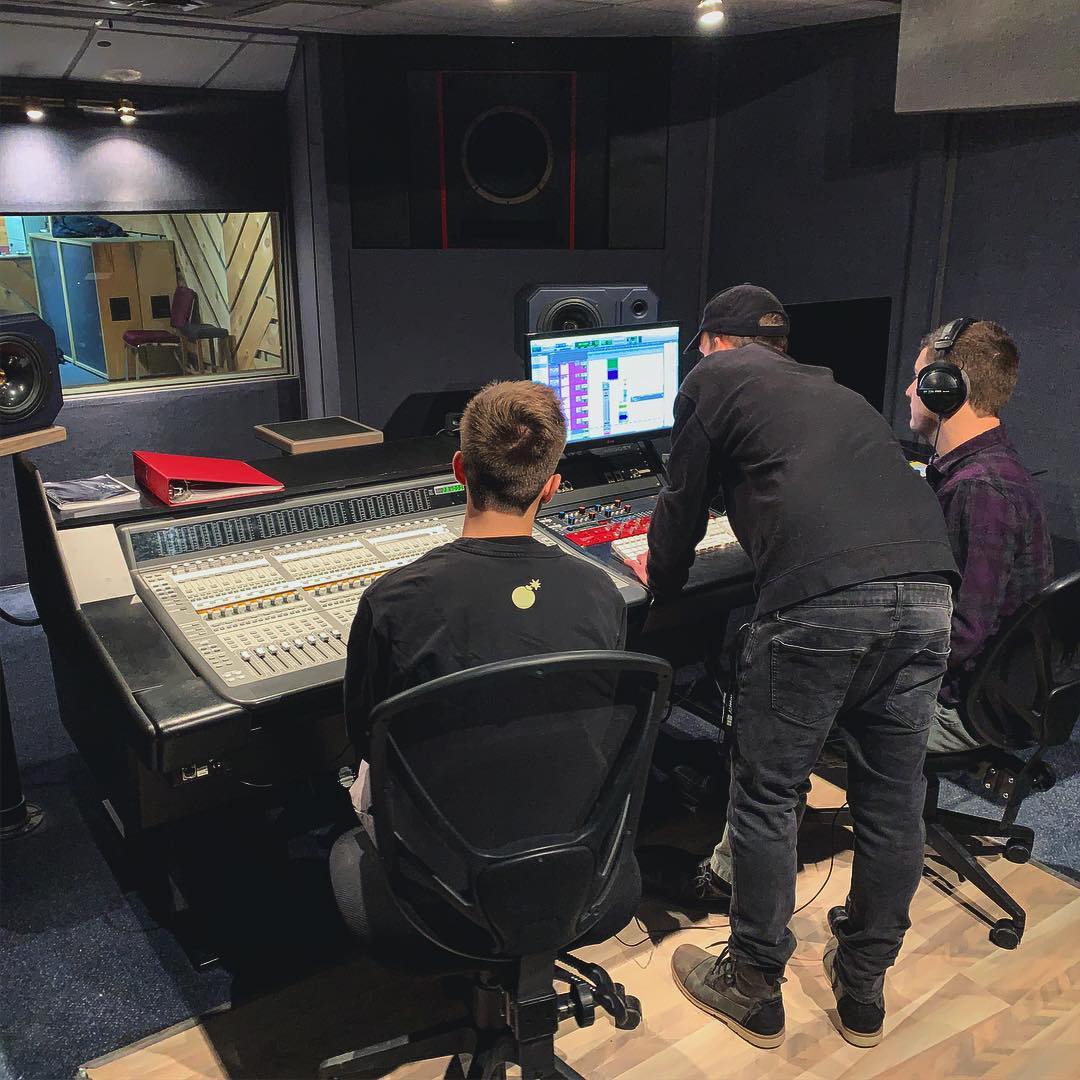
A day in the life of a music producer, from pre-production and session prep through tracking, coaching performances and getting to a final mix.
By Jeremy Alves
•
January 4, 2023
A career in music production makes it your job to create compelling and attention-grabbing music. You’ll spend your days absorbing new music, analyzing what you like, and using various tools and equipment to craft your own tracks.
By Jeremy Alves
•
December 22, 2022
Audio engineering basics for beginners: signal flow, gain staging, microphones and monitoring, plus how to build the skills professionally.
By Jeremy Alves
•
November 15, 2022
Taking your first steps as an audio engineer or music producer can be daunting. There are so many considerations to make, from the equipment to buy for your home studio to the classes you’ll take at recording schools.

By Jeremy Alves
•
November 2, 2022
For those pursuing a career in audio engineering, it’s considered a rite of passage to start building your own workspace with all the professional equipment you will need for the job.
By Jeremy Alves
•
July 6, 2022
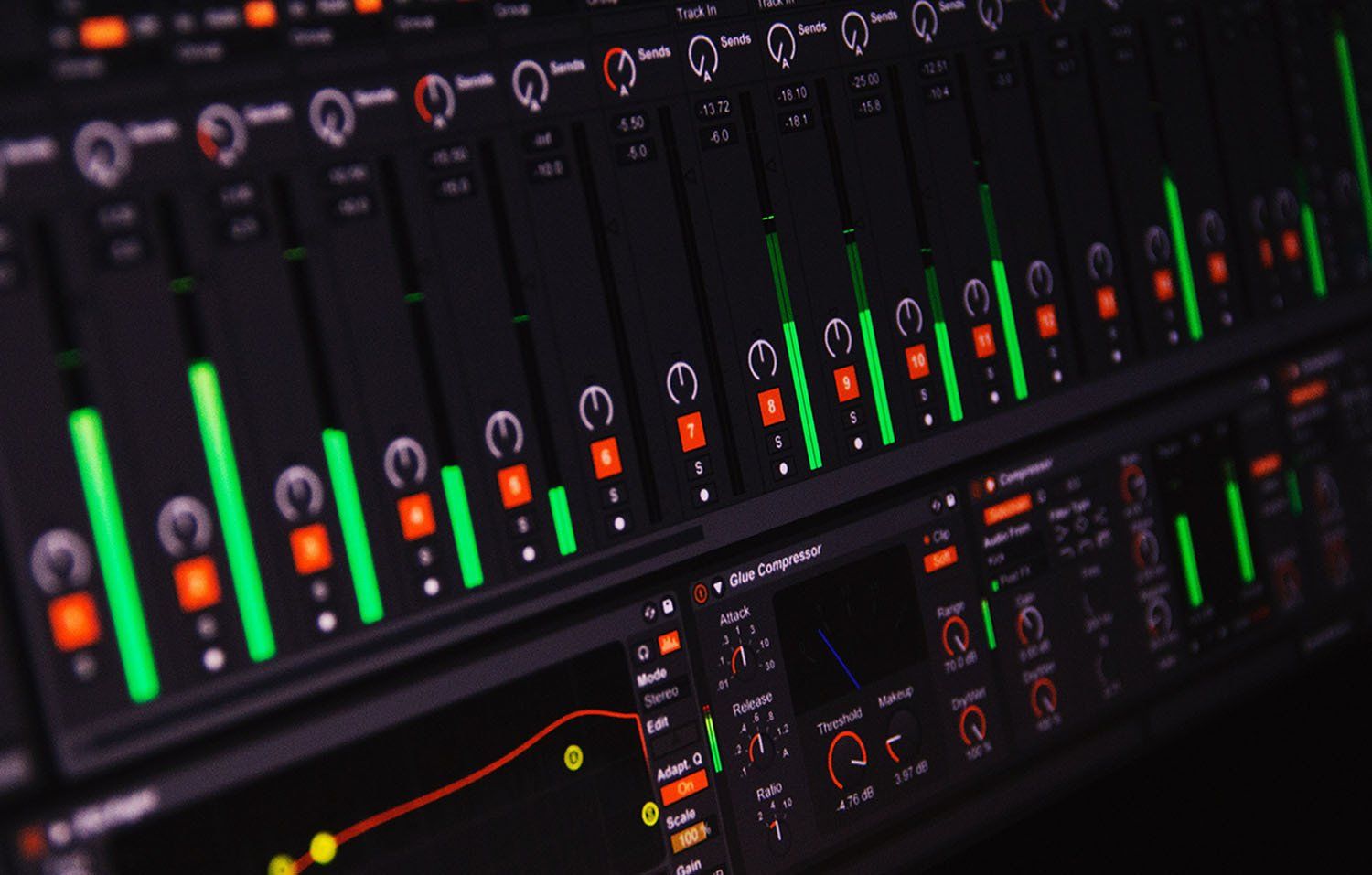
Just like how every carpenter needs a hammer, you need the right tools for the job if you want to be involved in music and sound production. If you’re serious about being involved in sound production, what sets apart the amateurs from the aspiring professionals is simple: proper equipment and the training to use it. [...]
By Jeremy Alves
•
April 21, 2020
DAW stands for Digital Audio Workstation and is a type of software that you use for recording, mixing, editing, and processing digital audio. DAWs may come in a variety of forms ranging from a single software program on a laptop to a highly complex system of multiple components that is controlled by a central computer, [...]

By Jeremy Alves
•
April 14, 2020
Internships are a fundamental first step in your career, especially in the music industry. Many companies will hire their interns in the future, making the connections you form during your internship extremely valuable. But how do you go about getting one? Some positions are not widely advertised, or not advertised at all, and it can [...]

By Jeremy Alves
•
April 4, 2020
The music industry is heavily based on who you know and what kinds of connections you are able to make. This means lots of networking! Networking can seem like an intimidating task, but it doesn’t have to be! Start with small steps, and you will be an expert with a solid network in no time! [...]
By Jeremy Alves
•
March 14, 2020
Being a music producer can be one of the most exciting jobs in the music industry. You get the chance to work with a variety of artists on projects of all kinds and oversee the creation of many records. As a music producer, you’ll get the chance to work on the creative side of music [...]
By Jeremy Alves
•
March 1, 2020
Yet another exciting role in the audio industry is the mastering engineer. A mastering engineer is hired by the artist or producer of an album to complete the audio mastering process during the post-production of an album. The mastering engineer has specific expertise in preparing and transferring audio from one raw format to the desired [...]

By Jeremy Alves
•
February 19, 2020
Internships are an important first step in your career and can open the door to a certain company or career path you are looking to pursue. They may get a bad reputation as many internships are unpaid, and you hear horror stories of interns did nothing but get coffee for their entire internship, but there [...]

By Jeremy Alves
•
February 3, 2020
Five music production techniques worth knowing, how producers use them to shape a record, and where to practise them on professional equipment.

By Jeremy Alves
•
January 15, 2020
If you are hoping to make a career of music production, or even if you are just doing it as a hobby, you should constantly be looking for ways to improve. You should look for ways to improve your music production skills so that you can produce better and better tracks and move forward with [...]
By Jeremy Alves
•
December 15, 2019
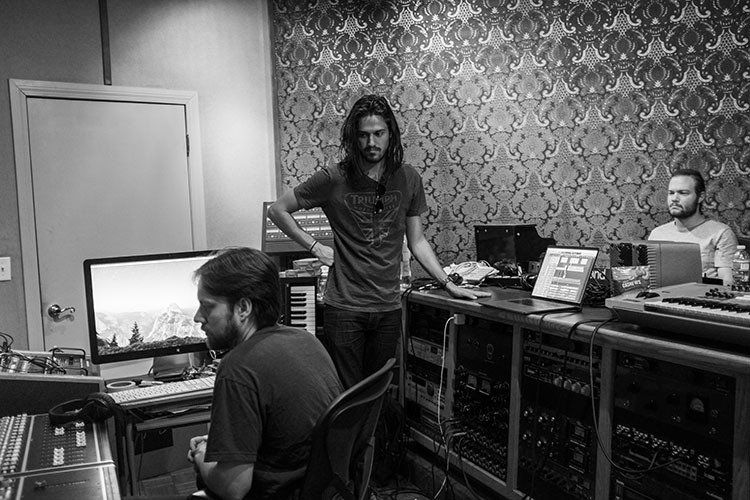
If you are pursuing a career in music production, it is important that you understand each of the roles involved in the process. Music producers and sound engineers are two roles that are essential to the music production process, although it can get a little confusing as to which roles each person is responsible for. [...]
By Jeremy Alves
•
April 5, 2019
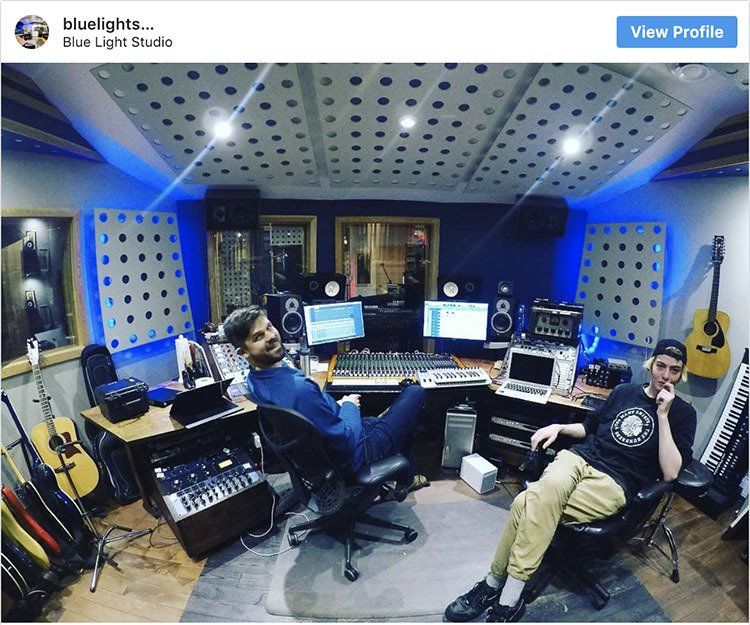
Music Producers are anyone who are involved with the production of music. Whether it be songwriting, composing or recording, these are the people who work as/alongside artists to shape the outcome of a music project. There is a big overlap between music producers and other roles in the music “production” process, including engineers, mixers, masters [...]
By Jeremy Alves
•
February 28, 2019
Canada's most legendary recording studios and the records made in them, from Toronto's Noble Street and Revolution to Vancouver's Warehouse Studio.

By Jeremy Alves
•
January 29, 2019
OIART congratulates alumni Jason Dufour (’07) on his JUNO nod for Recording Engineer of the Year. He’s now one of Canada’s top engineers. Learn about his back story.

By Jeremy Alves
•
December 28, 2018
There’s no denying it, some cities are far better for music than others. In fact, you may have heard the term “music city” been used before. This is a term that describes a city that has a strong appreciation for music, and backs up its artists, clubs and venues through government funding and through [...]
By Jeremy Alves
•
December 19, 2018
We’ve all been there, you get a frantic email from a client at 11:30 at night asking if you can turn around a mix in one day before the weekend. With your other client work and what little personal life you have left, there’s only so much time you have to churn out a [...]
By Jeremy Alves
•
December 4, 2018
As an audio engineer you have an obligation to never stop learning. When an artist or production house hires you for a new project, they are expecting you to be the best of your peers. It’s no surprise that for many, that expectation will be built on your practical experience. But when it comes [...]
By Jeremy Alves
•
November 22, 2018
IT’S YOUR TRUE CALLING Think you’re the next Rick Rubin? Is Phil Spector your childhood hero? Want to get on Timbaland’s level? If you answered yes to any of these questions, there’s a good chance you have the intentions to become the world’s next elite music producer. Good news is, everyone has what it [...]
By Jeremy Alves
•
April 21, 2018
Are you unhappy with how your mixes are turning out? Do you feel like your song is missing that ‘pop’, that brings it alive? If you can’t get your song to sound great outside of the studio, you’re not alone. In a sea of tricks and tips, there’s one sneaky hack that you’d [...]
By Jeremy Alves
•
April 19, 2018
Recording and mixing is your craft so it’s no surprise that you want your projects to sound the best they can possibly be. Luckily for you, we have some free tips on how to help you achieve a great, professional sound for all of your recording and mixing endeavours. While it’s not “sexy” [...]
By Jeremy Alves
•
April 14, 2018
I love making mistakes and you should too. Doing things the “wrong” way not only teaches what best to do the next time around, but gives us the motivation to want to prove to ourselves that we can do better. Fortunately for you, you work in the mixing and recording industry so there [...]
By Jeremy Alves
•
April 13, 2018
Out of almost 500 submissions, the following entries were chosen as the winners of the Dread Machine mix contest: First Prize: Rob Morgan Second Prize: Yaroslav Third Prize: Ben Muller
By Jeremy Alves
•
April 12, 2018
Reverb is by far one of the most valuable techniques in the audio engineers arsenal. Applying reverb can do so much for a song: it adds a sense of depth, can change what type of “room” the sound sounds like it was recorded in and beefs up an otherwise flat sounding song. But [...]
By Jeremy Alves
•
April 8, 2018
Even as the music world becomes more and more digital-focused, the key to success for a lot of artists still relies on radio play. The advent of streaming services like Spotify and Apple Music shook the music world in the past couple of years, because for the first time people had new and [...]
By Jeremy Alves
•
April 5, 2018
With so many digital plugins at our disposal, these days it can be tempting to overdo it. But just because it only takes a couple clicks to add effects on tracks, it doesn't mean we should. When it comes to mixing tactics for something as vital as compression, it takes years of trial [...]
By Jeremy Alves
•
February 21, 2018
What a great little write up from our friends at Audient !! Not only have our new consoles been great for our students to learn signal flow on, they sound amazing! Sign up for our mix contest http://www.oiart.org/mix-contest and get the multitrack of ‘Dread Machine’ for a chance to win some cool prizes!! https://audient.com/2018/02/12/oiart-2he/ [...]

By Jeremy Alves
•
January 25, 2018
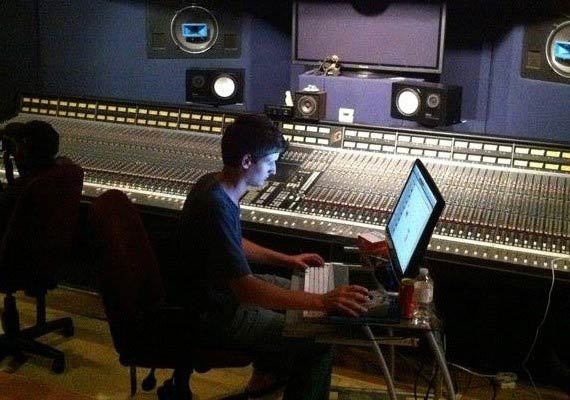
Explore how OIART grad Matty Green became a top LA mixer, with credits including Ed Sheeran, Paul McCartney, Lady Gaga, & TV on the Radio after training at OIART.
By Jeremy Alves
•
January 23, 2018
OIART grad Dane Liska built a career from engineering and touring to becoming Label Manager at The Independent Label Services Group, supporting artists worldwide.

By Jeremy Alves
•
January 8, 2018
OIART grad Rob “Muneshine” Bakker is a Juno-nominated producer, artist, & DJ known for global collaborations, hit releases, & success with hip hop & electronic music

By Jeremy Alves
•
January 3, 2018
Learn how OIART grad Kelly Burrow built a career in music licensing, securing rights for TV networks & series, from MuchMusic to So You Think You Can Dance Canada.

By Jeremy Alves
•
November 9, 2017
Learn how OIART grad Cam Banika built a freelance career in live sound, recording, mixing, & production, collaborating with local & touring artists since 13'.

By Jeremy Alves
•
June 8, 2017
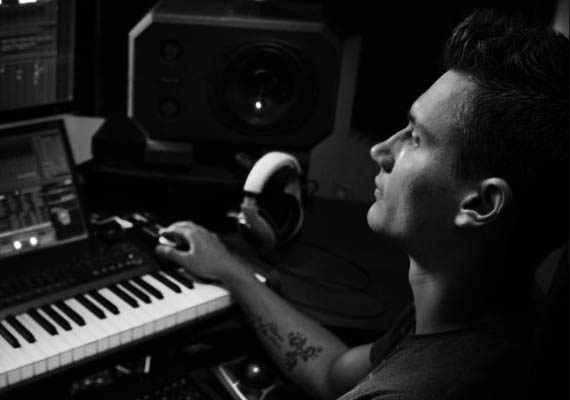
See how OIART grad Alex Robillard works as a sound engineer, AV technician at Lakehead University, & freelance film sound designer and FOH mixer for touring bands
By Jeremy Alves
•
May 25, 2017
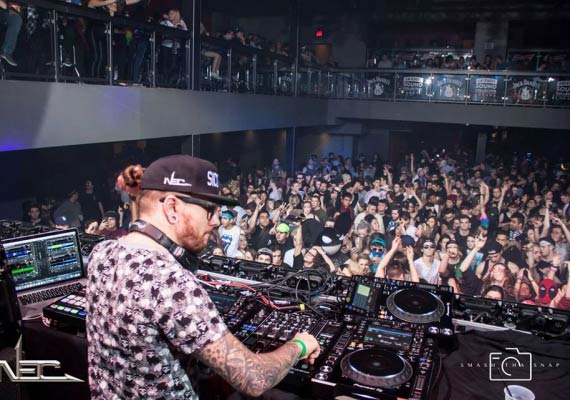
OIART grad Dmitri Belichenko is a freelance composer, mixer, and DJ creating music for global brands, TV, games, and festivals worldwide as electronic artist KloneZ.
By Jeremy Alves
•
May 18, 2017
Learn how OIART grad Liam Thompson built a career as a DJ/producer, across London, opening for major artists, releasing new music, & growing his two artist brands.
By Jeremy Alves
•
April 11, 2017
See how OIART grad Tyler Chute built a career as a freelance mix engineer, producer, & Trew Audio sales rep, working with studios, artists, & top location recordists
By Jeremy Alves
•
March 16, 2017
Discover how OIART grad Robin Parmar built an international career as an electroacoustic composer and researcher, creating experimental sound works across media.
By Jeremy Alves
•
January 26, 2017
See how OIART grad Wayne Warren works as Music Supervisor & Post Production Supervisor on hit series like Frontier, bringing expertise in music editing & licensing
By Jeremy Alves
•
January 19, 2017
See how OIART grad Dean Guilbault became a successful producer, songwriter and artist with Always Never, earning millions of streams and international recognition.
By Jeremy Alves
•
December 6, 2016
OIART grad John Hurlbut has spent nearly 30 years as a recording engineer, mixer, & videographer, with credits spanning major films, TV productions, & studio work.
By Jeremy Alves
•
November 29, 2016
Learn how OIART grad Mary Lee built a career in audio for visual media, engineering and editing sound for top TV series, children’s shows, commercials & video games.
By Jeremy Alves
•
November 22, 2016
Explore how OIART grad Graham Lessard became Senior Recording Engineer at the world-renowned Banff Centre, working with top artists across folk, jazz, & indie music.
By Jeremy Alves
•
November 10, 2016
Discover how OIART grad Trevor Anderson became an in-demand engineer and producer, earning credits with Will Smith, Deep Purple, Serena Ryder and top producers.
By Jeremy Alves
•
November 1, 2016
See how OIART grad Jay Perry became the owner of Points East AV, leading design, installation, rentals, & production services across PEI after a diverse career audio
By Jeremy Alves
•
October 20, 2016
Discover how OIART grad Kyle Porter became a Senior Audio Programmer and versatile live sound technician, designing major AV systems and mixing theatre productions.
By Jeremy Alves
•
September 13, 2016
See how OIART grad Jeff Pelletier is Chief Engineer at Phase One Recording, with credits from Shawn Mendes to Tokyo Police Club & live mixes for major Canadian acts.
By Jeremy Alves
•
September 6, 2016
See how OIART grad Bryan Gallant became Operations Manager at Vancouver’s world-renowned Warehouse Studio, working alongside top artists & hiring fellow OIART alumni
By Jeremy Alves
•
July 28, 2016
OIART grad Simon Larochette runs The Sugar Shack studio, earning a Juno nomination and working with top Canadian artists across genres from country to punk & metal.
By Jeremy Alves
•
July 26, 2016
See how OIART grad David Ciccarelli co-founded Voices.com, now a global leader in online voice-over talent, from a small London studio into a major tech success.
By Jeremy Alves
•
June 28, 2016
OIART grad Jason Dufour has engineered projects for July Talk, Lights, Big Sugar, The Tea Party and more, building a standout career in Toronto’s recording scene.
By Jeremy Alves
•
June 23, 2016
Discover how OIART grad Matt Andersen became a Juno-nominated singer-songwriter, award-winning blues artist, and built an internationally acclaimed performer title.
By Jeremy Alves
•
May 31, 2016
JUNO-winning producer Siegfried Meier built Beach Road Studios and has worked with top artists worldwide, creating acclaimed records & a thriving production career.
By Jeremy Alves
•
May 17, 2016
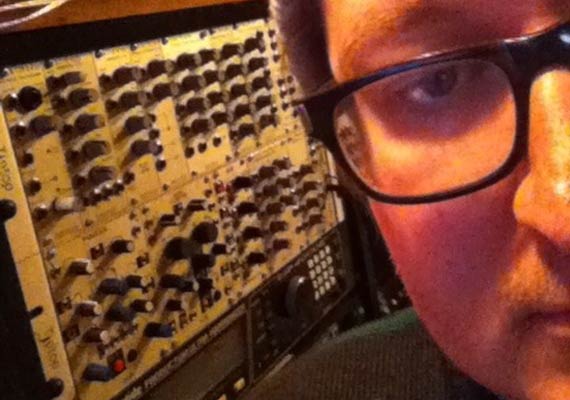
Discover how OIART grad Anton DeLost built a thriving career as a producer, engineer, & studio owner in Toronto, working with top labels and touring internationally.
By Jeremy Alves
•
April 26, 2016
See how OIART grad Jakob Thiesen built a versatile career in sound design, Foley, composing and editing, earning an Emmy nomination and credits on major games & TV.
By Jeremy Alves
•
April 19, 2016
Learn how OIART grad Aaron Cieslikowski built a global career from LA to Nashville, working with artists like Brooks & Dunn & Natalie Cole before joining Sweetwater.
By Jeremy Alves
•
March 30, 2016
See how OIART grad Alex Krotz became Lead Assistant Engineer at Noble Street Studios, working with Juno-nominated artists like Shawn Mendes and Three Days Grace.
By Jeremy Alves
•
March 10, 2016
Explore how OIART grad Mike Tompa built a global career, from a internship in the UK to now head engineer at Merriam Studios, recording genres from jazz to metal.
By Jeremy Alves
•
March 8, 2016
See how OIART grad Graham Van Pelt built a celebrated career as Miracle Fortress, engineer, producer, and Polaris Prize–shortlisted artist in Montreal’s music scene.
By Jeremy Alves
•
March 1, 2016
Learn how OIART grad Kevin O’Leary built a career engineering major label projects, including Juno-nominated releases and sessions with top Canadian artists.
By Jeremy Alves
•
February 16, 2016
OIART grad Mike Shepherd became Head Engineer at Lakewind Sound, winning multiple ECMAs & working with top East Coast artists and legendary producer Bob Ezrin.
By Jeremy Alves
•
February 11, 2016
Discover how OIART grad Damian Hall became a top Jamaican producer and mix engineer, working with Shaggy, Beenie Man, Vybz Kartel, Universal Records and more.
By Jeremy Alves
•
January 28, 2016
Discover how OIART grad Nick Civiero became an assistant engineer at Bryan Adams’ Warehouse Studio, working across facilities & recording orchestras on the side.
By Jeremy Alves
•
January 14, 2016
Explore how OIART grad Marian Greksa built a diverse career in live sound, AV, lighting and rigging, freelancing with top production companies in Vancouver.
By Jeremy Alves
•
January 7, 2016
Learn how OIART grad Ryan Castle is a Grammy-winning engineer who’s worked with rock icons & now edits music for films like the Mark Wahlberg comedy “Daddy’s Home.”
By Jeremy Alves
•
December 29, 2015
Learn how OIART grad Mike Tompkins became a viral producer and artist, building a YouTube career with 230M+ views and working with global brands and major artists.
By Jeremy Alves
•
December 22, 2015
Explore how OIART grad Justin McDonough built a career as a producer and engineer, founding Resonate Music School & Studio and producing award-winning artists.
By Jeremy Alves
•
December 10, 2015
See how OIART grad Roger Leavens founded Boombox Sound, producing music and sound design for major brands while creating acclaimed albums for top Canadian artists.
By Jeremy Alves
•
November 26, 2015
Explore how OIART grad Kristian Montano built a mastering career at Lacquer Channel and leads his band Sun K, shortlisted for the JUNO Masterclass program.
By Jeremy Alves
•
November 19, 2015
Discover how OIART grad Phil Hotz built a studio career in Toronto, assisting at Revolution Recording and engineering projects for top Canadian artists like Arkells.
By Jeremy Alves
•
November 3, 2015
Explore how OIART grad Mike Cashin built a career as a studio engineer, studio manager & technical lead, working with top artists and designing studios in Vancouver.

By Jeremy Alves
•
November 3, 2015
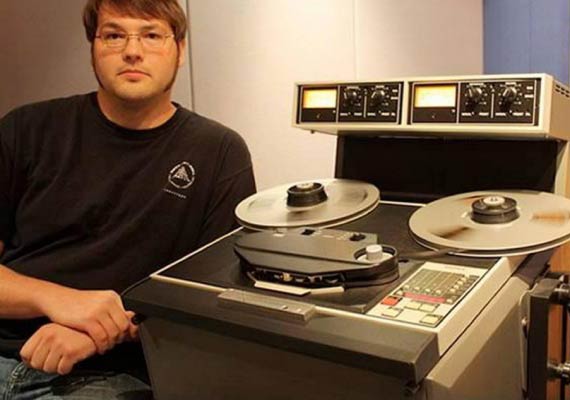
OIART grad Joel Waddell became a producer, engineer and musician, collaborating with Rich Aucoin & creating award-nominated recordings & live performances.
By Jeremy Alves
•
October 27, 2015
See how OIART grad Douglas Beck became a mastering engineer at Disc Makers, working on CD, vinyl and tape projects after starting in the glass mastering department.

By Jeremy Alves
•
October 12, 2015
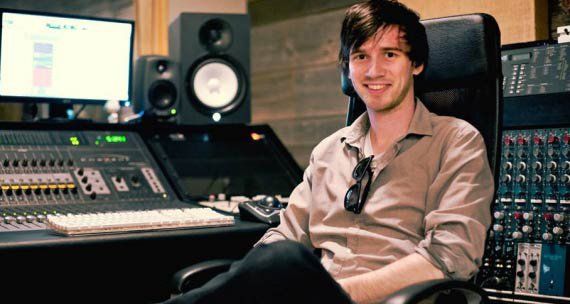
Discover how OIART grad Tim Wallace built a standout career in Hip Hop as a producer, engineer and artist with Juno nominations and major Canadian collaborators.
By Jeremy Alves
•
September 15, 2015
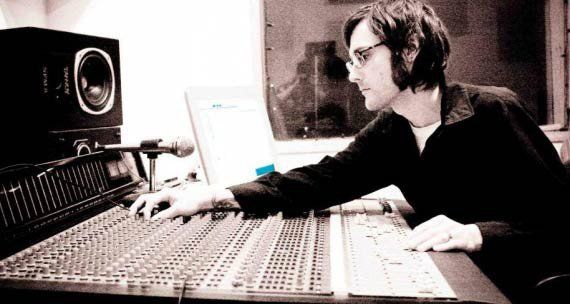
Discover how OIART grad Calvin Hartwick became a recording engineer and producer at Dream House Studios, working with artists like k-os, Kiesza, July Talk and METZ.
By Jeremy Alves
•
July 2, 2015
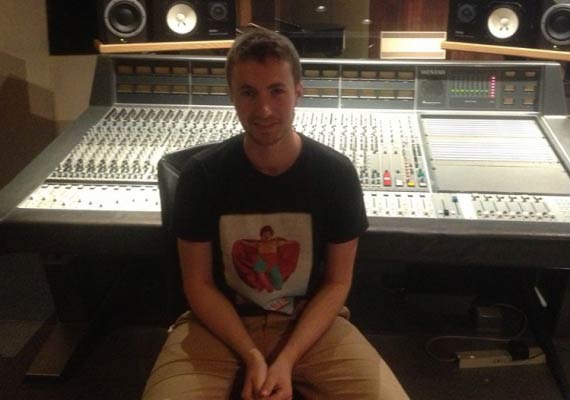
See how OIART grad Chris Colvin became owner and head engineer at Studio A, working with indie musicians, film/TV projects, corporate clients and analog restoration.
By Jeremy Alves
•
May 13, 2015
OIART grad Luke Schindler worked his way from intern to Assistant Engineer at Revolution Recording, supporting major artists in a top Toronto studio.
By Jeremy Alves
•
April 14, 2015
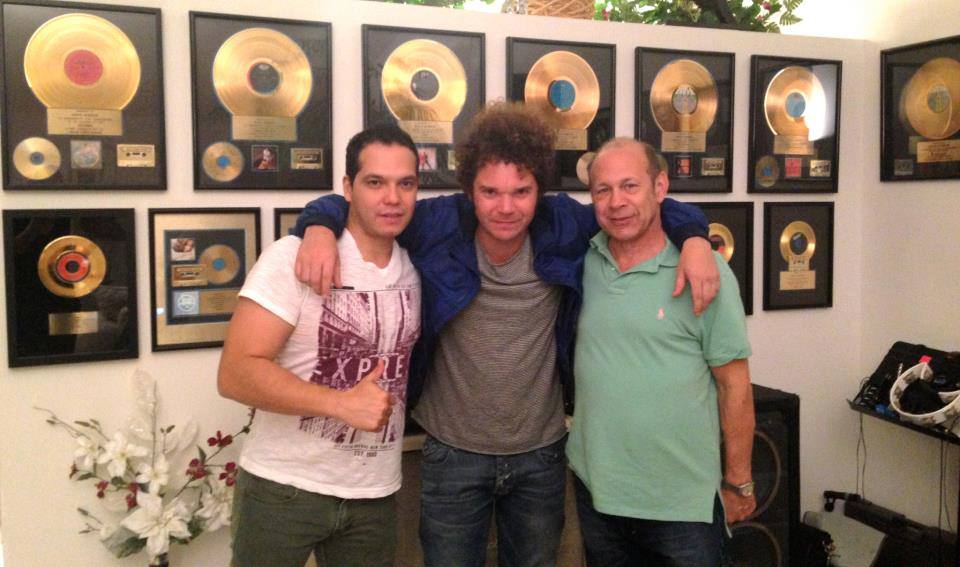
See how OIART grad David Lopez built a global career as a producer, songwriter & engineer, working with major artists & launching his own company, Lopez Lopez Music.
Read News by Categories
Top Reasons Why You Should Choose OIART.
Have Questions?
If you have questions about our program or would like to book a tour, we would be pleased to speak with you.
Text Us: 519.200.4151