What Aspiring Producers Need to Know about Master Rights vs Publishing Rights
Jeremy Alves | February 9, 2026
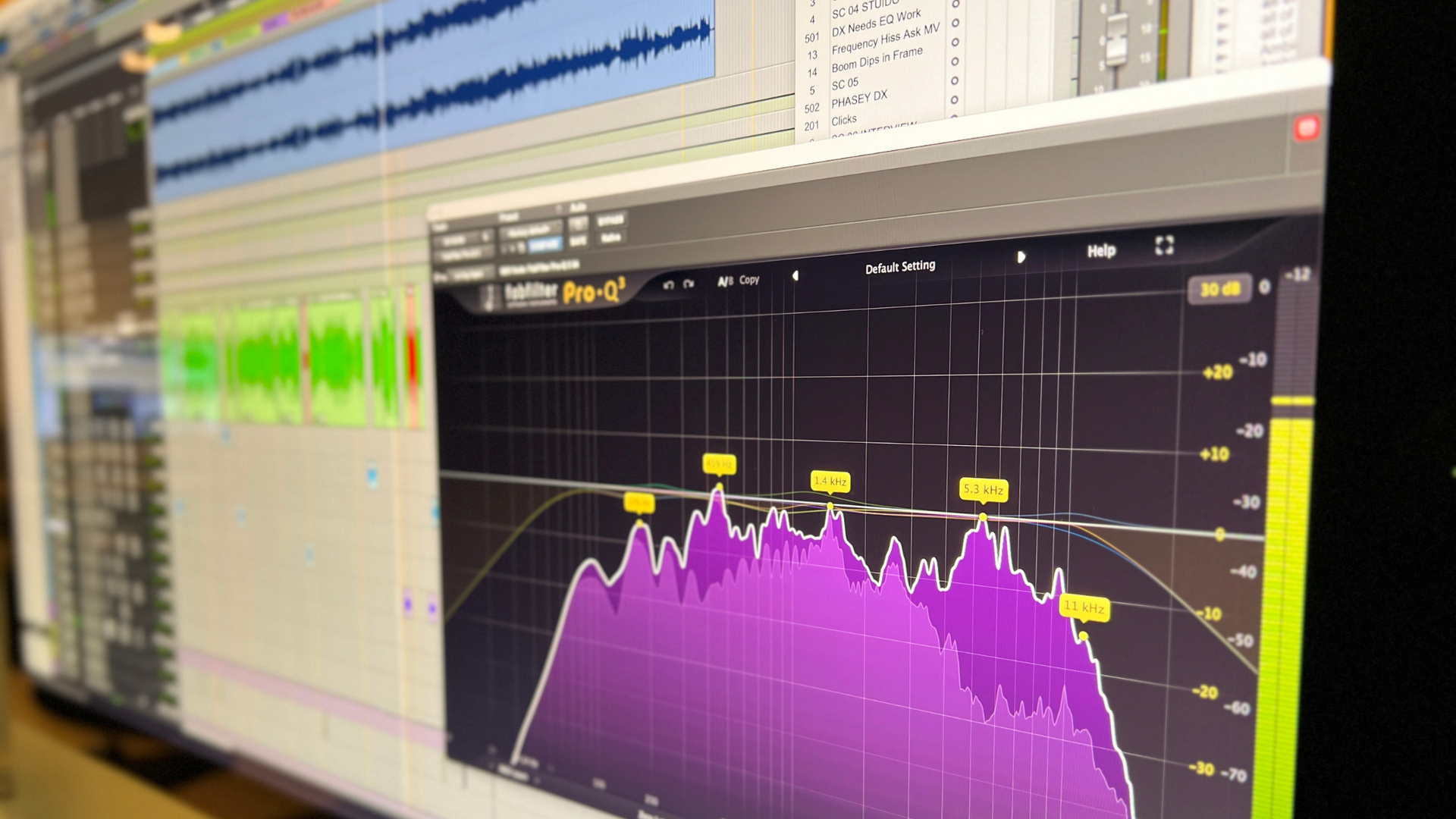
If you’re aspiring to become a music producer or have a career in audio for visual media, you’ve likely spent hundreds of hours perfecting your signal flow, mastering your DAW, and obsessing over the frequency response of your monitors. But in the modern landscape of streaming, film, television, and gaming, there is a silent pillar of the industry that is just as critical as your mix: Rights Management.
Whether you are producing an independent EP or designing a soundscape for a AAA game title, you are doing more than just making audio, you are creating intellectual property. In the professional world, you aren't just a technician; you are a stakeholder in every project you touch.
Understanding the distinction between Master Rights (the recording) and Publishing Rights (the composition) isn't just legal talk. It is the fundamental framework that allows your work to be legally used in a Netflix series, a national commercial, or a global game launch.
At the Ontario Institute of Audio Recording Technology (OIART), we believe that the best programs in audio engineering don't just teach you how to use a fader; they teach you how to navigate the real-world industry with confidence.
One Song, Two Assets
Every time you hear a song on Spotify or in a movie, you are actually hearing two separate pieces of intellectual property working together. To understand your rights, you have to visualize the "Song" vs. the "Recording."
1. Publishing Rights (The "Song")
Publishing rights belong to the songwriters and the people who wrote the lyrics and the melody. Think of this as the "blueprint" of the house. Even if ten different artists cover the same song, the publishing rights remain tied to that original blueprint.
2. Master Rights (The "Recording")
Master rights belong to the owners of the specific sound recording (the "Master"). This is the actual file you export from your DAW. If a label pays for the recording session, they often own the master. If you are an independent producer recording in your own space, you likely own the master.
Fun Fact: Taylor Swift famously re-recorded her albums because she owned the Publishing (the songs) but not the Masters (the recordings). By creating "Taylor’s Versions," she created new masters she owned 100%, effectively making the originals obsolete for sync licensing.
OIART's Audio Recording Technology Program Includes:
✓ Small Class Sizes
✓ On Site Facilities
✓ Industry Leading Instructors
✓ Post Grad Support & Guidance
✓ Exclusive 11 Month Program
Why Rights Architecture Matters to Modern Media Producers
In the traditional music industry, roles were separated: the songwriter wrote the melody, and the producer captured the sound. In modern film scoring and game audio, these lines have vanished. As a producer, you are often "composing through production", crafting the harmonic textures, rhythmic pulses, and sonic "vibe" that define a scene’s emotional impact.
The Professional Standard: Protecting the Project
In a professional media environment, clarity is your most valuable currency. If you contribute to the composition (the chords, the melody, or the specific arrangement), you may be considered a co-author. This means you could hold a stake in both the Master (the audio file) and the Publishing (the underlying idea).
At OIART, we teach our students that this isn't just a creative milestone; it’s a logistical one. We emphasize the use of Split Sheets, the industry-standard documents that define ownership percentages before a session even ends.
Why Clear Rights are a "Deliverable"
When you work in film or TV, you aren't just delivering a WAV file; you are delivering a "clean" asset. If you haven't sorted out the ownership splits between you and your collaborators:
- A Film Supervisor cannot include your track in their edit.
- A Game Developer cannot clear the music for global distribution.
- The Production could be stalled by "unclearable" assets.
Understanding these structures ensures that you aren't a bottleneck in the production process. At OIART, we train you to handle these business formalities with the same precision you use to mix a track. By the time you graduate, you’ll know how to protect your intellectual property while making sure your music is "sync-ready" for any major studio.
Why Rights Knowledge is Non-Negotiable in Post-Production
In the worlds of film, television, and gaming, music is more than just "vibes", it is a legal asset. For an aspiring producer or sound supervisor, understanding the distinction between Master Rights and Publishing Rights is the difference between a successful launch and a legal nightmare.
The Two Pillars of Sync: Clearing the Path
When you are tasked with placing music into a project (a process known as Sync Licensing) you are essentially navigating two different legal entities. To use a single track in a cinematic sequence or a game level, you must secure two distinct permissions:
- The Sync License (The Composition): This covers the "song" itself—the melody, lyrics, and structure. This is owned by the songwriter or their publisher.
- The Master Use License (The Recording): This covers the specific audio file—the actual performance and production. This is owned by the record label or the producer.
In the professional world, if you fail to clear both, your project cannot be distributed. At OIART, we don't just teach you how to mix the track; we teach you how to identify who owns what, so you can manage a production budget and timeline with confidence.
The Business of Sound Design
Imagine you’re in a high-stakes post-production suite. You’ve just finished a brilliant sound design pass for a commercial, and the client wants to use a specific underground track you’ve sourced.
In a standard audio course, you might focus only on the EQ and the levels. At OIART, the business training kicks in immediately. You know that before that track hits the timeline, you need to verify the "chain of title."
- Who owns the master? Is it an independent artist or a major label?
- Is the publishing "one-stop"? Can you clear both sides through a single person to save your client time?
- Work-for-Hire vs. Ownership: If you are composing original music for a game, do you know how to read a contract to see if you’re retaining your publishing rights or "buying out" the master?
Professionalism is Your Best Plugin
Handling these conversations isn't about being "difficult" or "money-hungry", it’s about being a literate professional. When you understand the architecture of music rights, you become an indispensable asset to directors and game developers. You aren't just a "sound guy"; you are a production partner who understands the legal framework of the industry.
By merging world-class technical training with real-world industry ethics, OIART graduates enter the workforce ready to handle the complex intersections of creativity and the law.
Why OIART is the Leading Choice for Aspiring Producers
Choosing between recording schools is about more than just looking at a gear list. You need a course that understands the 360-degree reality of the music business. OIART stands out among music production schools in Canada because we offer a comprehensive, 11-month immersion that treats you like a professional from the moment you walk in.
Our instructors aren't just engineers; they are industry veterans who have navigated these contracts themselves. We teach you how to protect your creativity so that you can focus on what you love: making world-class sound.
Your Future is Sound
Music rights aren't complicated once you have the right foundation. They are simply the tools that ensure your career is sustainable. Don’t leave your future to chance.
At OIART, you’ll learn to record, mix, produce, and understand the business behind the music. Immerse yourself with 1-on-1 learning in small classes from industry professionals, train on pro gear across our 8 professional studios and build real industry skills with our Audio Engineering & Music Production Course.
This article is for educational purposes only and does not constitute legal advice.
Ready to Start?
OIART's Program Includes:
✓ Small Class Sizes
✓ On Site Facilities
✓ Industry Leading Instructors
✓ Post Grad Support & Guidance
✓ Exclusive 11 Month Program
Top Reasons Why You Should Choose OIART.
Have Questions?
If you have questions about our program for audio engineering and music production or would like to book a tour, we would be pleased to speak with you.
Text Us: 519.200.4151
Share This With a Fellow Music Lover
Apply in 3 Steps!
Step 1: Click Apply Now to start.
Step 2: Answer questions about yourself.
Step 3: Submit and check your email.
Share this with fellow music lovers