Why Every YouTuber and Podcaster Should Hire an Audio Engineer
Jeremy Alves | December 15, 2025
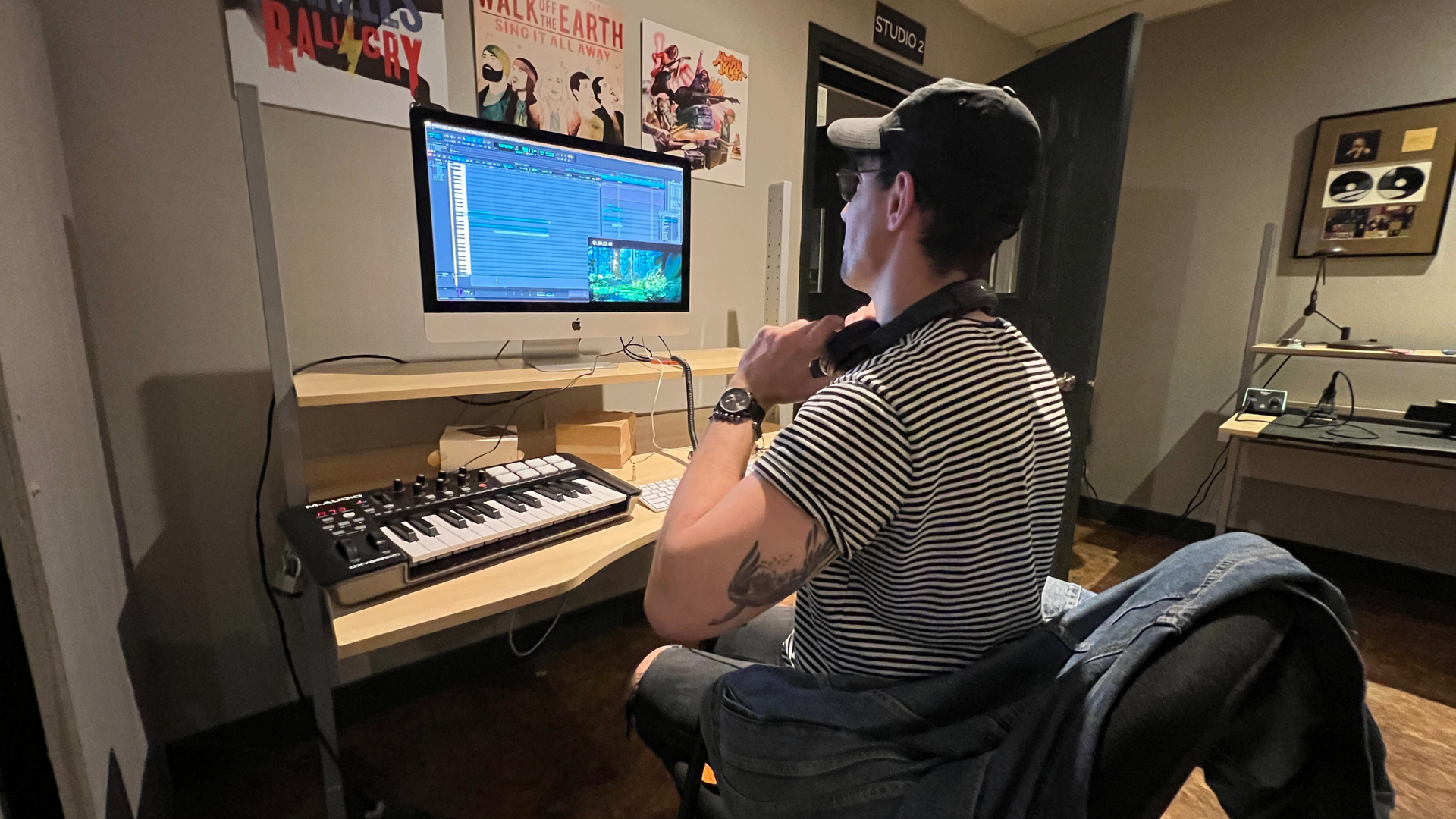
Scroll-stopping content, binge-worthy podcasts, and live shows that actually sound alive will all fail if the sound falls flat. YouTube videos and podcasts with poor audio often result in listeners abandoning them early on.
That’s why creators nowadays lean on skilled audio engineers who create crisp dialogue, balanced music, and sound effects that immerse the audience in the story.
For anyone serious about starting a career in audiovisual media, there’s no better time to train for it. Content creation has evolved into a full-scale industry, and opportunities for audio professionals are everywhere, spanning YouTube and Twitch, podcasts, streaming platforms, branded storytelling, and more.
Keep reading to learn why audio engineers are at the heart of today’s creator economy, what skills matter most, and how OIART prepares students to succeed in this field.
Why Audio Quality Matters More Than Ever
Look at the biggest names online: creators like MrBeast and Logan Paul, as well as podcasters like Joe Rogan, Ashley Flowers, and Jay Shetty. They all know a simple truth most beginners miss.
Most people can tolerate a shaky frame or imperfect lighting, but poor audio pushes viewers away instantly. Distorted voices, room echo, uneven levels, and background noise destroy engagement. That’s why top creators hire pros who treat sound as essential, not optional.
An audio engineer for YouTube or podcasts does far more than fix problems after the fact. They:
- Design the listener’s experience from the first test recording to the final master
- Choose the right microphone for the room and the voice, place it so the performance breathes, and treat the space so it doesn’t fight the recording
- Clean up hiss and clicks
- Remove distracting air conditioning hum and rumble that sneaks in on location shoots
- Use EQ to carve out space for the voice, compression to maintain even levels, and automation to make every line readable without losing emotion.
- Balance the music so it supports the moment instead of covering it up
- Create custom sound design to heighten emotion in vlogs
- Add punch to gaming highlights
- Give narrative podcasts cinematic depth
Beyond technique, engineers help creators scale their operations. They set templates and workflows to ensure every episode sounds consistent, troubleshoot live-stream problems in real-time, and train creators to record clean sources, thereby reducing editing time.
That reliability keeps audiences subscribed and sponsors returning. If you want content that feels pro, hire the ear behind the board or learn to become that person yourself.
What Audio Engineers Bring to Creators
A great sound engineer is a content creator’s secret weapon. They bring:
- Dialogue clarity: Making sure every word cuts through clearly
- Music integration: Blending tracks without overwhelming the voice
- Noise control: Removing background noise that ruins recordings
- Consistency: Giving every episode, stream, or video the same polished sound
- Creative sound design: Adding effects and textures that enhance storytelling
But their value goes even deeper. Engineers know how to adapt mixes for multiple platforms, ensuring your podcast sounds professional on car speakers and earbuds, and that your YouTube video translates well on TV and phone screens.
They also understand pacing and dynamics, shaping audio to maintain attention and convey emotion effectively. This isn’t something a plug-in can achieve on its own. While tools help, it’s training, ear development, and experience in professional environments that allow engineers to elevate content from “good enough” to unforgettable.
The Expanding World of Content Creation
YouTube has more than 2.7 billion active users, and podcasts have over 500 million listeners worldwide. What was once a hobby market is now a massive global industry. Brands spend billions on sponsorships, and creators turn side projects into full-time jobs.
For audio professionals, that means one thing: demand. Every time a creator upgrades their setup, launches a podcast, or wants to stand out from the noise, they need someone who understands professional audio for YouTube and podcasts.
The opportunity doesn’t stop there. Audiobooks, livestreaming, TikTok, and even VR projects require skilled engineers who can deliver audio that matches professional standards.
OIART's Audio Recording Technology Program Includes:
✓ Small Class Sizes
✓ On Site Facilities
✓ Industry Leading Instructors
✓ Post Grad Support & Guidance
✓ Exclusive 11 Month Program
Why the Creator Economy Needs You
Consider the vast amount of content that is uploaded daily. Millions of hours of video and audio content are uploaded to platforms every single day, yet only a small percentage actually connect with real audiences.
What separates the top tier? Professionalism. Viewers and listeners may not be aware of the technical details, but they notice when something feels off.
Trained audio engineers make the difference by transforming raw recordings into polished productions that stand out, balancing dialogue, music, and effects to create a seamless experience.
For someone passionate about sound, this goes beyond a job; it's a calling. It’s contributing to the next wave of media, influencing how billions of people experience online content, and helping creators elevate their work to professional levels that command attention and respect.
Not Sure Where Music Could Take You? Start Here
At OIART, students discover career paths they didn’t even know existed. Some graduates find themselves mixing tracks for indie artists, others are behind the sound design of popular YouTube channels, and some are editing dialogue for Netflix shows. That variety means you can explore multiple areas, figure out where your strengths shine, and graduate ready to step into a role that fits you.
For students fresh out of high school, this flexibility is gold. Instead of committing to a narrow lane, you get a foundation that works across music, media, gaming, live events, and streaming.
The Tools of the Trade
Behind every awesome podcast or viral video is a toolkit of software and hardware. Professional engineers rely on DAWs like Pro Tools, Logic Pro, and Ableton Live.
They use high-end microphones, such as Shure SM7B or Neumann models, industry-standard plugins from companies like Waves and iZotope, and mixing consoles that provide precise control over every element.
Many also work with audio interfaces, like those from Universal Audio or Focusrite, studio monitors for accurate playback, and portable recorders for on-location sessions.
These aren’t the kinds of tools most creators have sitting at home. Trained engineers, especially those who’ve learned on industry-standard equipment, are in high demand. They know how to maximize the potential of the equipment, troubleshoot issues, and adapt techniques for various genres of content, from high-energy gaming streams to cinematic storytelling.
Training That Prepares You For the Industry
Unlike many schools that focus only on music recording, OIART offers dedicated programs for audio engineering in audio for visual media.
Students learn more than just the basics; they train for the realities of working in the creator economy, preparing for careers in YouTube, podcasting, streaming, and other digital content creation. OIART’s comprehensive courses includes:
- Hands-on experience in professional studios using Audient consoles, Yamaha monitors, high-end microphones, and industry-standard DAWs
- Sound technician courses that sharpen ear training, critical listening, and precise audio editing skills
- Live sound engineering courses for creators who record in dynamic environments, from live streams to on-location shoots
- Audio production for YouTubers and podcasters, covering editing, mixing, and mastering dialogue-driven projects while integrating music and sound effects
With smaller class sizes, one-on-one mentorship from experienced professionals, and access to real-world tools and workflows, students graduate with the confidence to transition directly into professional roles.
They gain technical proficiency, as well as the creative problem-solving skills to handle challenging sessions, troubleshoot equipment, and adapt to the fast-paced world of digital content creation.
Career Paths in Audio for Creators
The beauty of this industry is its flexibility. With the proper training, you could work as a:
- Podcast audio engineer: Editing and mixing episodes for top shows
- Sound engineer for content creators: Supporting YouTubers, streamers, and social media influencers
- Dialogue editor: Fixing and enhancing spoken word recordings for podcasts, videos, or games
- Music engineer: Creating original tracks or mixing background music for content
- Post-production audio specialist: Adding effects, foley, or ambience to video projects
- Live streaming audio technician: Ensuring real-time content sounds polished across platforms
- Production assistant in visual media: Working on branded, commercial, or corporate projects
- Audio consultant: Helping creators choose the right microphones, interfaces, and plugins for their setups
- VR/AR sound designer: Creating immersive audio experiences for games, apps, or virtual events
- Game audio engineer: Designing, mixing, and implementing sound effects and music for interactive content
Graduates from OIART find work in all of these spaces, proving that there’s a thriving career in helping creators sound professional. With many content formats and platforms emerging every year, opportunities keep expanding, and trained audio engineers are increasingly in high demand.
Turn Your Passion for Sound into a Career
If you’re passionate about sound and want to become an audio engineer in the creator economy, this career path is the way to go. YouTube and podcasting aren’t slowing down; in fact, they’re only growing. That means more creators, content, and opportunities for skilled professionals to shine.
With OIART’s school of audio engineering, you’ll gain the skills, ear training, and real-world experience to crush it in this fast-moving industry.
Score your dream job working as an audio engineer by securing your seat at OIART today!
Ready to Start?
OIART's Program Includes:
✓ Small Class Sizes
✓ On Site Facilities
✓ Industry Leading Instructors
✓ Post Grad Support & Guidance
✓ Exclusive 11 Month Program
Top Reasons Why You Should Choose OIART.
Have Questions?
If you have questions about our program for audio engineering and music production or would like to book a tour, we would be pleased to speak with you.
Text Us: 519.200.4151
Share This With a Fellow Music Lover
Apply in 3 Steps!
Step 1: Click Apply Now to start.
Step 2: Answer questions about yourself.
Step 3: Submit and check your email.
Share this with fellow music lovers