OIART's Audio Recording Technology Program for Audio Engineering & Music Production
Backed by 40+ years and generations of successful graduates, come see why our program is the best in Ontario for graduate employment and completion rates.
OVER 1,300+ HOURS OF HANDS ON EXPERIENCE
OIART's Exclusive Audio Recording Technology Program
Experience a music production school in Canada that is fun, exciting and engaging with lots of opportunity for participation. Our interactive classes taught by industry leading instructors, allow for sharing and exchanging ideas while collaborating on projects designed to uncover your hidden talents and potential.
We constantly evolve and continuously improve the OIART curriculum to ensure we continue to be the best audio engineering & music production college course available in Ontario for graduate employment, completion, and satisfaction rates.
ONLY 68 SEATS PER YEAR
Three Disciplines. One Program
In an environment like this, you’ll be shocked at how much you can learn. We’ll help you uncover hidden talents, and mentor you on your path to becoming a respected audio professional with our music engineering production courses.
OIART offers one all-in-one program that prepares you to pursue three disciplines after graduation: music production, live sound and event production, and audio for visual media.
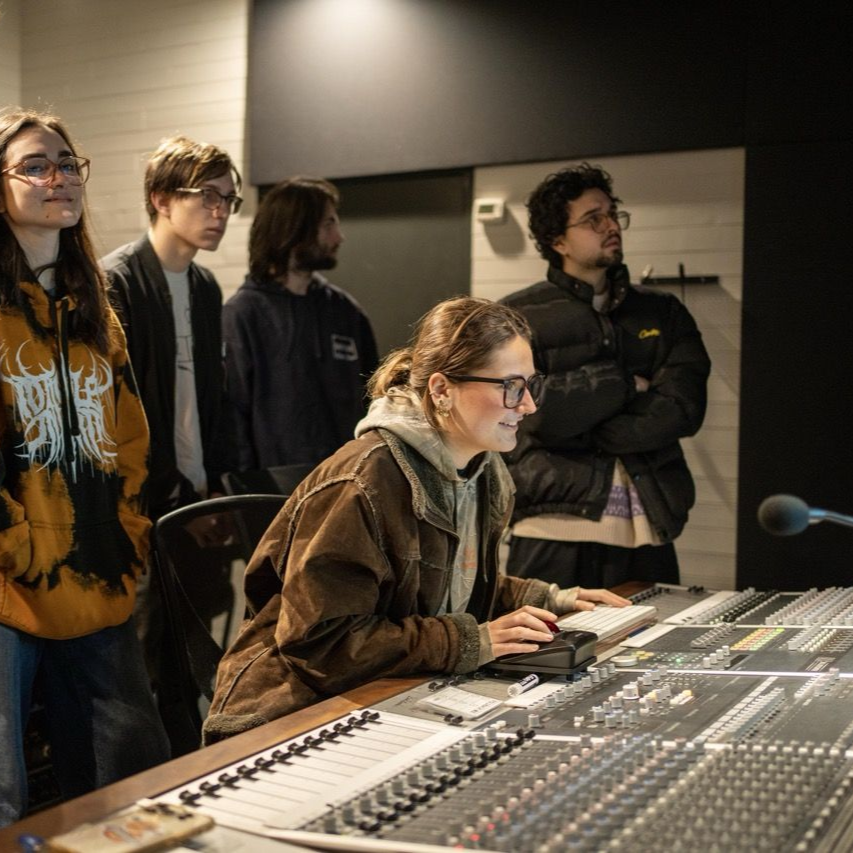
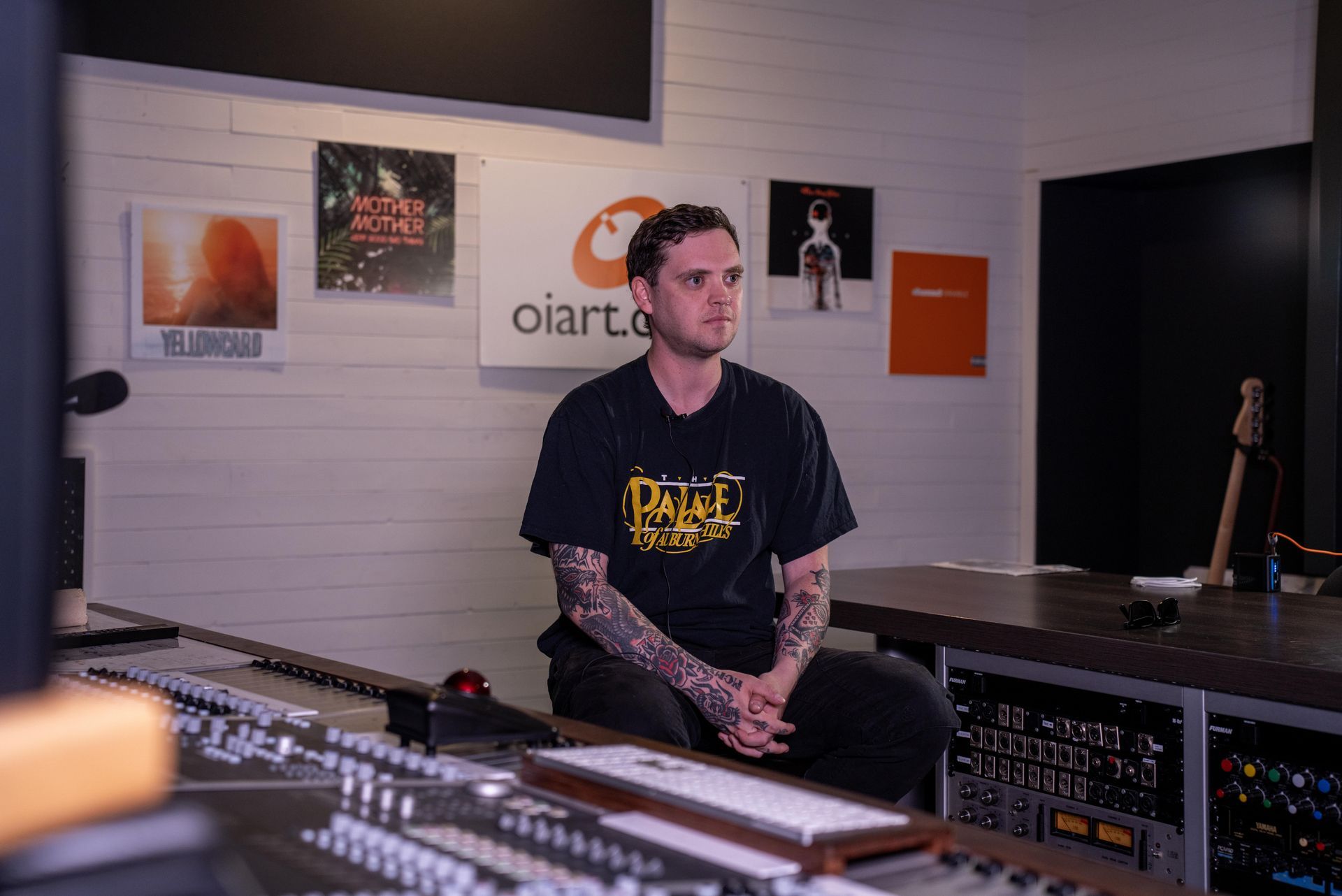
Music Production
You love to play with different sounds,
mixing things up and introducing
a new layer or two.
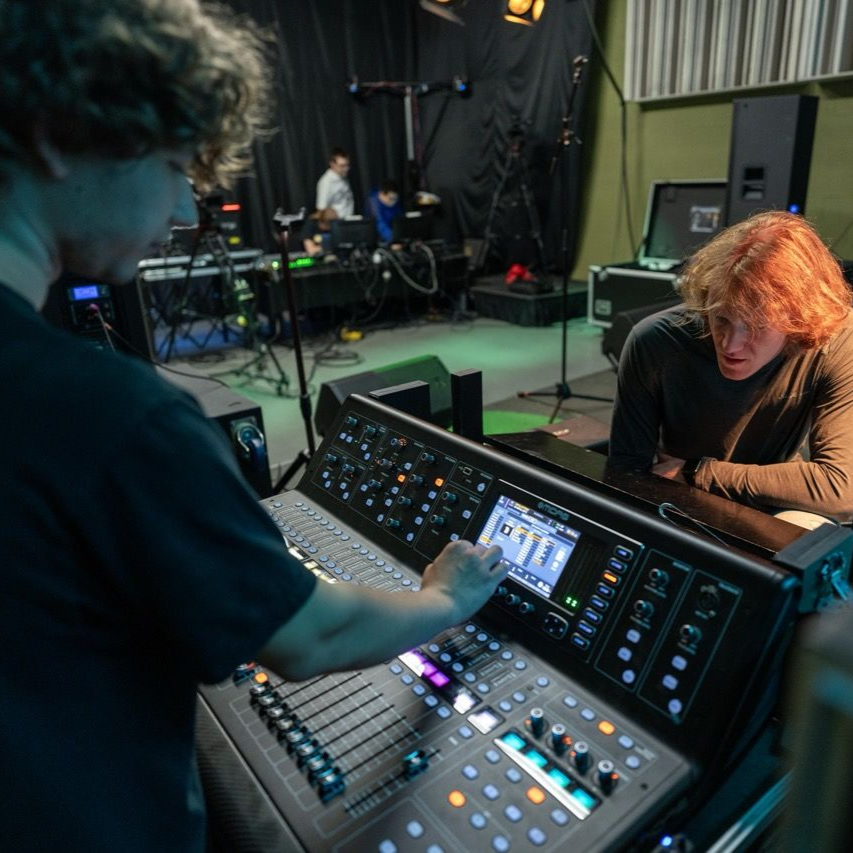
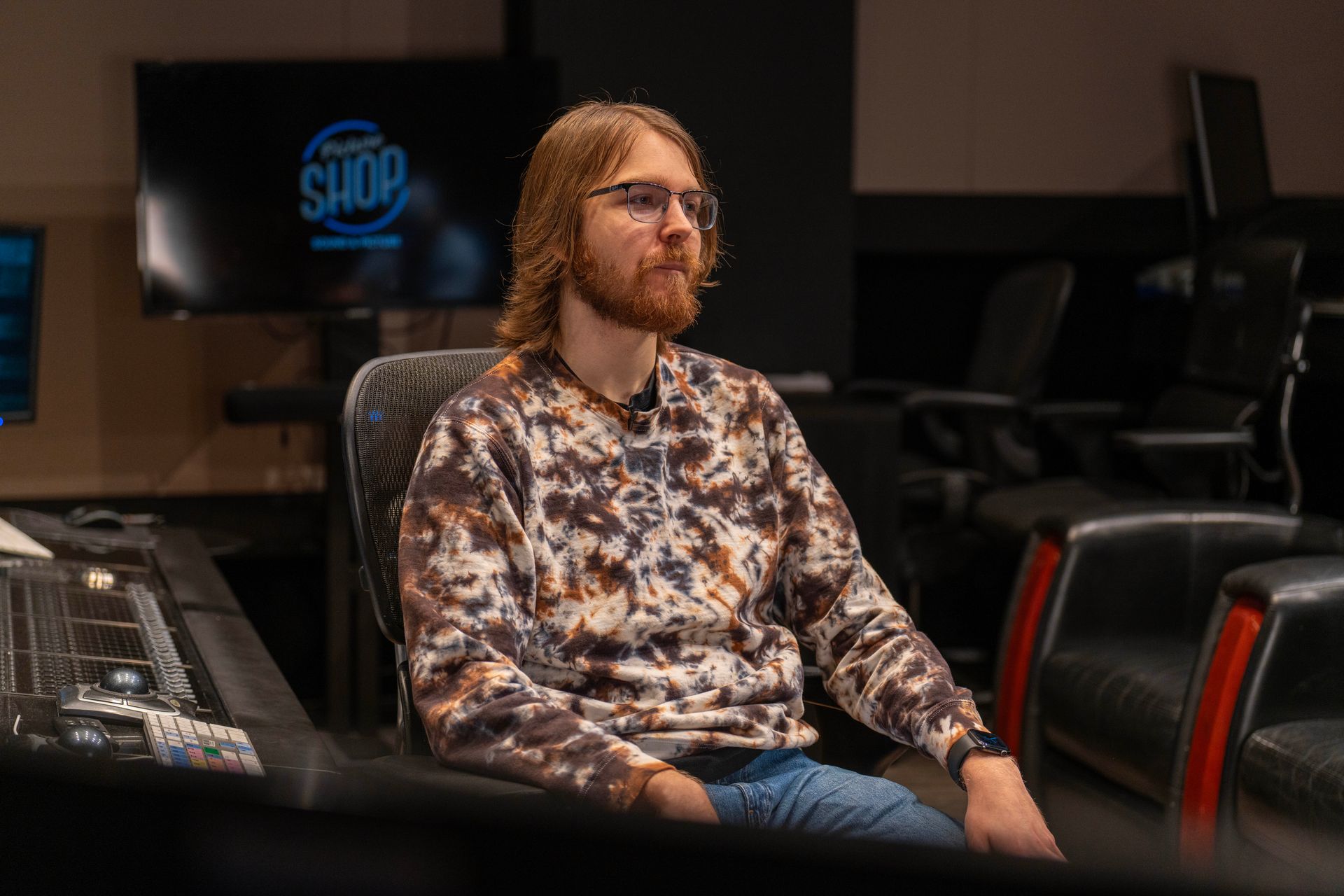
Live Sound & Event Production
When you go to see a show or concert, you're watching the engineers at the mixing console or the pros behind the scenes.
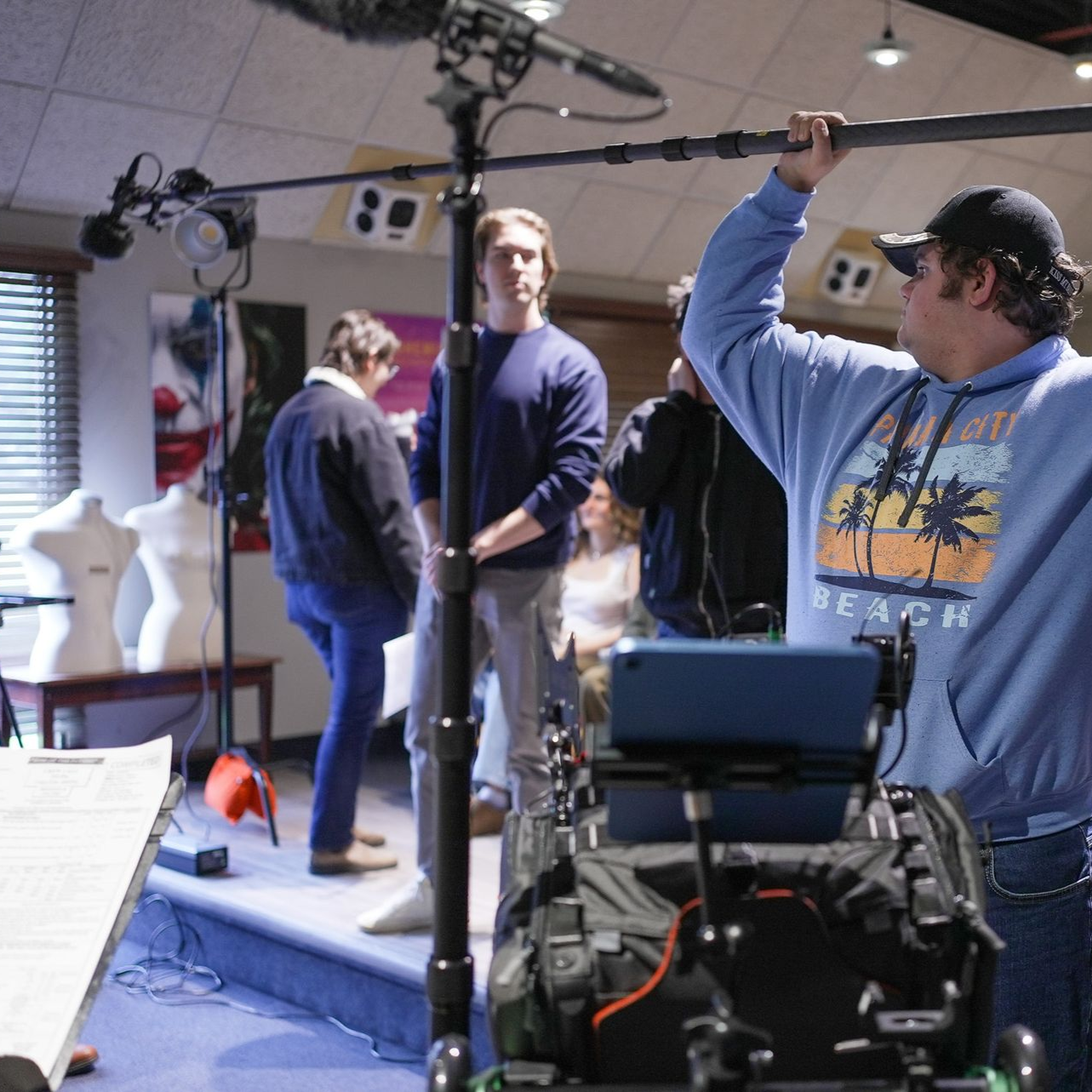
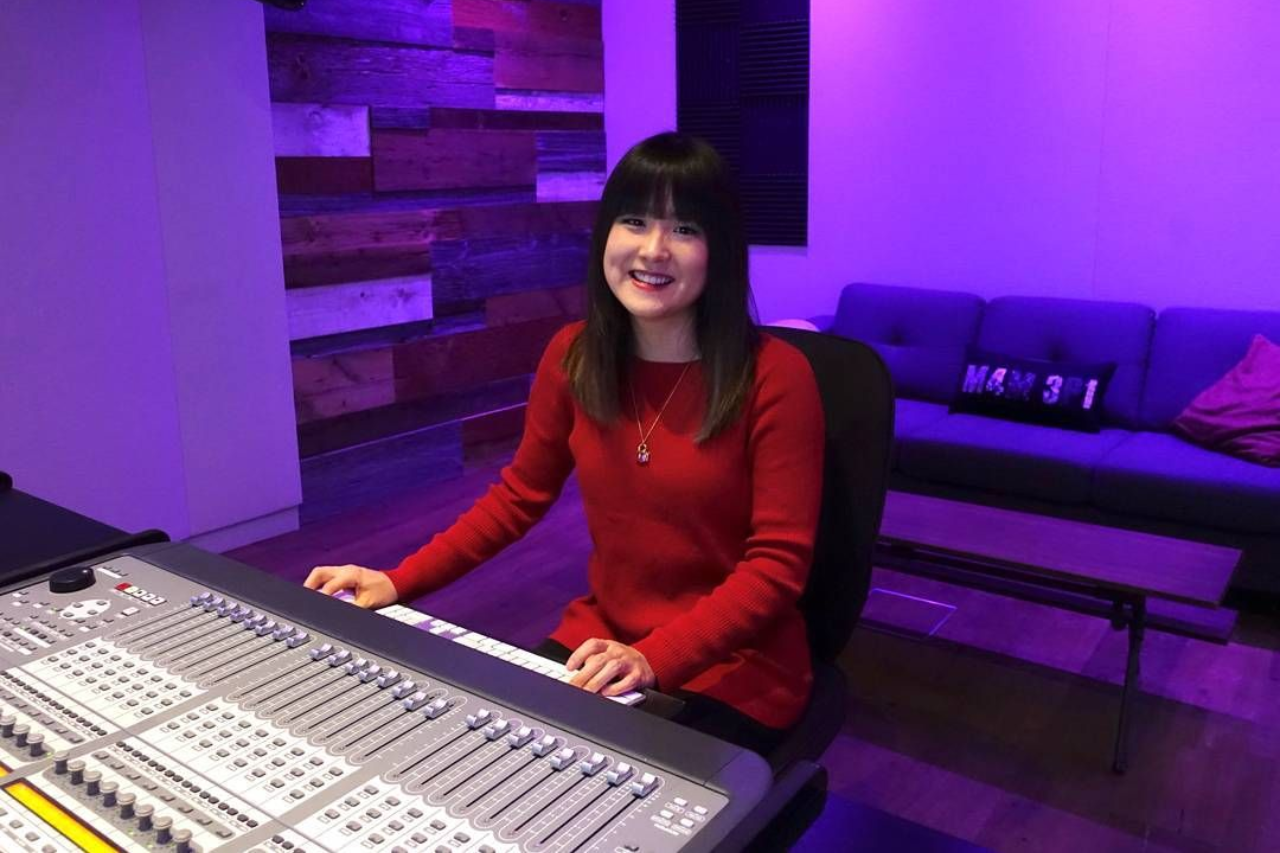
Audio for Visual Media
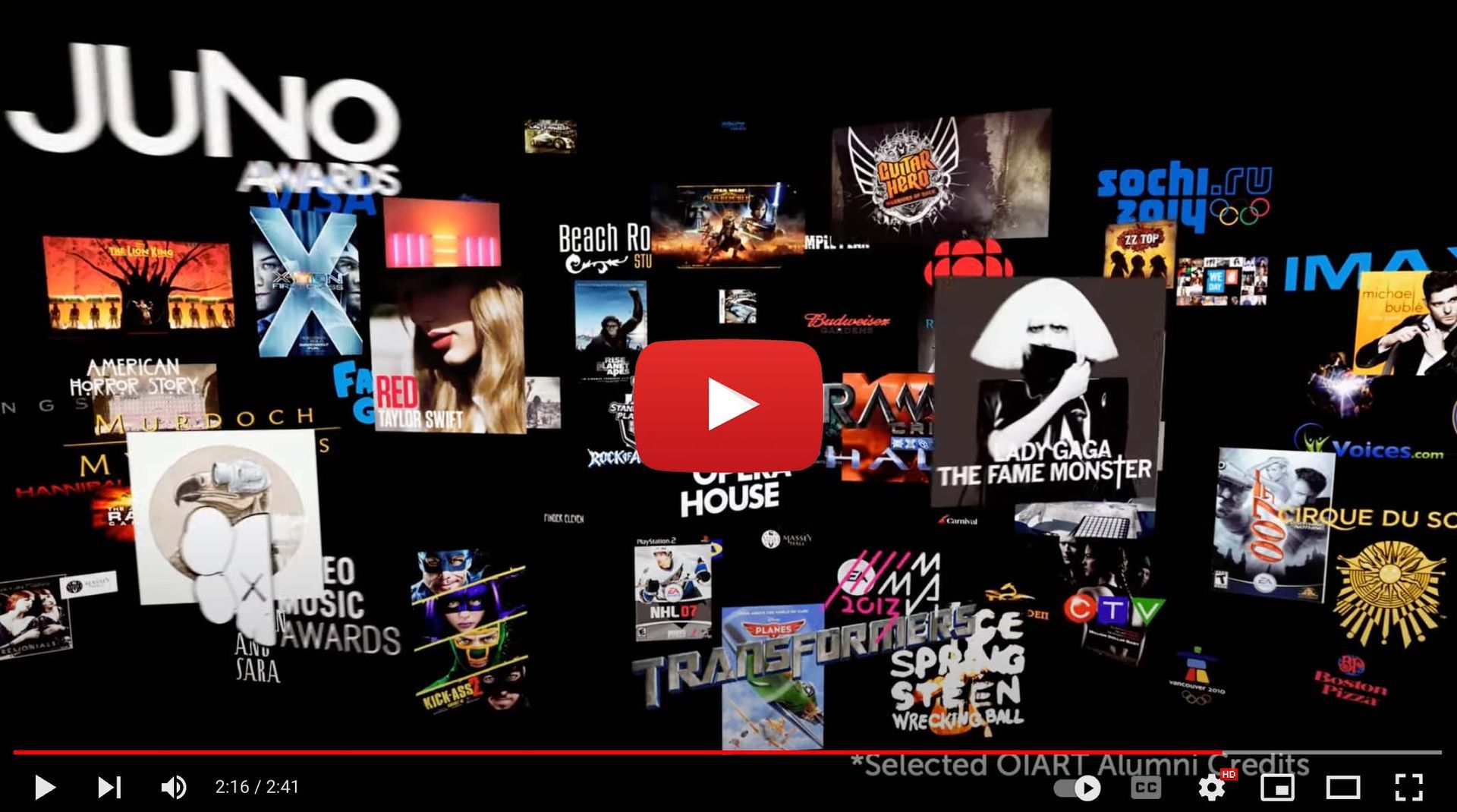
From Much Music video awards to
the Stanley Cup or the Olympics,
OIART grads are there.
What Skills & Techniques Will You Learn at OIART?
OIART's Audio Recording Technology Program is built on nearly 40 years of innovation, evolution, and adaptation to the ever-changing professional audio industry. Combining elements of sound engineering programs, music producer programs, and audio recording courses, we ensure students learn the most current techniques and skills available so they can hit the ground running once they graduate.
Here's a sample of what you can expect to learn in your 11 months at OIART.
Audio & Music Production
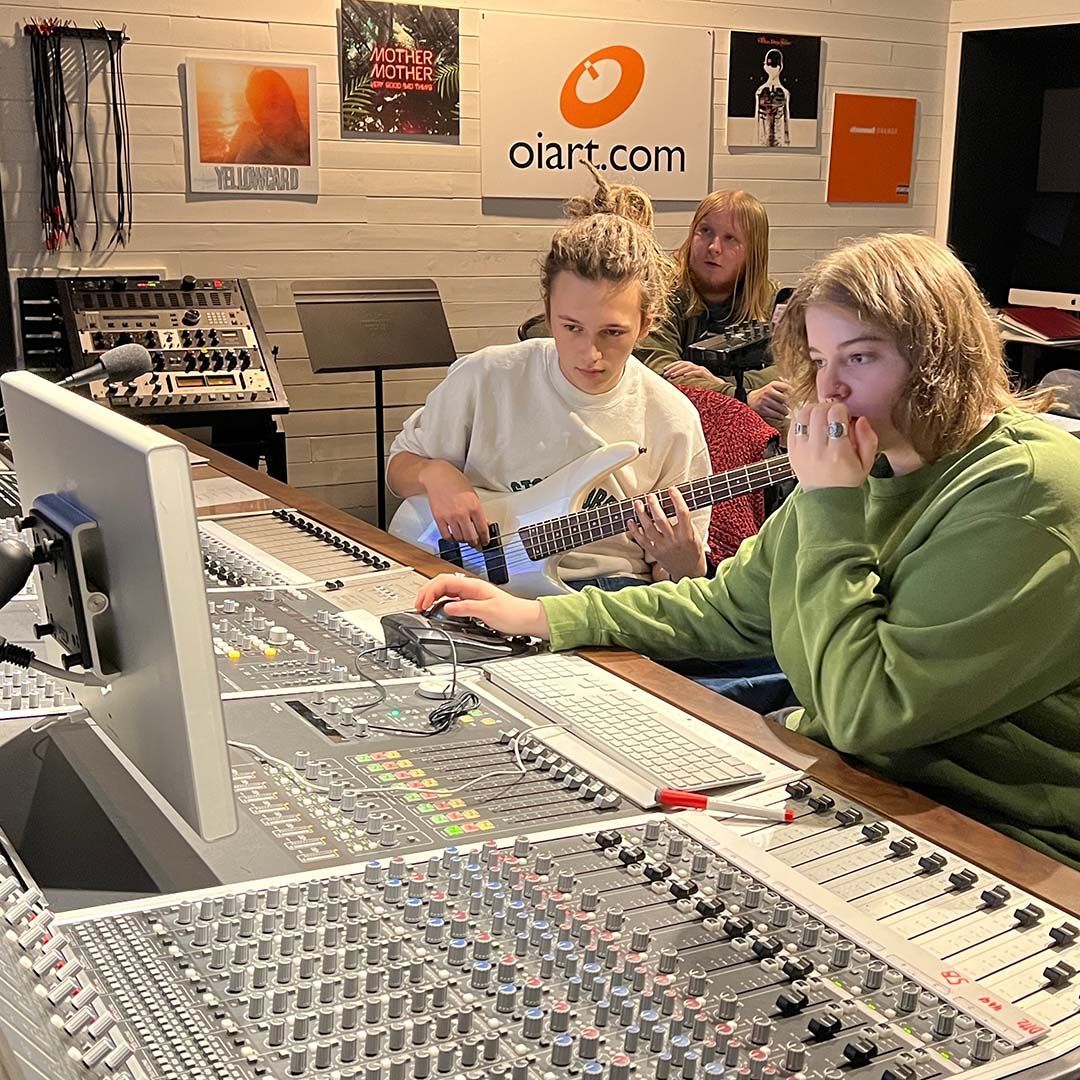
Students learn the fundamental principles of music production, including the concepts of sound and music, and how to use various tools and techniques to create high-quality music productions. Through OIART's hands-on audio recording technology program, students develop the audio and music production skills used by today's audio professionals.
Studio Recording Techniques
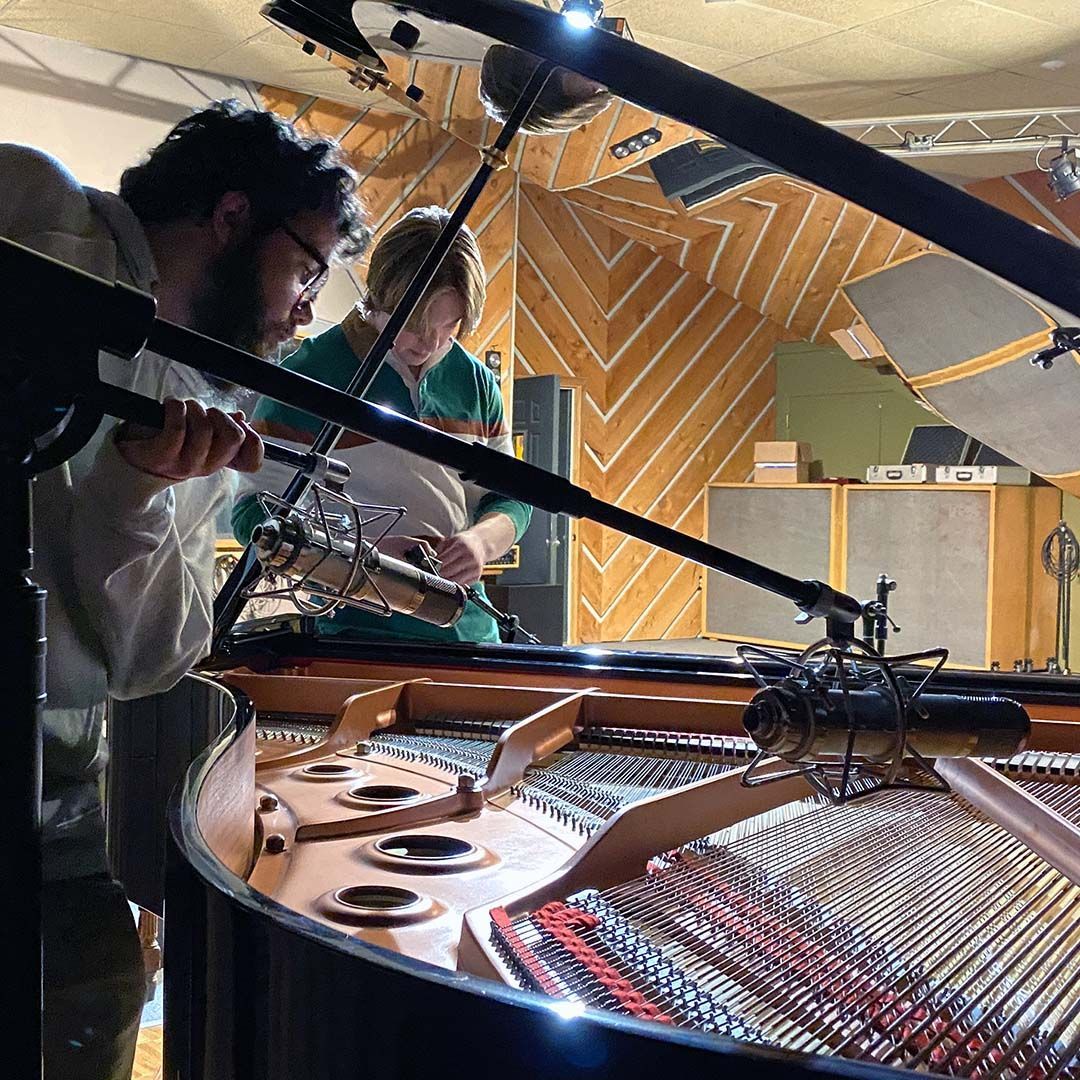
OIART teaches how to use various types of microphones and recording technology to capture high-quality sound in studio environments for our student’s Music Production projects. This hands-on audio recording course provides practical experience with the tools and techniques used in professional studios.
Audio Post-Production
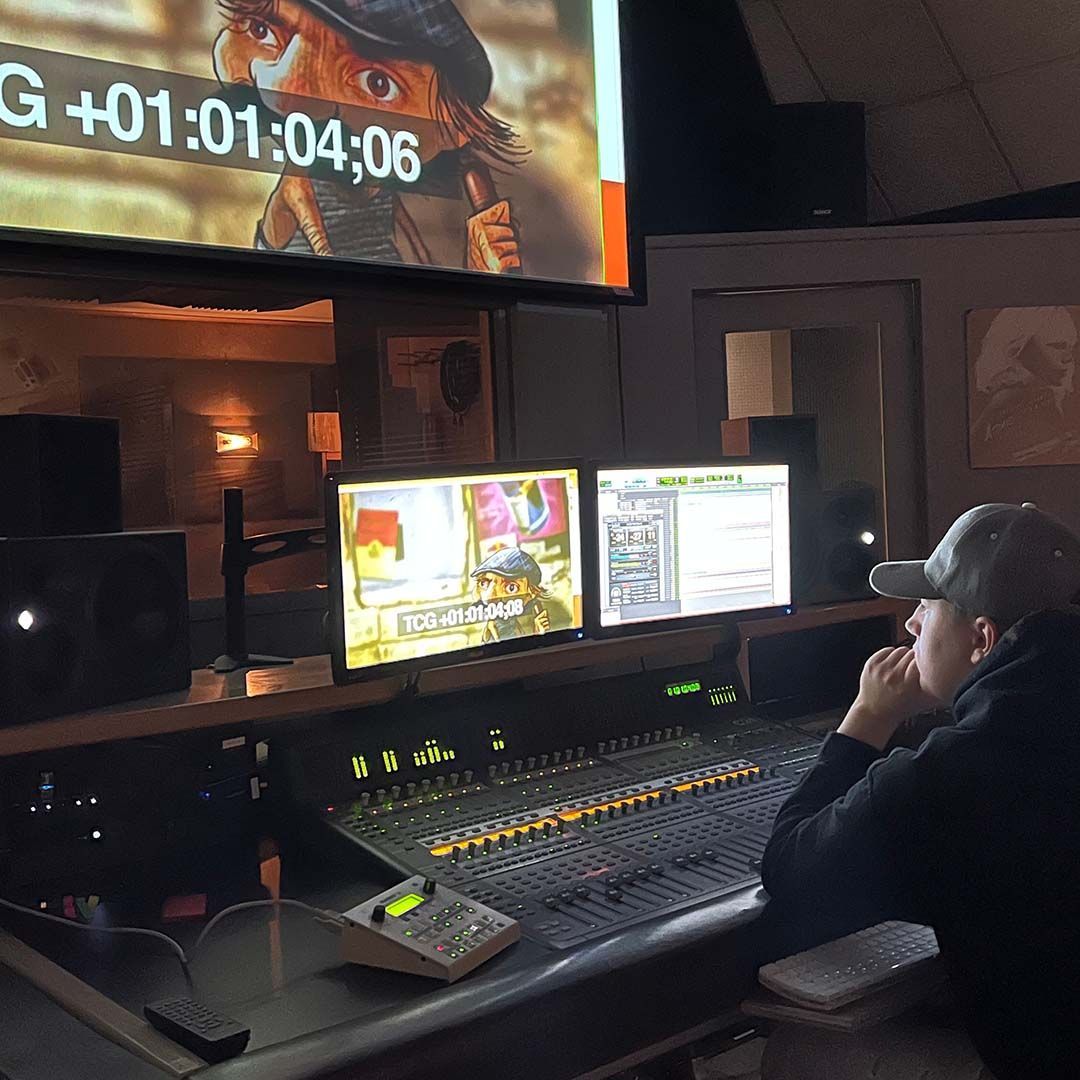
Our students learn how to edit and manipulate recorded audio to create a polished final product, including digital audio editing, sound design, and sound effect creation. Through OIART's audio recording technology program for audio engineering, students gain practical post-production experience using professional tools and workflows.
Location Sound Recording
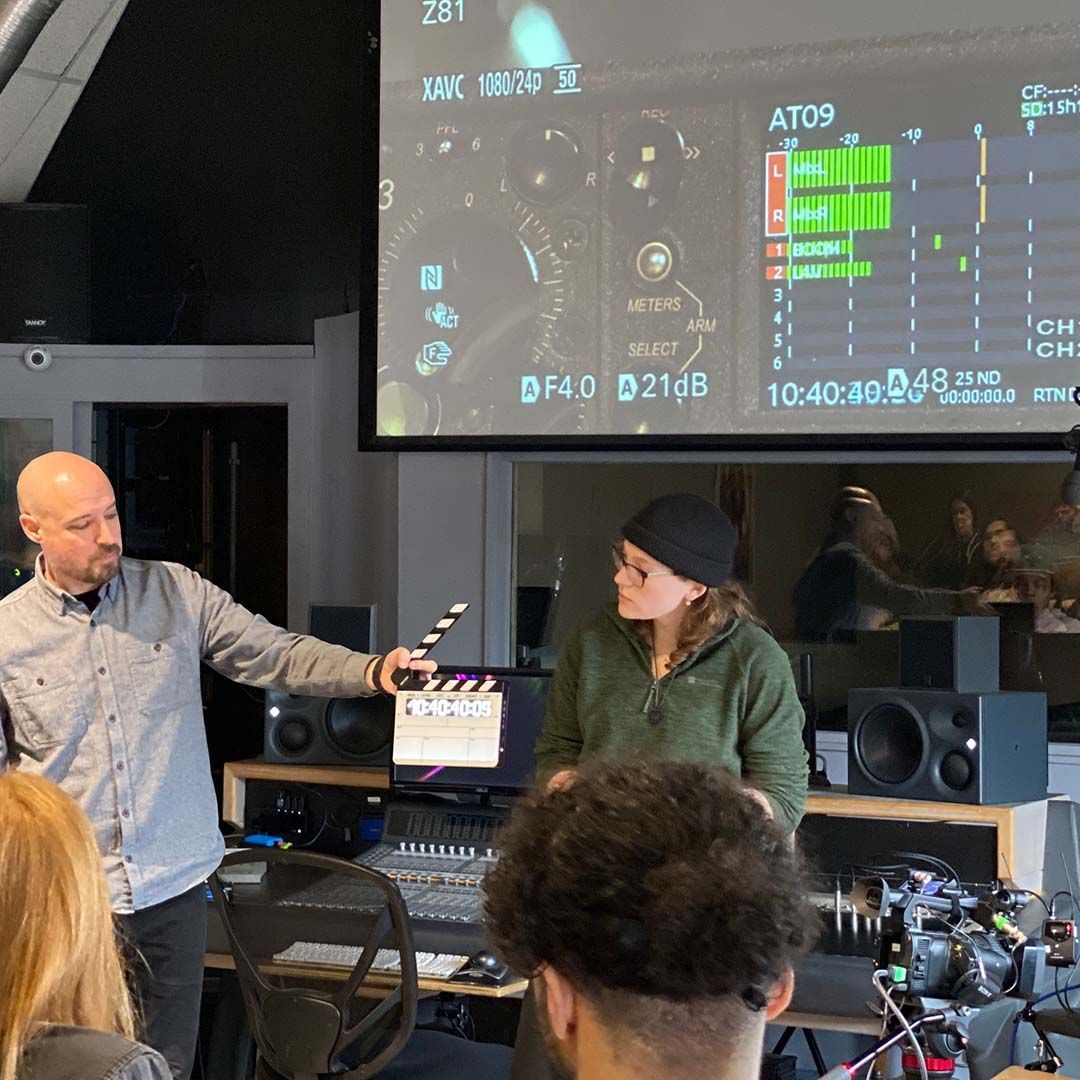
Using industry-leading audio technology, learn to capture high-quality sound in real-world environments, including field recording and location sound recording techniques. These skills are developed throughout OIART's hands-on audio recording course and sound engineering course, giving students practical experience beyond the studio.
Audio Consoles & Signal Flow
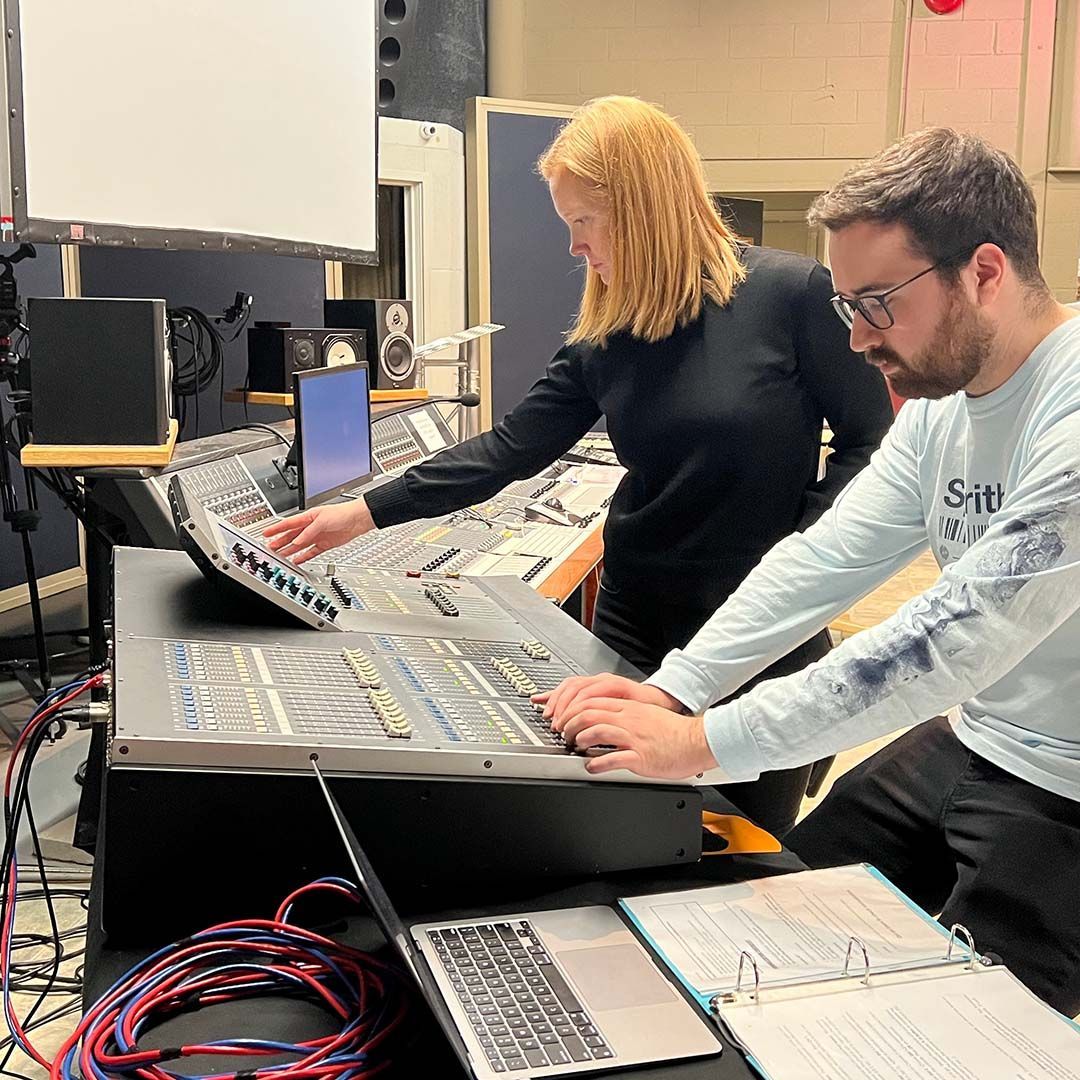
Learn how to use audio consoles to route and process audio signals, including signal flow and mixing techniques for studio recording and live events. As part of OIART's hands-on sound engineering course, students develop the technical skills needed to work confidently in professional audio environments.
Mastering
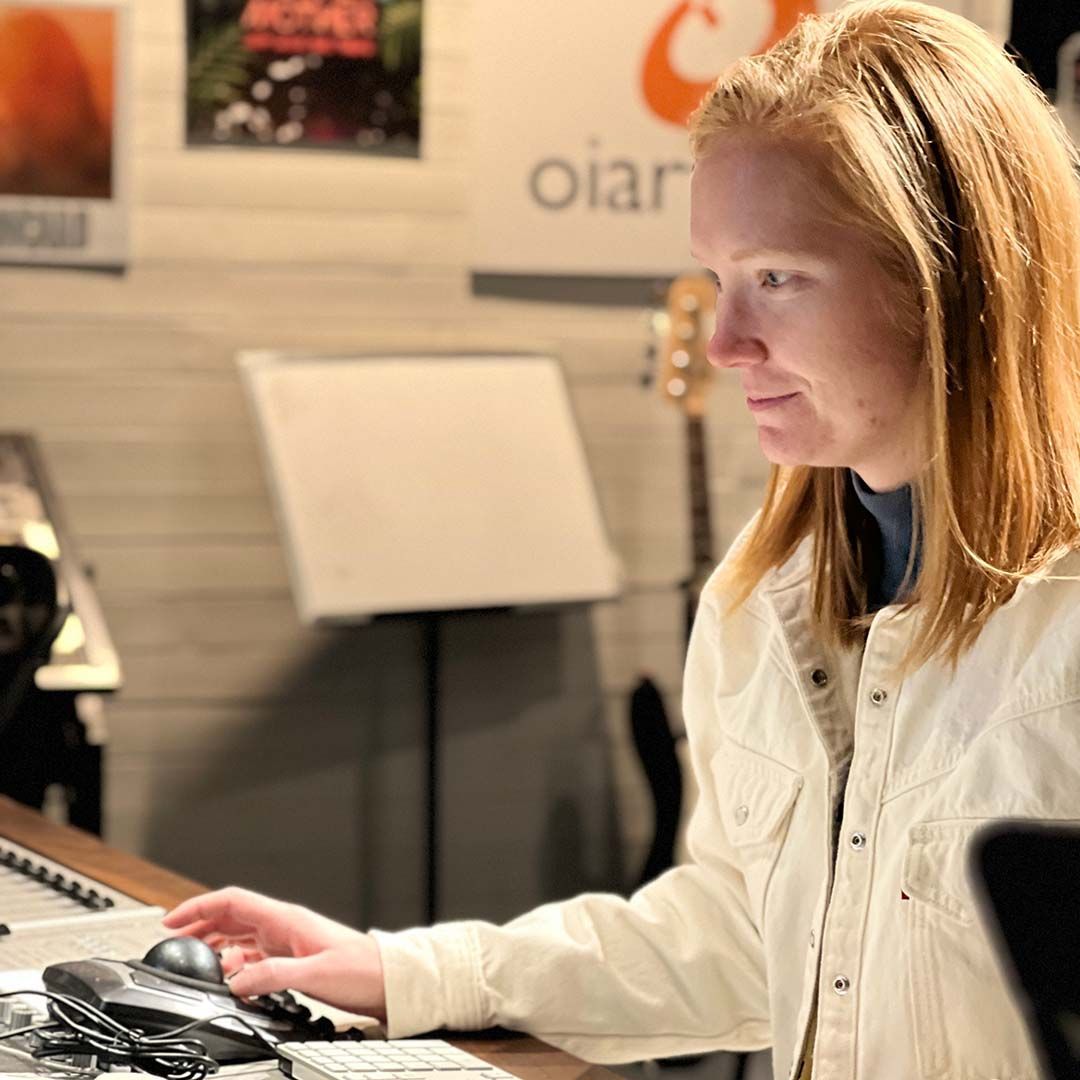
Learn how to use mastering tools and techniques to prepare audio for distribution. his important aspect of music engineering helps students optimize recordings for clarity, consistency, and playback across different listening platforms.
Soldering
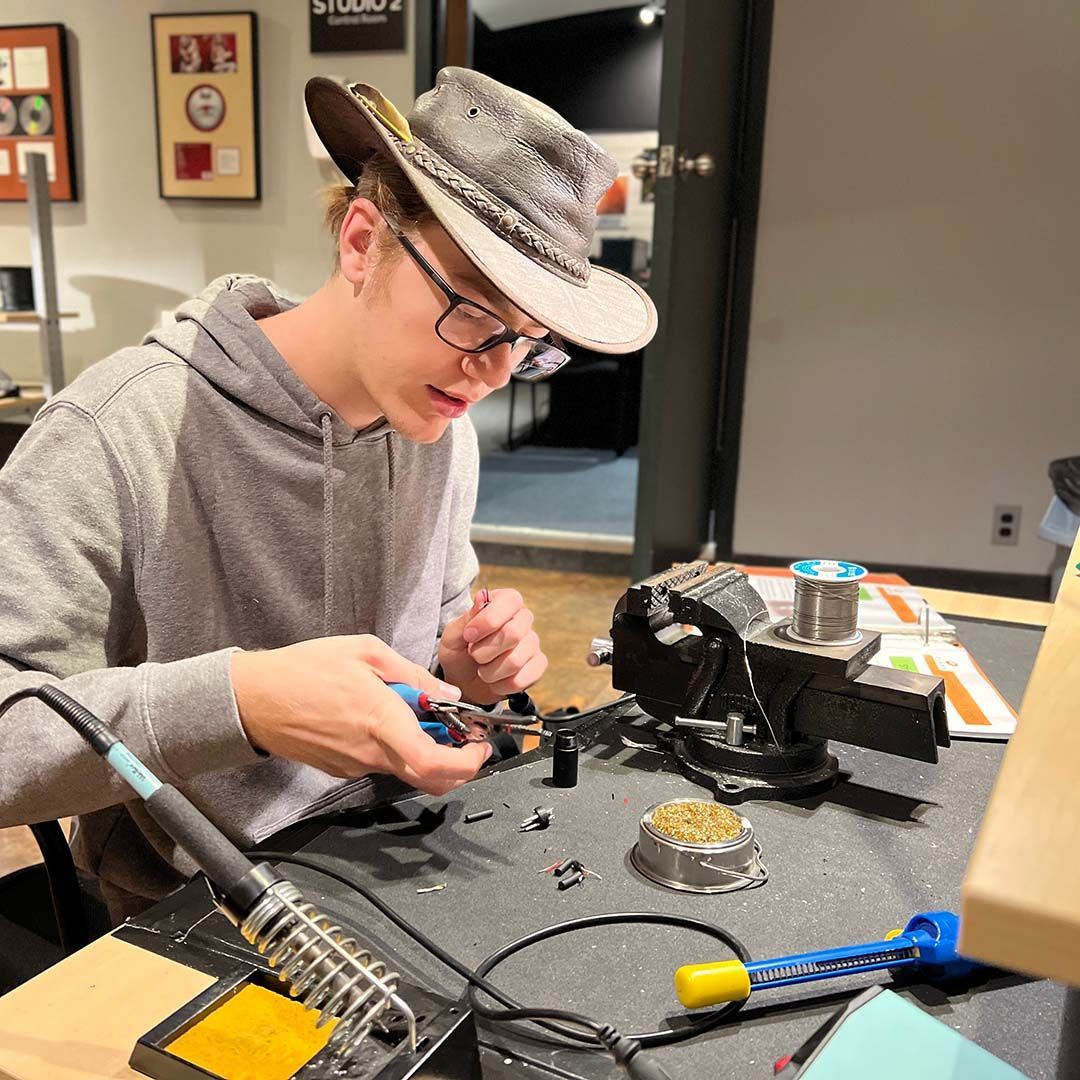
Our students have access to multiple soldering and electronics stations to practice soldering and do their own audio equipment builds and repairs. These technical skills complement the training students receive throughout our audio recording technology program for sound engineering.
Front of House, Monitor and Broadcast Mixing
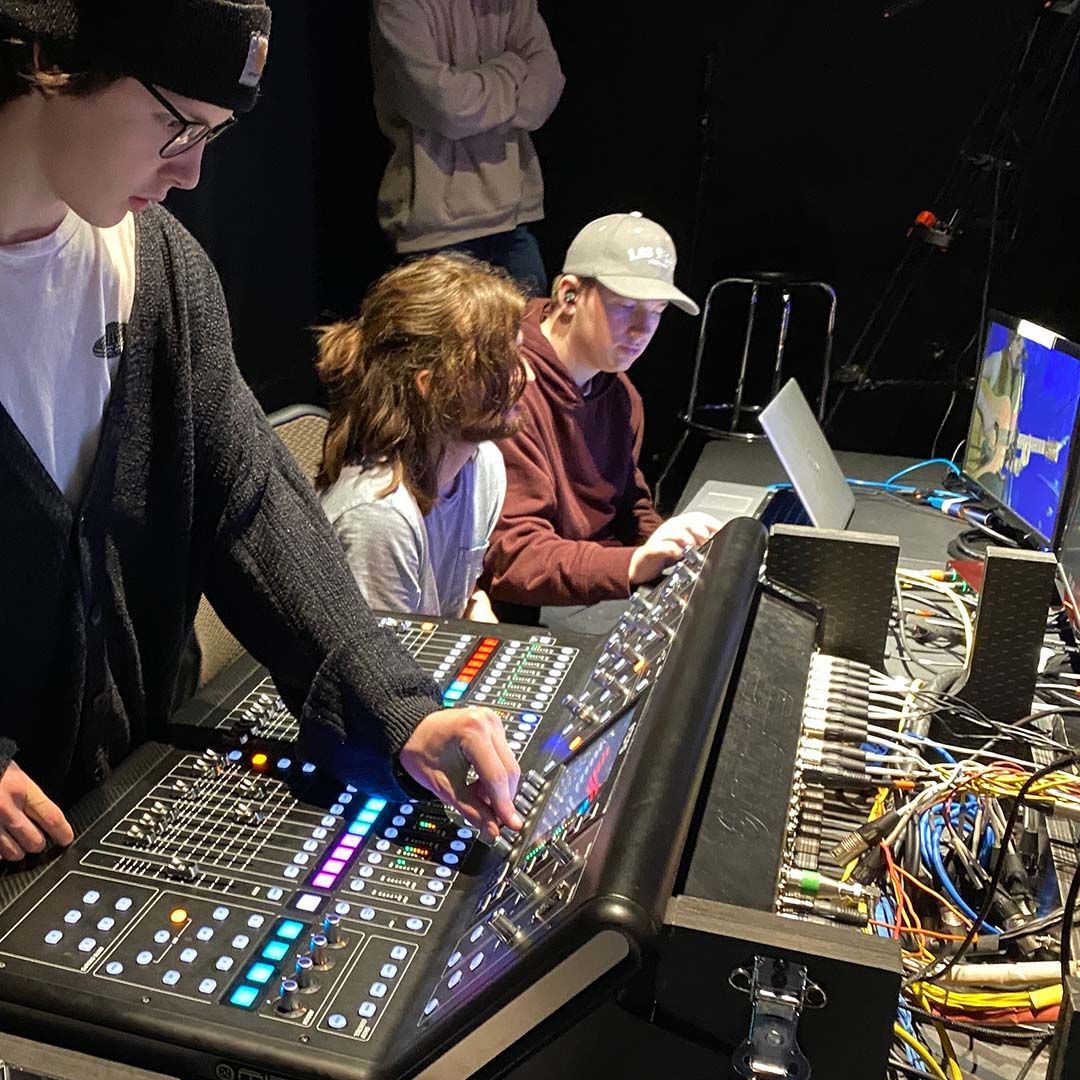
Learn to process audio using analog and digital consoles to mix and balance sound for live events, including front of house, monitor and broadcast mixing. Students develop hands-on skills commonly taught in live sound engineering courses, preparing them for professional live production environments.
Acoustic Measurements and Treatment
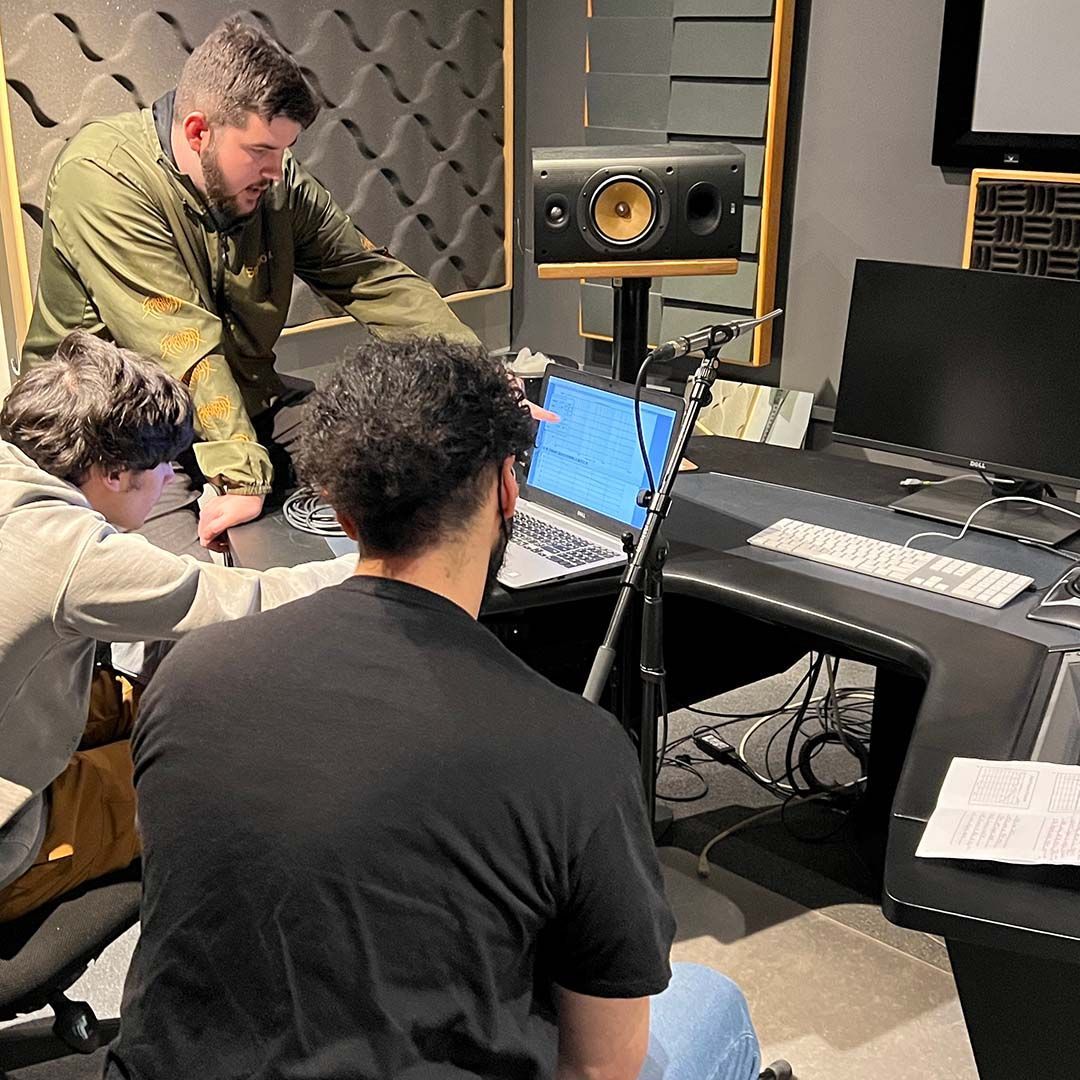
Measure and analyze acoustic properties of various environments and how to treat those environments to achieve optimal sound quality. Through OIART's program for sound engineering, students learn how acoustics influence recording, mixing, and live sound performance.
Live Streaming & Content Creation
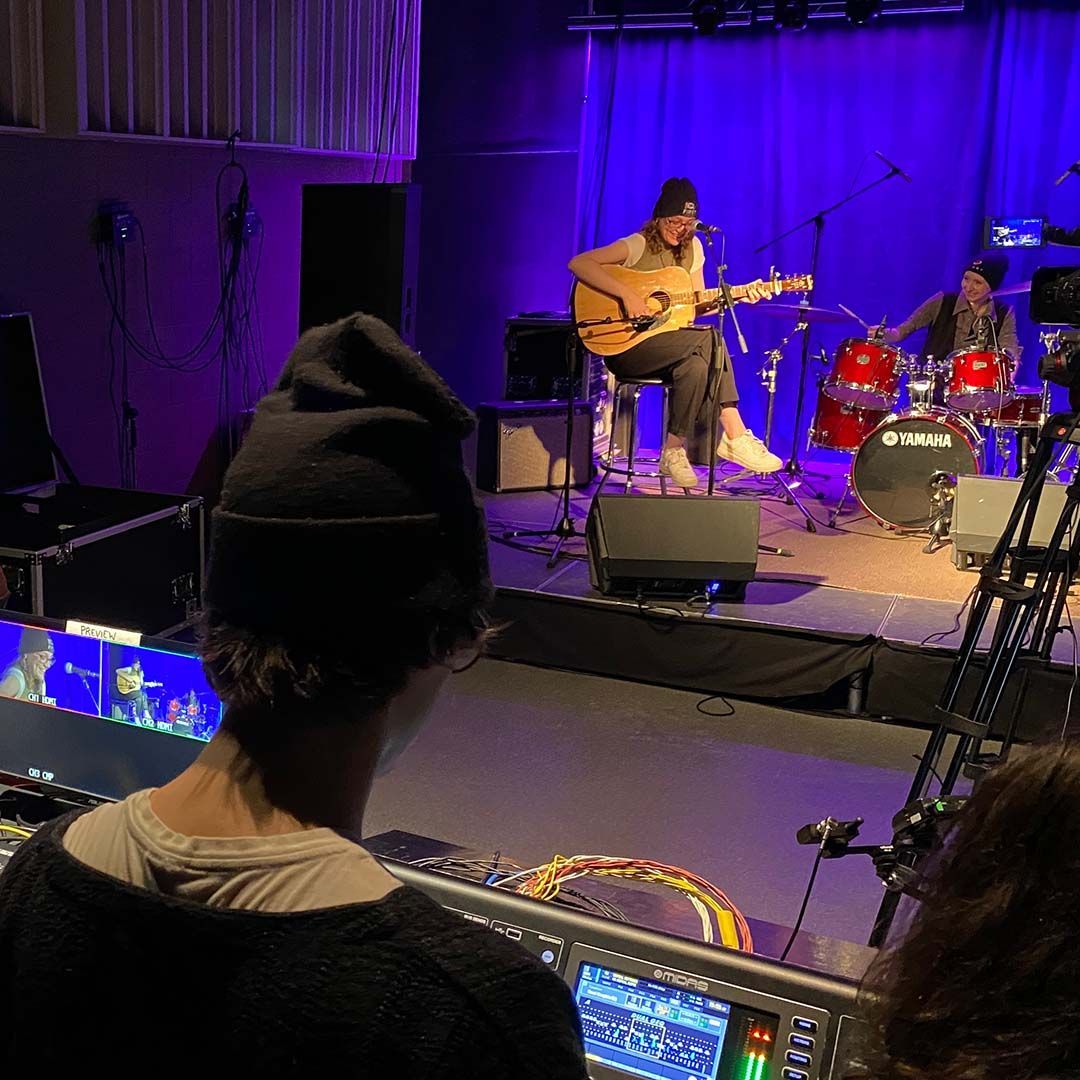
Our students learn to produce high-quality audio for live streaming and content creation, including stage and lighting design for YouTube, Concerts and Corporate AV. Students develop skills commonly taught in live sound engineering courses, while gaining experience with modern content creation workflows.
Music Theory
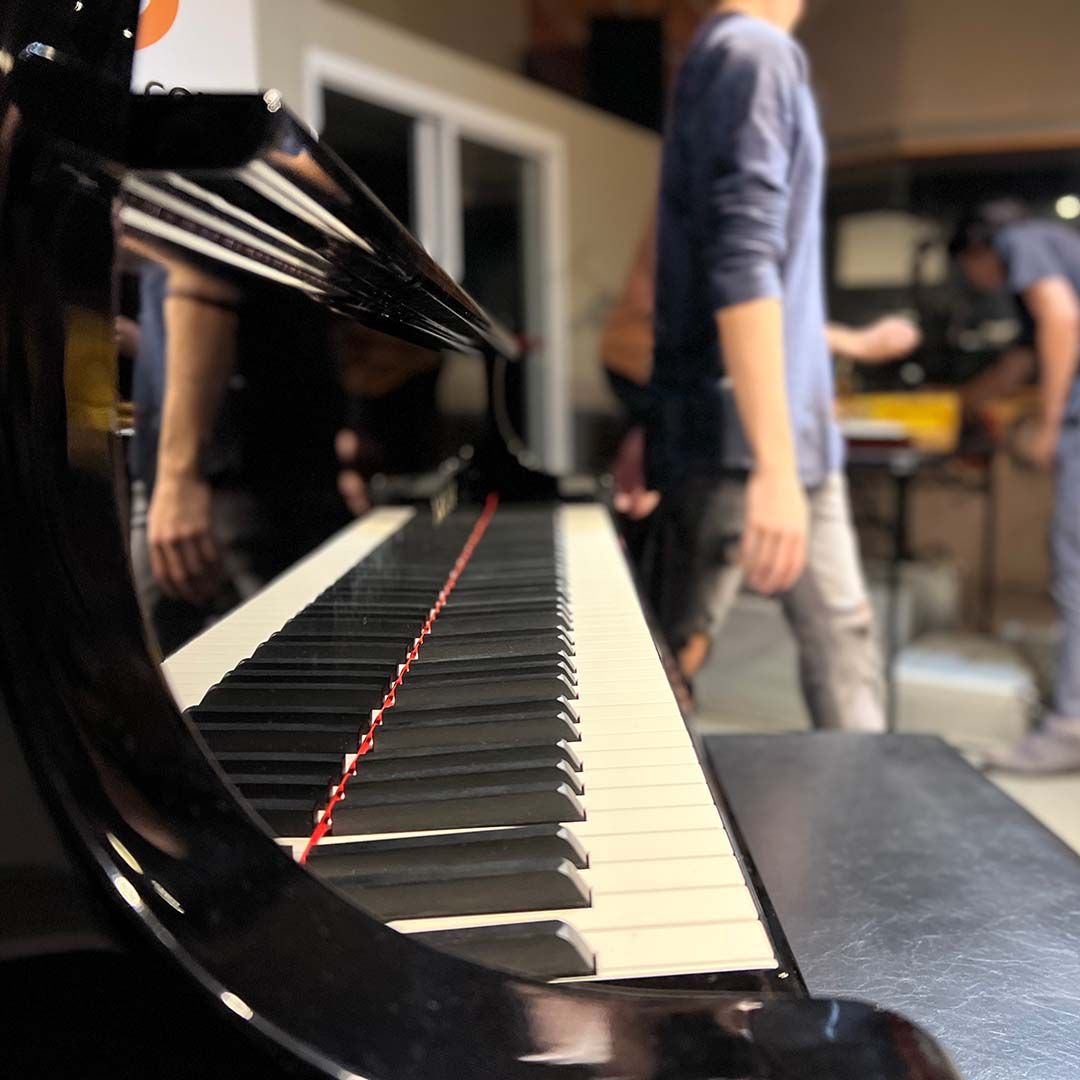
Students learn the fundamental principles of music theory, including harmony, rhythm, and melody. This foundation supports their growth in music engineering, helping them make stronger creative and technical decisions in the studio.
Audio for Film and TV
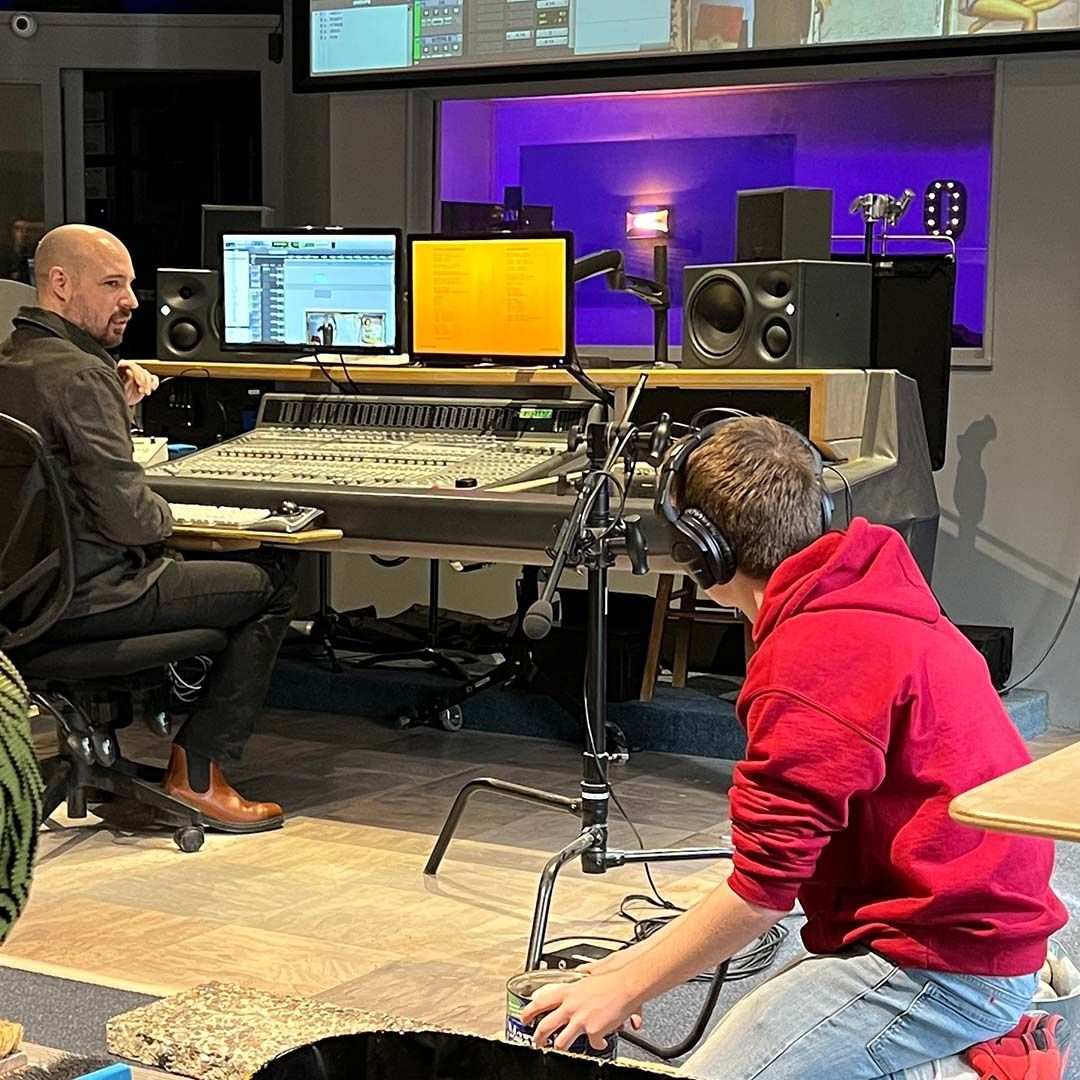
Learn how to capture and edit audio for film and television, including dialogue recording, Foley, sound effects, and music composition. Through OIART's audio recording course, students gain hands-on experience creating professional audio for film, television, and other visual media.
MIDI Programming
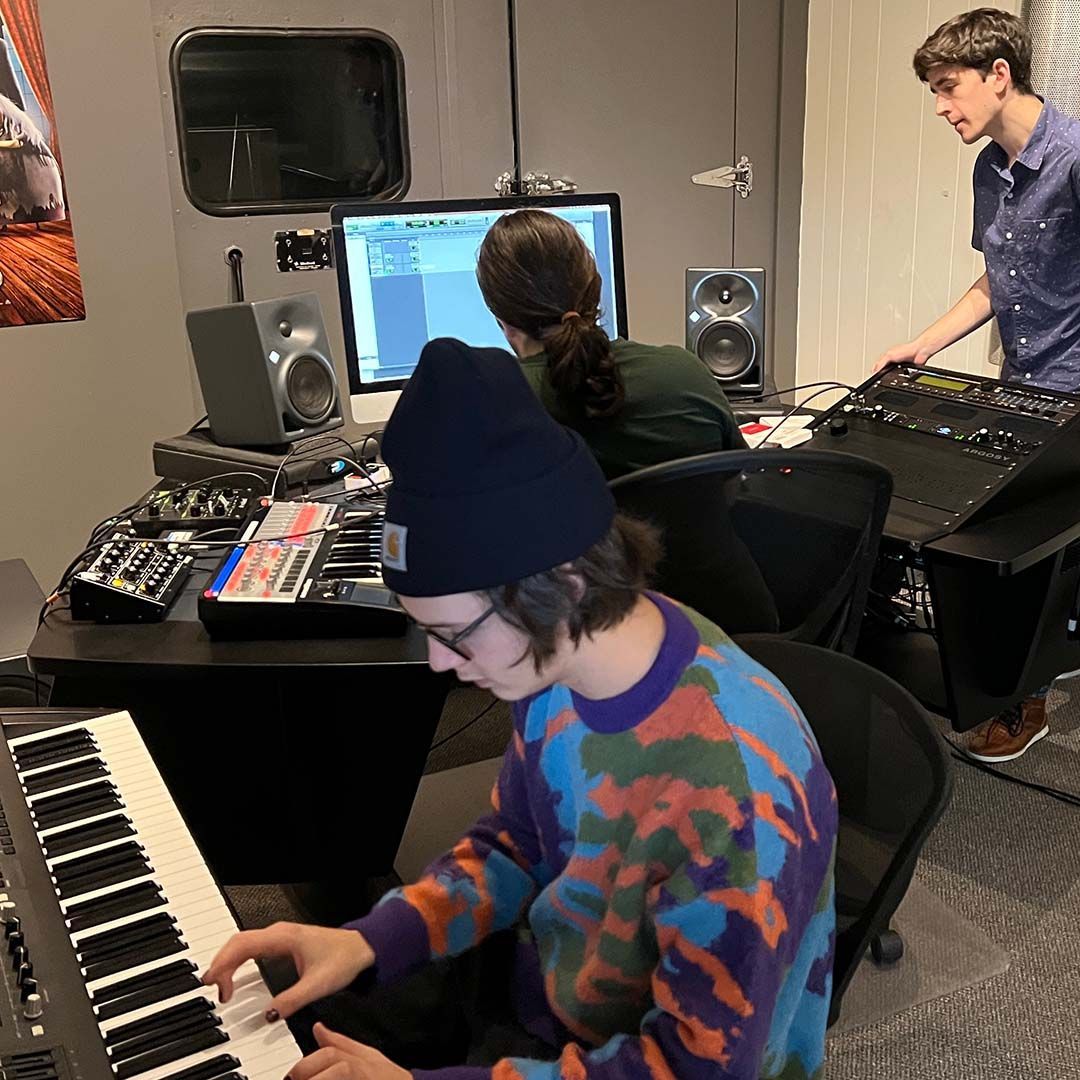
Understand how to program and sequence music using MIDI (Musical Instrument Digital Interface) software and hardware. As part of OIART's program for music producer's, students learn how to create, arrange, and control virtual instruments using industry-standard production tools.
Audio Equipment Maintenance
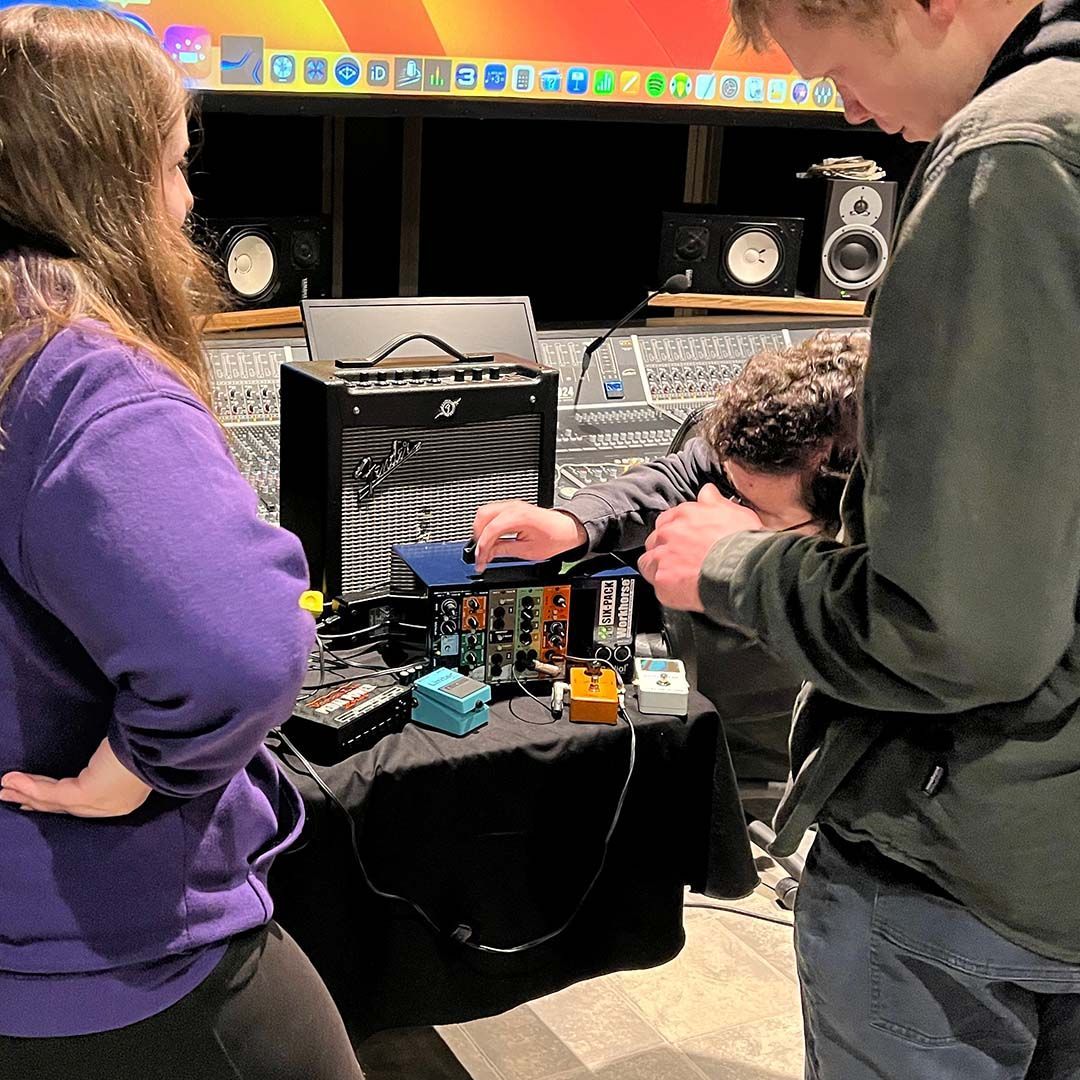
Students learn how to maintain and repair various types of audio equipment, including microphones, amplifiers, pedals and outboard electronics. OIART's program for sound engineering provides students with real-world technical skills that translate directly to industry applications.
Live Sound Reinforcement
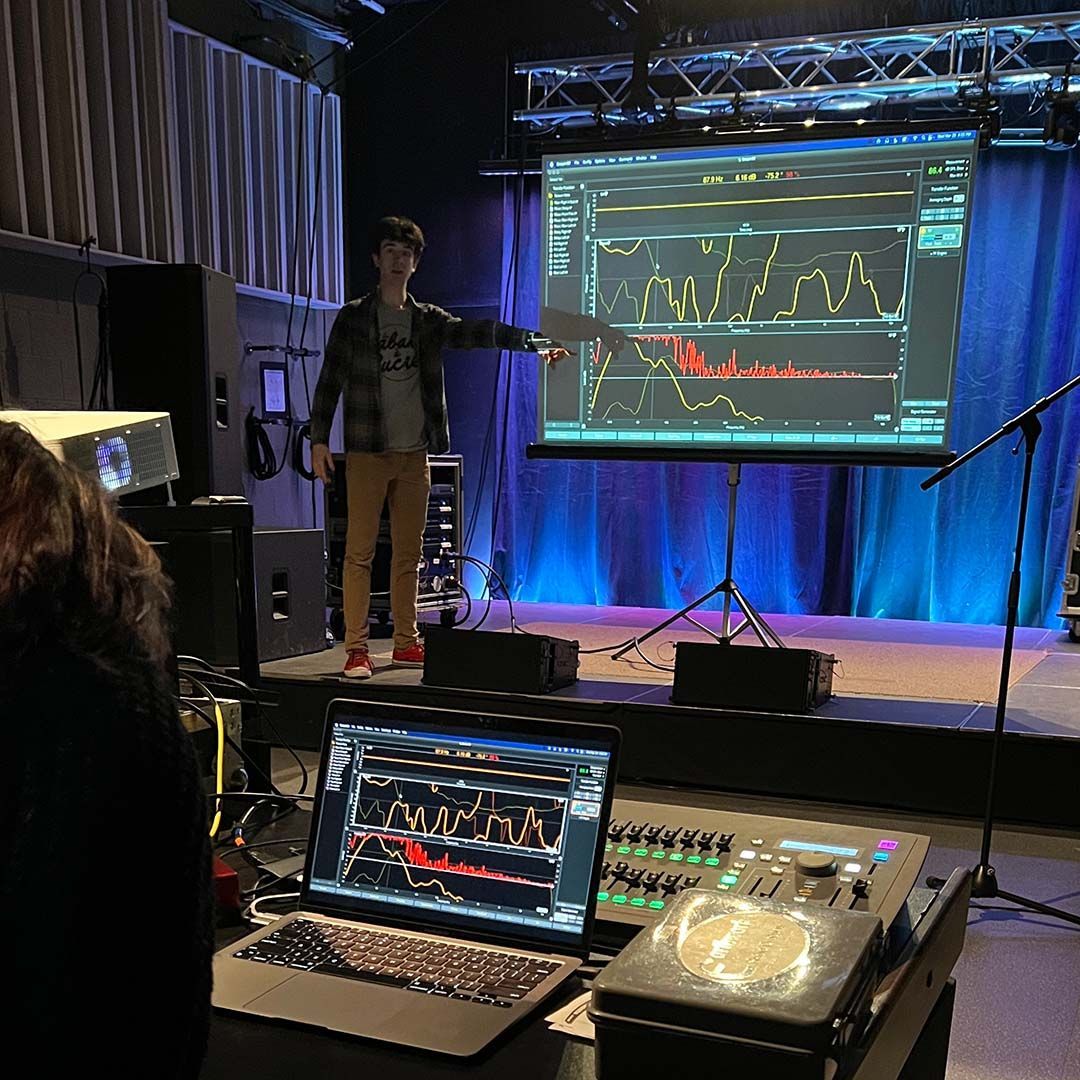
How to set up and operate sound systems for live events, including large-scale concerts, corporate events, and other live performances. Students gain hands-on experience with the skills and workflows commonly taught in live sound engineering courses, preparing them for real-world production environments.
Live Stage Setup
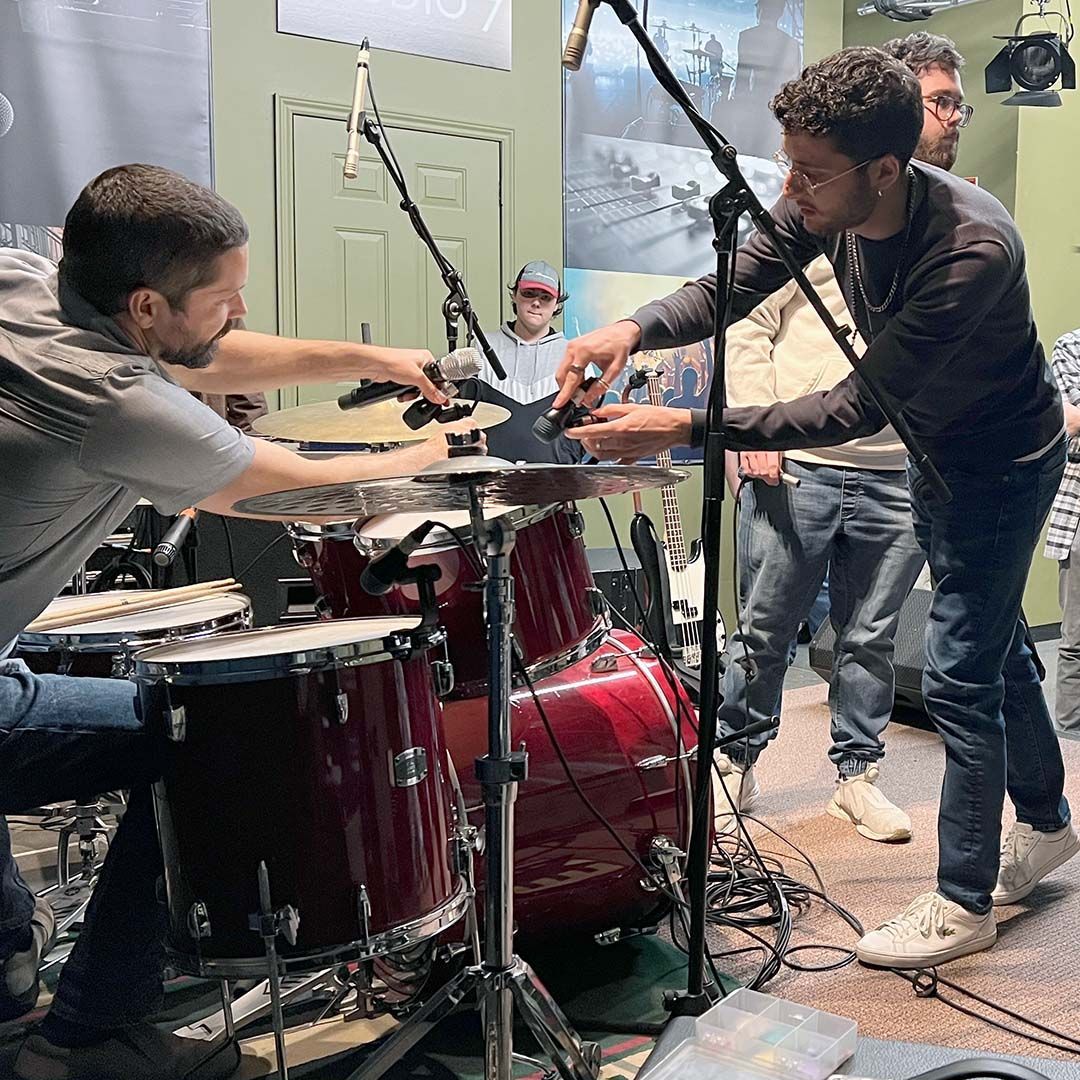
OIART students learn how to wire and set up for live performances from small venues to arena-size shows. Students gain essential setup practices used before the audience ever hears the first note, building a foundation for work in live sound engineering courses and professional event production.
Develop & Demonstrate In-Demand Skill Sets
Our sound engineering course doesn't force you to make career-limiting decisions in a single audio discipline. Instead, students gain experience across audio recording, live sound, post-production, and music engineering all within one comprehensive program.
IN A LEAGUE OF IT'S OWN
Comparing OIART's Audio Recording Technology Program vs. Other Programs.
OIART has the best employment rates, completion rates, and graduate satisfaction rates of all audio engineering schools in Ontario, Canada.* Our in-depth training combines audio recording, live sound, post-production, and music engineering courses all within one comprehensive program, helping us consistently rank ahead of music production schools in Toronto like RAC, Harris, Trebas, and Metalworks year after year. For our students, music isn’t just an interest or a career aspiration, it’s a lifestyle. Apply today and see why ➔
*Employment rate in field of study six months after graduation. All statements regarding program performance such as Top, Rated the Best and #1 are based on the latest KPI survey results comparing each campus's Music Production and Recording Arts Technology program. OIART: Audio Recording Technology Program. RAC: Sound & Music Recording. Harris Institute: Audio Production Program. Metalworks Institute: Audio Production & Engineering. Trebas: Audio Engineering and Production/DJ Arts. Fanshawe: Music Arts Industry. These institutions represent some of Ontario's leading audio engineer schools and audio education providers included in the comparison.
YOU GOT QUESTIONS, WE GOT ANSWERS
Frequently Asked Questions
How long is the program?
Apply NowThere is only 1 music production course that runs every year starting every September and finishing in July. It is an 11 month (46 weeks) diploma program with over 1300 hours, 650 of which are hands-on experience in studios. Compared to many music producing schools, OIART has a maximum enrollment of 68 students per year, creating true small class sizes with unprecedented access to faculty and facilities.
Spots fill up fast. Don't miss out on your chance to enroll next year.
What is the curriculum?
Our curriculum and project content is designed in close consultation with numerous employers and our alumni network of working industry professionals for maximum employability. Our program is designed to help students build the technical, creative, and professional music engineering skills needed for a successful career in audio.
OIART's Audio Recording Technology Program Content Includes:
- Music Production
- Audio Engineering
- Audio Recording
- Music Recording
- Live Sound & Event Production
- Sound Design
- Mixing and Mastering
- Signal Processing
- Music Theory
- Lighting Design
- Video Production
- Rigging
- Audio for Video Games
- Content Creation for YouTube
- All Modern Recording Techniques
- Location Recording
- Audio Post Production
- Synthesis
- Acoustics
- MIDI
- Music Business
- Networking
- Resumes and Job Interviews
- Entrepreneurship & Self Employment
What are the on-site facilities?
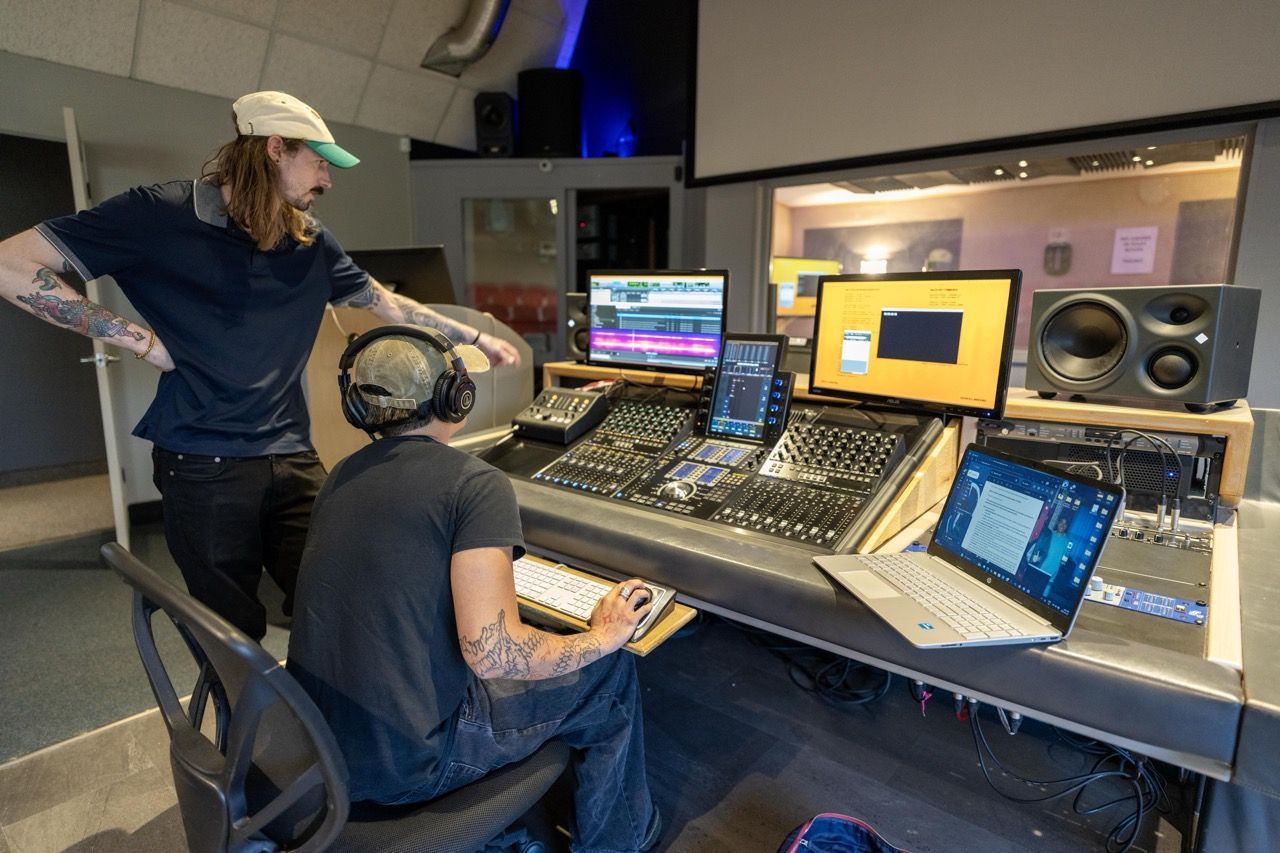
OIART is a unique and engaging enviroment consisting of eight fully equipped professional studio spaces. All studios are located within our campus and designed to replicate a professional working environment. Students can expect to be using our student-dedicated studios within the 1st week of the program and after 11 months you will have over 650 hands-on hours in our 8 studios. This immersive studio experience helps distinguish OIART from many audio recording courses and traditional classroom-based programs.
Each of our classrooms combine a working studio environment with comfortable theatre-style seating. Classroom tools resemble the ones used throughout OIART facilities, so that you learn on what you use. Hands-on practical studio experience is crucial to the OIART experience and you spend every second of it – in small groups of no more than 4 students at a time — in our extensive on-site facilities.
What equipment will I be using?
Not all recording studios are created equal. In the real world, you’ll find everything from classic retro studios with analog tape machines to state-of-the art digital playgrounds, and from large-format world class studios to intimate production spaces.
OIART offers it's students industry representative equipment giving them experience with the new and the old. Whether your asked to record drums through an analog console into Pro Tools or write a melodic hook in Ableton Live, each of the above studio design philosophies are represented by our creative spaces and prepare our students for the real world.
This exposure to professional tools and workflows is one of the many ways OIART stands apart from other music producing schools, helping students build confidence with the equipment used throughout the industry.
Some of the software you'll use at OIART includes:
- Pro Tools
- Ableton Live
- VCV Rack
- SMAART (Rational Acoustics)
- iZotope
- Reaper
- Logic Pro X
- PreSonus Studio One
- Auto Align Post 2
- Ease Focus
- Vista
- Q Lab
- OBS
Some of the hardware you'll use at OIART includes:
- Empirical Labs
- Eventide
- Focusrite
- GML
- Lexicon
- Neve
- Solid State Logic
- Audient
- Universal Audio
- Urei
- Pro Tools HDX
- Sound Devices
- Wisycom
- Sennheiser
Why is OIART the only program of it's kind?
OIART's Audio Recording Technology Program is the only program of its kind, preparing students to enter virtually any field in the audio industry. Unlike other audio engineering and music production programs, students attending OIART will gain experience across recording, live sound, post-production, audio for visual media, and content creation. Diversification is key to employment in today's audio industry, and the unique design of our program allows for career changes or transitions between different audio fields.
How will OIART help me with a career?
OIART helps you launch your career with practical training in career management, networking, job prep, and entrepreneurship—so you graduate ready to find opportunities or create your own.
Career Management
Students learn to manage their audio engineering careers, including navigating professional relationships and job opportunities.
Music Business Networking
Learn techniques to network and connect with industry professionals in the music business.
Resumes and Job Interviews
Create and prepare effective resumes to perform well in job interviews.
Entrepreneurship & Self-Employment
Students learn how to start and run their own audio engineering businesses with lifelong guidance from the OIART faculty and staff.
Is OIART a degree or a diploma program?
Apply NowOIART is an 11-month diploma program for sound engineering, not a 4-year degree. That's by design. A university audio engineering degree typically spreads your training across general electives and academic requirements alongside your technical coursework. OIART skips that and puts you straight into the studio: over 650 hands-on hours across our 8 studios, working the same consoles, DAWs, and signal chains you'll use on the job.
Employers hiring audio engineers care more about your portfolio and what you can actually do behind a console than which credential is on your wall. That's reflected in our outcomes — 80% of OIART grads are employed in the field within six months of graduating, ahead of every other audio program we track in Ontario. If you're weighing a degree against a diploma, it's worth asking which path gets you into the industry faster and with more real studio time behind you.
Why Should You Choose to Attend OIART?
While many resources are available for learning audio engineering and music production, attending our audio recording and live sound engineering course offers several advantages that cannot be found elsewhere. Whether you're comparing audio engineer schools, researching music producing schools, or exploring different paths into the industry, OIART provides the guidance, mentorship, and practical experience needed to build real-world skills. With small class sizes, direct access to industry-active instructors, and over 650 hours of hands-on studio training, students learn by doing rather than simply studying theory. The result is a more immersive learning experience that helps prepare graduates for a wide range of careers across the audio industry.
Hear From Our Alumni
Our Industry Insights blog helps students, graduates, and audio professionals stay connected to the industry. From career advice and studio techniques to emerging technologies, industry trends, and alumni success stories, you'll find valuable resources whether you're exploring audio engineer schools, researching music producer programs, considering a music engineering course, or looking to expand your knowledge and skills as an audio professional.