Michelle Hwu - Alumni Spotlight

Jeremy Alves | July 2, 2026

From OIART to Game Audio: Michelle Hwu’s Career in Sound Design

Michelle Hwu’s career is a great example of how audio can lead in directions you might not expect.


A 2015 graduate of OIART, Michelle has built a career across post-production and game audio, working as a Sound Designer and Audio Engineer with experience in recording, sound design, voice design, audio integration, environmental audio, adaptive music, and final mixing.


Her path has included post-production work, Ubisoft Toronto, indie game studios, and most recently helping shape the audio for Ambrosia Sky at Soft Rains.


It was not a straight line, and that is part of what makes her story so valuable.


“It was kind of unexpected where I ended up, from post-production into games,” Michelle says. “It’s kind of a squiggly path how that happened.”


🎥 Watch my journey with OIART and see how it changed my life!
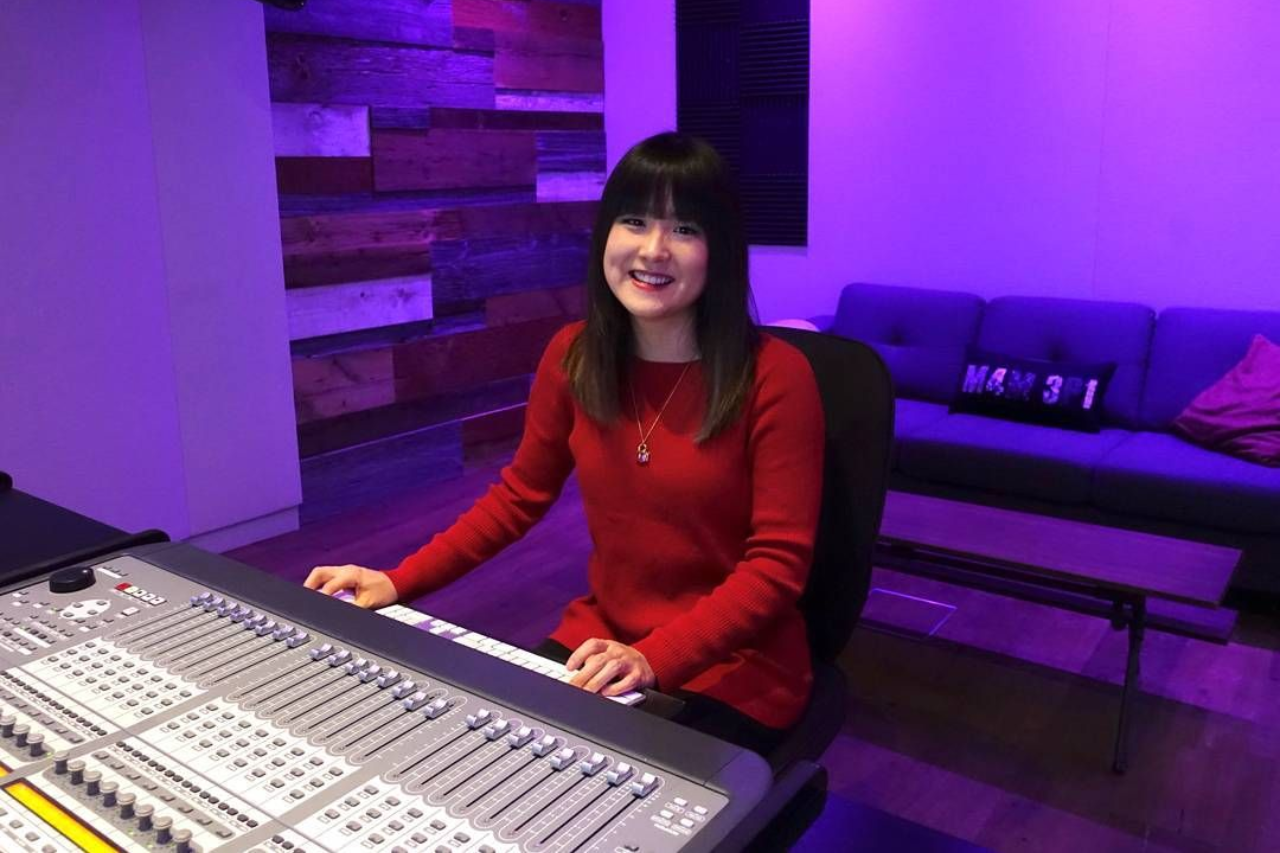
Michelle in red sweater at a sound mixing console in a purple-lit recording studio, smiling.

From Post-Production to Game Audio

After graduating from OIART, Michelle started in post-production through an internship at what was then Tattersall Sound & Picture, which later became part of SIM and is now connected to Formosa Group.


While working in post-production, she also took on side projects, including short films and smaller post work. From there, she worked at Farmhouse Creative Labs, where she spent several years on projects including reality TV, documentaries, and features.


That post-production foundation eventually helped lead her into game audio.


Someone she knew from the post-production world had moved to Ubisoft Toronto. When Ubisoft was looking for a voice designer, Michelle was encouraged to apply.


“I grew up playing games, but I didn’t really think of it as a path necessarily for me,” she says.


Taking that opportunity meant stepping into unfamiliar territory. She had to learn new workflows, proprietary game engines, and Reaper. It was intimidating, but it was also a chance to move toward something exciting.


“I just took the dive because it seemed like such a great opportunity to meet new people, different artists, and make games, which is such a dream,” Michelle says.


What Game Audio Work Can Look Like

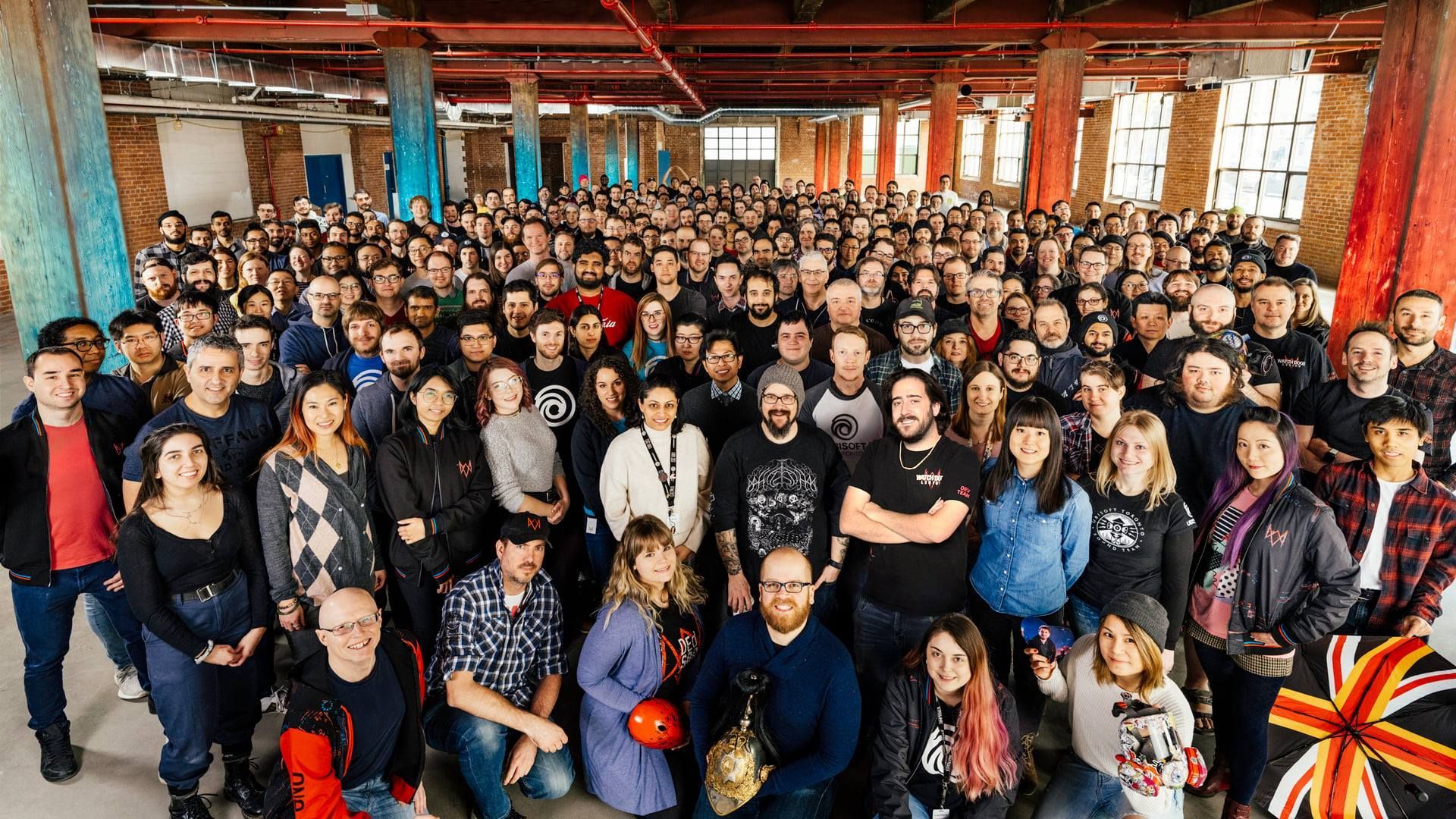
At Ubisoft Toronto, Michelle worked as a voice designer. She describes the studio as a large environment with hundreds of employees, multiple co-development studios, and many specialized teams working together.


In game audio, that can mean one person is focused on voice, another on ambiences, another on weapons, another on music, and many others working across specific systems and features.


“You get to meet a lot more people because there are so many specialists,” Michelle says.


That was one of the biggest differences between large studio game development and indie game development.


In a large studio, work can be highly specialized. In indie games, Michelle describes the process as more like “the Wild West,” where people take the experience they have and use it to build new pipelines, solve problems, and make the project work.

That difference is important for future students to understand. Game audio is not one single job. It can involve sound design, voice design, implementation, systems thinking, creative problem solving, technical troubleshooting, and collaboration with designers, programmers, artists, writers, and other audio professionals.


Most recently, Michelle helped lead the audio vision for Ambrosia Sky at Soft Rains, where her work included environmental audio, VO pipeline development, adaptive music systems, reactive gameplay audio, audio integration, and final mix work.


That kind of end-to-end experience shows how wide a game audio role can become.
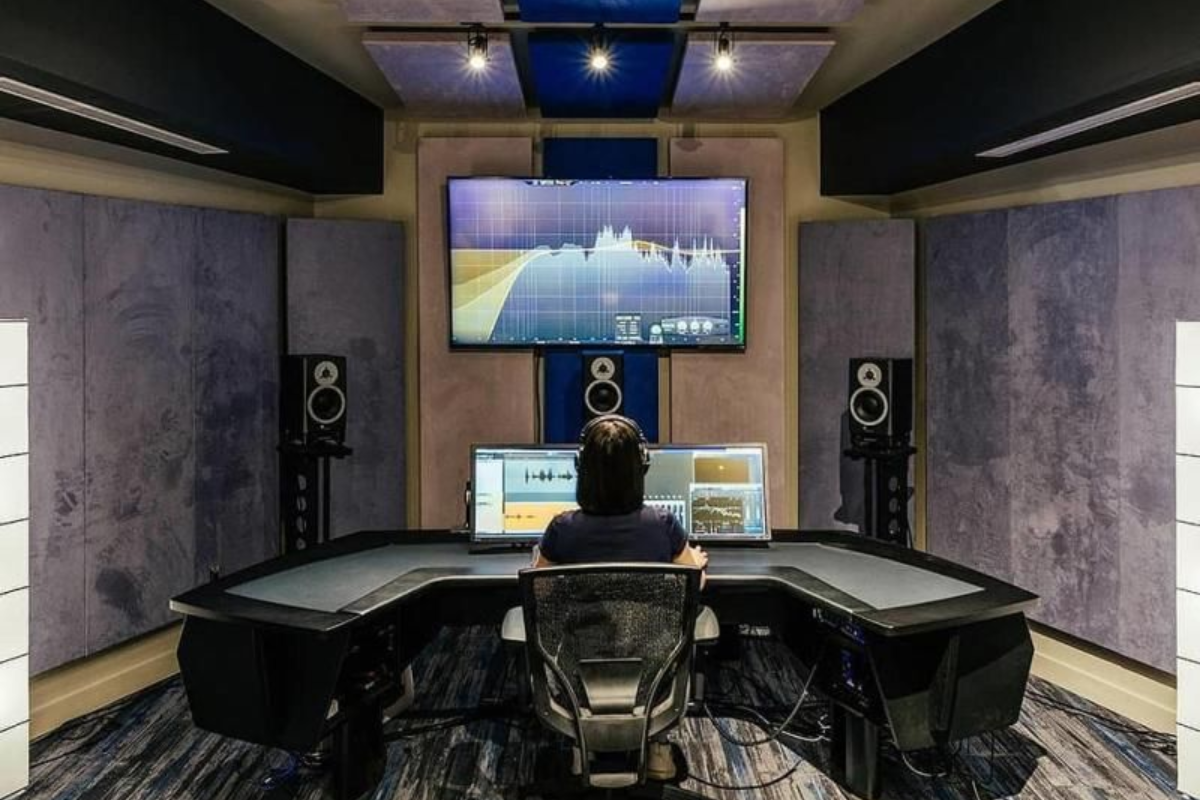
Michelle seated at a studio mixing desk facing large monitors in a modern recording room

Why Michelle Chose OIART

Michelle found OIART after already completing university. She knew she did not want to start another four-year program, so the 11-month structure stood out.


She also reached out to someone who had attended OIART to ask about their experience. After hearing
positive feedback, taking a tour, and learning more about the school, she decided to jump in.


“I think this is for me,” she remembers thinking. “It’s 11 months, a very condensed program.”


Another major factor was OIART’s focus on helping students move into
work after graduation.


“At the time, my mindset was, ‘I want to find something that could help me find work right away,’” Michelle says.


For Michelle, that decision had a major impact on the start of her career.


“If it wasn’t for OIART, I don’t think I would have been able to intern and then go into post-production,” she says.


Learning by Doing

Michelle says labs were one of her favourite parts of the course because they gave students the chance to turn classroom knowledge into actual work.


Whether it was a sound design short, a music production project, or recording a band, the labs helped students apply what they were learning in a practical way.


“Labs were my favourite,” Michelle says. “It’s the time to apply all the knowledge that you learned in class.”


That hands-on structure mattered because the work students were doing in labs was similar to the kind of work they would eventually do professionally.


“It’s also the kind of stuff you’ll be making in the real world as well,” she says.


That connection between learning and doing is one of the biggest reasons OIART’s format worked for her.

Want to learn more?

Become a professional in Audio Recording in only 11 months!

Apply Now

OIART's Audio Recording Technology Program Includes:

  Small Class Sizes

  On Site Facilities

  Industry Leading Instructors

  Post Grad Support & Guidance

✓  Exclusive 11 Month Program

Instructors Who Let You Think

Michelle also points to the instructors as a major part of her experience.


“The teachers are all masters of their craft at OIART,”
she says.


For Michelle, Mark Vogelsang was an important support while she was exploring sound design and audio for visual media. She says he was available for questions, gave constructive feedback, and helped students think through problems instead of simply handing them the answer.


“A lot of times, in my experience, they would not always give you the answer answer,”
Michelle says. “They would lead you to the path toward the answer.”


That approach helped her build confidence and independence.


Instead of being told exactly what to do at every step, students were encouraged to try things, solve problems, come back with questions, and work through the process like adults.


“It was very much like working together,” Michelle says.


The Skills That Still Matter

When Michelle talks about the skills from OIART that still show up in her career, one of the first things she mentions is signal flow.


“Shout out to signal flow,” she says.


That might sound basic, but it is one of the
foundations of audio work. Whether you are dealing with hardware, software, microphones, speakers, DAWs, plug-in chains, routing, or troubleshooting, understanding where the signal is going and why something is not working is essential.


“Stay calm. Go back to the basics. Where’s the power coming from?” Michelle says. “That definitely helps.”


She also points to hot keys, DAW navigation, troubleshooting, and knowing how to move quickly and efficiently inside audio software.
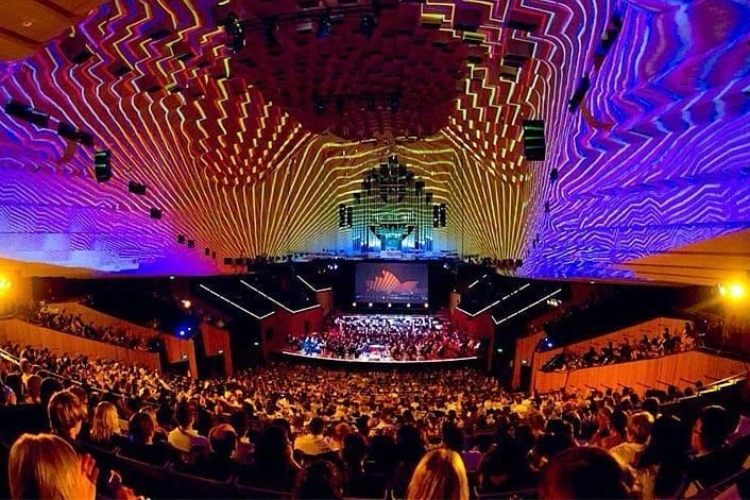
Crowded concert hall with a brightly lit stage and colorful, patterned ceiling lights

But not every skill is technical.

Michelle says OIART also helped her learn how to give and receive feedback, which has become a major part of her professional life.


In sound design and game audio, feedback is not always simple or literal. People may describe sounds through feelings, colours, textures, emotion, intensity, or story. Being able to understand that language and translate it into audio is part of the job.


“You’re talking about colours, feelings, and textures,” Michelle says. “When you get better at it, it’s like a language.”


That communication skill helps build trust with collaborators.


The Value of a Squiggly Career Path

Michelle’s career has moved through post-production, sound design, voice design, AAA games, indie games, and side projects. That kind of path can feel hard to predict, but it also shows how connected the audio industry can be.


Her advice is to network, meet different people, explore different parts of audio, and not assume the first job you take has to define the rest of your career.


“There are so many jobs out there,” she says. “Meeting different people helps you find out what’s right for you.”


She also encourages students and grads to remember that every job can teach you something, even if it is not the perfect fit forever.


“You don’t have to be stuck in the job if it’s not right for you,” Michelle says. “There’s always something to take from jobs out there.”


That is especially useful advice in creative industries, where careers often grow through relationships, projects, timing, and unexpected opportunities.
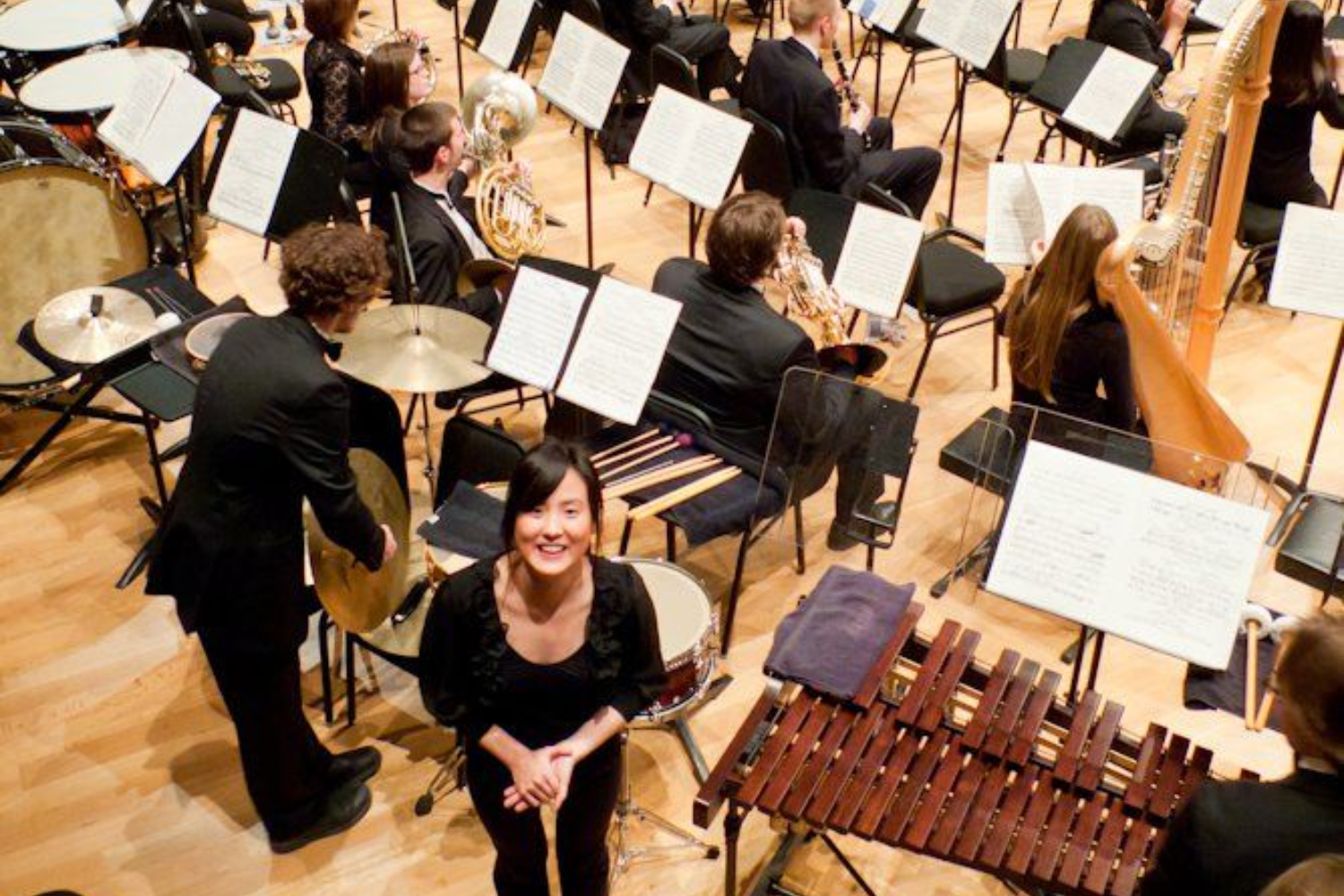
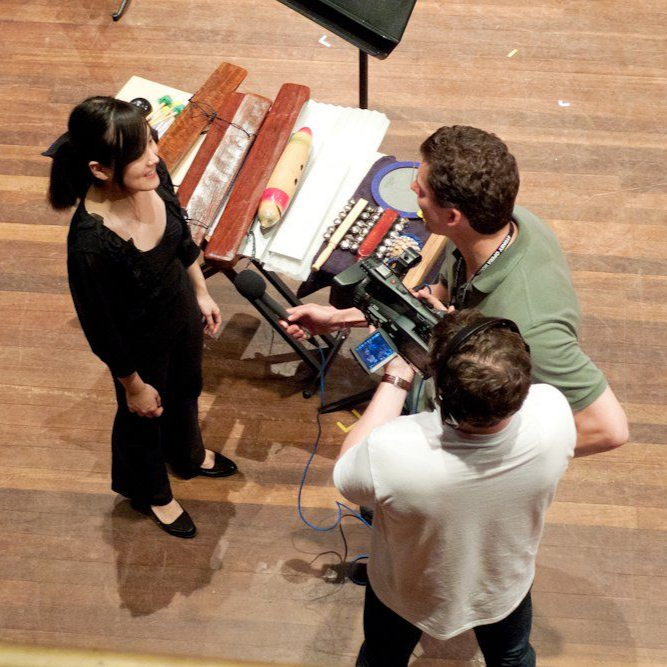
Orchestra rehearsal with musicians seated around a smiling woman in black near a marimba and harp

Why Hobbies and Life Outside Audio Matter

One of Michelle’s most honest pieces of advice is that audio professionals need lives outside of audio too.


She talks about networking, exploring different interests, celebrating the accomplishments of peers, and making time to avoid burnout.


Audio can feel like a small world, especially when someone is focused on building a career. But Michelle points out that the wider world matters too.


“Have different hobbies,” she says. “That’s really important, not just for your mental health, but also because you can bring different things into your work to make it more original.”


That is especially true in sound design.


A sound designer’s taste, imagination, references, and life experience all affect the work. Inspiration can come from games, films, sports, gardening, television, music, nature, or anything else that shapes how someone hears and understands the world.


Michelle also warns that burnout can sneak up on people when they are always chasing the next thing.


“If you’re always go, go, go, I’ve got to find the next thing, and you don’t take the time to celebrate and think about what you’ve done, you’re definitely going to feel burnout,”
she says.


For students and
grads, that is a valuable reminder. Building a career matters, but so does staying healthy enough to enjoy it.
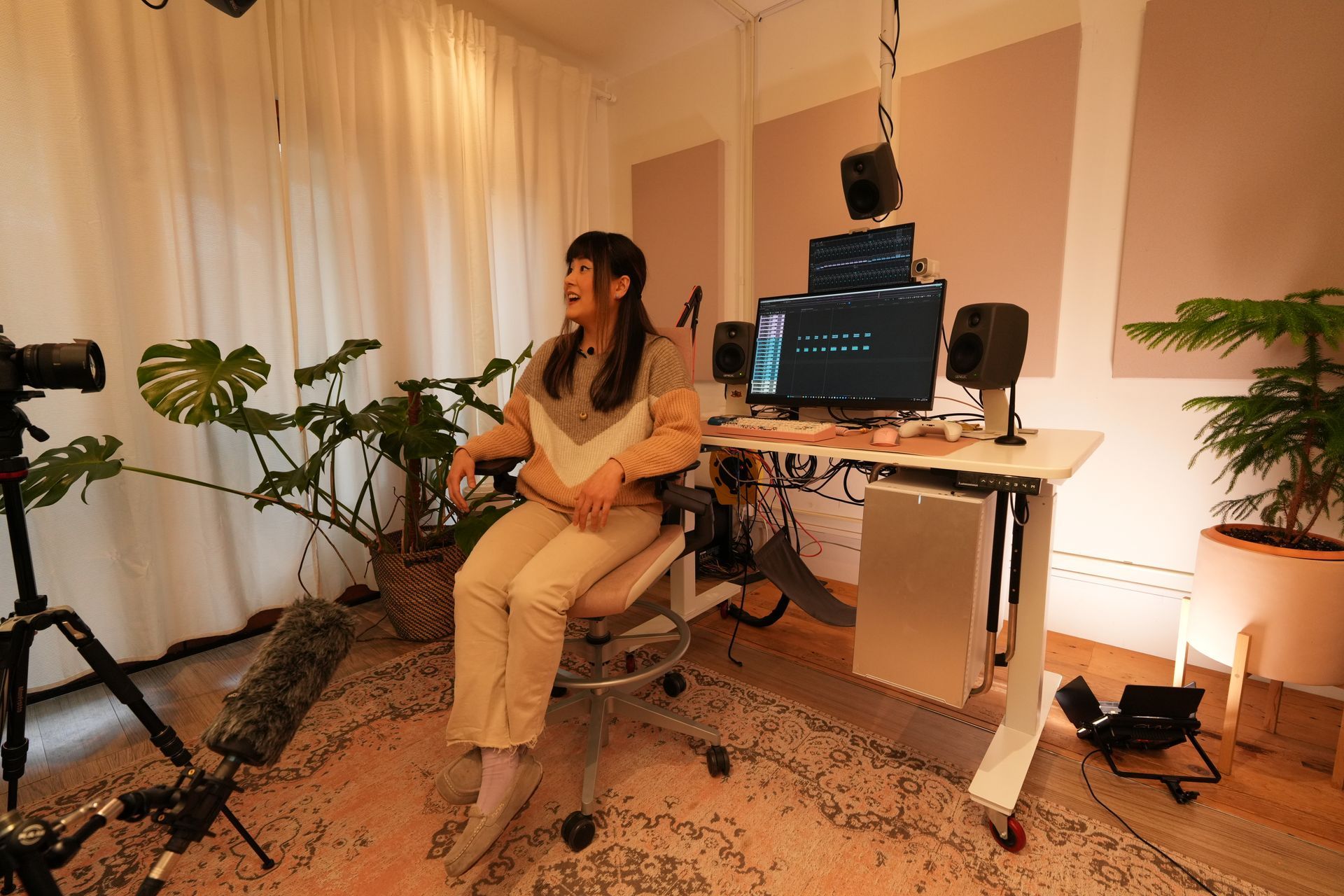
Michelle seated in a cozy home studio, singing into a microphone beside a computer and plants.

Who Should Consider OIART?

Michelle says anyone interested in audio should look into OIART because there are so many possible career paths.


That includes live audio, music production, acoustics, sound design for movies, sound design for games, and other areas of the industry.


But she also says students who have a goal in mind may get even more out of the course.


“Do your research,” Michelle says. “Look into what kind of career you imagine for yourself after the fact so you can get the most out of the course.”


That does not mean students need to have everything figured out before they arrive. Michelle’s own career changed direction over time. But having curiosity, direction, and a willingness to explore can help students use the year more intentionally.
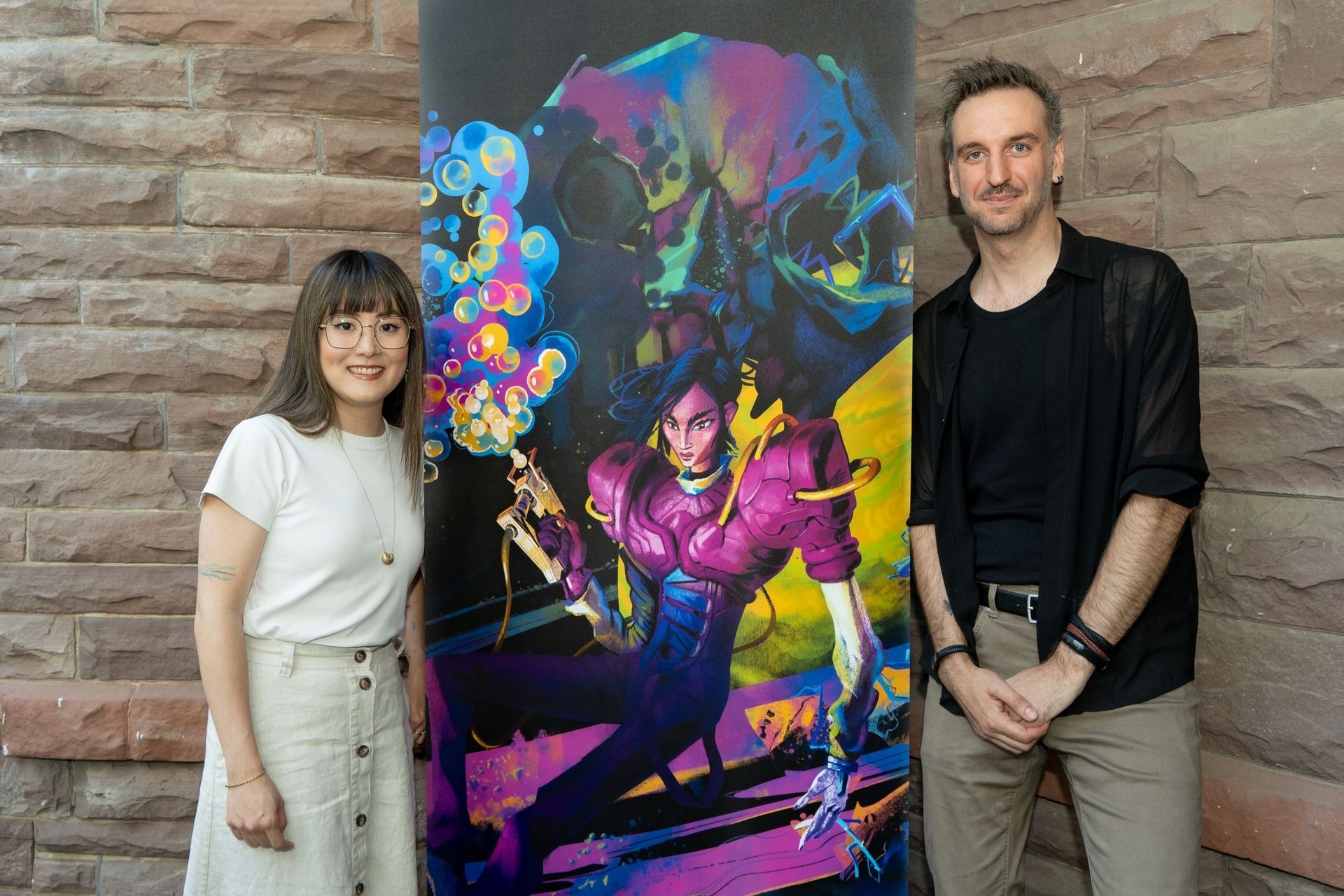
Two people standing beside a colorful neon superhero poster against a brick wall

A Real Example of Where Audio Training Can Lead

Michelle’s story shows how audio careers can grow in unexpected ways.


She came to OIART after university because she wanted a focused, practical course that could help her move toward work. She started in post-production, built experience through internships, side projects, and studio work, then moved into game audio through a connection from her post-production network.


Since then, her work has touched voice design, sound effects, environmental audio, game systems, VO pipelines, adaptive music, integration, final mix, and both AAA and indie development.


That is not a straight path, but it is a real one.


For future students, that might be the most important takeaway. You may not know exactly where audio will take you when you start. But with a strong foundation, real projects, technical skills, creative curiosity, and a willingness to keep learning, the path can open up in ways you did not expect.

Watch Michelle’s Grad Spotlight

In this Grad Spotlight, Michelle Hwu talks about her path from OIART to post-production, Ubisoft Toronto, game audio, sound design, indie games, and the lessons she has learned across a creative audio career.

FAQs About Michelle's Time at OIART

  • What does Michelle Hwu do?

    Complete the online application form (including your contact information, and information on your interests and background). There is no fee to apply.

  • When did Michelle Hwu graduate from OIART?

    Michelle graduated from OIART in 2015.


  • Did Michelle work in post-production before game audio?

    Gabe says OIART helped him build the technical foundation, workflow habits, time management, note taking skills, and broad understanding of audio that he still uses in his career. He was also introduced to the job opportunity that led to Picture Shop through Mark Vogelsang, OIART’s Audio for Visual Media instructor.

  • How did Michelle get into game audio?

    Michelle moved into game audio after someone from her post-production network, who had gone to Ubisoft Toronto, told her about a voice designer opportunity. She applied, took the leap, and began working in games.


  • What skills from OIART helped Michelle in her career?

    Michelle points to signal flow, troubleshooting, hot keys, DAW navigation, feedback, communication, hands-on learning, and the ability to calmly work through technical problems.


  • What kind of person should consider OIART?

    Michelle says anyone interested in audio should look into OIART, but students who do research and have some idea of the career they want to explore may get even more out of the program.


  • Can OIART lead to game audio?

    Michelle’s career shows that OIART can be part of a path into game audio. Her experience moved from post-production into Ubisoft Toronto and indie game audio, with work across voice design, sound effects, systems, integration, and final mix.


Michelle Hwu’s Career in Sound Designer & Audio Enginee Photos

Video Transcript

  • Michelle Hwu, OIART graduate, 2015. Sound Designer /Audio Engineer

    Michelle Hwu, OIART graduate, 2015. Sound Designer / Audio Engineer with experience across game audio and post-production.


    Introduction

    My name is Michelle Hwu. I graduated from OIART in 2015, almost a decade ago. Hi, MV.

    Career path after OIART.


    Fresh out of OIART, I did an internship at what was Tattersall Sound & Picture, which turned into SIM, which is now Formosa. So I was in post-production for a lot of the time.


    While I was there, I was also doing side projects, doing post on little projects like films and shorts and stuff like that.


    Then I worked at Farmhouse Creative Labs, like many other OIART grads. I forget how long I was there, but I was there for a few years working on reality TV, documentaries, and features.


    Moving into game audio

    Somebody from what is now known as Formosa remembered me and went to Ubisoft Toronto. They were looking for a voice designer at Ubisoft, and he was like, 'Do you want to apply?' And I was like, 'Oh, that sounds amazing.'


    I grew up playing games, but I did not really think of it as a path necessarily for me. So I took a dive into it because I was really afraid. I did not know proprietary game engines, and switching to Reaper was also another thing that happened as well.


    I took the dive because it seemed like such a great opportunity to meet new people, different artists, and make games, which is such a dream.


    It was kind of unexpected where I ended up, from post-production into games. It is kind of a squiggly path how that happened.

    I still love post as well, doing films and projects on the side just to keep those chops up. But my heart lies fully in sound effects as well. So that is kind of the story.


    Finding OIART

    How I found OIART was through friends who had graduated from music at different schools. There was somebody who graduated from Western who went to OIART, and I contacted her to ask what her experience was like. I was really curious to find out more.


    She had glowing reviews about the school. Then I contacted the school, had a tour, and just kind of jumped right in.


    I was like, 'I think this is for me,' because it is 11 months and a very condensed program. Because I had already graduated from university, I did not want to do a four-year program. So I was like, 'Okay, this sounds great. Eleven months condensed. I can deal with that.'


    They also very much pushed helping people out postgrad or setting people up with jobs and stuff like that. That was definitely my mindset at the time as well. I wanted to find something that could help me find work right away.


    AAA game audio and indie game audio

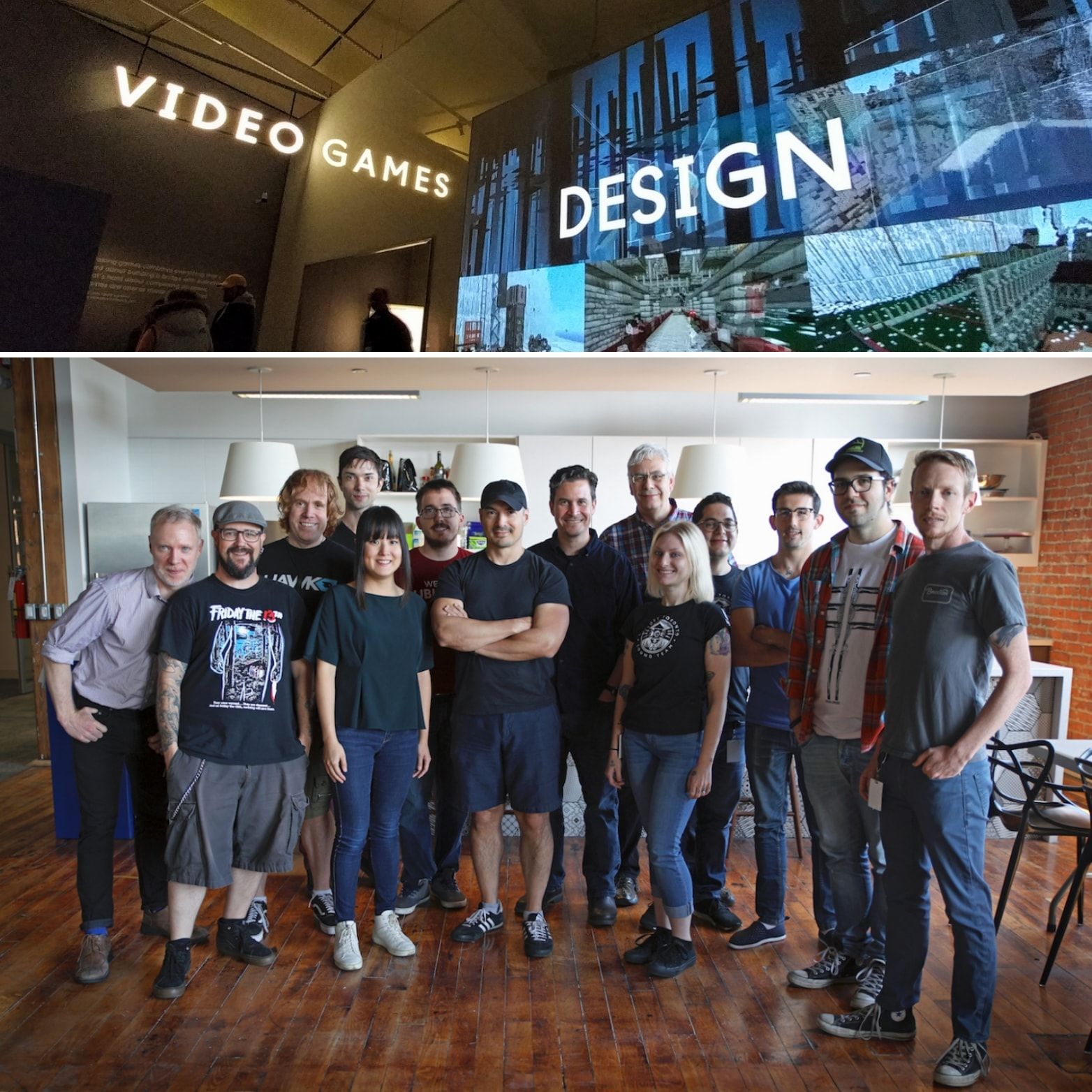
    When I was at Ubisoft Toronto, I think there were 800 to 900 employees at the Toronto office at the time. There were different co-dev studios around the world, in Montreal, Europe, and all over Canada.


    It is very different, and you get to meet a lot more people because there are so many specialists. There are UI specialists and UX design, making sure all the buttons are clicking together and things like that.


    On our team at Ubisoft Toronto, I think there were about 15 audio people, which is pretty big. I started there as a voice designer, one of three, working with voice actors and getting voices into the game.


    Then there was one person doing ambiences, one person doing weapons, one person doing music every day. It is very specialized, and it is cool to see how every piece fits together.

    It is pretty crazy. There are a lot of meetings that have to happen, as you can imagine. For every feature, there are different ways that characters react in the world or something like that.


    With indie, it is a little bit different. I have been with three different indie companies now, and it is a little bit more like the Wild West. You take the experiences that a lot of people came from AAA games with and bring them into indie games, and then you just make it work.


    You have meetings and kickoffs and stuff like that, but there is a lot more independence and control as well. You take the knowledge you have and try to put it together and build new pipelines out of it. It is different depending on which path you want to take.


    Labs and hands-on learning

    Labs were my favourite. They were the time to apply all the knowledge that you learned in class and make it into a product, I suppose.


    Whether it is a little sound design short, music production, or recording a band, it is very hands-on. It solidifies everything that you learn to see if it actually stuck.


    It is also the kind of stuff you will be making in the real world as well, so that was the really exciting part.


    Instructors and support

    The teachers are all masters of their craft at OIART. I found that they were always around, especially if you wanted to book extra time with them. You could always schedule something and ask more questions, and they were totally willing to help.


    For me, I went more into the sound design path, so Mark Vogelsang was always there for me when I wanted to ask questions. He would humor the craziest questions about what it is really like out in the real world, and he also gave a lot of constructive feedback toward work.


    A lot of times, in my experience, the teachers would not always give you the answer-answer. They would lead you to the path toward the answer and treat you like adults, basically.


    That is a big thing OIART tries to do. It is not like, 'You should do this,' and then they are following you along the way. They are kind of like, 'You should try this, and then come back to me if it does not work out.' It is very much like working together.


    How OIART shaped her career

    My entire career up until now was probably formed by going to OIART.


    Fresh out of school, I did the internship at what was Tattersall Sound & Picture, which is now Formosa. From there, it was networking and meeting people.


    If it was not for OIART, I do not think I would have been able to intern and then go into post-production. Farmhouse Creative Labs is run by an OIART grad too. All the opportunities came directly from those beginning paths from OIART.


    Skills that still matter

    Definitely signal flow. Shout out to signal flow. That was one of the biggest things, both with hardware and software troubleshooting.


    Learning how to plug in your mics and get the speakers working still happens all the time, every day. Signal flow within your DAWs as well, how to do your plugin chains and your mixing chains and all that kind of stuff, and how to get the best sound, definitely came from OIART.


    Learning your hot keys was also really important, just knowing how to navigate within a DAW. That helps a lot.


    Stay calm. Go back to the basics. Where is the power coming from? That definitely helps. Just keep calm. Everything is going to be okay.


    Feedback and communication

    Other than that, I would say a lot of subjective communication, like how to speak the language of giving feedback and receiving feedback, was taught at OIART as well.


    It is really important because every day working with people, you are learning how to give and take feedback. It is super important, because if you are good at taking feedback and are able to understand what people want from you, people trust you more.


    In terms of really random sound stuff, you are talking about colours, feelings, and textures. It helps to solidify that, and when you get better at it, it is like a language. Then people trust you more to work with them, and you are able to give feedback as well.


    Advice on networking and career paths

    Definitely do more networking, for sure, because the world is so big and there are so many different careers out there.


    For me, at least, I would say do not settle right away on the first thing unless it is great. If it is great, that is awesome. But there are so many jobs out there, and meeting different people helps you find out what is right for you.Also know that you do not have to be stuck in a job if it is not right for you. You can always find something else that is out there, but there is always something to take from jobs.

    With networking, meeting different people is a whole other skill set. It takes until after school to really meet different kinds of people and learn about other people's interests, developing your own style and tastes from that too, which you can put into your work afterward.


    Sometimes it feels like the world is so small, like audio, audio, audio. But there is so much to glean from exploring different things.


    Hobbies, originality, and burnout

    That leads to the other piece of advice I have, which is to have different hobbies. I think that is really important, not just for your mental health, but because you can bring different things into your work to make it more original over time.


    It could be different sports, different TV shows, gardening, whatever it is. The world is pretty big.


    Celebrate the accomplishments of your peers as well. That is a big thing.


    A big reason I mention this is because burnout is a thing that grads and people alike will hopefully not come across, but they might come across sometime in their career.

    If you are always go, go, go, and thinking, 'I have to find the next thing,' and you do not take the time to celebrate and think about what you have done, like you have released a game, take the time. Otherwise, you are definitely going to feel burnout and resentment, which creeps up on you. That is one thing I would say to look out for.


    Who should consider OIART

    The surface-level answer would be anybody who is interested in audio should look into going to OIART, for sure, because there are a lot of careers in different things, whether it is live audio, music production, acoustics, sound design for movies, games, or anything like that.


    The more serious answer is people who have a goal in mind, a career that they want to set their heart to, will get a lot more out of going through the program.


    With any kind of academic schooling, you can go to school and get a taste for different things. But if you do not have a goal, you might finish the program and still not know what you want to do.


    I encourage people to give it thought. Do your research. Look into what kind of career you imagine for yourself after the fact, so you can get the most out of the program.


Interested in Where Audio Training Could Take You?


OIART’s 11 month Audio Recording Technology program is designed to help students build real skills across music production, live sound, studio recording, and audio for visual media.

Apply to OIART, book a campus tour, or contact our admissions team to learn more about the course and where a career in audio could lead.

Follow @yourfutureissound on Instagram & Tiktok!

Ready to Start?

Apply Now

OIART's Program Includes:

  Small Class Sizes

  On Site Facilities

  Industry Leading Instructors

  Post Grad Support & Guidance

  Exclusive 11 Month Program

Top Reasons Why You Should Choose OIART.

View Infographic

Have Questions?

If you have questions about our program for audio engineering and music production or would like to book a tour, we would be pleased to speak with you.


Call Us: 519.686.5010

Text Us: 519.200.4151

Email Us: Using Our Contact Form

Share This With a Fellow Music Lover

Apply in 3 Steps!

Step 1: Click Apply Now to start.

Step 2: Answer questions about yourself.

Step 3: Submit and check your email.

Apply Now

Share this with fellow music lovers