Matt Andrews - Alumni Spotlight

Jeremy Alves | July 17, 2026

From OIART to Front of House for Knocked Loose: Matt Andrews’ Live Sound Career

Some graduate stories are worth revisiting.


When OIART first caught up with Matt Andrews after graduation, he was building his own studio, Sovereign Audio, in downtown Windsor. He had gone from touring musician to OIART student to studio owner, using the skills he built in school to create a professional space of his own.


A few years later, his career had taken another major turn.


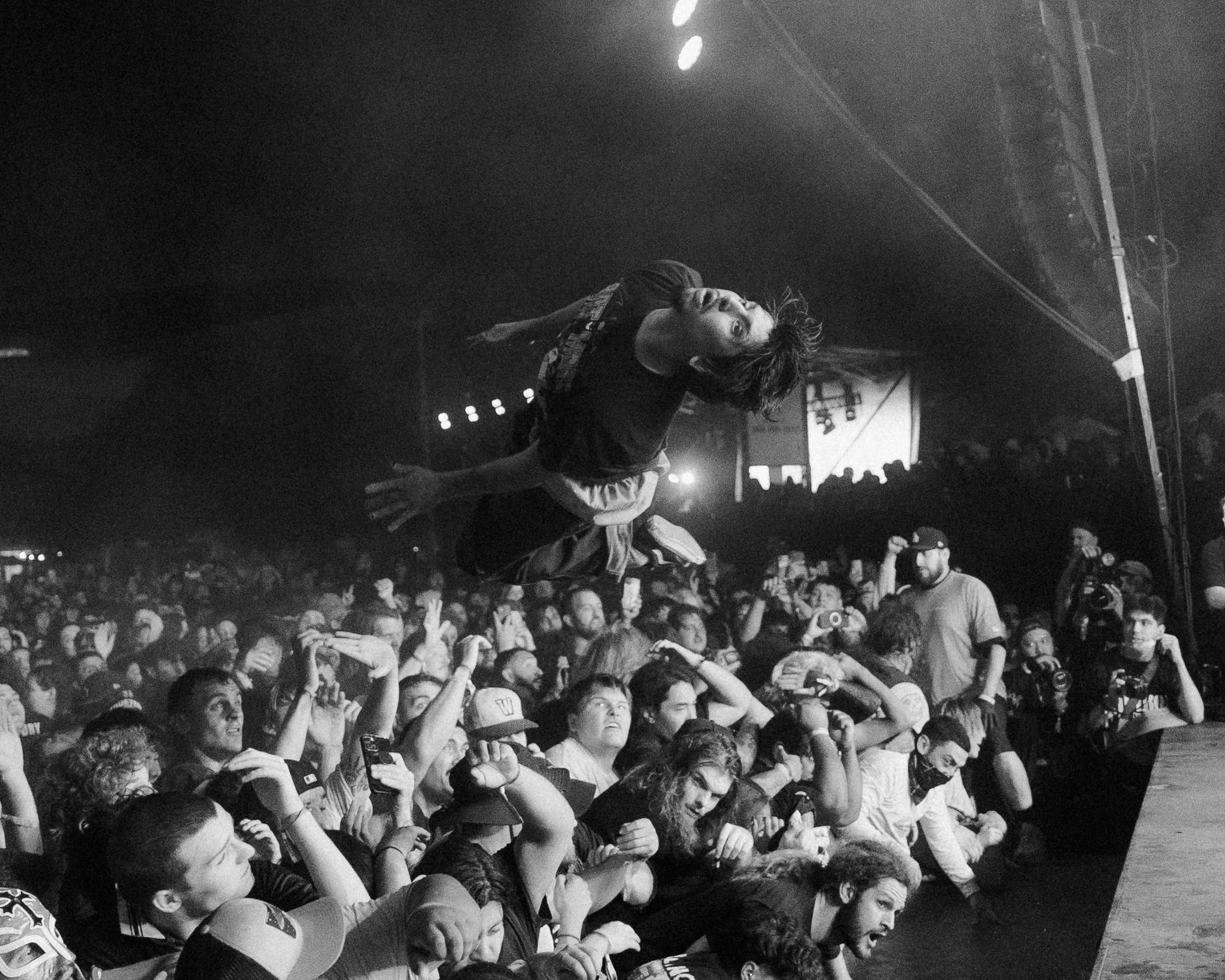
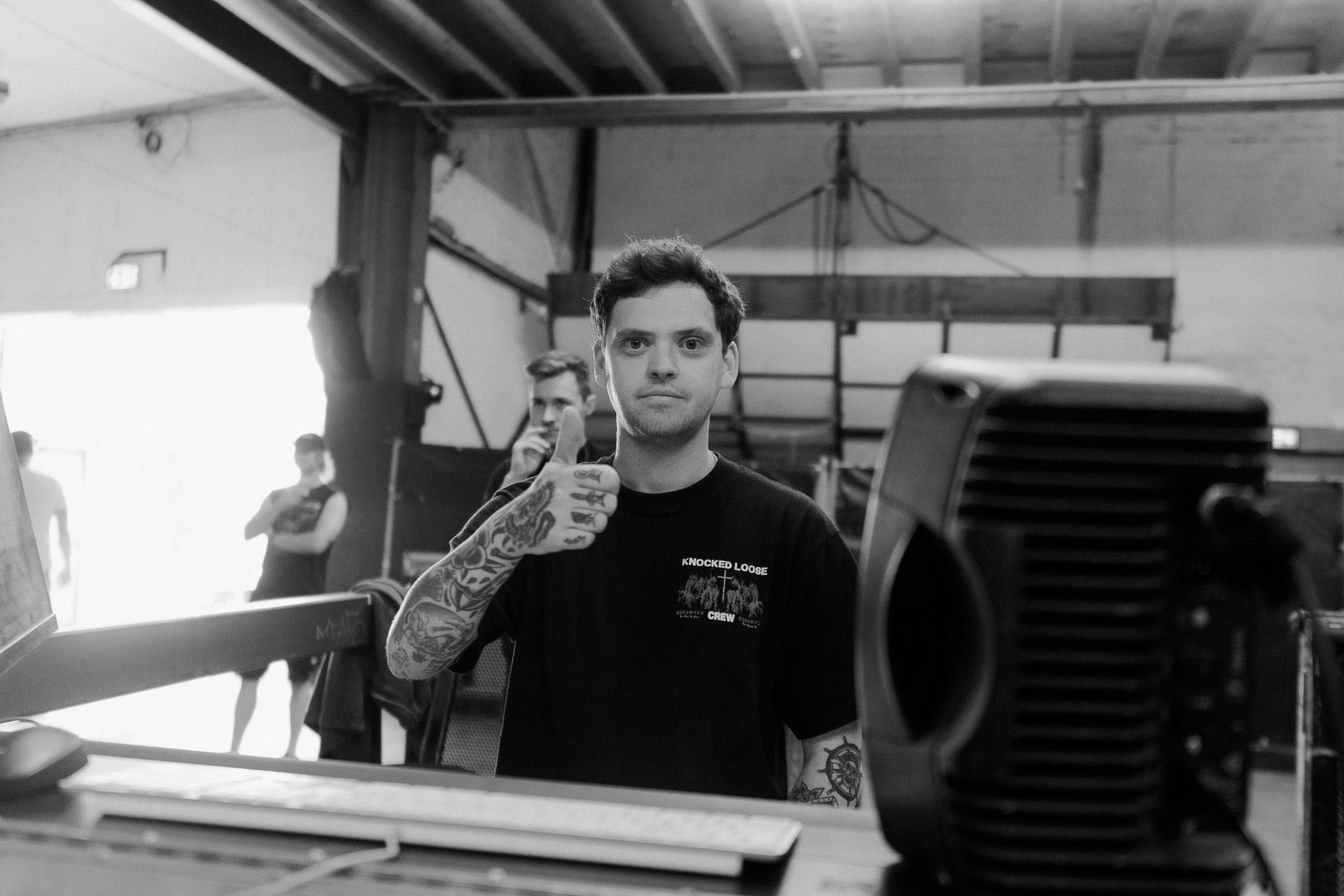
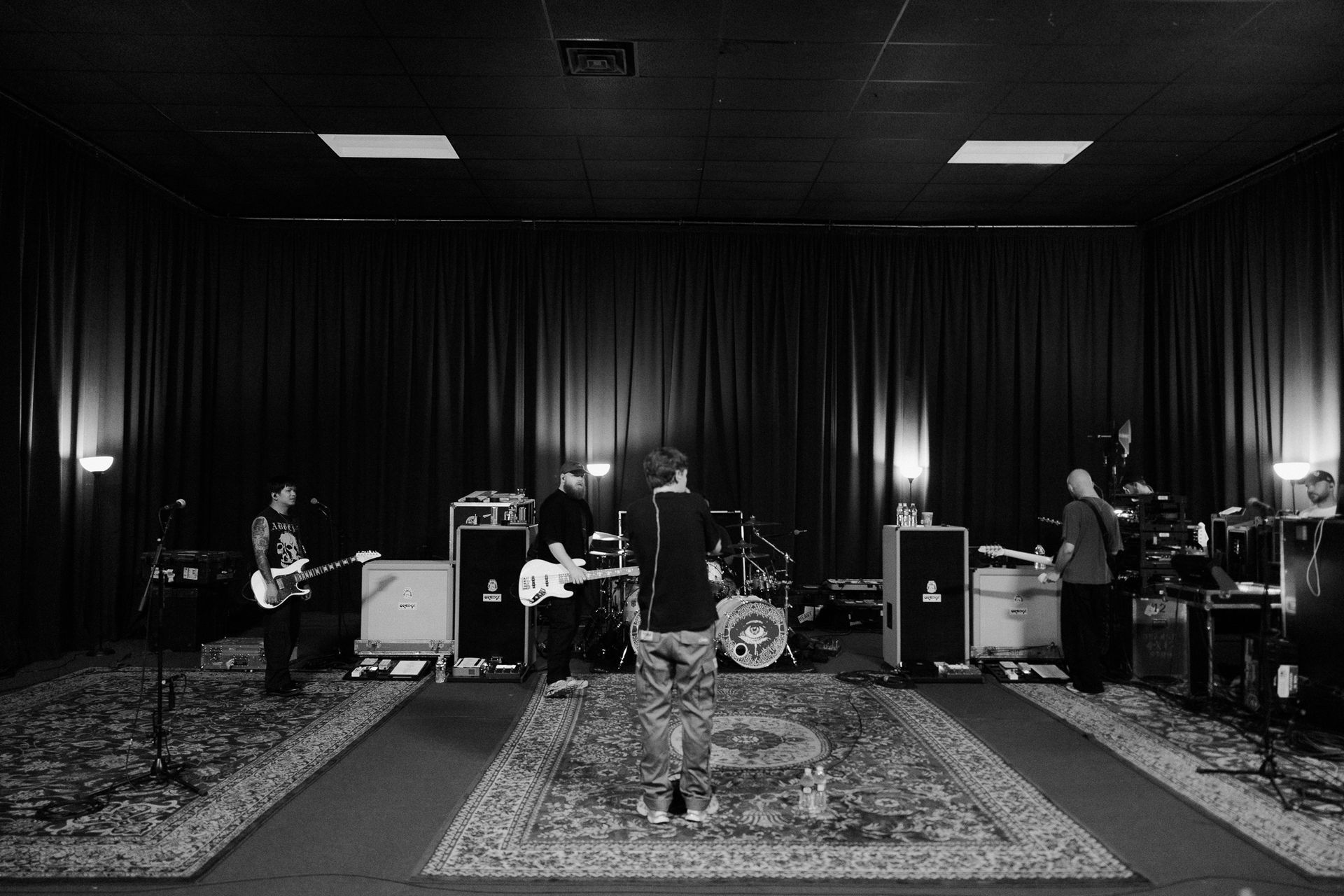
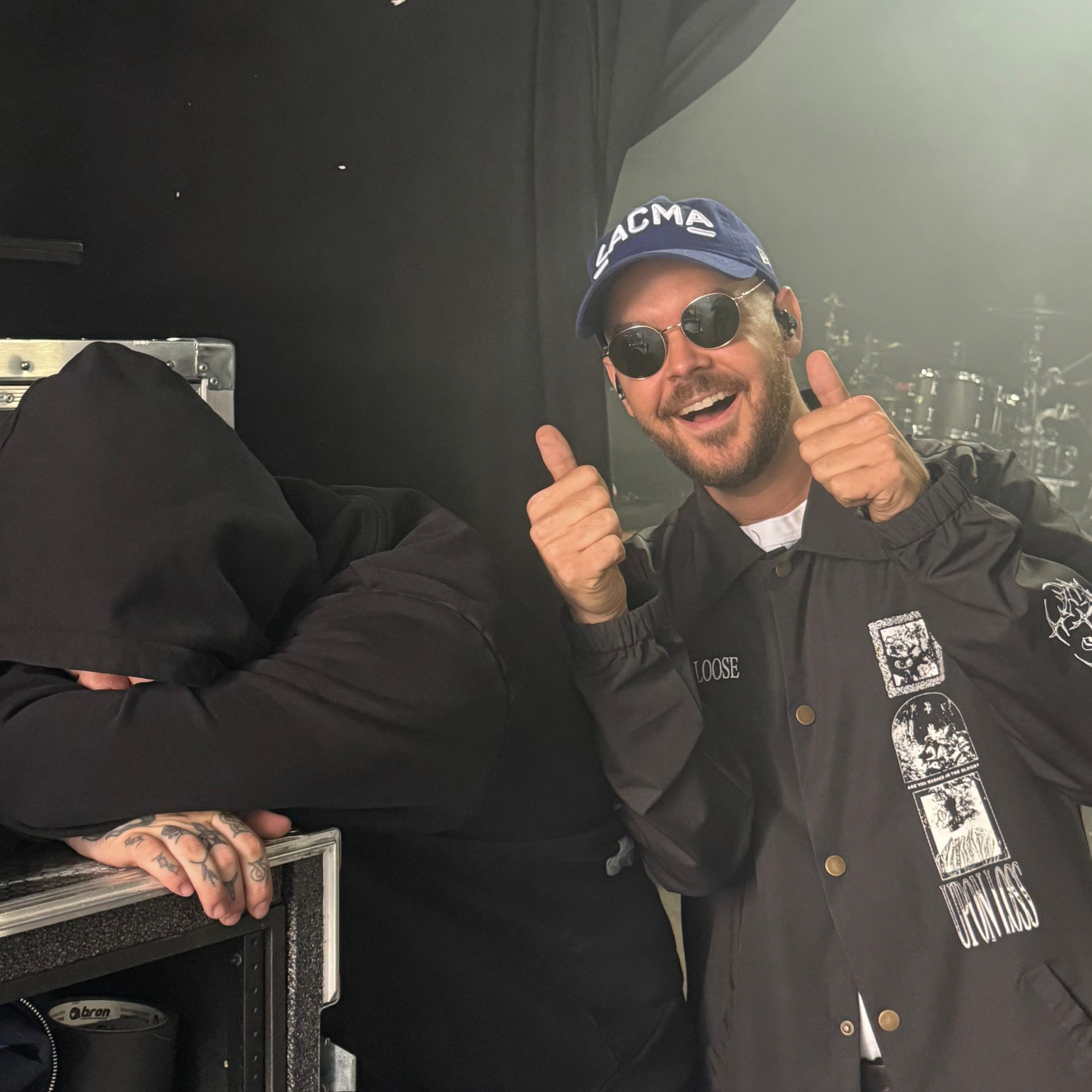
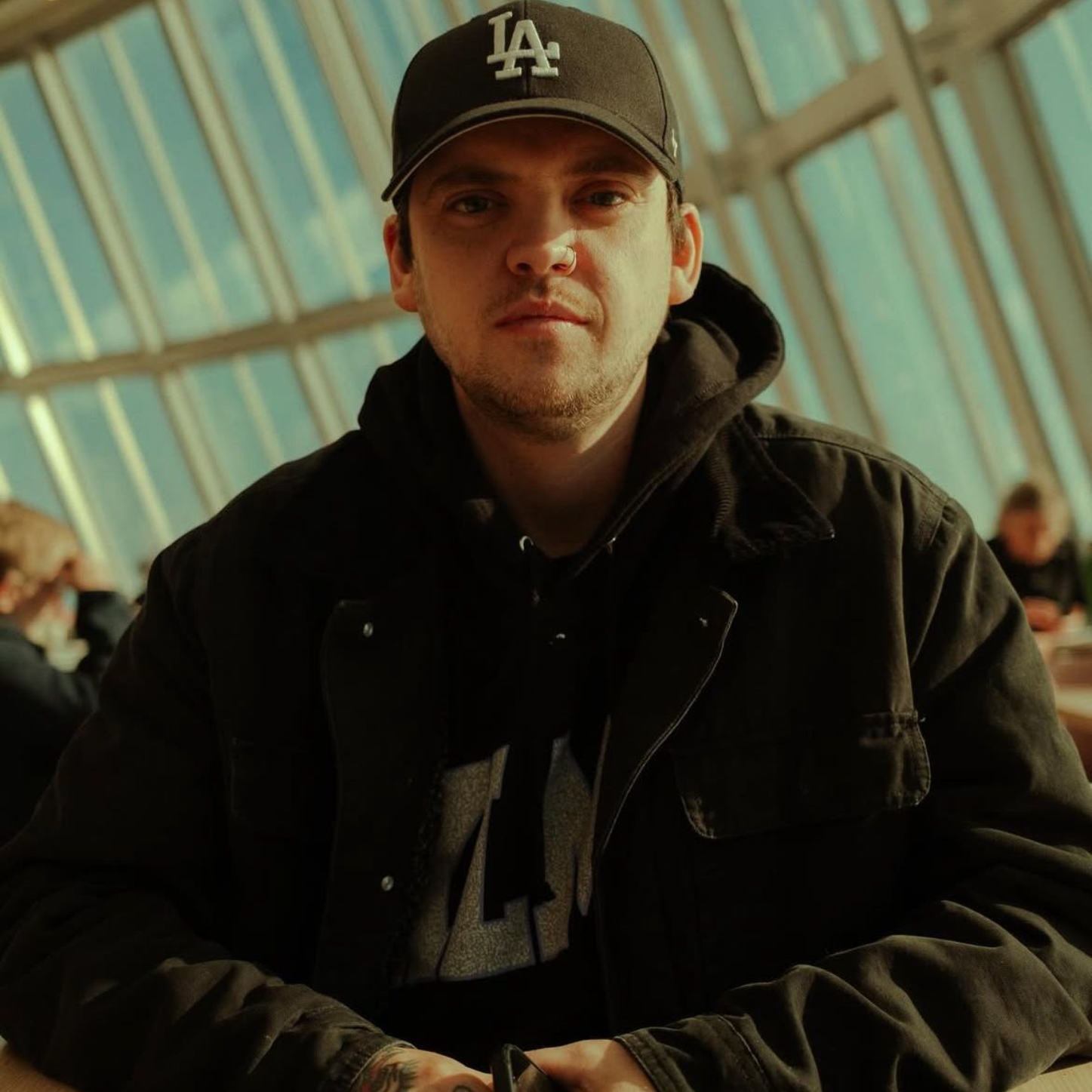
Matt is now mixing front of house for Knocked Loose, one of the most talked about heavy bands in the world, bringing his background in studio mixing, live sound, touring, and heavy music into some of the biggest rooms of his career.


His story is not a straight line. That is what makes it so strong.


It shows how an audio career can move from the stage, to the studio, to the road, and back again.


🎥 Watch my journey with OIART and see how it changed my life!
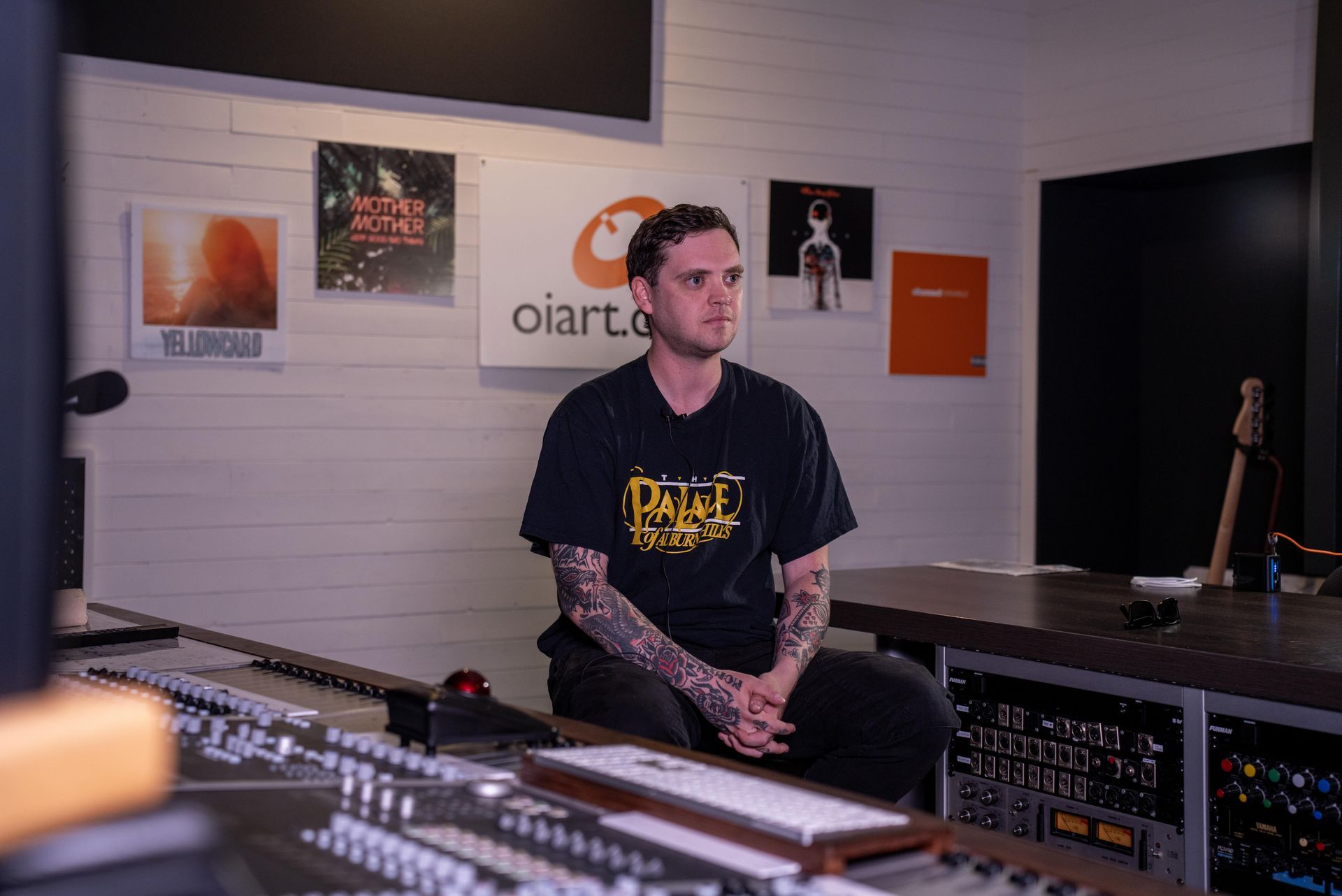
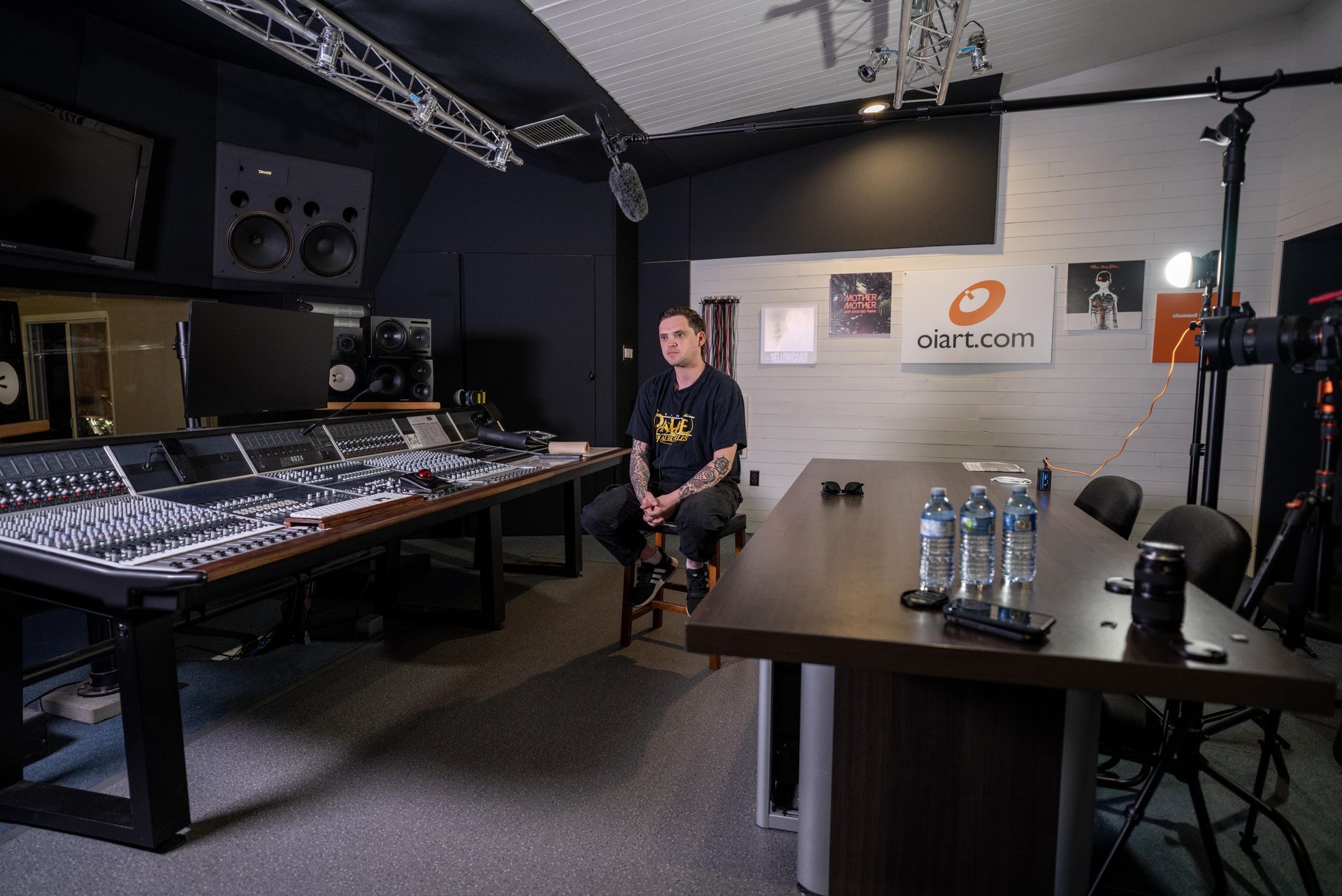
Matt sitting in a recording studio, surrounded by audio equipment and wall posters.

From Touring Musician to Audio Professional

Before OIART, Matt already knew what it felt like to be on tour.


He had spent years as a touring musician, chasing the dream that a lot of people have when they first fall in love with music. But over time, he started thinking more seriously about what a long term life in music could look like.


“It was just something I always kind of wanted to do, even as a kid,” Matt said in his first Grad Spotlight. “I had that cliché dream of wanting to be a rock star.”


The older he got, the more he realized how difficult that path could be. Touring was exciting, but it was also tough. Matt wanted a more stable way to stay inside music while building a deeper technical skill set.


“I wanted to have a more solid job in music, and I really wanted to hone in my skills,” he said. “So that’s why I chose to go to OIART.”


That decision became a turning point.


Building Sovereign Audio in Windsor

After graduating from OIART in 2021, Matt opened Sovereign Audio in downtown Windsor.


At the time, the studio represented a major shift in his career. He was no longer only seeing himself as a performer. He was building a space where he could record, mix, and work with artists on his own terms.


He had already been working with some clients while he was in school, but he wanted a real studio space, not just a basement setup.


“I wanted to have my own place,” Matt said. “Somewhere I could bring my clients in.”


Building the studio also forced him to use skills that went beyond recording and mixing. He learned about construction, sound panels, room treatment, acoustics, workflow, and what it actually takes to create a space where people can make records.
Michelle seated at a studio mixing desk facing large monitors in a modern recording room

He connected that directly back to OIART.

“Everything that helped me prepare this room, I learned about at school,” Matt said, pointing to acoustic classes, studio building, sound panels, and how to properly treat a room.


That first spotlight captured Matt at a very specific stage: early in his career, serious about audio, building something local, and using school as the foundation for the next step.


School as the Final Piece

One of the strongest lines from Matt’s first video is simple:


“I think going to school was probably the best decision I ever made.”


For Matt, OIART did not replace the experience he already had as a musician. It helped organize it. It gave him the missing technical foundation and helped him understand the things he had been around for years but had not fully understood.


“I talked this big game that I knew all this stuff, and I really knew nothing,” he said. “I didn’t even know what phase was.”


That honesty is part of what makes his story useful for future students. A lot of people come to audio school with some experience. They may have played in bands, recorded themselves, mixed demos, toured, worked on local shows, or watched hours of YouTube. But there is a big difference between being around audio and understanding how it works.


For Matt, OIART helped make everything clearer.


“School was the final piece of the puzzle for me,” he said. “It brought everything together.”

Want to learn more?

Become a professional in Audio Recording in only 11 months!

Apply Now

OIART's Audio Recording Technology Program Includes:

  Small Class Sizes

  On Site Facilities

  Industry Leading Instructors

  Post Grad Support & Guidance

✓  Exclusive 11 Month Program

From Studio Mixing to Live Mixing

Years later, Matt’s career moved back toward live sound in a major way.


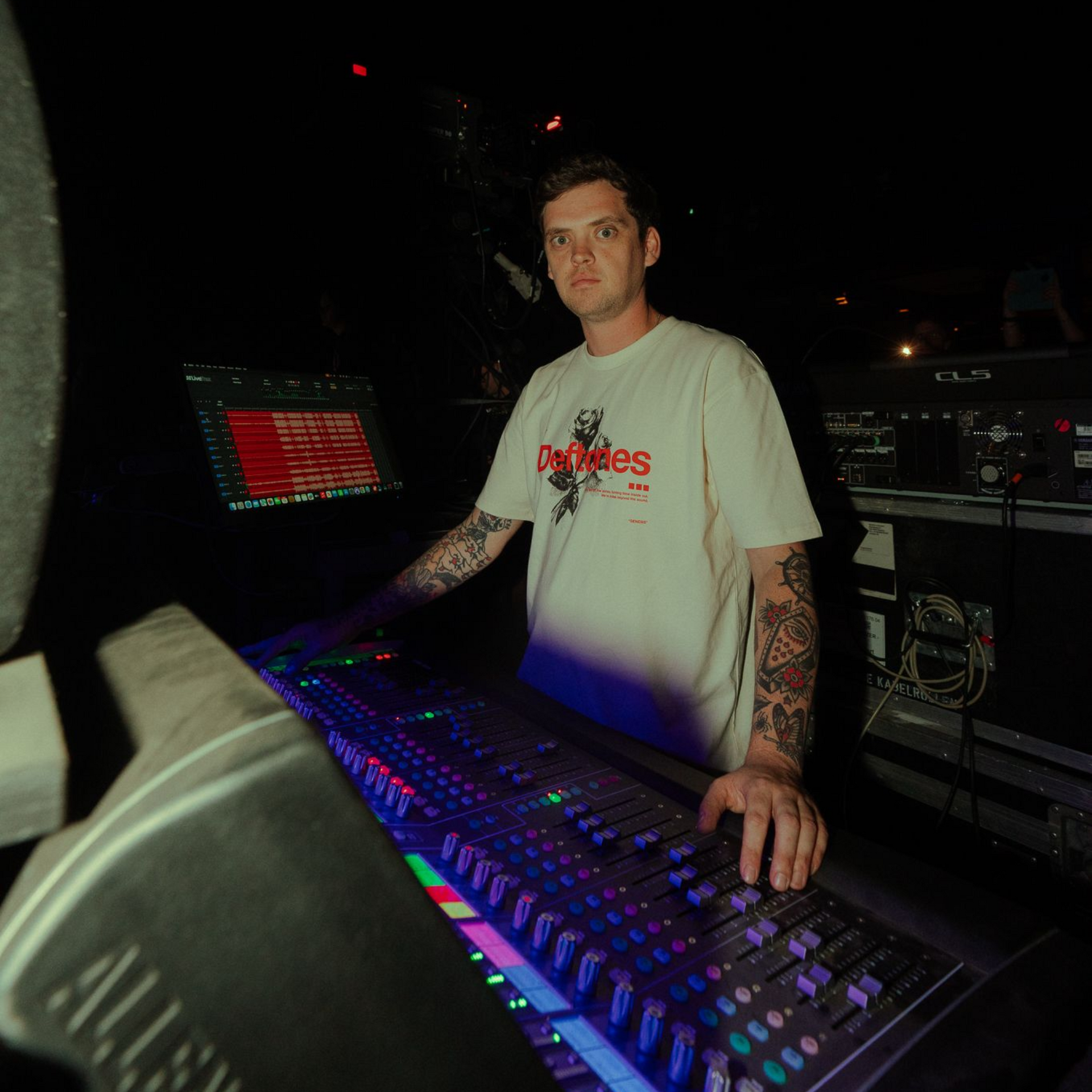
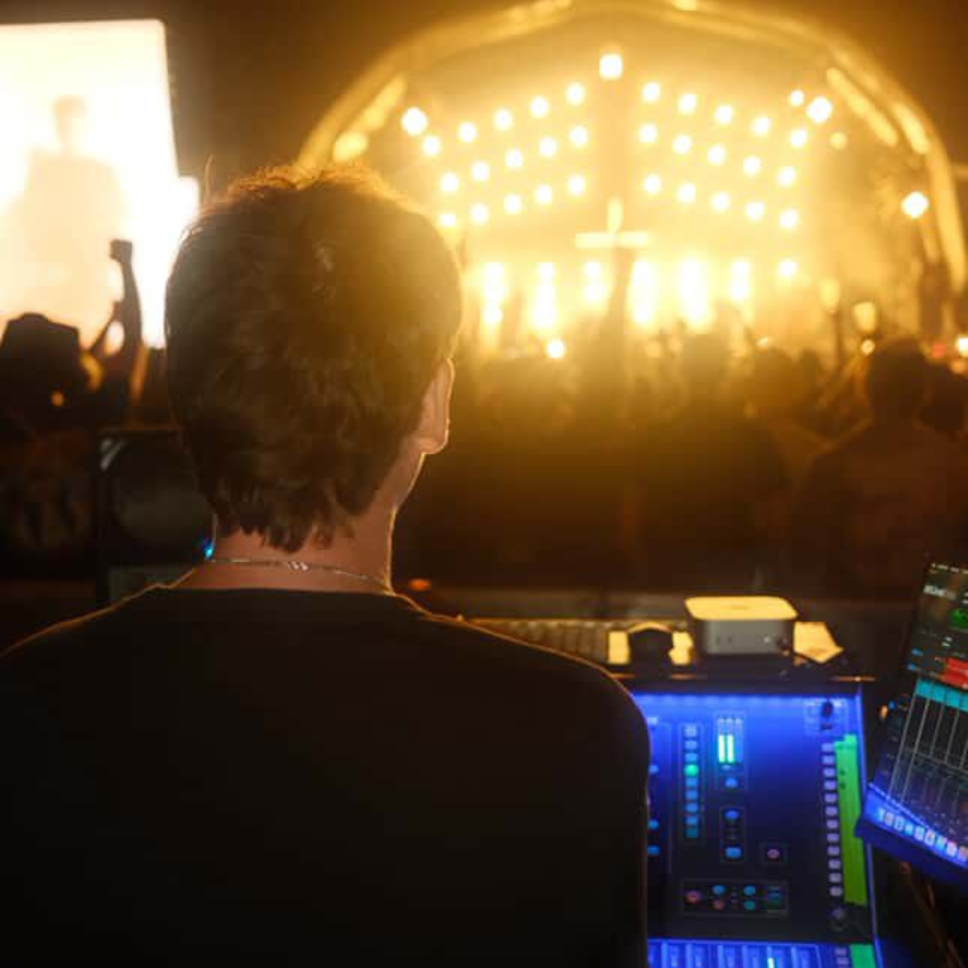
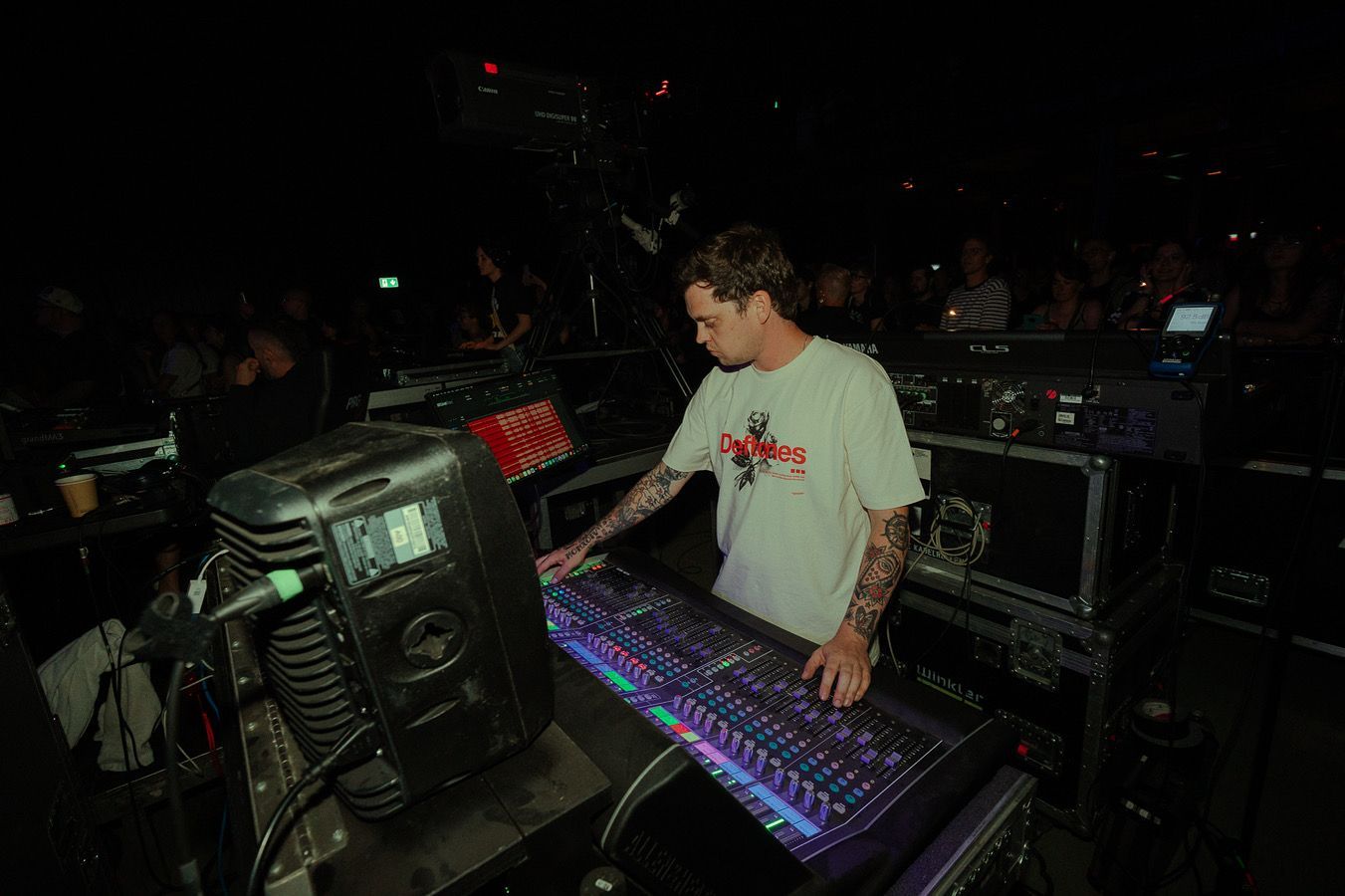
Today, he mixes front of house for Knocked Loose, a metal band from Louisville, Kentucky. In a live setting, the front-of-house engineer is responsible for what the audience hears. Every venue, PA, room, festival, and show is different, so the job requires technical skill, speed, taste, confidence, and the ability to make decisions in real time.


For Matt, some of that transition came from his studio background.


“A lot of the stuff I started doing when I mixed live was muscle memory from my studio mixes,” he said.


If he knew how he liked a kick drum to sound in a Pro Tools session, he could try a similar EQ move on the live console. If he understood mic selection in the studio, he could bring that knowledge to the stage. If he knew the genre deeply, he could make decisions that helped the band sound like themselves.


That genre knowledge matters.

Matt explains that even if you do not personally love every kind of music, understanding different genres makes you a better engineer. You may be mixing heavy music one day and get offered a country gig later. The job is not just to make something loud or clean. The job is to make the artist sound like the artist.


“I might mix Knocked Loose right now, but one day I could get offered a country gig, and I need to know how to make a country band sound like a country band,” he said.
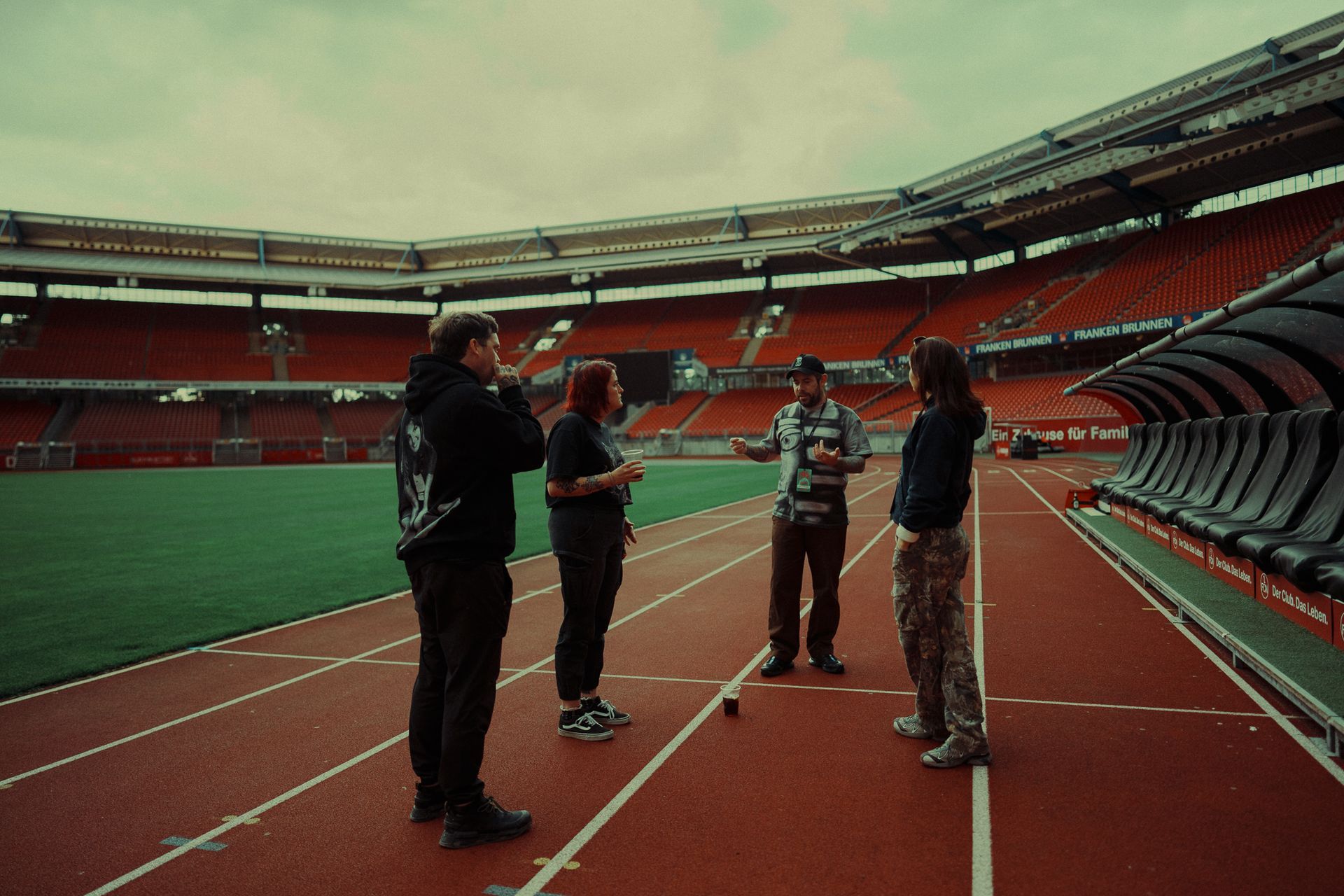
Four people standing on a running track inside an empty stadium, talking near the lanes

Learning the Console Before the First Big Moment

When Matt talks about OIART’s role in his live sound career, he comes back to the basics: signal in, signal out, and knowing how a digital console works.


OIART gave him a technical base that helped him step into live situations without feeling completely lost.


“OIART was definitely, this is how you operate a digital board, this is how you make sound come in, this is how you make sound come out,” Matt said. “That was the most important thing for me.”


That mattered when he walked up to a show where he had never mixed before. He may not have had total confidence in every part of the live environment yet, but he understood the board. He knew how sound moved through the system. He had a starting point.


That is often the difference between freezing and figuring it out.


“You’re never left out to try,” he said. “There’s always somebody there to help you in any regard. Whether it’s at school, whether it’s at a venue, there’s always a tech there.”


Big Rooms, Big Moments

Matt’s newer spotlight captures a very different stage of his career.


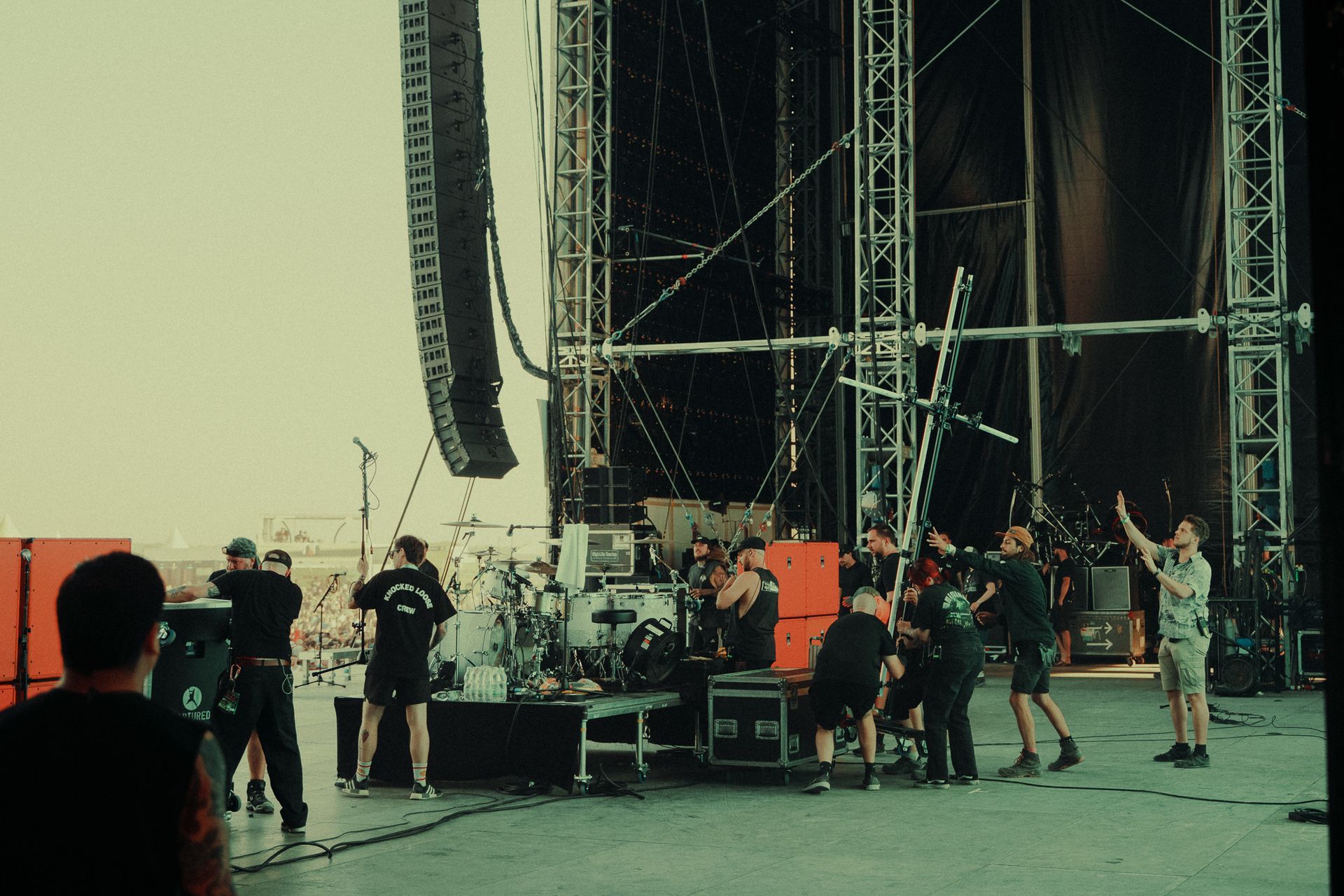
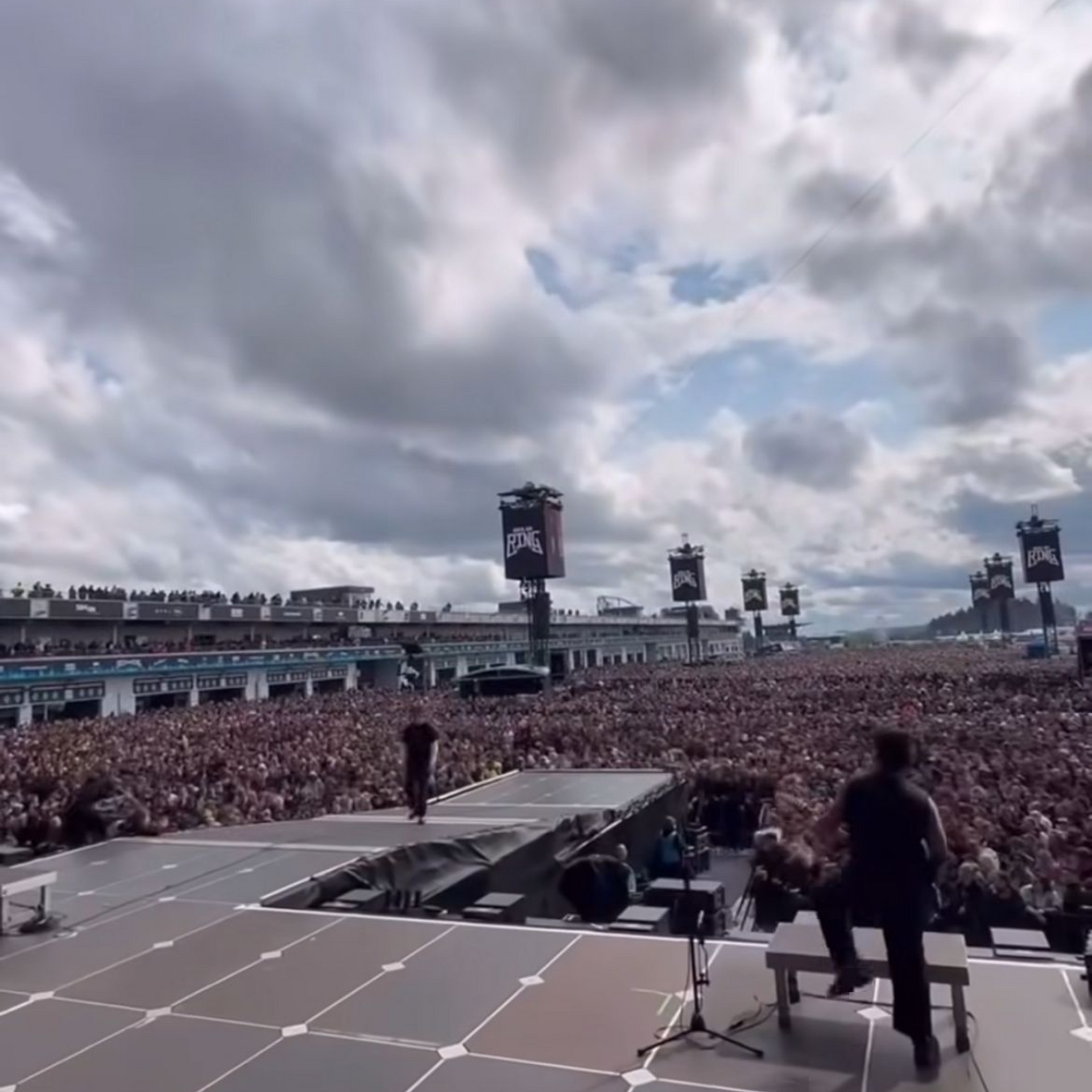
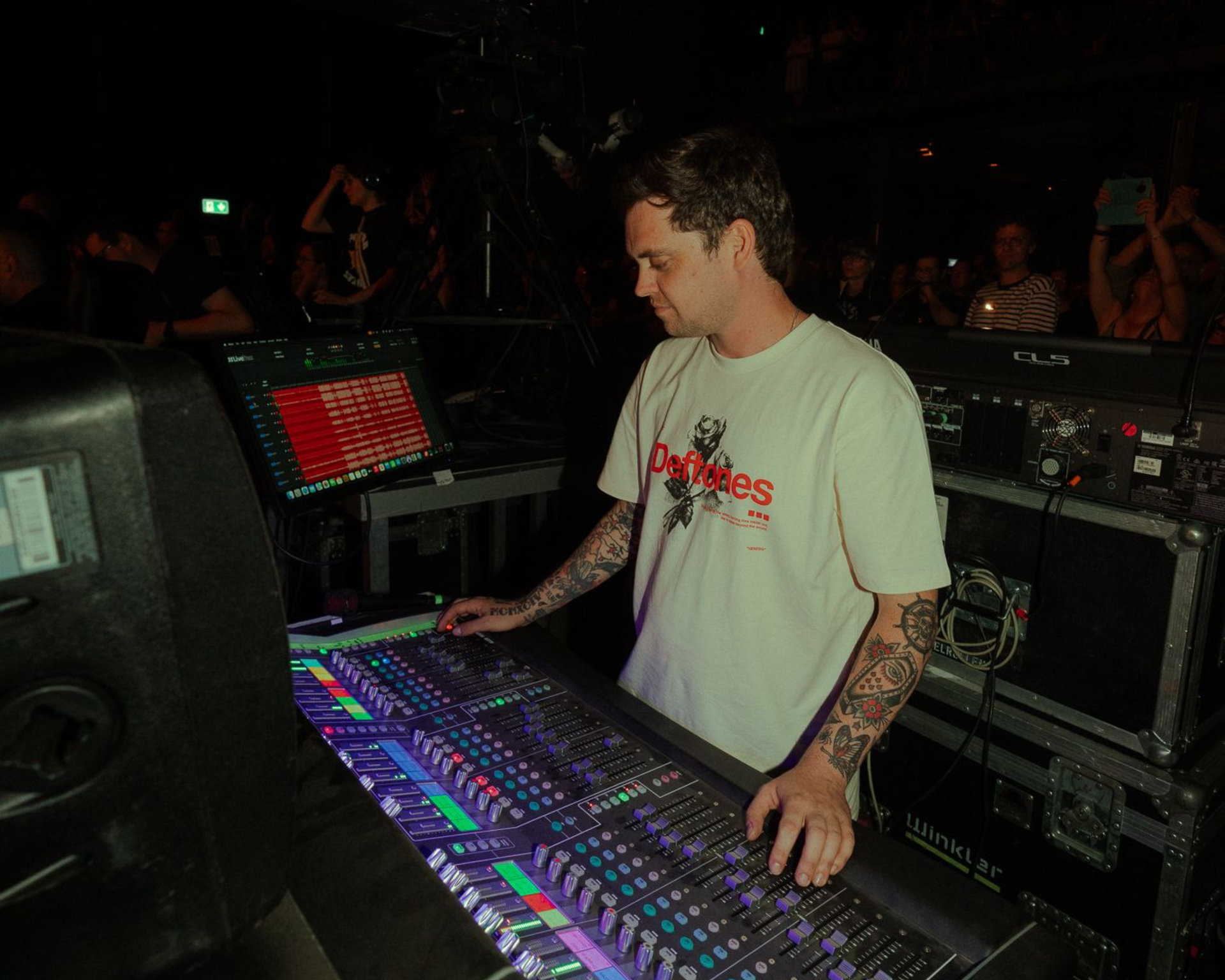
He talks about Madison Square Garden, Coachella, Jimmy Kimmel, arena shows, and stadiums in Europe. These are the kinds of moments that would have felt almost impossible to imagine when he was building a studio in Windsor only a few years earlier.


Madison Square Garden stands out to him.


“With it being a sold out show, it was also one of the best mixes I’ve ever had in my life,” Matt said. “I was just sitting at the soundboard going, ‘Holy crap. This is crazy.’”


After the show, he walked around the empty arena, trying to process what had happened.


Coachella was another major moment. Matt describes the magnitude of that set as a big cultural moment for metal. Jimmy Kimmel also stood out because, years earlier, he remembered watching heavy bands on late night television and feeling how surreal it was for metal to get that kind of mainstream attention.


“Never once thought that Knocked Loose would be playing on Jimmy Kimmel,” he said.


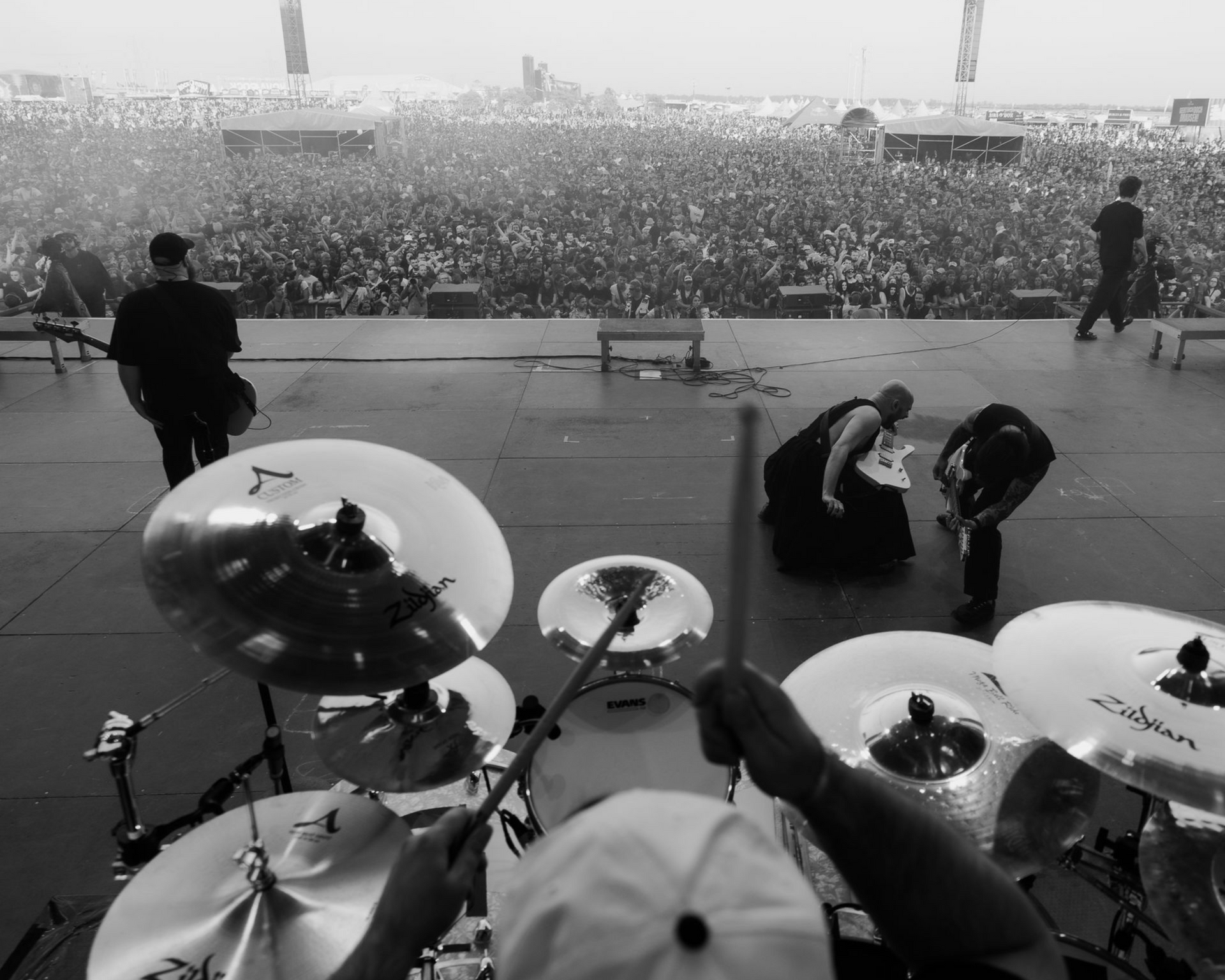
Those moments show the scale of where live audio can take someone. But the work still comes back to the same fundamentals: listen, adapt, solve problems, trust your ears, and understand the tools.
Orchestra rehearsal with musicians seated around a smiling woman in black near a marimba and harp

The Creative Side of Front of House

Front of house is technical, but it is also creative.


Matt talks about building moments into the show, like a “snare bomb” where one snare hit in a breakdown sounds like an explosion. He also started doing “tom bombs,” where floor tom hits create that same kind of massive impact.


For a band like Knocked Loose, those moments matter. The set is meant to feel intense. The mix has to support that.


“It kind of adds some atmosphere to the actual set,” Matt said. “I get to kind of perform with the band.”


That is a great way to understand live mixing. A great front-of-house engineer is not just making sure things are audible. They are helping shape the energy of the performance for the audience in real time.


In Matt’s words, part of the set is “full chaos.”


“It’s supposed to sound like the end of the world, basically,” he said. “And that’s my job.”


Why Hands On Learning Still Matters

Matt is direct about how he learns.


He says there is a lot he has learned on YouTube, but there are also things he could not fully understand until he had his hands on the gear.


“You can learn everything you need to on the surface level about a piece of gear, but you will not learn how to use that piece of gear unless you’re physically turning the knob,” he said.


That is where OIART made a difference for him.


He needed to be in front of the equipment, moving faders, twisting knobs, hearing changes in real time, and having someone explain what was happening while he did it.


“Getting your hand on a fader and twisting knobs and just getting your hands on the actual gear is the best way to learn how to use it,” Matt said.


That same idea showed up in his first spotlight too. Matt talked about learning concepts in class, then applying them in labs directly or even that same night. For him, that connection between theory and hands on work helped rewire the way he thought about audio.


“OIART kind of rewired my brain,” he said.

Dark concert venue with glowing blue sound equipment in foreground and bright stage lights in distance

The Value of Being Open to Everything

One of the biggest lessons in Matt’s story is that the path is not always what you first expect.


In his first spotlight, he was focused on studio work and building Sovereign Audio. But even then, he talked about missing the rush of touring and knowing OIART had prepared him for more than one path.


“You can work in a studio, you can work in a post-production facility, you can work as a band in a touring gig, and everything kind of just applies all together,” he said.


In the newer video, that idea becomes even clearer.


Matt talks about using things from every class, including timecode from Audio for Visual Media and networking concepts from Chris’s class. He says he is constantly doing network and IP related work in live environments.


His advice is not to enter school with a closed mind.


“You don’t want to go, I just want to do studio stuff,” Matt said. “You want to have your mind open to doing everything.”


That is one of the most important parts of the OIART message. The goal is not to lock students into one narrow job. It is to help them build enough of a foundation that when an opportunity appears, they can step into it.


Making Real Connections

Matt also gives very direct advice about networking.


He does not frame it as using people or trying to force career moves out of every relationship. Instead, he talks about genuine friendships, normal conversations, and meeting people because you actually care about the work and the community.


“If there’s someone you want to meet who you think can help your career, and I don’t mean this in a use them kind of sense, because you should never use anybody for your career, do what you can to meet them,” he said.


His advice is simple: act normal, be genuine, and build real relationships.


“Create genuine friendships with people and it goes a long way,” he said.


That kind of advice matters because live audio is a relationship driven field. People recommend people they trust. They call people who show up prepared. They remember people who are good to work with.
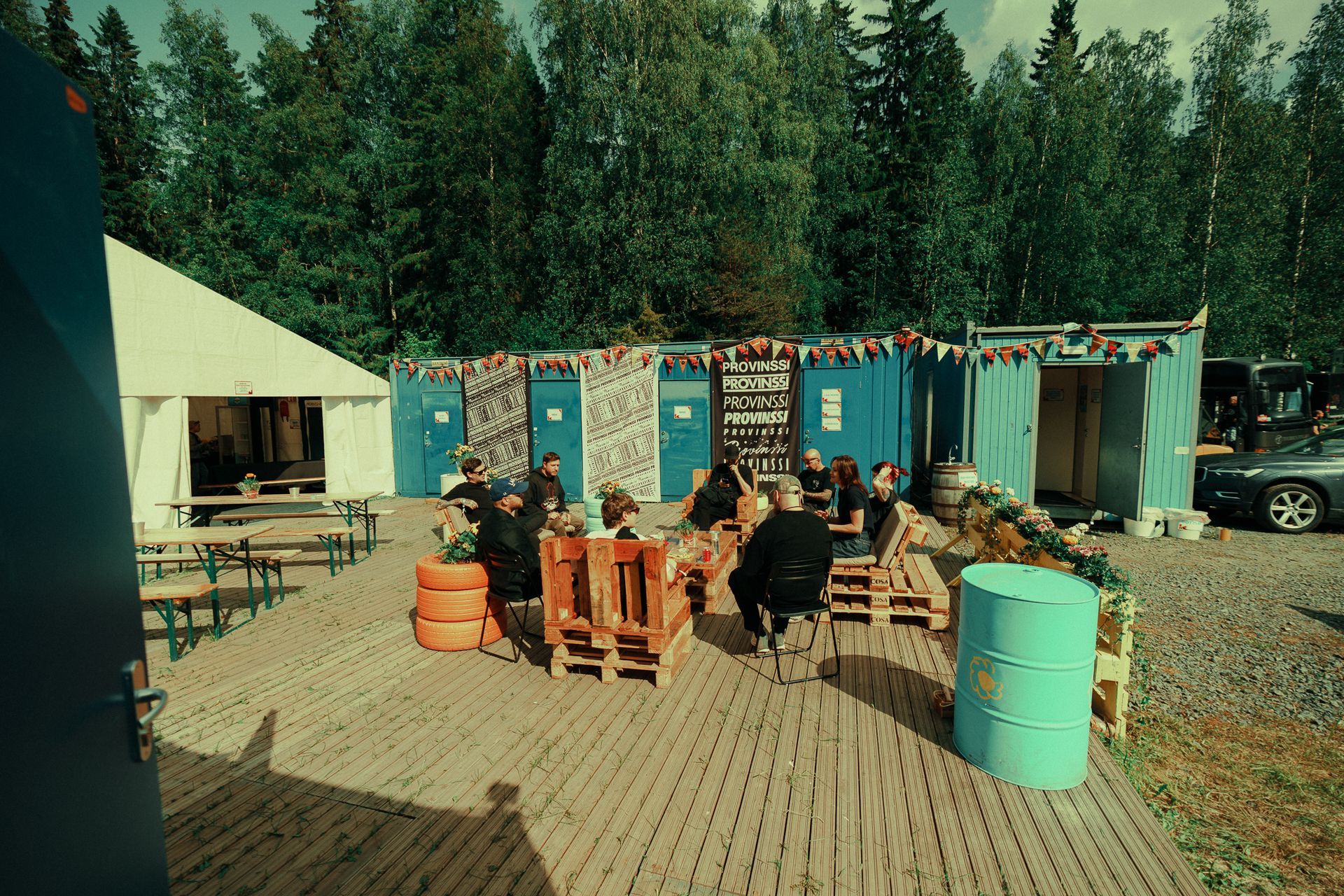
People seated outdoors at a rustic campsite with blue sheds and barrels in a wooded area.

From Windsor to the World

Matt’s story is powerful because you can see the progression.


He started as a touring musician who wanted a more solid future in music. He came to OIART to sharpen his skills. He built Sovereign Audio in Windsor after graduation. He worked on studio projects, learned how to treat a room, built client relationships, and kept developing.


Then the path shifted.


The studio skills became live mixing skills. The genre knowledge became an advantage. The console fundamentals became confidence. The hands on training became muscle memory. The willingness to stay open led to opportunities that put him in front of massive audiences with Knocked Loose.


It is not a story about one job title.


It is a story about momentum.

Watch Both Matt Andrews Grad Spotlights

Together, these two videos show Matt’s growth from recent OIART graduate and studio owner to international touring front-of-house engineer. They also show how audio careers can evolve when technical training, real world experience, relationships, and opportunity start to connect.

Matt Andrews Grad Spotlight, Sovereign Audio, Windsor

Matt Andrews Grad Spotlight Update, Front of House for Knocked Loose

FAQs About Matt's Time at OIART

  • What does Matt Andrews do now?

    Matt Andrews mixes front of house for Knocked Loose, a heavy band from Louisville, Kentucky. As the front-of-house engineer, he is responsible for what the audience hears during live performances.


  • When did Matt Andrews graduate from OIART?

    Matt Andrews graduated from OIART in 2021.


  • What was Matt doing in his first OIART Grad Spotlight?

    In his first Grad Spotlight, Matt had opened Sovereign Audio in downtown Windsor. The video focused on his path from touring musician to studio owner and how OIART helped him build the skills to create and work in his own recording space.


  • What does a front-of-house engineer do?

    A front-of-house engineer mixes the sound the audience hears at a live show. The role involves operating the console, balancing instruments and vocals, adapting to different rooms and PA systems, solving technical issues, and shaping the energy of the performance in real time.


  • Can OIART lead to live sound and touring work?

    Michelle points to signal flow, troubleshooting, hot keys, DAW navigation, feedback, communication, hands-on learning, and the ability to calmly work through technical problems.


  • How did studio skills help Matt in live sound?

    Matt says a lot of what he started doing in live mixing came from muscle memory from his studio mixes. EQ decisions, mic knowledge, genre understanding, and critical listening all carried over from studio work to live front-of-house mixing.


  • What advice does Matt have for future audio students?

    Matt encourages students to stay open to different parts of audio, build genuine relationships, take opportunities even if they feel intimidating, and get hands on with real gear. He says you do not truly learn a piece of equipment until you physically use it.


  • Why does Matt think hands on learning matters?

    Matt says YouTube can help with some things, but there are parts of audio he could not fully understand until he was physically turning knobs, moving faders, and hearing what the gear was doing in person.


Michelle Hwu’s Career in Sound Designer & Audio Enginee Photos

Video Transcript

  • Matt Andrews, OIART graduate, 2021. Sovereign Audio

    Matt Andrews, OIART graduate, 2021. Featured first as the owner of Sovereign Audio in downtown Windsor, and later as the front of house engineer for Knocked Loose.


    Part 1: Earlier Grad Spotlight - Sovereign Audio


    Opening at Sovereign Audio

    I like that this place is unmarked, right? Nobody really knows there is a recording studio here.


    My name is Matt. I own Sovereign Audio here in downtown Windsor.


    I think going to school was probably the best decision I ever made. Like I told you, it was the final piece of the puzzle for me.


    Step into my office.


    From touring musician to audio professional

    It was just something I always kind of wanted to do, even as a kid. I had that cliche dream of wanting to be a rock star.


    The older I got, the more I realized how hard that is to do. So I kind of made my own thing out of it.


    Touring was really tough, and I wanted to have a more solid job in music. I really wanted to hone in my skills, so that is why I chose to go to OIART.


    I would rather be one of the people behind the scenes doing it.


    Working in the studio

    I will come in sometimes in the morning, sometimes in the afternoon. I do a lot of mixing just because it is one room.


    I basically just take whatever is offered to me. I came out of school wanting to do metal, but I realized very quickly that there is a slim market for metal. So I am trying to branch myself out to as many genres as there are right now.


    That was my favourite thing, because I also realized how much the techniques in metal recording apply to all these different genres too. If you know the basics of one concept, you can apply it to everything.


    Learning concepts and applying them right away

    That is what I feel OIART taught me the best.


    It was funny because I would be working on mixes while I was at school, and I would be struggling with something, and the next day it would be covered in class like clockwork.


    It was cool seeing everything you were struggling with being applied right there, and then you get to have the hands-on application with the labs too.


    Re-identifying after touring

    It was tough, just because touring was all I really knew for about eight years. I had to re-identify myself from being a touring musician to being a studio engineer.


    I love this. I wish I could get back on the road again. It is something I will definitely...


    That is another thing with OIART too. They prepare you. You can work in a studio, you can work in a post-production facility, you can work as a band in a touring gig, and everything kind of applies all together.


    Becoming a diversified audio professional

    It was scary at first, getting into this and getting out of school and realizing, I want to do studio stuff, but you have to be able to become that diversified audio professional.


    Becoming that was scary. It is still scary, but it is exciting. Every day is a little bit different.


    Opening his own space

    It was something I decided I wanted to do right when I got out of school, and I did not really want to wait around. I wanted to jump right into it because I had some clients that I was already working with while I was in school.


    But I wanted to have my own place. That was not my parents' basement, right? Somewhere I could bring my clients in whenever I wanted to.


    I feel like it worked out pretty well. It was good.


    Building the room

    I learned a lot about construction. I put together all of these sound panels.


    Everything that helped me prepare this room, I learned about at school through Lee's acoustics classes, studio building, sound panels, and how to properly treat a room.


    The room still has issues, but it is something I am still working on, and I know how to address them. So I am not scratching my head thinking, why is this not going to work?


    Making local connections

    You make local connections at the school.


    Jacob brings a lot of things here that I do not necessarily have, and I feel like I bring a lot to the table for him. We just work really well together.


    The best thing is that we had the exact same education. Everything that I know, he knows. We just work really well together.


    Pro Tools and lab efficiency

    You spend so much time on this stuff at OIART. It kind of becomes your life for 11 months.


    Pro Tools is still my favourite DAW now. The fact that we learned so much about it, it is just ingrained in you.


    The thing I liked about labs was that the three hours really made you focus in on the things you were learning and get as efficient as possible as fast as possible.


    Coming out of school and having my own space where I can spend six hours just testing out mic placements and getting drum tones, it is really, really cool.


    What he knew before school

    Absolutely not. I did not know how anything worked.


    I talked this big game that I knew all this stuff, and I really knew nothing. I sort of laugh at myself back then. I should have laughed at myself. I did not even know what phase was.


    I had this vision when I was at school. Something just clicked midway through the year where I was like, I want to open my own studio. Not that I do not want to work for other studios. I want to do my own thing. I have a vision in mind.


    The final piece of the puzzle

    The biggest thing is that school was the final piece of the puzzle for me. Everything kind of brought everything together.


    I would be doing this so much harder if I had not gone to school. I would not have been able to open up a space like this.


    I was strictly a performer, so I did not really know everything that went into it, but I wanted to be able to understand it. School just made everything more clear.


    Professional pressure and being true to your word

    I kind of miss that rush though. The rush of, we have to go, we have to go.


    Being true to your word is a big thing in this industry. If you say that you can get something done for somebody, you better get it done for them, or else that is on you.


    I do not want to look bad for other engineers, so I try to do my best work, put my head down, and make people happy.


    Why school helped

    There are plenty of people in this industry who have not gone to school and who make good careers.


    But what is the harm in having people who have done this professionally as a career teach you how to do this step by step, day by day, essentially holding your hand and walking you through everything? There is nothing wrong with that.


    I think going to school was probably the best decision I ever made. Like I told you, it was the final piece of the puzzle for me.


    I am not a YouTube guy, where I can just watch a video and learn stuff like that. There are people who can do that, and all the power to them. It is amazing.


    I need to be sitting in front of somebody, or physically turning the knob with somebody, seeing how everything works. Otherwise, I am kind of lost.


    That is where I feel like school helped. You learn about the concepts in class and you apply them in the labs directly, or that night. You are putting into action everything you learned, and I feel like you will not get that experience anywhere but school.


    Part 2: New Grad Spotlight Update - Front of House for Knocked Loose


    Introduction

    I am Matt. I do front of house for Knocked Loose, a metal band from Louisville, Kentucky.


    Getting the tour

    When I got told about the tour, initially I thought they were joking. Then they were serious, and we all kind of had a bit of a cry session.


    It was surreal to think about. You think, what is bigger than that? You could go on tour with a pop artist and do arenas, but we are doing stadiums in Europe with the biggest metal band in the world. It is pretty crazy to think about.


    It was a very formative band for everybody in the band and the crew. I feel like anybody who listens to metal in general, that is the band. So it is a surreal feeling.


    How studio mixing translated to live mixing

    A lot of the stuff I started doing when I mixed live was muscle memory from my studio mixes.


    If I knew how I liked a kick drum to sound from the EQ move I made in Pro Tools, I tried that on the live console, and it translated well.


    A lot of it was knowing the mic selection and stuff like that too. But definitely having a knowledge of the genre will help give you the best mix in that genre.


    Even if you do not enjoy the genre, having knowledge of all genres helps you translate it over to what you may do next. I think knowing all music as this kind of engineer will help you.


    I might mix Knocked Loose right now, but one day I could get offered a country gig, and I need to know how to make a country band sound like a country band.


    What OIART gave him technically

    OIART was definitely, this is how you operate a digital board. This is how you make sound come in. This is how you make sound come out.


    That was the most important thing for me, because walking up to that first show where I had never mixed, I at least knew how the board functioned.


    The one thing I like to stress to people is that you are never left out to try. There is always somebody there to help you in any regard. Whether it is at school or at a venue, there is always a tech there to hold your hand if you need it.


    Madison Square Garden, Coachella, and Jimmy Kimmel

    Madison Square Garden was that one, especially with it being a sold-out show. It was also one of the best mixes I have ever had in my life.


    It was one of those moments where I was sitting at the soundboard going, holy crap, this is crazy. After that, I walked around the entire empty arena just processing what happened.


    Coachella was another big one too, just because of the magnitude of that set. It was a really big cultural moment for metal in general.


    I think Jimmy Kimmel was probably the biggest for sure. I remember watching Asking Alexandria on Jimmy Kimmel, who was my favourite band at that time, and it was so surreal to me that a metal band could get mainstream attention like that on public television.


    I never once thought that Knocked Loose would be playing on Jimmy Kimmel.


    Why Knocked Loose works

    I think they have a really, really good team behind them. Their management is tapped in with the mainstream world and very well connected. Their booking agent is incredible at what he does too.


    The band itself writes incredible music. I am not even trying to sound like I am gassing them up, but I do not think I have ever listened to a bad Knocked Loose song. They just keep pumping out good, high-quality music.


    Networking and genuine relationships

    If there is someone you want to meet who you think can help your career, and I do not mean this in a use-them kind of sense, because you should never use anybody for your career, do what you can to meet them and do what you can to act normal about it.


    Do not meet them with the intention of, I want to get this from you. Here is what I can offer you. Create genuine friendships with people, and it goes a long way.


    Taking opportunities before you feel ready

    If you are given the opportunity, just do it. Even if you feel like your skill level is not where it should be, you will develop it. You have the tools that OIART provided you, and that is really the most important thing.


    Why hands-on learning matters

    You can learn everything you need to on the surface level about a piece of gear, but you will not learn how to use that piece of gear unless you are physically turning the knob.


    You need somebody going, this is what happens when you turn this knob. This is what it is doing to this. You are hearing it, and you are twisting it in person.


    There is a lot of stuff I have learned on YouTube, but there is a lot I have not been able to fully understand from YouTube.


    Getting into a place like OIART and getting your hand on a fader, twisting knobs, and getting your hands on the actual gear is the best way to learn how to use it.


    If you feel like you are the type of person who needs to be in a class learning, go to school 100%. If you feel like you are on the fence, try it. You do not know until you really get in there.


    Tuning the PA

    I will do some little cuts, and then I will bring in a song that is a bit more polished, a bit more similar to how my mix sounds once I get the PA sounding at a nice level.


    Then I will rip Burn It to the Ground by Nickelback. It is awesome. It gets the people going. It sounds incredible over a PA, and it sounds more or less pretty similar to how my mix sounds.


    So I know that when I get Burn It to the Ground sounding good on that PA, my mix is going to be good to go.


    Mic stands, polarity, and live setup choices

    All my mics, I mount them on the stands underneath and flip the polarity. I hate mic stands. Mic stands should be abolished.


    I try to clamp everything that I can. It looks cool too, but it is also way less footprint.


    Snare bombs and performing with the band

    I am only using a plate for snare verb right now. Then I do something called a snare bomb, which is a big moment in a breakdown in the song. For one snare hit, it sounds like an explosion.


    I also started doing tom bombs. When somebody hits two floor toms, it sounds like the explosion, which adds some atmosphere to the actual set.


    It is cool because I get to kind of perform with the band.


    Finding confidence

    Interviewer: Going off what you said about your first show ever, here you have confidence in your technical ability, but no confidence in anything else. How long did it take for you to figure out, yeah, I can do this?


    Two shows. That is it.


    The second show on that tour was the sister festival of that first festival, so it was just as terrifying. But after that, we went into a lot of club shows where you get an actual sound check, and you really get to mess with things and figure out how to make things sound good.


    Using lessons from every class

    I learned so much from Mark and from all the instructors that I take with me now. I have applied everything from every single class.


    I use timecode from Audio for Visual Media for live stuff sometimes. There was a lot of networking stuff in Chris's class, and I am constantly doing network IP stuff.


    You do not want to go, I just want to do studio stuff. You want to have your mind open to doing everything. That is really the best way to succeed. When the opportunity comes around, you can kind of hop right into it.


    Making it sound like the end of the world

    That part of the set is full chaos. It is supposed to sound as crazy as possible. It is supposed to sound like the end of the world, basically.


    And that is my job, to make it sound like the end of the world.

Interested in Where Audio Training Could Take You?


OIART’s 11 month Audio Recording Technology program is designed to help students build real skills across music production, live sound, studio recording, and audio for visual media.

Apply to OIART, book a campus tour, or contact our admissions team to learn more about the program and where a career in audio could lead.

Follow @yourfutureissound on Instagram & Tiktok!

Ready to Start?

Apply Now

OIART's Program Includes:

  Small Class Sizes

  On Site Facilities

  Industry Leading Instructors

  Post Grad Support & Guidance

  Exclusive 11 Month Program

Top Reasons Why You Should Choose OIART.

View Infographic

Have Questions?

If you have questions about our program for audio engineering and music production or would like to book a tour, we would be pleased to speak with you.


Call Us: 519.686.5010

Text Us: 519.200.4151

Email Us: Using Our Contact Form

Share This With a Fellow Music Lover

Apply in 3 Steps!

Step 1: Click Apply Now to start.

Step 2: Answer questions about yourself.

Step 3: Submit and check your email.

Apply Now

Share this with fellow music lovers