Gabe Packer - Alumni Spotlight

Jeremy Alves | July 10, 2026

From OIART to Picture Shop: Gabriel Packer’s Career in Audio Post Production

When most people think about a career in audio, they picture recording studios, live concerts, or music production sessions.


Gabriel Packer’s career shows another side of the industry.


A 2021 graduate of OIART, Gabe is now the layback lead at Picture Shop in Toronto, where he helps manage the final audio deliverables workflow for film, television, streaming, and broadcast projects. It is a highly detailed role, and one that many future audio students may not even know exists yet.


That is part of what makes his story so useful for anyone
considering audio school. Gabe’s path shows how broad the audio industry really is, and how a strong technical foundation can lead to opportunities in places you might not expect.


🎥 Watch my journey with OIART and see how it changed my life!
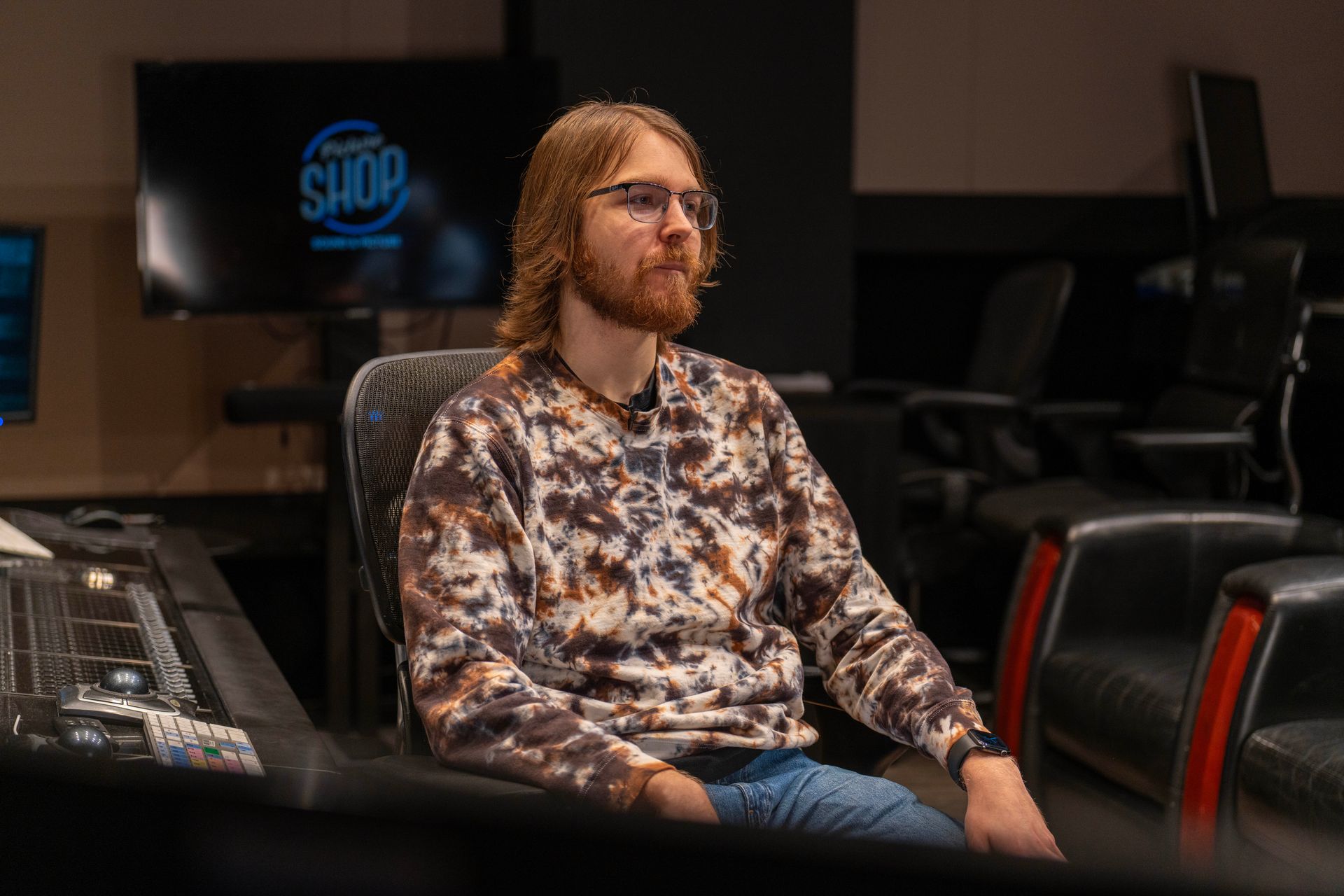
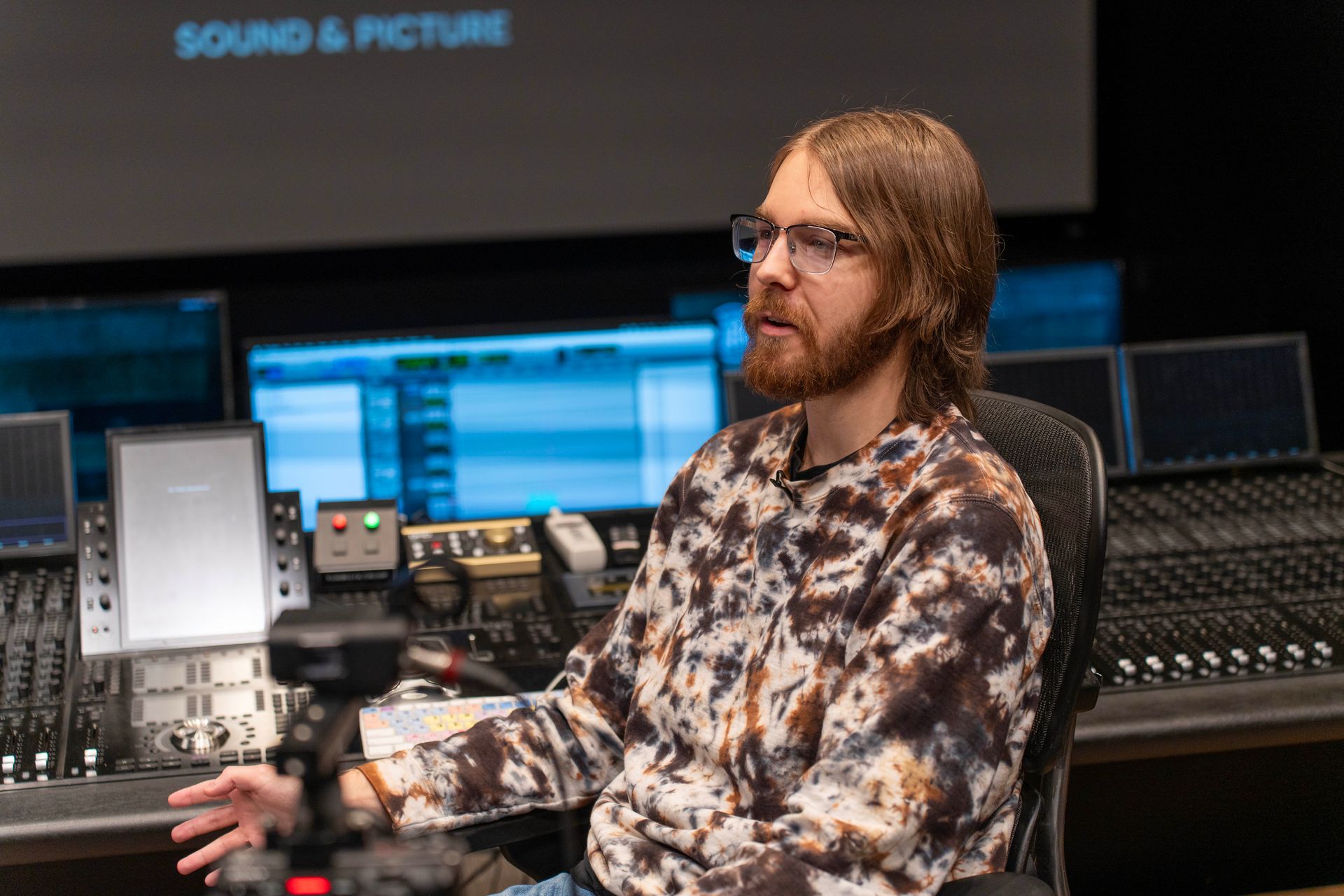
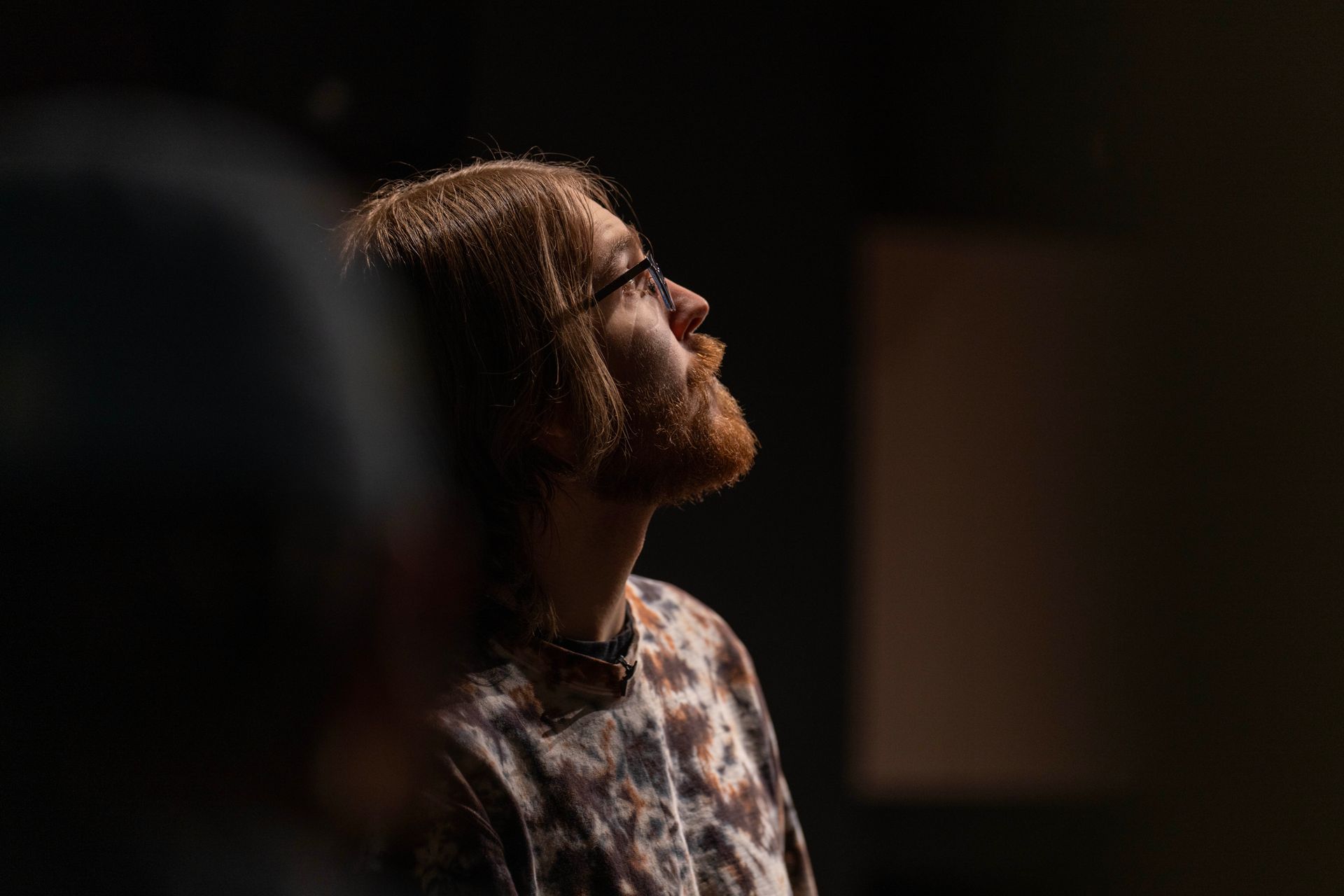
Gabriel Packer sitting in a lounge chair in a dark theater room, wearing a patterned shirt and jeans.

What Does a Layback Lead Do?

At Picture Shop, Gabe helps lead the deliverables workflow for the audio department. In simple terms, that means his team helps make sure final audio files are correct, clean, organized, and ready to go before they are sent out into the world.


“We’re kind of the last line of defense when it comes to our audio,” Gabe explains. “Before it goes live, broadcasted, or streamed somewhere, we’re making sure that we have fully checked it out.”


That includes listening for clicks, pops, distortion, sync issues, and anything else that could cause problems before a project reaches a broadcaster, streaming platform, distributor, theatre, or quality control team.


It is technical work, but it is also creative in its own way. Gabe and his team are listening carefully, checking details, solving problems, and making sure the audience hears the project the way it is supposed to be heard.


“We are the last people who get to hear the audio before it goes out,”
Gabe says. “Any file that you hear on broadcast, on streaming, at the movie theater, we are the team that made that file that you’re actually hearing for the audio.”


A Career Path Many Students Do Not Know Exists

One of the most interesting parts of Gabe’s story is that layback work is not always something students know to look for when they first start researching audio course.


A lot of people come to audio school thinking mainly about
music production. Others are drawn to live sound, film sound, gaming, or studio recording. But the industry is full of specialized roles that sit behind the scenes, making sure creative work actually makes it to an audience.


Gabe’s role includes working in Pro Tools, monitoring deliverables, checking loudness levels, keeping file structures organized, and meeting different distributor requirements. Some days, his team may spend the whole day on one film because several distributors need different versions of the final audio files.


“Some days we’ll just be working on the same movie the entire day because we have five or six different distributors that want deliverables for that film,” Gabe says.


That kind of work requires more than knowing software. It requires focus, organization, patience, technical consistency, and the ability to keep quality high while moving efficiently.
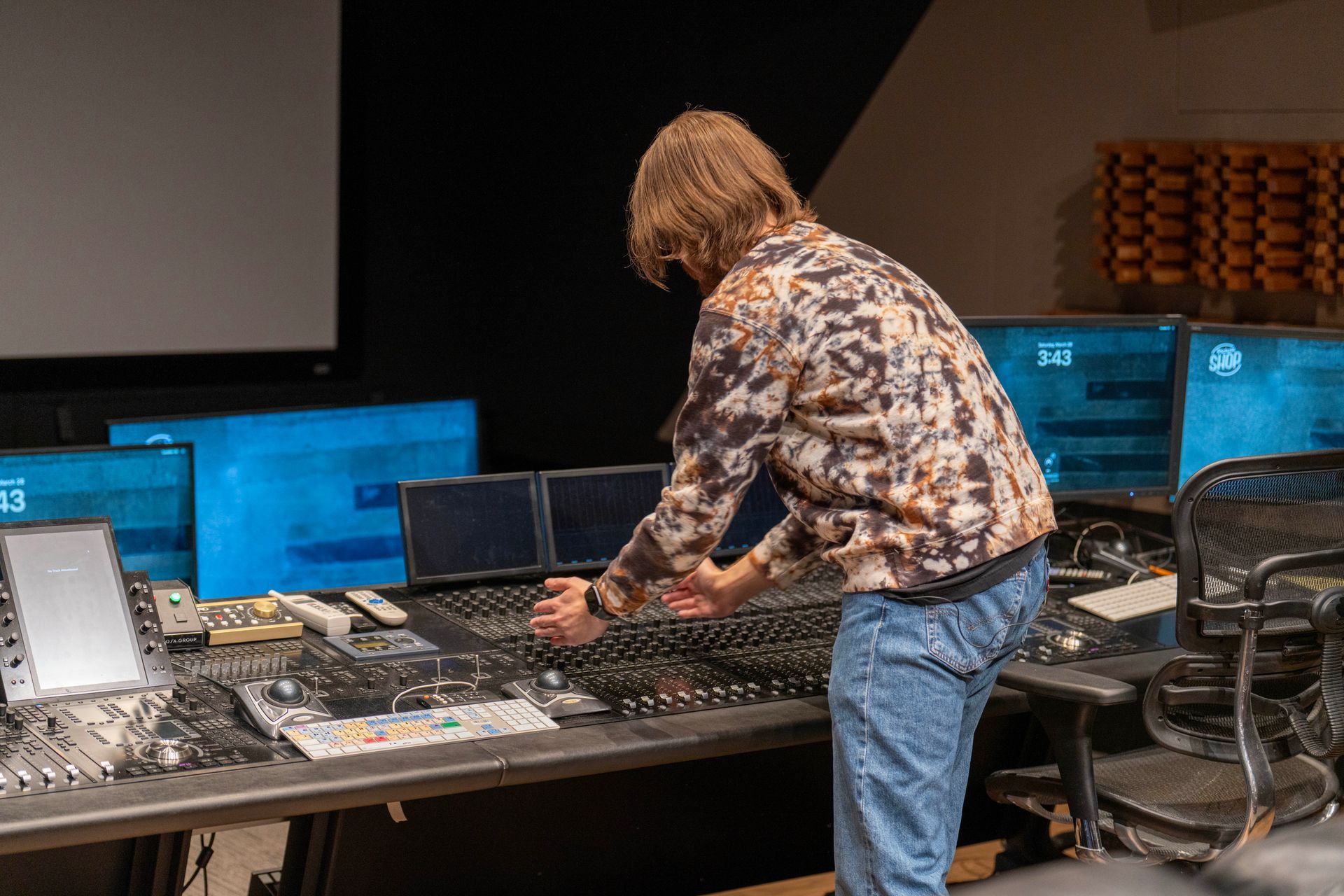
Gabriel Packer adjusting audio mixing console in a recording studio with multiple monitors and equipment.

How Gabe Got Started

Gabe credits part of his path into post production to Mark Vogelsang, OIART’s Audio for Visual Media instructor.


At the time, Formosa Group was hiring for a layback operator. Mark told Gabe about the opportunity, Gabe went through the interview process, and that first role became the starting point for his post production career.


Once he was there, Gabe describes it simply: he did the work.


“It was mainly just doing the grind,” he says. “It was a lot of work. I put a lot of hours in.”


Within his first nine months, Gabe was promoted to assistant rerecording mixer. As new layback operators joined the team, he also became the person training them. Over time, he realized he understood the layback workflow deeply and enjoyed helping others learn it.


“I’m somebody who really likes teaching,” Gabe says. “I really enjoy the collaborative side of it and seeing people have those aha moments.”


That eventually led him to propose a change. Instead of splitting his attention between assistant work and training layback operators, Gabe stepped into a lead role where he could focus on building and supporting the layback department.


Within about a year and a half, he had moved through two major career steps.

Want to learn more?

Become a professional in Audio Recording in only 11 months!

Apply Now

OIART's Audio Recording Technology Program Includes:

  Small Class Sizes

  On Site Facilities

  Industry Leading Instructors

  Post Grad Support & Guidance

✓  Exclusive 11 Month Program

What OIART Helped Him Build

For Gabe, OIART did not teach him every single thing he would ever need to know. No school can do that. But it gave him the foundation to keep learning after graduation.


That difference matters.


“OIART doesn’t teach you everything,” Gabe says. “It teaches you a lot, and a lot more than you could possibly even think you’re going to learn going into the year, but you’re still going to be growing after that.”


In his current role, Gabe still uses the habits he built during the course. He talks about workflow, time management, taking clear notes, learning hands on, and understanding how to allocate his own resources to a project.


Those skills are not always the flashy parts of audio, but they are often the things that help people succeed once they are working professionally.


“How fast can you organize things while still remaining at that high level of quality?” Gabe says. “You don’t want to lose quality to build efficiency.”


That balance between speed and quality is a major part of professional audio work, especially in post production environments where deadlines, file specs, and technical accuracy all matter.


Why a Broad Audio Education Matters

One of Gabe’s biggest takeaways from OIART is that the courses gave him exposure to several different sides of audio.


He talks about live sound classes where students rig trusses, hang lights, course sequences, and work with stage boxes. He talks about production classes where students write and record full songs, choose microphones, place microphones, record instruments, and mix. He talks about Audio for Visual Media, where he became increasingly drawn toward post production,
sound design, and editorial work.


That range helped him see where he could fit.


“They give you the option to explore whatever side of audio you want to,” Gabe says. “They really cover so much more than any other school in that way.”


For students who are not completely sure where they belong in the industry yet, that can be a major advantage. You might arrive thinking you want one path, then discover another part of audio that fits your skills, personality, and interests even better.


Gabe describes this as becoming a diversified audio professional. At OIART,
students are exposed to recording, mixing, mastering, live sound, Foley, sound design, editorial, and other interconnected parts of the industry.


That does not mean every student has to do everything forever. It means they leave with a broader understanding of the field, which can open more doors.
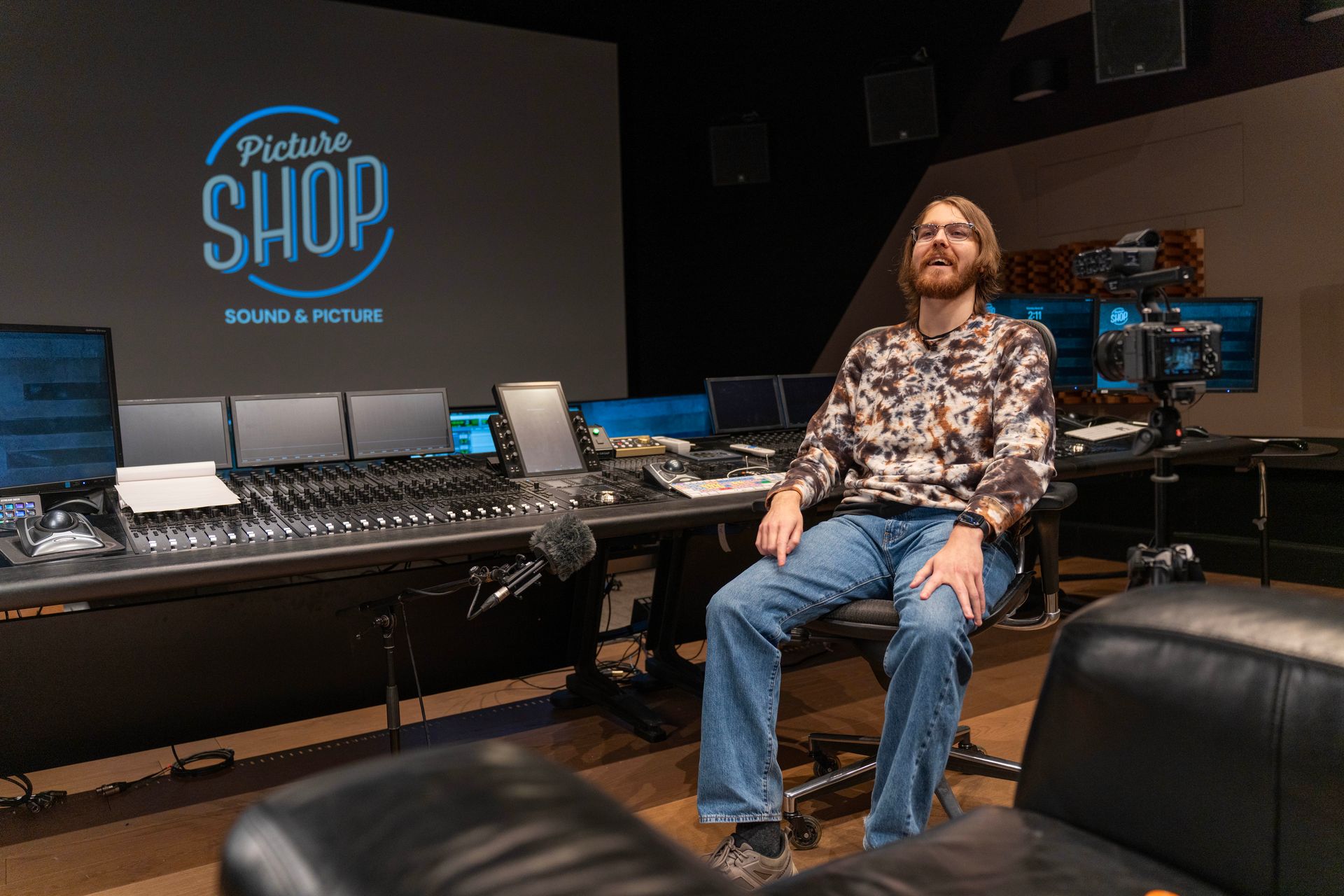
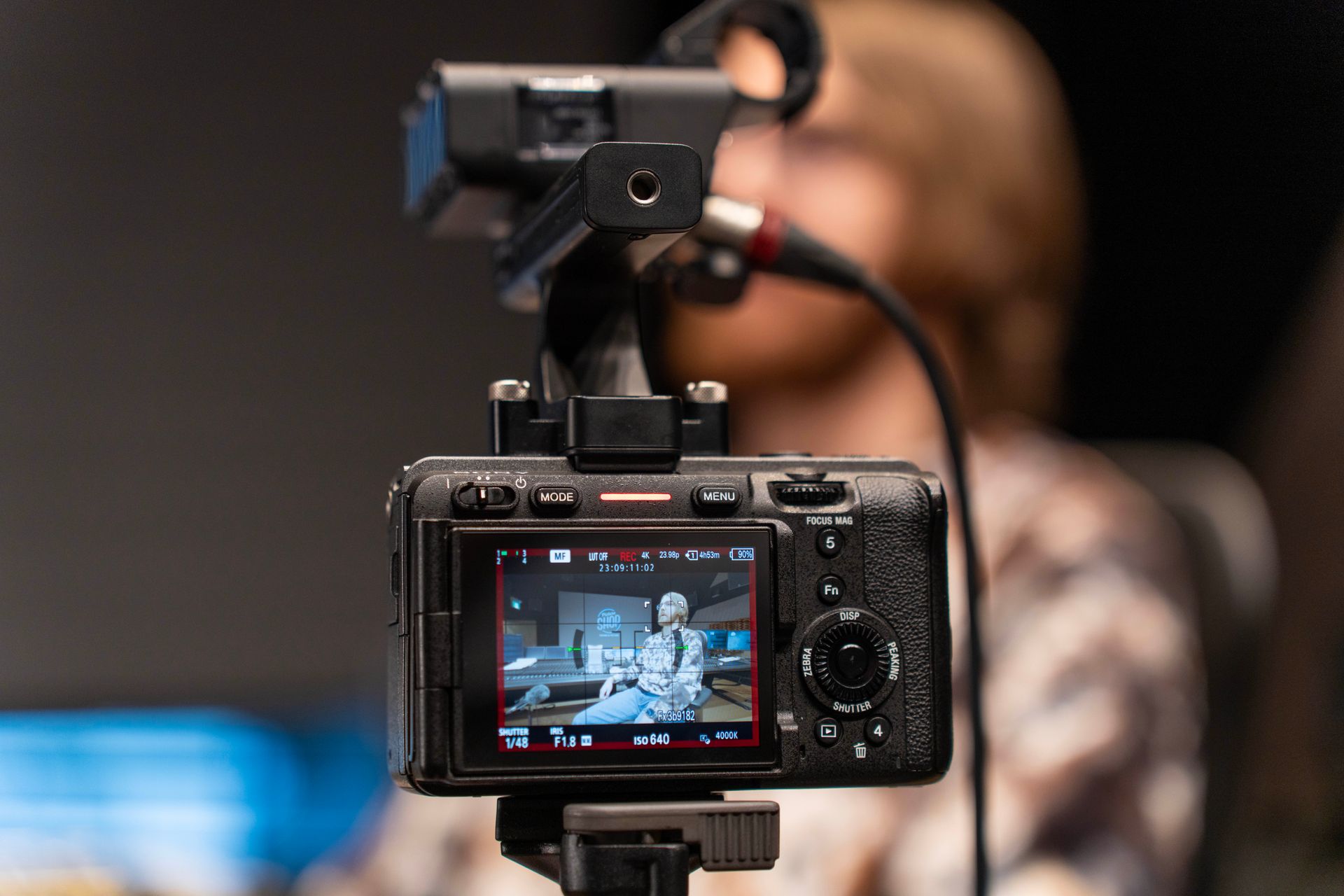
Gabriel Packer sitting in a studio with audio mixing consoles and monitors, under a “Podcast Shop” sign.

Being Open to the First Opportunity

Gabe’s advice for future students and new grads is direct: be open.


Even if you come to OIART focused on one part of audio, that does not mean it is the only thing you will ever find interesting. And because the audio industry is so connected, one opportunity can lead to another.


“You won’t have those opportunities unless you jump into something that you might not think is exactly where you want to be,” Gabe says.


That is an important message for anyone trying to break into the industry. Your first job may not be your dream job. It may not even be a role you knew existed. But it can still teach you,
connect you with people, and move you closer to the kind of work you want to do.


“Whatever it is, first opportunity you find, just jump on it,” Gabe says. “If it’s not your thing, learn from it. Get whatever knowledge you can, move on to something else. Make all these connections because that’s really what’s going to help you.”
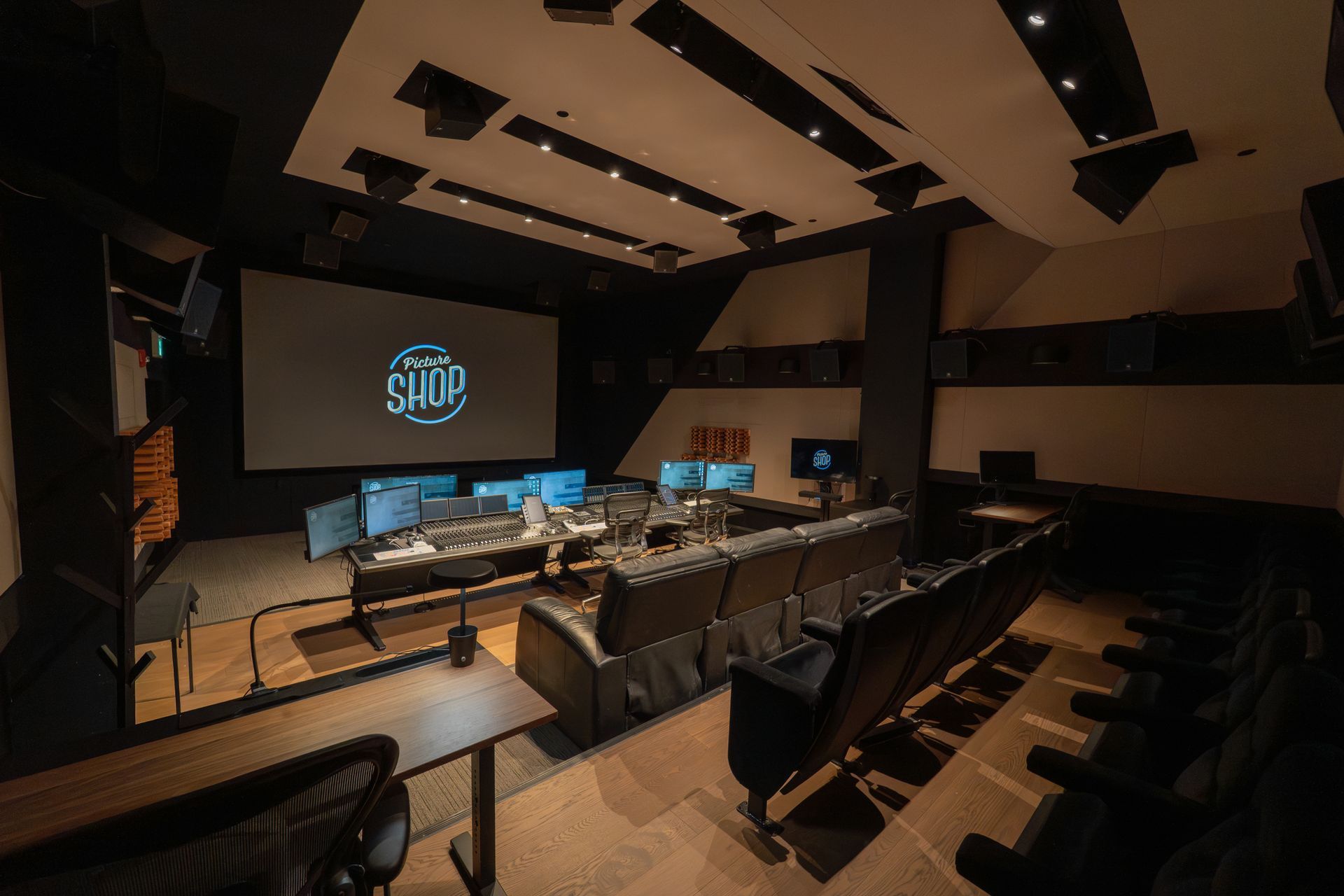

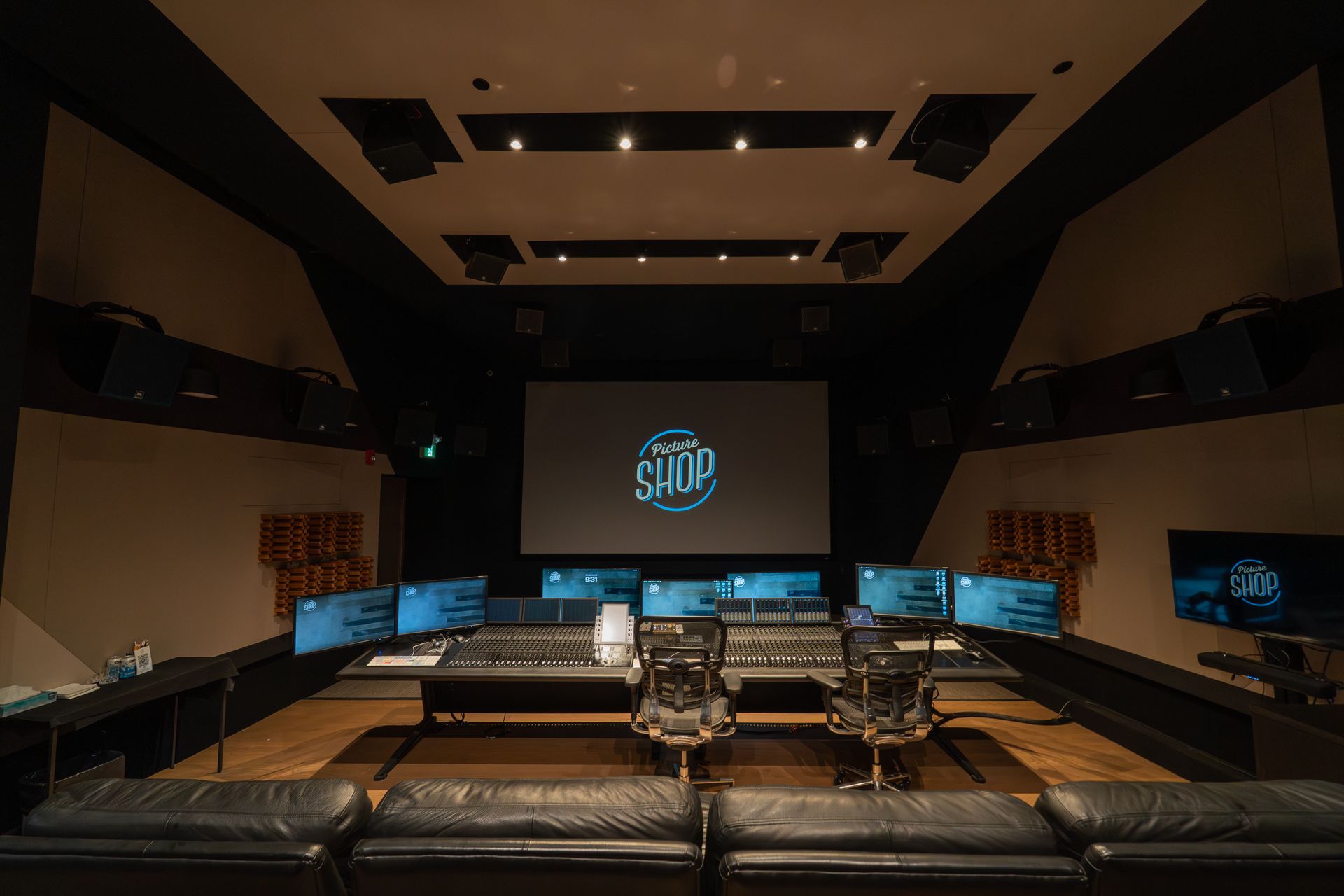
Empty lecture hall with rows of seats, a stage, and a large screen displaying a logo

A Real Example of Where Audio Training Can Lead

Gabe’s story is not just about one job title. It is about how an audio education can turn into a career through a mix of technical skill, curiosity, work ethic, and timing.


He went to OIART, discovered a stronger interest in post production, followed an opportunity through an instructor connection, worked hard in an entry role, learned the workflow, trained others, and eventually helped shape a department.


That is not a generic career path. It is a real one.


For future students, that is the value of hearing from graduates like Gabe. It gives a clearer picture of what can happen after school, not just in the obvious roles, but in the detailed, behind the scenes parts of the industry that keep productions moving.

Avery Szumlanski an audio technician at a mixing console facing a brightly lit concert stage during a live event

Watch Avery’s Grad Spotlight

In this Grad Spotlight, Gabriel Packer talks about his role at Picture Shop, what layback work involves, how he moved into post production, and why being open to different opportunities matters when building a career in audio.

FAQs About Gabe's Time at OIART

  • What is a layback operator in audio post production?

    A layback operator helps prepare, check, and export final audio deliverables for film, television, broadcast, streaming, and other media. The role can include checking audio quality, sync, loudness levels, file names, technical specs, and distributor requirements before the final files are delivered.


  • What does a layback lead do?

    A layback lead helps manage the layback or deliverables workflow for an audio department. In Gabe’s case, that means helping make sure final audio files are organized, technically correct, and ready before they are sent to broadcasters, streaming platforms, distributors, theatres, or quality control teams.

  • How did OIART help Gabriel Packer get into post production?

    Gabe says OIART helped him build the technical foundation, workflow habits, time management, note taking skills, and broad understanding of audio that he still uses in his career. He was also introduced to the job opportunity that led to Picture Shop through Mark Vogelsang, OIART’s Audio for Visual Media instructor.


  • Do OIART grads only work in music studios?

    No. OIART graduates work across many areas of the audio industry, including music production, live sound, post production, broadcast, film, television, games, theatre, events, and related technical roles. Gabe’s work in audio post production is one example of how broad the field can be.


  • What advice does Gabe have for future audio students?

    Gabe’s advice is to be open to opportunities, even if they do not look exactly like the career path you first imagined. He encourages students and new grads to jump into opportunities, learn from them, make connections, and stay open to different parts of the audio industry.


Avery Szumlanski’s Career in Live Sound and Event Production Photos

Video Transcript

  • Gabriel Packer, OIART graduate, 2021. Audio Post Production

    Introduction

    My name is Gabriel Packer. I graduated from OIART in 2021, and I'm the layback lead here at Picture Shop.


    Interviewer: Welcome, Gabriel.


    What a layback lead does

    Essentially, what my job is, is to lead the deliverables workflow for our whole audio department, making sure that any files we're dealing with are free of audio problems.


    We're kind of the last line of defense when it comes to our audio. Before it goes out to quality control teams at other places, or before it goes live, gets broadcast, or gets streamed somewhere, we're making sure that we have fully checked it out. We make sure there are no clicks, pops, distortion, things out of sync, stuff like that.


    It's really cool because we get to experience everything that Picture Shop as a whole is working on.


    A typical week in layback

    A lot of typical shows are on a one-week mix schedule. They do Monday to Friday mix, playback on the Friday, and then we'll either be doing the deliverables that Friday or the next Monday. So toward the end of the week or the start of the week are usually the busiest times for us.


    We're listening to audio all day. We're looking at loading bars in Pro Tools as we render files. We're renaming stuff. We're being very organized and making sure our file structure and everything is correct.


    Our new layback rooms at this facility are 7.1.4 Atmos, so now we can actually experience a proper Atmos mix while we're monitoring our deliverables, which is really cool. We're making sure that we can really pick apart small details if there's anything wrong.


    We're checking LKFS of everything. Some days, we'll just be working on the same movie the entire day because we have five or six different distributors that want deliverables for that film. So we're going through and making sure, okay, this distributor wants files at a certain level. This one wants files at a certain level. They all have different file naming schemes. We're the ones putting all that stuff together.


    Sometimes it's super busy. Sometimes it's a bit slow. It really just depends. But overall, it's a fun job because we get to see everything we get to work on.


    The last people to hear the audio

    We are the last people who get to hear the audio before it goes out. It's really cool because we're actually the team that's making all the files that you hear.


    Any file that you hear on broadcast, on streaming, or at the movie theatre, we're the team that made that file that you're actually hearing for the audio.


    Why a dedicated layback department matters

    It's interesting because layback is typically seen as either an entry-level job or a job that gets assigned to somebody else. We're a unique facility at Picture Shop because we actually have a layback department.


    A lot of other post facilities in Toronto do not have layback departments. What they end up doing is the assistant re-recording mixer has to take on all the brunt of the layback work and make all the deliverables themselves.


    That creates a weird situation where, if something comes up in an emergency, you don't have anyone else to rely on. You have to do it yourself. You have to go on the mix stage, punch the fix, create the updated deliverables, and double-check all your work. That's a lot more for one person to handle.


    When we work in such a big facility on so many projects, it really helps to have a separate team doing that.


    Getting the opportunity at Picture Shop

    I owe a lot of getting into what was Formosa Group and is now Picture Shop to MV, Mark Vogelsang, the Audio for Visual Media teacher at OIART.


    He told me that Formosa, at the time, was hiring for a layback operator. I went through a bunch of interviews, and then once I got here, it was mainly just doing the grind. It was a lot of work. I put a lot of hours in. I was typically doing 10-hour days for quite a few months in a row, with the occasional weekend work, which was great.


    Within the first nine months, I got promoted to assistant re-recording mixer.


    Moving into a lead role

    What ended up happening was, while I was an assistant, whenever they had a need for a new layback operator, they would bring somebody in and I would be the person training them.


    There was this weird imbalance where I was an assistant trying to focus on my assistant work, but I was also being asked to train new layback people, which work-wise became a little overwhelming.


    So I went to my manager and said, hey, I'm really good at training layback people. I really understand their workflow. I've created the workflow that the company was using at that point. I'm somebody who really likes teaching. I really enjoy the collaborative side of it and seeing people have those aha moments.


    I said, if this is something we can do, I'd be more than happy to take over the layback department, make sure it's smooth sailing for them, and step down from assisting. That's what I did. Within a year and a half, I essentially got two different promotions.


    The lead layback operator position is a unique position within the company. It doesn't exist at any of our other locations.


    What OIART helped with

    All of the stuff in between that you do, all of your workflow, how fast you can move between sessions, how fast you can organize things while still remaining at that high level of quality, that's really what OIART helped me with.


    You don't want to compensate in a way where you lose quality to build efficiency. OIART helped me fine-tune my time and understand the best ways to allocate my own resources to a project.


    OIART doesn't teach you everything. It teaches you a lot, and a lot more than you could possibly even think you're going to learn going into the year, but you're still going to be growing after that.


    That's the start of your audio career. It feels like those 11 months are your whole audio career because you learned how to do everything. But now, you have to build upon that even more.


    Depending on whatever jobs you get, you're going to be relying on the skills you developed, even just in terms of how you learn. Being able to do both hands-on learning and writing notes down, taking very good notes, is important.


    Any job you go to, if they have a workflow process, you want to write that down if they don't already have it written down. Being able to take concise notes and explain things in a way you understand, so that you can build upon them, is something you develop at the school out of necessity.


    Why he chose OIART

    The way that OIART was described to me on the website, and the fact that it was only 11 months, made my decision just like that.


    Even if other schools might have been cheaper or a bit closer to home, the way OIART positioned the school online made it make more sense to me. It just seemed like the best idea for me, and it absolutely was.


    I can say 100 percent that I do not regret anything about my year. I really lived it up and absorbed as much information as I could, and that's why I'm here where I am now.


    Exploring different sides of audio

    You have the live sound class where you're rigging trusses, hanging lights, programming different sequences, and hooking up huge stage boxes.


    Then you have the production class where you're writing and recording full songs, learning how to use different microphones, where to place microphones, how to record different instruments, and how to mix. A lot of really important stuff on the music side.


    Then you branch over to Audio for Visual Media. As with a lot of people when they get taught by MV, he kind of draws you in. He is so incredibly passionate and so incredibly gravitating with the way he describes things. That pulled me from the music side to the post-production side for sound design and all of that almost immediately.


    They give you the option to explore whatever side of audio you want to. They really cover so much more than any other school in that way.


    Finding where you fit

    A lot of people go to school for something they think they're interested in, and they just drop out because they can't connect with the program in the way they thought they could.


    Or maybe, with the skill set they have as a person, whether that's interpersonal or technical or something else, they might not have the ability to see themselves excelling in that.


    At OIART, because there are so many different facets and they're all interconnected, you can really pick and choose what areas you want to focus on.


    During your free time, you can explore any of them. You can write your own music outside of class time. You can start doing little sound design projects. You can really do whatever you want.


    We learn Foley. We learn the live sound stuff. We learn mixing and mastering. We learn the recording side. We learn sound design and editorial. The diversified audio professional that they have us take with us when we leave really is exactly what we are, because we know all these different industries.


    Advice for getting started

    Getting started, just be open to anything. That's the main thing. Even if you went to OIART for a particular branch, or if after OIART you feel really attuned to a particular branch, that doesn't mean that's the only thing you're ever going to find cool.


    The audio industry is such a niche market and such an interconnected market. It doesn't matter what kind of work you're doing. It could lead to what you want to do.


    You could do a live sound thing and run into somebody who's a film composer, or somebody who works at a post-production facility like myself, or somebody who knows people looking for someone specifically interested in what they know about.


    You won't have those opportunities unless you jump into something that you might not think is exactly where you want to be.


    There are so many different career opportunities, and it can feel overwhelming, but just put yourself out there and get into one of them. Whatever the first opportunity is that you find, jump on it.


    If it's not your thing, learn from it. Get whatever knowledge you can, move on to something else. Make all these connections, because that's really what's going to help you.


    You need to try to get your foot in the door so that you can make a lot of connections very quickly. Just be open to working on anything. Be that diversified audio professional that the school sets you up to be.

Interested in Where Audio Training Could Take You?


OIART’s 11 month Audio Recording Technology program is designed to help students build real skills across music production, live sound, studio recording, and audio for visual media.


Apply to OIART, book a campus tour, or contact our admissions team to learn more about the course and where a career in audio could lead.

Follow @yourfutureissound on Instagram & Tiktok!

Ready to Start?

Apply Now

OIART's Program Includes:

  Small Class Sizes

  On Site Facilities

  Industry Leading Instructors

  Post Grad Support & Guidance

  Exclusive 11 Month Program

Top Reasons Why You Should Choose OIART.

View Infographic

Have Questions?

If you have questions about our program for audio engineering and music production or would like to book a tour, we would be pleased to speak with you.


Call Us: 519.686.5010

Text Us: 519.200.4151

Email Us: Using Our Contact Form

Share This With a Fellow Music Lover

Apply in 3 Steps!

Step 1: Click Apply Now to start.

Step 2: Answer questions about yourself.

Step 3: Submit and check your email.

Apply Now

Share this with fellow music lovers