1 OF 3 DISCIPLINES AT OIART

Music Production School

Learn music production as one of three audio disciplines within OIART's audio production program, alongside live sound engineering and audio for visual media.

Apply Now
1 OF 3 DISCIPLINES AT OIART

Music Production School

Learn music production as one of three audio disciplines within OIART's audio production program, alongside live sound engineering and audio for visual media.

Apply Now

1 Program

3 Disciplines

8 Studios

11 Months

68 Spots Available

Are you one of them? OIART's success is backed by 40+ years and generations of successful graduates. Come see why our Sound Engineering Program is the best in Ontario for graduate employment and completion rates.

ONE ALL-IN-ONE PROGRAM

OIART Prepares You For Opportunities In Music & Sound Production

Choosing the right music production and engineering school can be challenging, but OIART's all-in-one program is designed to help you transition from passionate hobbyist to industry-ready professional.


Through hands-on training in music and sound production, students develop the technical and creative skills needed for careers in music production, audio engineering, live sound, post-production and more.

MUSIC PRODUCTION COURSE

What You’ll Learn in OIART’s Music Production Program

At OIART, music production is more than learning software or recording techniques. It’s about developing the creative and technical skills needed to bring professional-quality music to life. Through immersive, hands-on training, you’ll work in real studio environments using industry-standard equipment while learning the full production process from concept to final master.

MUSIC PRODUCTION COURSE

What You’ll Learn in OIART’s Music Production Program

At OIART, music production is more than learning software or recording techniques — it’s about developing the creative and technical skills needed to bring professional-quality music to life. Through immersive, hands-on training, you’ll work in real studio environments using industry-standard equipment while learning the full production process from concept to final master.

  • Recording and Tracking

    Capture clean, professional performances in the studio, from setting up a session and choosing the right signal chain to getting the most out of every take.

  • Mixing

    Turn raw multitrack recordings into finished, balanced records, using the same tools and techniques behind the music shaping modern genres.

  • Mastering

    Apply the final layer of polish and translation, preparing tracks to sound their best across streaming, vinyl, and every playback system in between.

  • Music Production and Arrangement

    Develop the creative skills behind every great record, from initial idea to final arrangement, including sample-based, hybrid, and fully in-the-box workflows.

  • Microphone Techniques for Studio Recording

    Choose and place microphones for vocals, drums, guitars, and full ensembles, where small decisions in the room shape the entire sound of a record.

  • DAW Mastery and Editing

    Get fluent in industry-standard digital audio workstations, including comping, tuning, drum editing, and the editing techniques behind polished modern recordings.

  • Synthesis and Sound Design for Music

    Program synths, design custom sounds, and develop the sonic palette that makes a record feel like yours rather than a stack of presets.

  • Working with Artists in the Studio

    Build the interpersonal skills that separate technicians from real producers, including session management, communication, and pulling great performances out of the people in front of the mic.

ONLY 68 SEATS AVAILABLE PER YEAR

The 3 Disciplines You'll Learn in OIART's All-In-One Program

In an environment like this, you’ll be shocked at how much you can learn. We’ll help you uncover hidden talents, and mentor you on your path to becoming a respected audio professional with OIART's music production course. OIART offers one all-in-one program that prepares you to pursue three disciplines after graduation.
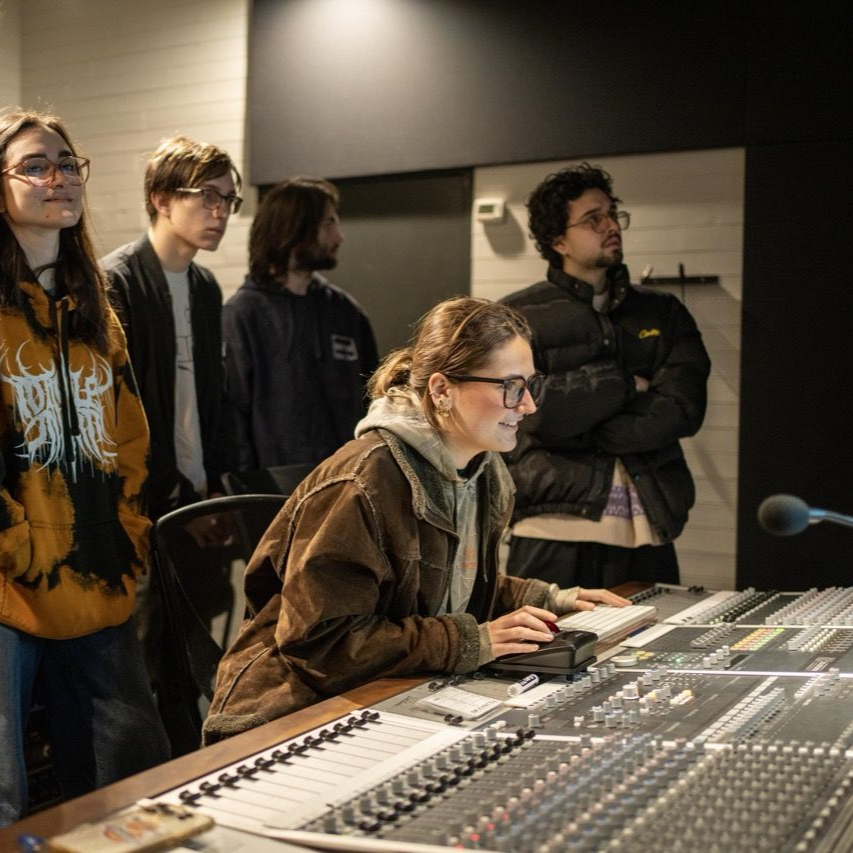
Apply Now
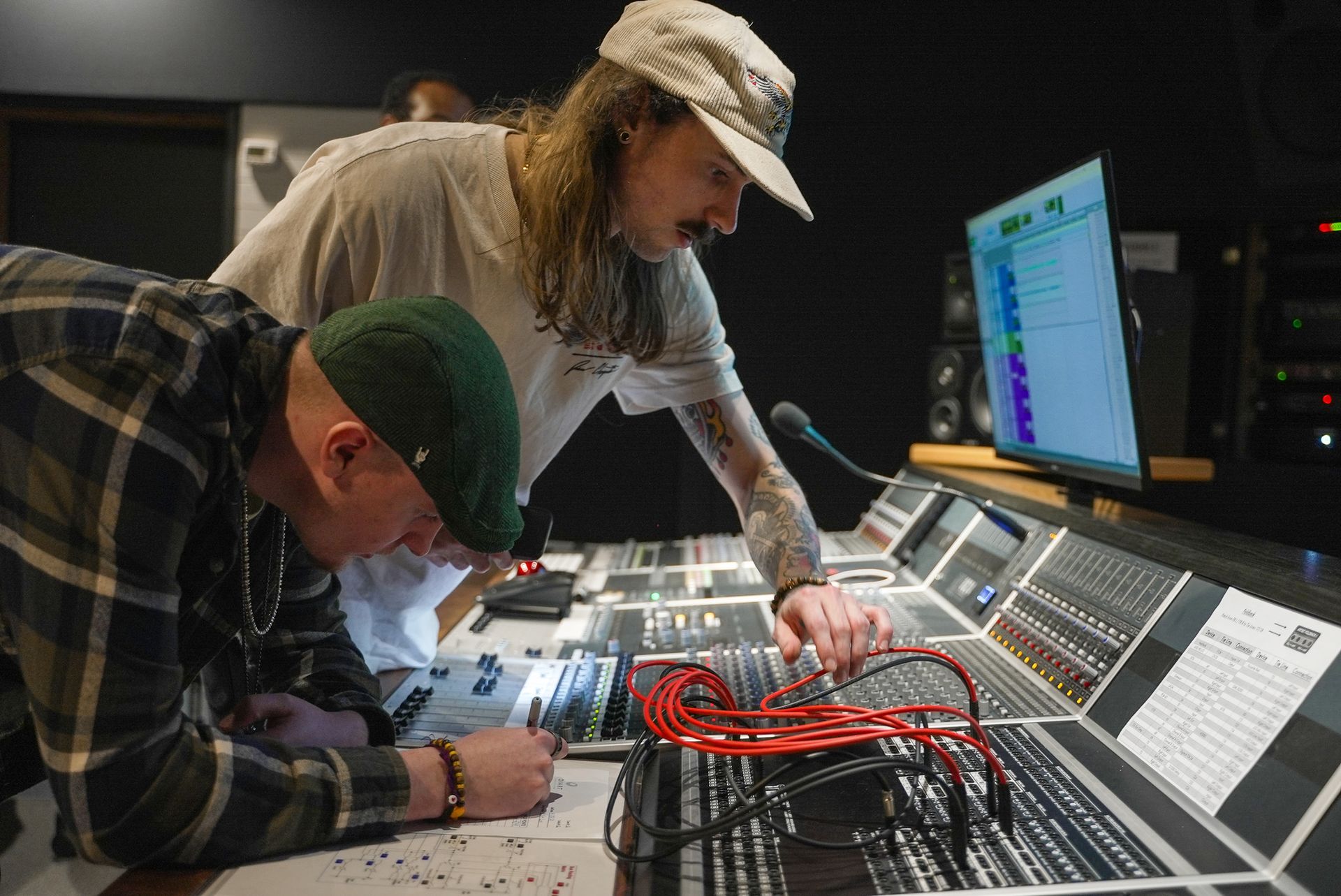
A man is teaching another man how to use a mixer

Music Production

Become skilled in the process of creating, recording, arranging, and refining music into a finished song or track. Apply now.
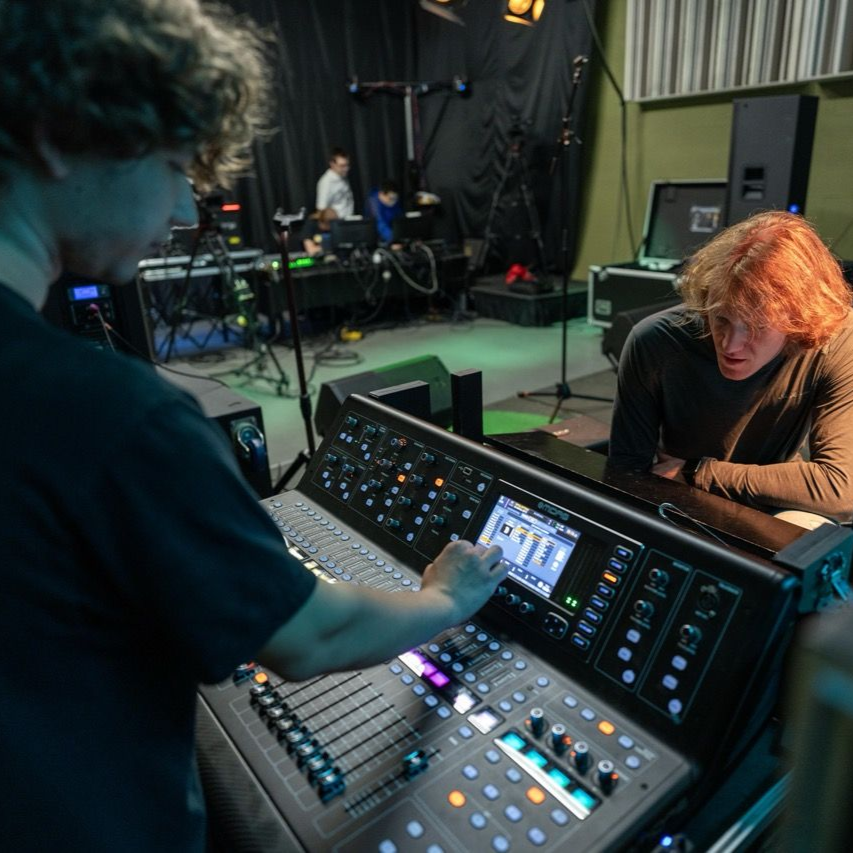
oiart students practicing setting up a live stage for a concert

Live Sound & Event Production

Learn how to plan, setup, and operate the audio, lighting, and technical systems for live events and performances. Learn more.
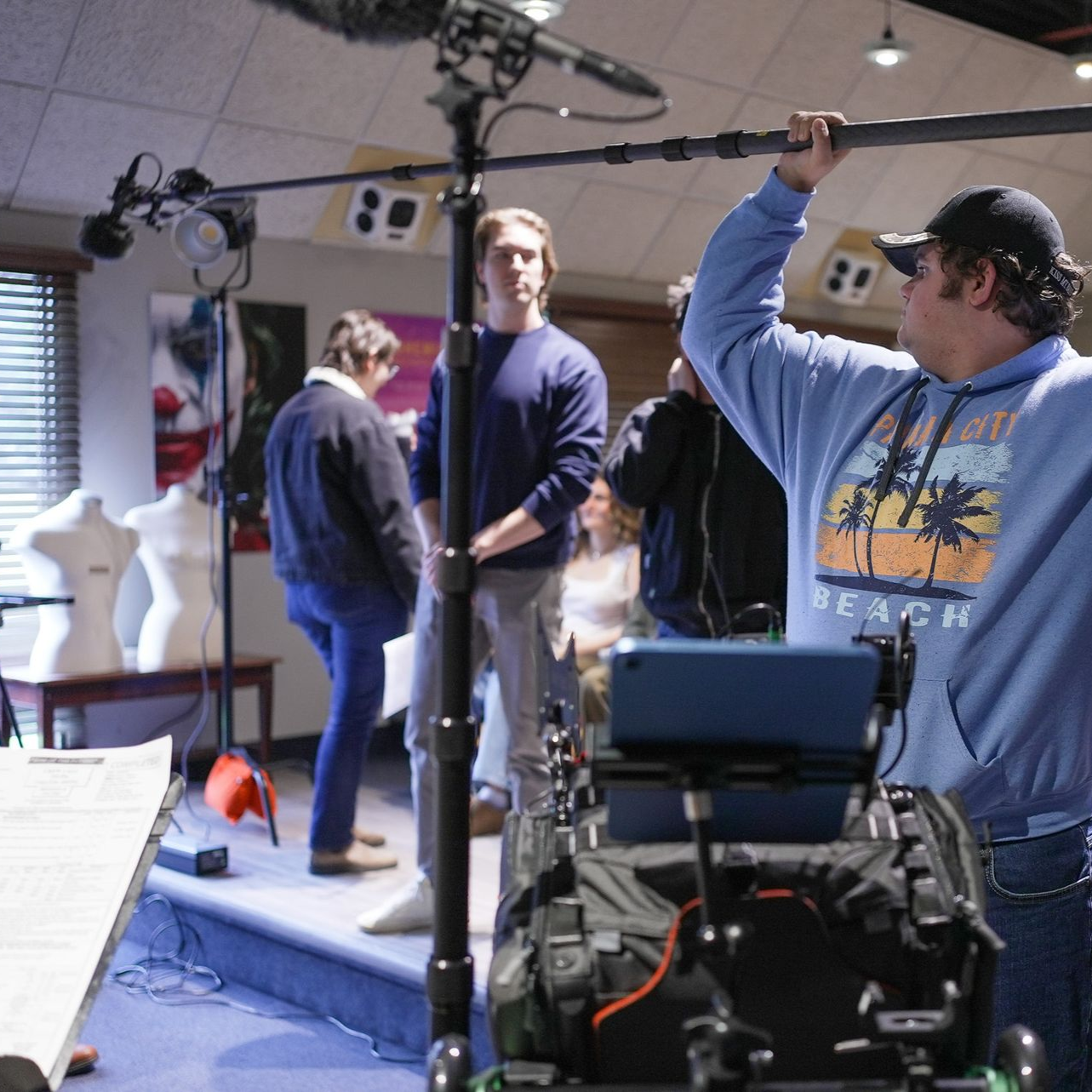
A man stands at a podium in front of a screen

Audio for Visual Media

Learn about the creation, editing, and mixing of sound to support film, television, games, and other visual storytelling. Learn more.

Build the Skills Needed for a Career in Music Production

You’re passionate about sound, driven by creativity, and always crafting new ideas through music and production. If that sounds like you, apply to OIART today.

Apply Now

MUSIC PRODUCTION COURSE

Comparing OIART's Music Production Program vs. Others.

OIART has the best employment rates, completion rates, and graduate satisfaction rates of all sound engineering schools in Ontario, Canada.* We consistently rank better than music production schools in Toronto like RAC, Harris, Trebas, and Metalworks year after year. For our students, music production isn’t just an interest or a career aspiration, it’s a lifestyle.

OIART (London)
92.3%
80.0%
RAC (Toronto)
50.0%
36.7%
Harris (Toronto)
35.7%
55.6%
Trebas (Toronto Main)
65.4%
60.0%
Metalworks
61.6%
25.0%
Fanshawe
69.9%
35.7%

*Employment rate in field of study six months after graduation. All statements regarding program performance such as Top, Rated the Best and #1 are based on the latest KPI survey results comparing each campus's Music Production and Recording Arts Technology program. OIART: Audio Recording Technology. RAC: Sound & Music Recording. Harris Institute: Audio Production Program. Metalworks Institute: Audio Production & Engineering. Trebas: Audio Engineering and Production/DJ Arts. Fanshawe: Music Arts Industry.

68

Spots for next years program are filling up fast.

Apply Now

The Top Employers of OIART Graduates

Here is a list of some of the top recording studios in Canada that look to OIART year after year to hire the best in music and sound production. Follow your passion and you could be next!

  • Noble Street Studios

    [Toronto ON] – Shawn Mendes, Barenaked Ladies, Three Days Grace, The Tenors, Drake, Trevor Guthrie, The Weeknd, Metric, Mother Mother, Walk Off The Earth, Justin Bieber, A$AP Rocky, The Trews, The Tragically Hip, Danko Jones.


    Visit Site

  • Revolution Recording

    [Toronto ON] – Arkells, B.O.B, BADBADNOTGOOD, Barenaked Ladies, Basia Bulat, Bidini Band, Big Sugar, Big Wreck, Blackie and The Rodeo Kings, Buck 65, Classified, Colin Linden, Feist, Gordie Johnson, Great Lake Swimmers, Hayden, Kardinal Offishall, Kathleen Edwards, Lights, Los Lobos, Marianas Trench, Moist, Monster Truck, Nelly Furtado, One Republic, Protest the Hero, Robin Thicke, Ron Sexmith, Royal Wood, Rush, The Good Lovelies, The Lazys, The Sadies, The Tea Party, The Tenors, The Tragically Hip, The Trews, The Weeknd, Three Days Grace, Tokyo Police Club.


    Visit Site

  • Phase One Studios

    [Toronto ON] – Black Eyed Peas, Ghostface-Killah, Holly Cole, Rhianna, Drake, The Trews, Sting, Metric, Ludacris, Kardinal Offishal, Mos Def, Matthew Good, Tori Amos, 50 Cent, Rush, Chantel Kreviazuk, Alice Cooper, Bob Dylan, Kiss, Esthero, Bachman Turner Overdrive, Pink.


    Visit Site

  • Dreamhouse Studios

     [Toronto ON] – Alexsisonfire, Crystal Castles, Diamond Rings. Fucked Up, July Talk.


    Visit Site

  • Warehouse Studios

    [Vancouver BC] – AC/DC, Alanis Morrissette, Avril Lavigne, Barenaked Ladies, Billy Talent, Black Label Society, Bon Jovi, Bryan Adams, Elton John, Elvis Costello, Everclear, Good Charlotte, Metallica, Michael Buble, Motley Crue, Nickelback, Nine Inch Nails, Nirvana, Our Lady Peace, R.E.M., Rise Against, Rush.


    Visit Site

  • Lakewind Sound Studios

    [Cape Breton NS] – Natalie MacMaster, Johnny Reid, Port Cities, The Rankins, Coig, Slowcoaster, Dave Sampson, Aaron C. Lewis, Rachel and Amy Beck, Allie Bennett, Lawrence Martell, Leona Burkey, The Strickland, Johnathan MacInnis, Carolyn Holyoke, Joanne MacIntyre, Deron Donovan, Diane McKinnon & Bryden MacDonald, Andrew Doyle, Alter Ego, Kristen Shaw, Gillian Head, Wendy MacIsaac, Greg Verner.


    Visit Site


Music Production Program Insights

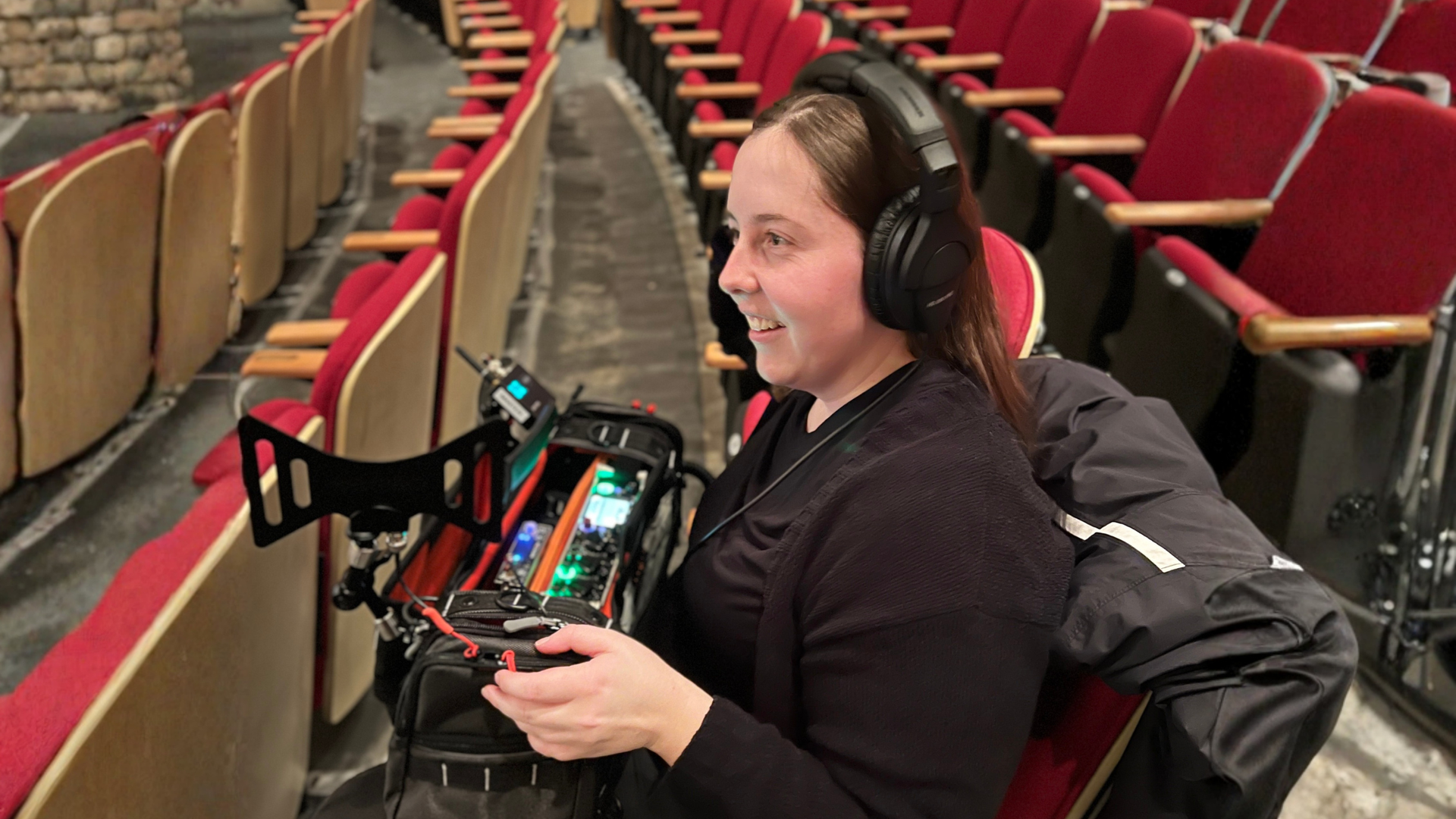
Woman wearing headphones operating a camera rig in a theater with red seats
By Jeremy Alves April 24, 2026
Explore 10 unexpected high-demand audio careers beyond the studio. See how OIART prepares you for real jobs in sound engineering in Canada.
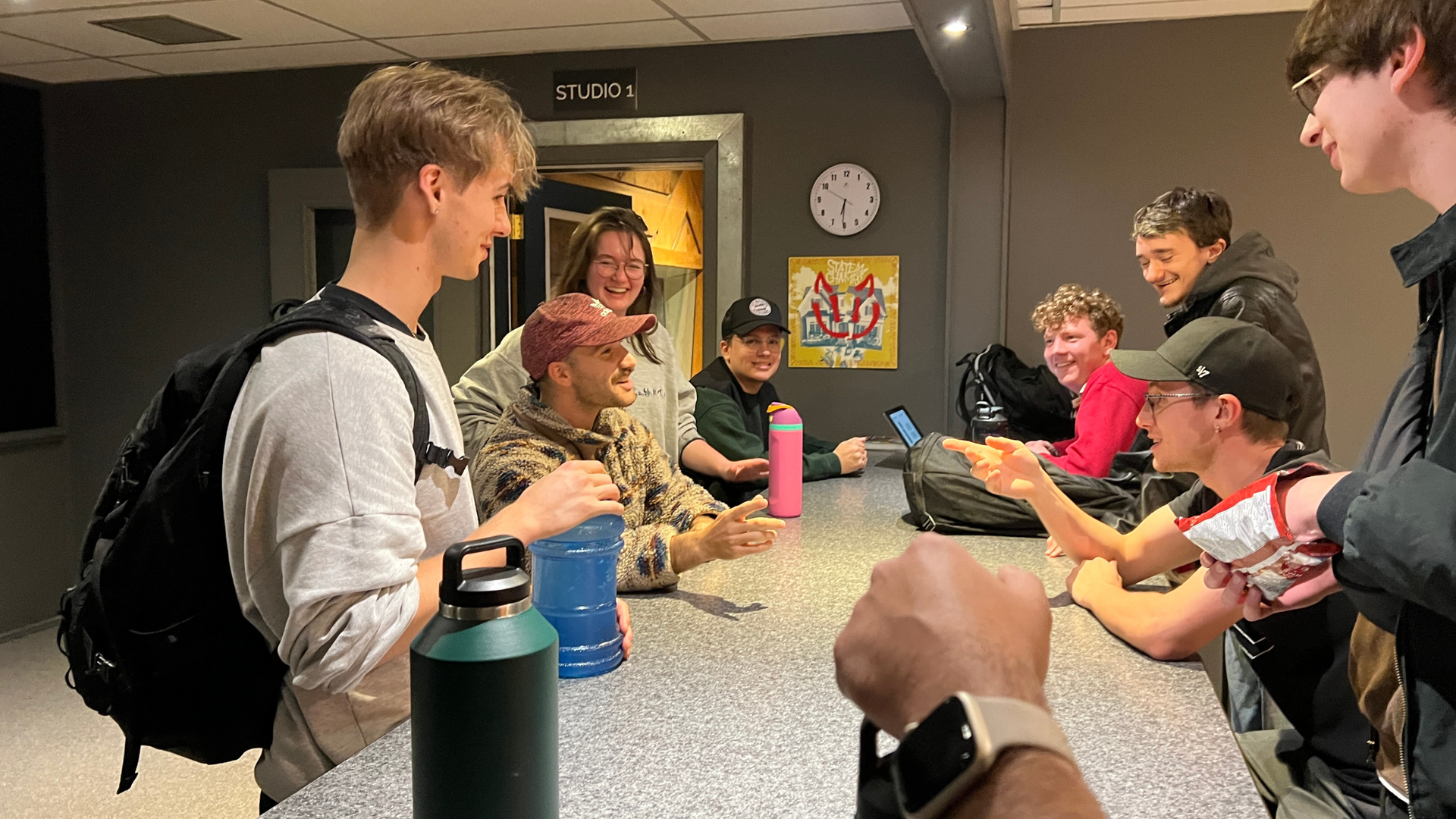
A group of  standing around a high counter, talking and interacting in a brightly lit, modern communal space.
By Jeremy Alves March 18, 2026
Explore how different personalities thrive in audio engineering programs. From introverted mixers to extroverted producers, find your path at OIART.
By Jeremy Alves February 24, 2026
Looking for the top music production school in Canada? OIART offers elite audio engineering programs with a 40+ year history of success. Read how we do it.
View More
Woman wearing headphones operating a camera rig in a theater with red seats
By Jeremy Alves April 24, 2026
Explore 10 unexpected high-demand audio careers beyond the studio. See how OIART prepares you for real jobs in sound engineering in Canada.
A group of  standing around a high counter, talking and interacting in a brightly lit, modern communal space.
By Jeremy Alves March 18, 2026
Explore how different personalities thrive in audio engineering programs. From introverted mixers to extroverted producers, find your path at OIART.
By Jeremy Alves February 24, 2026
Looking for the top music production school in Canada? OIART offers elite audio engineering programs with a 40+ year history of success. Read how we do it.
Woman wearing headphones operating a camera rig in a theater with red seats
By Jeremy Alves April 24, 2026
Explore 10 unexpected high-demand audio careers beyond the studio. See how OIART prepares you for real jobs in sound engineering in Canada.
A group of  standing around a high counter, talking and interacting in a brightly lit, modern communal space.
By Jeremy Alves March 18, 2026
Explore how different personalities thrive in audio engineering programs. From introverted mixers to extroverted producers, find your path at OIART.
By Jeremy Alves February 24, 2026
Looking for the top music production school in Canada? OIART offers elite audio engineering programs with a 40+ year history of success. Read how we do it.

FAQs About Music Production

  • How do digital signals compare to analog signals in terms of recording?

    Digital recording converts sound into numbers (sampling and bit depth), which gives you a low noise floor, precise editing, consistent recalls, and copies that don’t degrade. You can store, back up, and share files easily, and mixes translate well across systems. The trade‑offs are the need for proper gain staging to avoid hard clipping, and good clocking to avoid jitter/latency. Analog recording is continuous and can add pleasing saturation and compression, but it introduces hiss/wow/flutter, and each copy loses quality. Many engineers blend both: analog color on the way in, digital for editing and delivery.

  • What is analog recording?

    Analog recording captures a continuous electrical representation of sound to physical media—traditionally magnetic tape or a disc lacquer. Microphones feed preamps and a tape machine; the tape’s magnetic particles store the waveform. Sonically, tape can add gentle compression, harmonic distortion, and “glue,” which many describe as warmth. The trade‑offs include tape hiss, limited headroom, mechanical wear, and generational loss when copying. In modern workflows, engineers often track through analog gear into a DAW to combine character with flexibility.

  • What is a music technician?

    A music technician sets up, operates, and maintains audio and music‑production equipment so artists and engineers can work smoothly. In a studio, that can mean mic’ing, patching, session prep in a DAW, troubleshooting noise, and maintaining gear. Live, it includes stage patching, backline setup, RF coordination, and quick fixes under pressure. Strong signal‑flow knowledge, DAW literacy, basic electronics/soldering, and people skills are key. Roles with similar titles include studio technician, audio technician, backline tech, and broadcast/AV tech—common entry points for OIART grads.

  • What is the difference between analog and digital sound transmission?

    Analog transmission sends a continuous voltage that mirrors the audio waveform over cables (or wirelessly). It’s simple and low‑latency, but more vulnerable to noise, interference, and high‑frequency loss over long runs. Digital transmission sends discrete data (bits) using formats like AES3, S/PDIF, ADAT, or networked audio like Dante/AVB. It’s far more resistant to noise, supports long distances and routing/metadata, and allows easy distribution, but requires proper clocking and introduces system latency. Endpoints need conversion: A/D at the source, D/A at the destination.

  • What is a daw (digital audio workstation)?

    A DAW is software for recording, editing, arranging, mixing, and often mastering audio and MIDI. Core features include multitrack recording, non‑destructive editing, automation, plugin processing (EQ, compression, reverb, etc.), virtual instruments, and session recall. Common DAWs include Pro Tools, Logic Pro, Ableton Live, Reaper, FL Studio, and Cubase. DAWs integrate with audio interfaces, control surfaces, and sync/video tools, making them the hub for music and sound production, post‑production, podcasting, and game audio. At OIART, you’ll train in industry‑standard DAW workflows used across music, live, and visual media.

  • What can you do with a music production degree?

    Graduates from music production and engineering schools like OIART work across music, live events, and media. Common paths: recording engineer, producer, mixer, mastering engineer, assistant/Pro Tools editor, programmer, studio tech/manager; FOH/monitor engineer, system tech, RF tech, backline; audio post (dialogue/ADR/Foley editor, sound designer, re-recording mixer), game audio (implementation, middleware), podcast/radio production, broadcast A1/A2, theater audio, corporate AV, content creation, and music business roles (A&R, sync/licensing, publishing, management). Most roles are portfolio-driven, so hands-on projects and credits are key.

  • What is digital audio?

    Digital audio represents sound as numbers. An analog waveform is sampled (e.g., 44.1/48/96 kHz) and quantized at a bit depth (16/24-bit) to create PCM data. Higher sample rates capture higher frequencies; higher bit depth lowers noise and increases dynamic range. Benefits: low noise, exact copies, fast editing/recall, easy storage/sharing. You’ll monitor through a DAC, and deliver as WAV/AIFF or compressed formats (AAC/MP3).

  • What jobs are in the music industry?

    With a music and sound production degree, you can pursue roles across studio, live, media, creative, and business. Studio paths include producer, recording/mix/mastering engineer, assistant, editor, programmer, and studio tech/manager. Live sound offers FOH, monitor engineer, system/RF tech, backline, and stage/tour management. In media/post, work as a sound designer, dialogue/ADR/Foley editor, re-recording mixer, podcast/radio producer, broadcast A1/A2, or in game audio. Creative avenues include composer, songwriter, arranger, and music editor/supervisor. Business options span A&R, label operations, marketing/PR, sync/licensing, publishing, and artist management. Your portfolio, hands-on hours, and network drive hiring—OIART’s labs, studios, and career support help you build them from day one.

  • What education is needed to become a music producer?

    At OIART, you don’t chase a credential—you build the ears, taste, and track record producers get hired for. Our 11‑month, studio‑first program puts you in the rooms from week one: 650+ hands-on hours across eight pro studios, small crews (max four), and mentorship from full‑time instructors plus active guest pros. You’ll train on industry‑representative gear (think SSL dynamics, Neumann mics, Soundtoys/Waves) and leave with a portfolio that proves you can deliver.

  • How much does a recording studio cost to build?

    Remember these ranges shift with market prices, availability, and whether you buy used or DIY some treatment. Rough guide:

    • Starter home setup: $1k–$3k (interface, one good mic, headphones, monitors, basic acoustic panels, DAW).
    • Serious home/project: $5k–$20k (better monitors/mics, multi‑channel I/O, selective outboard, upgraded treatment).
    • Treated project studio with isolation: $20k–$75k+ (construction: mass/decoupling, doors, HVAC, wiring; plus accurate monitoring).
    • Commercial studio: $100k–$500k+ (and easily $1M+) depending on size, isolation, console, and build standards.

    Tip: Prioritize room acoustics and monitoring—every other dollar performs better after that.


    If you enroll at OIART, you’ll get immediate access to top‑of‑the‑line, industry‑representative studios and gear from week one—650+ hands‑on hours across eight pro rooms (small groups), with tools like SSL dynamics, Neumann mics, and leading plugins in acoustically designed spaces. It lets you work at a high level without that upfront spend and figure out what’s truly worth buying for your own setup later.

  • How to become a freelance audio engineer?

    Here’s a simple roadmap to launch your freelance audio career—while building a real portfolio at OIART.

    • Pick a lane (recording/mixing, live sound, or post) and master core workflows.
    • Use a lean, reliable kit—or know the best local rentals/venues.
    • Build a tight portfolio: 5–10 best pieces with brief notes and verified credits.
    • Set clear rates/terms, deposits, revisions; use a simple contract.
    • Make booking easy: one-page site/Linktree, calendar, contact, file delivery.
    • Network weekly; assist pros; follow up consistently.
    • Deliver like a pro: backups, organized sessions, clean naming, labeled stems.
    • Run the business: invoices, taxes, basic insurance, steady upskilling.

    At OIART, you’ll build that portfolio while enrolled—real projects and credits across music production, live sound, and audio for visual media—so you graduate with more than just industry knowledge: hands-on experience, professional habits, and career support.

  • Where is the music capital of the world? What city is famous for music?

    There’s no single “music capital”—the right city depends on your genre, collaborators, and goals (and many careers span multiple hubs or work remotely). It’s genre-dependent:

    • Nashville: songwriting, country/Americana, session culture.
    • Los Angeles: pop/hip-hop, film/TV scoring, major labels.
    • London (UK): pop/rock, iconic studios, global industry hub.
    • New York: jazz, hip-hop, Broadway, media.
    • Toronto: diverse pop/hip-hop/R&B/indie scene; world-class studios; strong film/TV post and sync; festivals like CMW and NXNE.
    • Berlin: electronic/techno; producer/DJ scene.
    • Seoul: K-pop; world-class production pipeline.
    • Tokyo: J-pop/anime/game audio; tech-forward studios.
    • Austin: “Live Music Capital of the World.”
    • New Orleans: jazz, brass, roots.
    • Vienna: classical; historic institutions.

    Many careers cross cities—go where your genre, collaborators, and opportunities are.

  • If you were a singer recording a song, what factors would you need to consider when deciding to record with analog or digital equipment?

    Think about tone, workflow, and budget. Analog (tape/outboard) adds warm saturation and gentle compression, but it’s pricier and slower to edit. Digital is clean, recallable, and fast to edit, but clips hard when pushed and can feel “sterile” without a good front‑end. Also consider revisions, delivery format, and your timeline. At OIART, you’ll A/B both paths in small vocal production labs—mic choice (Neumann, etc.), preamp/compressor chains, analog console/tape vs DAW—and learn popular hybrid workflows (analog color into Pro Tools/Ableton) so you can choose confidently for any session.

  • What is one advantage and one disadvantage of a digital recording?

    Advantage: very low noise and exact, lossless copies with fast, non‑destructive editing/recall. Disadvantage: hard clipping if levels aren’t managed, and some miss analog “glue.” At OIART, you’ll master proper gain staging, converters/clocking, and latency management, then learn to add character with analog front‑end (preamps/compressors) and tasteful saturation plugins (Soundtoys, Waves). You’ll practice hybrid sessions so you get digital precision with an analog vibe.

  • What type of software will allow you to record, edit, and finalize song tracks?

    A DAW (Digital Audio Workstation). Common options include Pro Tools, Logic Pro, and Ableton Live. At OIART, you’ll work in Pro Tools and Ableton every week from day one—comping, tuning, timing, mixing, and printing deliverables—plus session organization and backup habits studios expect. You’ll train on identical tools across our eight student‑dedicated studios, so your skills translate cleanly to professional rooms.

  • What are the main responsibilities of a music producer?

    Shaping the creative vision; pre‑production (references, arrangement, keys/tempo); budgeting and scheduling; hiring musicians/engineers; running efficient sessions; coaching performances; making calls on editing, mixing, and mastering; and delivering on time. At OIART, you’ll run projects end‑to‑end—pre‑pro through final mix—logging 650+ hands‑on hours in small crews (max four), so you graduate with producer credits, a portfolio, and Career Management support to land that first gig.

  • What college is best for music production?

    “Best” depends on fit, but if you want intensive, hands‑on training, OIART stands out in Canada as one of the best music production and engineering schools: an 11‑month program, 650+ studio hours from week one, eight student‑dedicated studios, small groups (max four), industry‑active instructors and guest lecturers, and built‑in career management.


    OIART consistently reports  the highest completion rate and graduate employment rates, with 40+ years of outcomes and 1,100+ grads. You’ll train across Music Production, Live Sound, and Audio for Visual Media, so your job‑ready and versatile.

  • What is the most famous recording studio?

    Abbey Road (London) is often cited, alongside Capitol Studios (LA), Electric Lady (NYC), Hitsville U.S.A./Motown (Detroit), Sun Studio (Memphis), and Ocean Way/United (LA). While OIART isn’t a commercial studio, our facilities mirror real‑world environments—from analog‑flavored rooms to modern DAW‑centric spaces—so you learn workflows that translate whether you step into a classic large‑format room or an intimate production studio.

  • What is a person who makes music called?

    Depending on role: musician, artist, producer, composer, songwriter, beatmaker, or arranger. At OIART, you’ll get exposure to all of these hats—writing, producing, engineering, and mixing—so you can specialize or be a versatile creator who can deliver from idea to master.

  • What is the method of recording sound that involves storing it in a series of numbers?

    Digital audio (typically PCM). Sound is sampled (e.g., 48 kHz) and quantized at a bit depth (e.g., 24‑bit), creating numerical data that can be edited and copied precisely. At OIART, you’ll learn sampling theory, bit depth, dither, converters, and practical DAW workflows, so you not only understand the math—you can use it to make better‑sounding records.

  • Is music playing from a record analog or digital?

    Vinyl playback is analog—the stylus traces the groove and produces a continuous signal through a phono preamp to your speakers. Many modern vinyl releases are cut from digital masters, but playback itself remains analog. At OIART, you’ll compare analog and digital chains, understand the mastering/delivery path, and practice hybrid workflows so your mixes translate whether they end up on vinyl, streaming, or both.

Top Artists Our Music Production Students Have Worked With After Graduating From OIART