When most people think about going to one of the top music production schools in Canada or enrolling in audio engineering courses, they picture one thing: working in a recording studio with artists.
And while that path is still very real, it’s also very limited compared to what’s actually happening in the industry today.
The truth is, audio careers have evolved.
The industry is no longer just about music production. It’s now deeply connected to gaming, film, streaming, live events, content creation, and digital media. And with that growth has come a wave of new, high-demand roles that many students don’t even realize exist.
That’s where the gap is.
Most students exploring audio engineering colleges or audio engineer schools don’t fully understand how many directions audio can take them until they experience it firsthand.
At the Ontario Institute of Audio Recording Technology (OIART), that discovery is part of the process. Students rotate through multiple studios and real-world production, building skills across Music Production, Live Sound, and Audio for Visual Media.
And along the way, many find career directions they didn’t even know existed.
The Audio Industry Is Bigger Than You Think
There was a time when audio careers were mostly tied to music studios or live concerts. Today, that definition barely scratches the surface.
Audio now plays a critical role in:
- Gaming
- Film and television
- Streaming platforms
- Podcasts and digital content
- Live and hybrid events
- Corporate and branded experiences
This shift has created a wide range of opportunities that are technical, creative, and highly specialized.
And importantly, many of these roles are high-demand, tech-driven careers that align perfectly with the kind of hands-on
training students get at OIART’s sound engineering course, where real-world experience, pro-level gear, and small class sizes prepare grads for exactly these paths.
OIART's Audio Recording Technology Program Includes:
✓ Small Class Sizes
✓ On Site Facilities
✓ Industry Leading Instructors
✓ Post Grad Support & Guidance
✓ Exclusive 11 Month Program
10 Careers You Don’t Hear About (But Should)
Many people assume audio grads only work in music studios, but today’s industry is far more diverse.
As students move through OIART’s Audio Recording Technology Program, they start to see how many directions audio can take them.
1. Game Audio Design
In gaming, sound isn’t just background, it’s part of the experience. Audio designers build immersive environments where sound reacts to player movement, actions, and story progression, helping shape entire virtual worlds. It’s a perfect mix of creativity and technical problem-solving, and a growing space within modern audio engineering courses.
2. Foley Art & Sound Effects Creation
Ever wondered how footsteps, punches, or environmental sounds feel so real on screen? Foley artists recreate these sounds manually using everyday objects, transforming simple materials into believable audio that adds depth and realism to film and television.
3. Post-Production for Film & TV
This is where stories truly come to life. Audio professionals shape how scenes feel through editing, mixing, and sound design, working behind the scenes on everything from indie films to major productions. For students interested in storytelling, this path offers a powerful creative outlet.
4. ADR & Dialogue Editing
When dialogue isn’t perfect on set, it’s rebuilt in post. ADR specialists re-record lines in the studio, while dialogue editors refine clarity and emotion, ensuring every word sounds natural and fits seamlessly into the scene.
5. Broadcast Audio for Sports & News
In the fast-paced world of live broadcasting, there’s no room for error. Audio engineers manage commentary, crowd noise, and live feeds in real time, delivering clear, balanced sound for sports, news, and television as it happens.
6. Corporate AV & Event Production
For those drawn to structure and consistency, corporate AV offers a stable and in-demand career path. From conferences to large-scale presentations, audio professionals ensure events run smoothly, blending technical expertise with real-world problem solving.
7. Theatre Sound Technician
In theatre, timing is everything. Sound techs work closely with performers and directors to cue audio perfectly during live shows, creating seamless productions where sound enhances every moment on stage.
8. Podcast Engineering & Editing
Podcasting has become a major industry, and great audio is what sets top shows apart. Engineers shape the listening experience through editing, mixing, and storytelling, controlling pacing, clarity, and tone while working closely with creators and brands.
9. Live Sound for Festivals, Clubs & Touring
For those who want energy and movement, live sound offers a front-row seat to the action. Engineers mix audio in real time for audiences, often traveling with artists and working in fast-paced, high-energy environments, from clubs and concert venues to outdoor festivals and large-scale live events where no two shows are ever the same.
10. VR & Immersive Audio
One of the most exciting emerging areas, immersive audio focuses on creating 3D sound environments for virtual experiences, installations, and interactive media. It’s a space for those who want to push creative boundaries and explore the future of sound.
Finding Your Path in the Audio Industry
As students explore these different paths, they begin to understand where their interests fit within the industry.
Some discover a passion for storytelling through post-production, while others are drawn to the technical intensity of live sound or broadcast. Some prefer the consistency of corporate work, while others thrive in creative, fast-moving environments like gaming or immersive media.
OIART graduates are already working across many of these areas, from live touring and broadcast media to video game studios and post-production, showing just how wide the opportunities really are.
The biggest realization for most students? There isn’t just one career path anymore and that’s a huge advantage.
Alumni Spotlight: Where OIART Can Take You
OIART graduates are already working across many of these industries, turning their passion for audio into real careers.
From game studios to live touring, film production to broadcast media, here are just a few examples:
- Jeff Hartling: Audio Engineer at Digital Extremes (Video Game Industry)
- Steve Scott: Location Sound Engineer (Film & Television – CBC, PBS)
- Nathan Bond: Front-of-House & Monitor Engineer (Touring & Live Sound)
- Devon Nutty: Live Sound System Technician (Major Tours & Festivals)
- Andrew Brown: Front-of-House Engineer (International Touring)
These are just a few examples of where a career in sound engineering in Canada can lead.
Why You Discover These Paths at OIART
One of the biggest reasons students uncover these opportunities at OIART is simple, it’s exposure.
Many traditional audio engineering courses focus heavily on theory or limit students to a narrow set of experiences. That can make it difficult to understand how broad the industry really is.
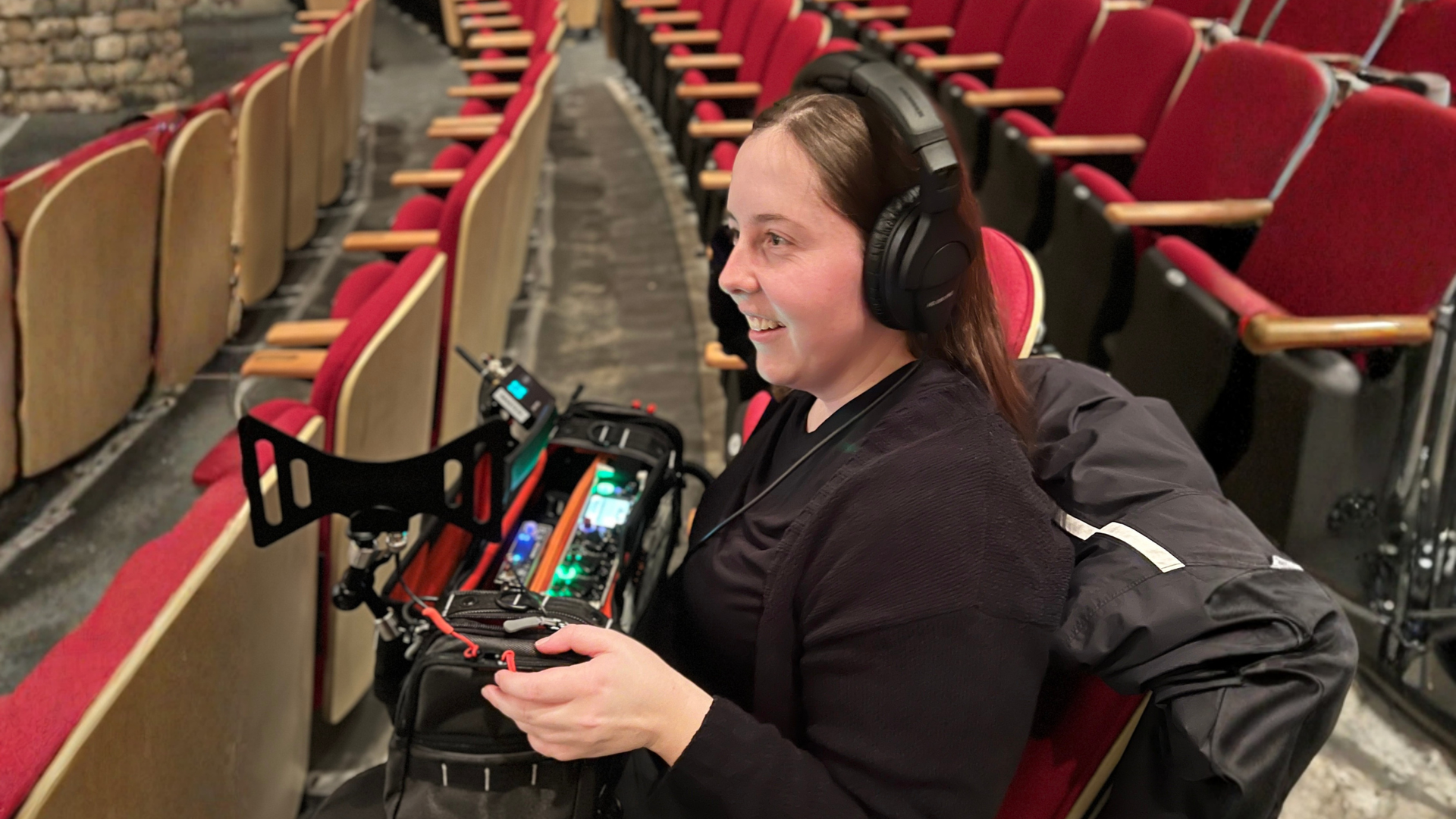
OIART takes a different approach. Students rotate through eight professional studios (Studios 1–8), each designed for different types of production. They work on real projects, use industry-standard equipment, and experience multiple workflows across music, live sound, and audio for visual media.
This kind of hands-on training doesn’t just build skills, it builds awareness.
It’s common for students to start the OIART’s Audio Recording Technology Program focused on music production, only to discover a passion for post-production, live sound, or broadcast along the way.
That kind of clarity only comes from doing, not just learning in a traditional classroom.
Training for a Changing Industry
The audio industry isn’t slowing down, it’s expanding into new spaces every year.
Gaming continues to grow globally. Streaming platforms are producing more content than ever. Live events are becoming more technical and more complex. Content creators are building entire businesses around video and audio.
All of this relies on skilled audio professionals. That means graduates of today’s music production schools in Canada have more options than ever, but only if they’re prepared for the demands of the modern industry.
At OIART, the focus is on preparing students for what’s happening now, not what the industry looked like ten years ago.
With over 40 years of experience, small class sizes, and the highest graduation and job placement rate in the industry, the courses at OIART is designed to produce graduates who are confident, capable, and ready to work.
More Than a School It’s A Community That Lasts
Audio is an industry built on relationships.
The people you meet, the projects you collaborate on, and the connections you build often shape your career just as much as your technical skills.
At OIART, students become part of a network of over 1,100+ alumni, working across all areas of the industry from live sound and broadcasting to post-production and content creation.
That network doesn’t end at graduation, it grows with you.
And in an industry where opportunities often come through connections, that kind of support can make all the difference.
How to Choose the Right Audio Engineering Course in Canada
Not all programs for audio engineering are created equal and choosing the right one can shape your entire career.
If you’re comparing music production schools in Canada, focus on what actually matters:
- Hands-on experience: Audio is a practical skill. You need real time in studios, working with gear, solving problems, and adapting in real sessions, not just learning theory.
- Training focus: Schools that try to cover everything often lack depth. A focused audio engineering course helps you build the specialized skills the industry actually demands.
- Class size: Smaller classes mean more access to instructors, more time on professional equipment, and more personalized feedback on your work.
- Career outcomes: Look for a courses with strong industry connections, proven graduate success, and support that continues after you finish.
This is where OIART stands out.
With hands-on training in Studios 1–8, a focused curriculum, and direct access to instructors, students graduate with real-world experience, not just theory.
And in an industry that values what you can do, that makes all the difference.
So, Where Do You Fit In?
That’s the exciting part, you don’t have to have it all figured out right now. The audio industry isn’t a single path anymore. It’s a wide, evolving space with opportunities across music, media, tech, and live events.
Whether you see yourself producing podcasts, designing sound for games, mixing live shows, or working in film, there’s a place for you. The key is starting in an environment where you can explore it all.
Ready to Turn Your Passion Into a Career?
If you’re serious about building a future in audio, now is the time to take the next step.
Book a tour and experience Studios 1–8 firsthand. Connect with instructors and current students to get a real sense of the OIART’s Audio Recording Technology Program. When you're ready, apply to secure your spot, spaces are limited.
Have questions or want to learn more first?
Contact our team to get the answers you need and explore if OIART is the right fit for you.
Ready to Start?
OIART's Program Includes:
✓ Small Class Sizes
✓ On Site Facilities
✓ Industry Leading Instructors
✓ Post Grad Support & Guidance
✓ Exclusive 11 Month Program
Top Reasons Why You Should Choose OIART.
Have Questions?
If you have questions about our program for audio engineering and music production or would like to book a tour, we would be pleased to speak with you.
Text Us: 519.200.4151
Share This With a Fellow Music Lover
Apply in 3 Steps!
Step 1: Click Apply Now to start.
Step 2: Answer questions about yourself.
Step 3: Submit and check your email.
Share this with fellow music lovers