1 OF 3 DISCIPLINES AT OIART

Live Sound Engineering & Event Production School

Learn live sound and event production as one of three disciplines within OIART's audio production program, alongside music production and audio for visual media.

Apply Now
1 OF 3 DISCIPLINES AT OIART

Live Sound Engineering & Event Production School

Learn live sound and event production as one of three disciplines within OIART's audio production program, alongside music production and audio for visual media.

Apply Now

1 Program

3 Disciplines

8 Studios

11 Months

68 Spots Available

Are you one of them? Backed by 40+ years and generations of successful graduates, OIART leads Ontario in graduate employment and completion rates.* Come see why our sound engineering course is the top choice for students pursuing a career in live sound.

ONE ALL-IN-ONE PROGRAM

Your Path to a Career in Live Sound & Event Production Starts at OIART

Live sound is fast, demanding, and unforgiving of gaps in training. OIART's live sound engineering school is built to close those gaps, taking you from a fan in the crowd to an engineer at the console.


Through hands-on training in live sound, event production, and audio engineering, students develop the technical and creative skills needed for careers in concert sound, festival production, theatre, corporate AV, broadcast, and more.

LIVE SOUND ENGINEERING COURSE

What You’ll Learn in OIART’s Live Sound Engineering Course

At OIART, live sound and event production is more than running cables or pushing faders. It's about developing the technical precision and quick decision-making needed to deliver professional audio in real time, where there's no second take. Through immersive, hands-on training, you'll work in real venues with industry-standard consoles and PA systems while learning the full event workflow from load-in to load-out.

LIVE SOUND ENGINEERING COURSE

What You’ll Learn in OIART’s Live Sound Engineering Course

At OIART, live sound and event production is more than running cables or pushing faders. It's about developing the technical precision and quick decision-making needed to deliver professional audio in real time, where there's no second take. Through immersive, hands-on training, you'll work in real venues with industry-standard consoles and PA systems while learning the full event workflow from load-in to load-out.

  • Live Sound Mixing (Front of House)

    Mix live audio for real audiences across genres and venue types, balancing tone, dynamics, and clarity in real time without the safety net of post-production.

  • Monitor Engineering

    Build the skills to mix for performers on stage, from wedge monitors to in-ear systems, so artists hear exactly what they need to deliver their best performance.

  • Console Operation (Digital and Analog)

    Get hands-on with industry-standard mixing consoles, including show file programming, scene management, and live recall workflows used on tours and at major venues.

  • PA System Design and Tuning

    Learn how to design, deploy, and optimize sound systems for any venue, including speaker placement, time alignment, and system measurement using professional analysis tools.

  • Wireless and RF Coordination

    Plan and manage frequencies for wireless microphones and in-ear monitor systems, a skill that's become essential as live productions rely on more wireless channels than ever.

  • Microphone Techniques for Live Performance

    Choose and place the right microphones for vocals, drums, instruments, and full bands in live settings, where every decision shapes what reaches the audience.

  • Event Production and Show Calling

    Understand the full event lifecycle, from advance planning and load-in through show calling, cue management, and teardown, the parts of the job that happen outside the mix.

  • Real-Time Troubleshooting

    Develop the diagnostic skills and composure needed to identify and solve audio problems on the fly, because in live sound the show can't stop.

ONLY 68 SEATS AVAILABLE PER YEAR

The 3 Disciplines You'll Learn in OIART's All-In-One Program

The professionals running shows you've been to didn't get there by accident. They were trained, tested, and pushed by people who knew the craft inside and out. That's the model at OIART. You'll be challenged, mentored, and prepared to graduate as a live sound and event professional with the full toolkit of three disciplines behind you.
Apply Now
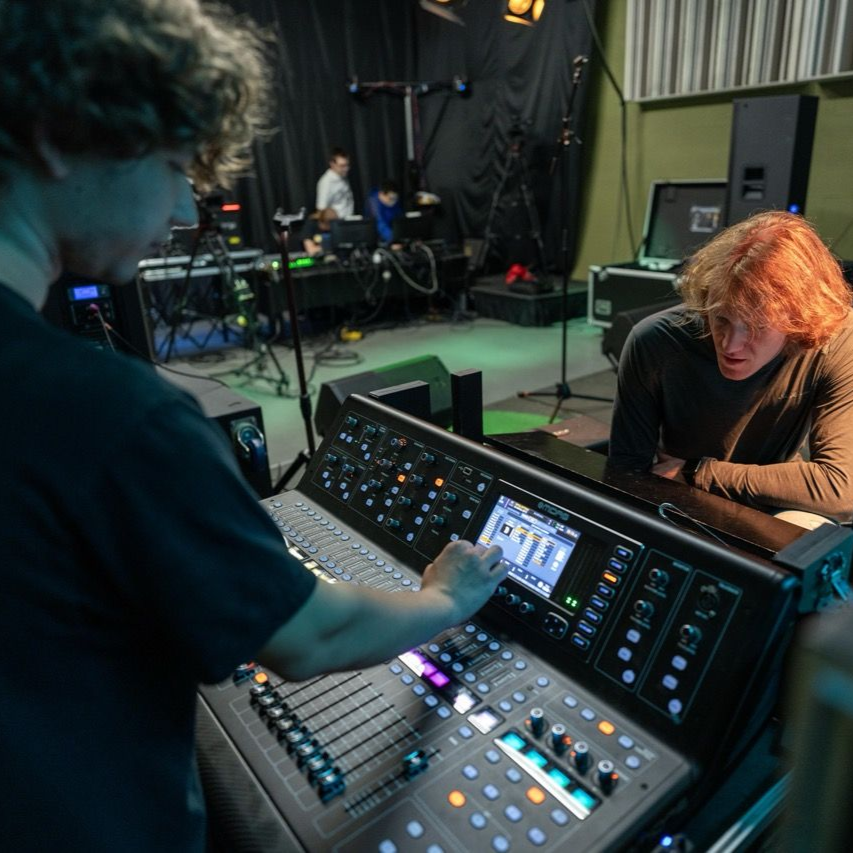
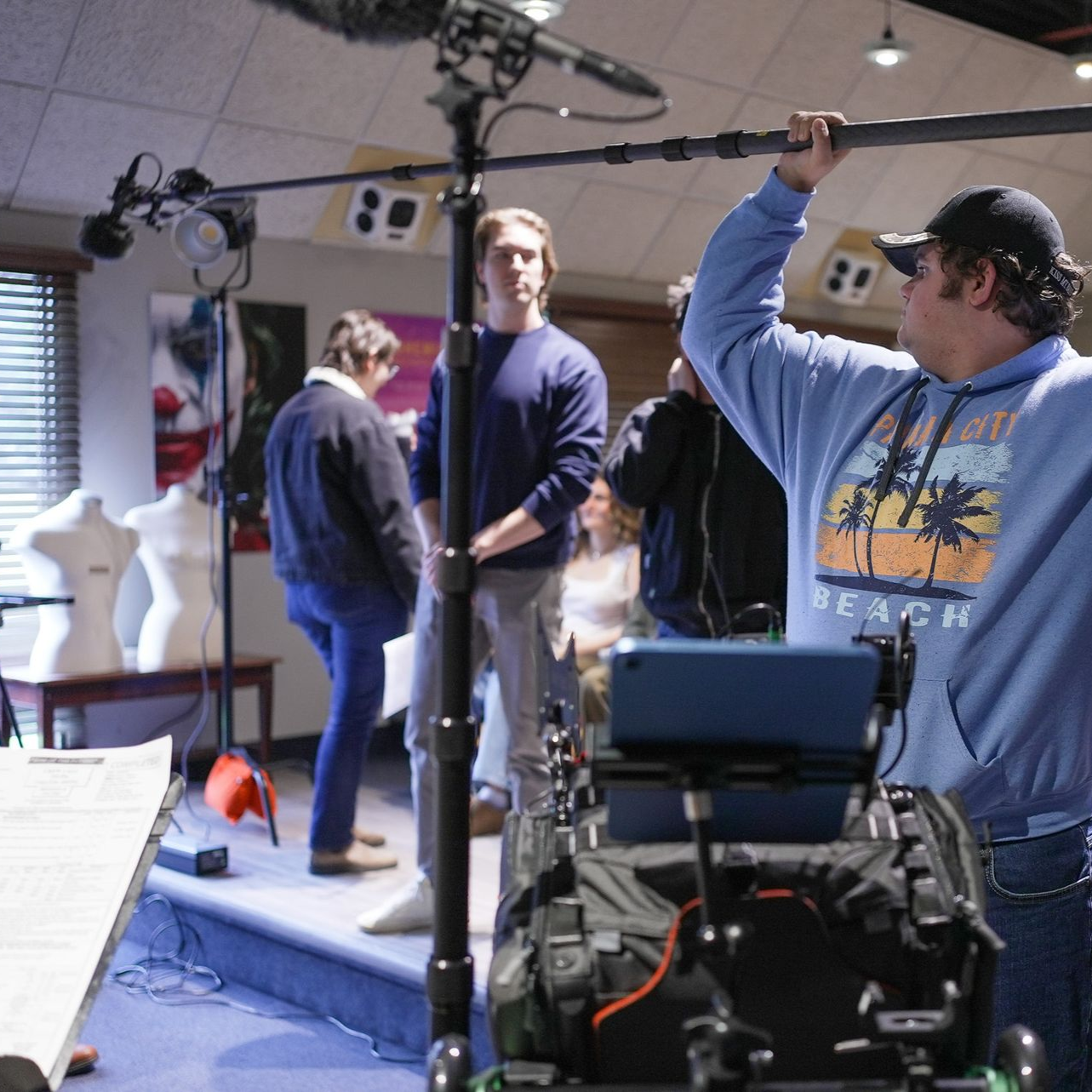
oiart students practicing setting up a live stage for a concert

Live Sound & Event Production

Learn how to plan, setup, and operate the audio, lighting, and technical systems for live events and performances. Apply now.
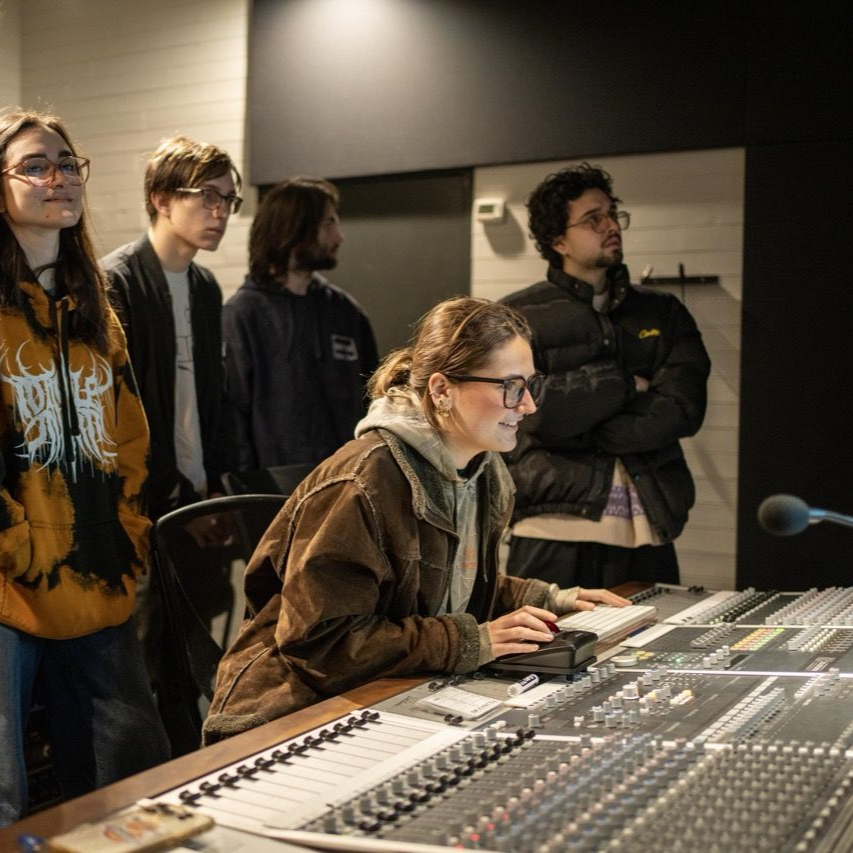
A man is teaching another man how to use a mixer

Music Production

Become skilled in the process of creating, recording, arranging, and refining music into a finished song or track. Learn More.
A man stands at a podium in front of a screen

Audio for Visual Media

Learn about the creation, editing, and mixing of sound to support film, television, games, podcasts and other audio and visual storytelling. Learn more.

Build the Skills Needed for a Career in Live Sound & Event Production

When you go to a show or a concert, your eyes aren't just on the performers under the lights; they are fixed on the sound engineering team at the mixing console and the technical professionals behind the scenes. If that sounds like you, apply to OIART today.

Apply Now

SOUND ENGINEERING CANADA

Comparing OIART's Live Sound Engineering Program vs. Others.

OIART has the best employment rates, completion rates, and graduate satisfaction rates of all sound engineering schools in Ontario, Canada.* We consistently rank better than music production schools in Toronto like RAC, Harris, Trebas, and Metalworks year after year. For our students, live sound engineering isn’t just an interest or a career aspiration, it’s a lifestyle.

OIART (London)
92.3%
80.0%
RAC (Toronto)
50.0%
36.7%
Harris (Toronto)
35.7%
55.6%
Trebas (Toronto Main)
65.4%
60.0%
Metalworks
61.6%
25.0%
Fanshawe
69.9%
35.7%

*Employment rate in field of study six months after graduation. All statements regarding program performance such as Top, Rated the Best and #1 are based on the latest KPI survey results comparing each campus's Music Production and Recording Arts Technology program. OIART: Audio Recording Technology. RAC: Sound & Music Recording. Harris Institute: Audio Production Program. Metalworks Institute: Audio Production & Engineering. Trebas: Audio Engineering and Production/DJ Arts. Fanshawe: Music Arts Industry.

68

Spots for next years program are filling up fast.

Apply Now

The Top Employers of OIART Graduates

Here is a list of some of the top entertainment, event, and venue businesses in Canada that continue to work with OIART graduates. These businesses span live performance, touring, and venue production, where sound shapes every audience experience.

  • Solotech

    Tragically Hip, Arcade Fire, Michael Buble, Lady Gaga, Justin Timberlake, Britney Spears.

  • Air Canada Centre

    [Toronto ON] – Home of the Toronto Maple Leafs and Toronto Raptors.

  • Massey Hall

    [Toronto ON] – Massey Hall has featured appearances throughout its history from Maria Callas, Enrico Caruso, Winston Churchill, George Gershwin, Glenn Gould, the Dalai Lama, Gordon Lightfoot, Luciano Pavarotti, Bob Dylan, Neil Young and Oscar Peterson

  • Clair Global

    Black Sabbath, Bon Jovi, Dream Theater, Elton John, Florence + The Machine, Guns ‘N Roses, Jack White, Katy Perry, Paul McCartney, Jay-Z & Kanye West, The Weeknd, Willie Nelson.

  • The PA Shop

    Billy Talent, Big Wreck, Hedley, Keith Urban, The Tenors, The Trews, Jerry Seinfeld, Ottawa Bluesfest, Rock The Park, Sunfest.

  • Production Resource Group

    Production Resource Group is the global partner of choice for the world’s leading entertainment and event producers, designers, and creative talents. Our teams stage some of the most unique, challenging, and groundbreaking projects across a broad range of markets

  • Roy Thompson Hall

    [Toronto ON] – Home of the Toronto Symphony Orchestra.

  • Four Seasons Centre for the Performing Arts

    [Toronto ON] – Home of the Canadian Opera Company.

  • Stratford Festival

    [Stratford ON] – World famous Shakespearian Theatre. Barclays Center [Brooyklyn NY] – Home of the MTV Video Music Awards, Brooklyn Nets, New York Islanders.

  • Horseshoe Tavern

    [Toronto ON] – Tragically Hip, Blue Rodeo, Rolling Stones, Stompin ‘ Tom, plus Matt Mays, The Sadies, Blackie and the Rodeo Kings, The Constantines, Arcade Fire, Franz Ferdinand, Death Cab For Cutie, The National and The Decemberists.

  • Encore Global

    Top hotels nationwide, resorts such as Banff and Whistler. Visit there website here

  • Princess Cruises

    From its modest beginnings in 1965 with a single ship cruising to Mexico, Princess® has grown to become one of the premiere cruise lines in the world. Today, its fleet carries more than a million passengers each year to more worldwide destinations than any other major line.


Live Sound & Event Production Program Insights
Person in a yellow jacket seated at a desk with audio equipment, computer monitor, and studio speakers.
By Jeremy Alves May 18, 2026
Learn how OIART graduates are building careers in music production, live sound, gaming, broadcast, and audio engineering across today’s entertainment industry.
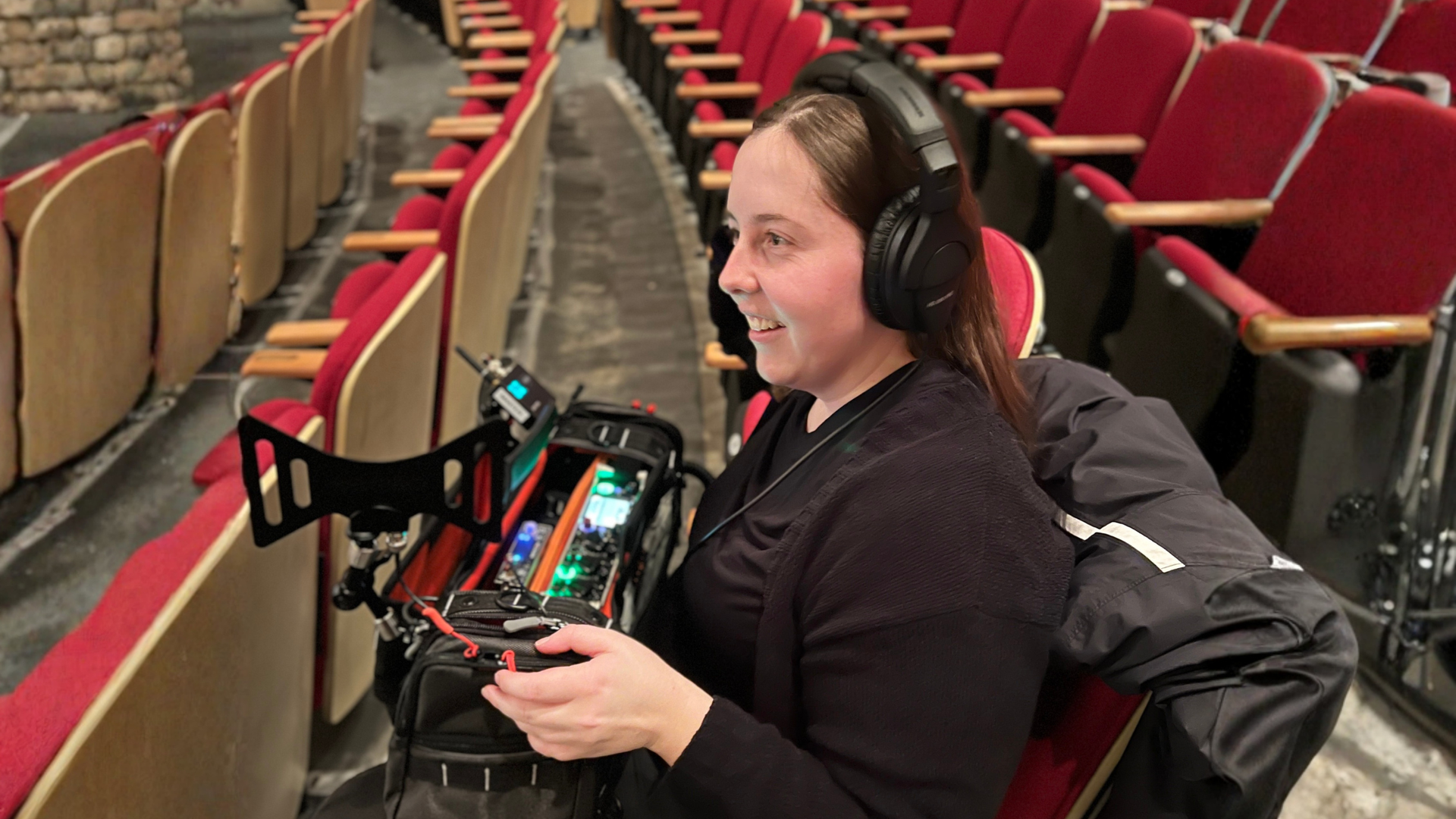
Woman wearing headphones operating a camera rig in a theater with red seats
By Jeremy Alves April 24, 2026
Explore 10 unexpected high-demand audio careers beyond the studio. See how OIART prepares you for real jobs in sound engineering in Canada.
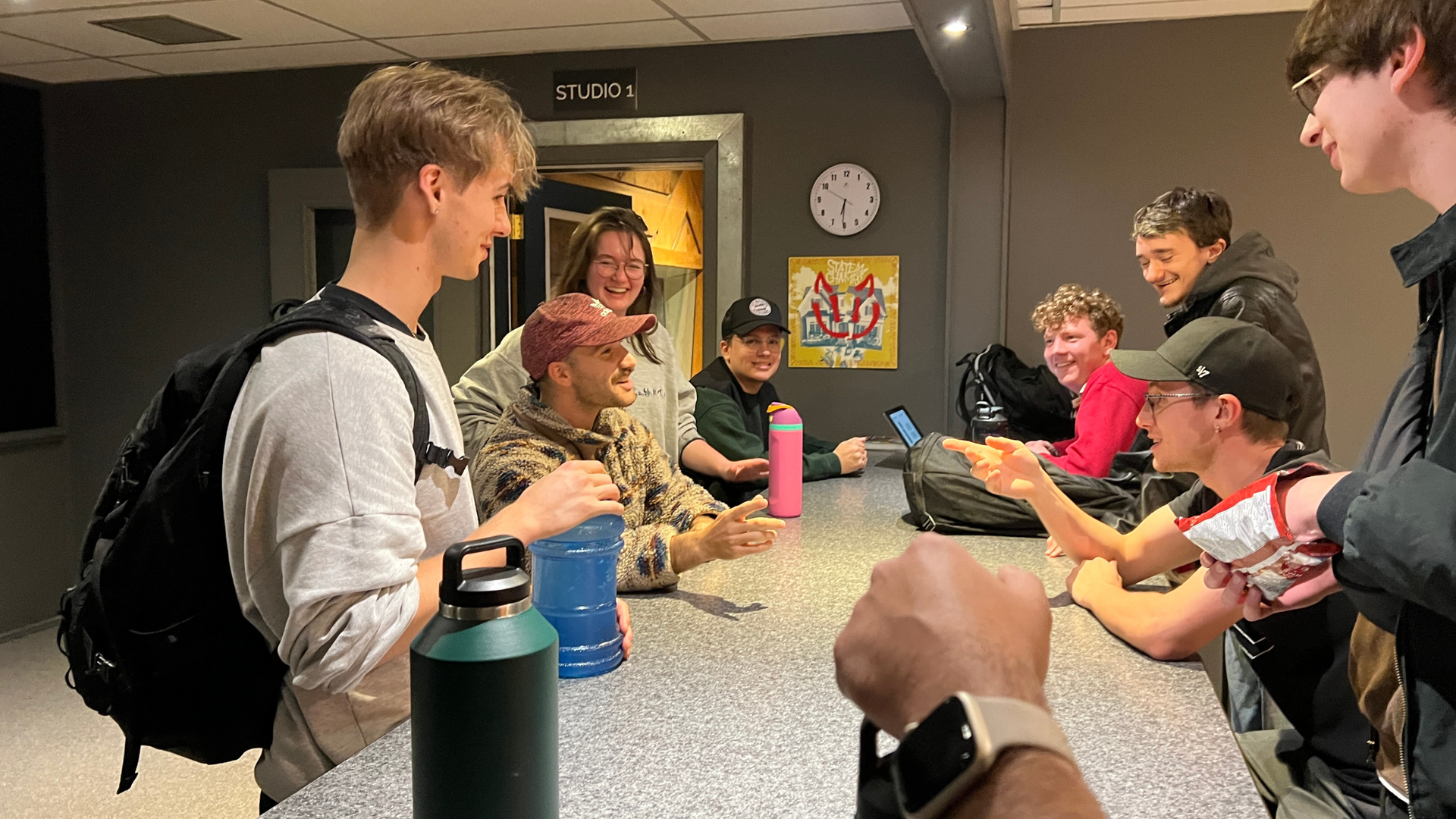
A group of  standing around a high counter, talking and interacting in a brightly lit, modern communal space.
By Jeremy Alves March 18, 2026
Explore how different personalities thrive in audio engineering programs. From introverted mixers to extroverted producers, find your path at OIART.
View More
Person in a yellow jacket seated at a desk with audio equipment, computer monitor, and studio speakers.
By Jeremy Alves May 18, 2026
Learn how OIART graduates are building careers in music production, live sound, gaming, broadcast, and audio engineering across today’s entertainment industry.
Woman wearing headphones operating a camera rig in a theater with red seats
By Jeremy Alves April 24, 2026
Explore 10 unexpected high-demand audio careers beyond the studio. See how OIART prepares you for real jobs in sound engineering in Canada.
A group of  standing around a high counter, talking and interacting in a brightly lit, modern communal space.
By Jeremy Alves March 18, 2026
Explore how different personalities thrive in audio engineering programs. From introverted mixers to extroverted producers, find your path at OIART.
Person in a yellow jacket seated at a desk with audio equipment, computer monitor, and studio speakers.
By Jeremy Alves May 18, 2026
Learn how OIART graduates are building careers in music production, live sound, gaming, broadcast, and audio engineering across today’s entertainment industry.
Woman wearing headphones operating a camera rig in a theater with red seats
By Jeremy Alves April 24, 2026
Explore 10 unexpected high-demand audio careers beyond the studio. See how OIART prepares you for real jobs in sound engineering in Canada.
A group of  standing around a high counter, talking and interacting in a brightly lit, modern communal space.
By Jeremy Alves March 18, 2026
Explore how different personalities thrive in audio engineering programs. From introverted mixers to extroverted producers, find your path at OIART.

FAQs About Live Sounds & Event Production

  • What does a sound technician do?

    A sound tech sets up, runs, and maintains audio for events or productions. Typical tasks include advancing the show, building stage plots/input lists, miking instruments and vocals, patching the console, running line checks, setting gain, ringing out monitors, managing RF (wireless mics/IEMs), troubleshooting buzzes/drops, handling fast changeovers, and striking gear safely. Communication with stage managers, backline, and artists is constant. At OIART, you’ll drill these workflows in small crews—signal flow, stagecraft, cable management, RF basics, changeover timing, and fault‑finding—so you can walk into clubs, festivals, theatres, or corporate gigs with confidence.

  • What is live sound engineering?

    Sound engineering in a live environment is the art and science of delivering clear, powerful audio to an audience in real time. It spans technical system design and deployment—including PA placement, coverage, and SPL goals—as well as console setup, FOH mixing, and monitor management for both wedges and IEMs.


    Beyond the faders, it requires mastery of RF management, playback cueing, and high-stakes problem solving under pressure. The role also demands meticulous production coordination through show paperwork, such as stage plots and input lists. At OIART, you’ll practice the full scope of professional sound engineering: from the initial advance and load-in to system tuning, FOH/monitor mixing, and the final load-out—all guided by mentors and guest pros with active industry credits.

  • What skills do you need to be a sound engineer?

    Core skills blend technical, musical, and people skills:

    • Technical: signal flow, gain staging, EQ/dynamics, mic techniques, digital consoles/DAWs, RF fundamentals, basic acoustics.
    • Musical: critical listening, ear training, music/style awareness.
    • Professional: communication, teamwork, time management, documentation (stage plots/input lists), safety.
    • Business: scheduling, invoicing, client etiquette.

    At OIART, you’ll build these through 650+ hours of hands-on labs, small‑group sessions, and real‑world exercises. You’ll train on industry‑representative gear and develop the soft skills and show paperwork habits that keep gigs running smoothly.

  • How to do live sound mixing?

    Start with prep: advance the show, confirm the input list, and plan groups/VCA layout. On site, deploy PA and stage, patch, and line‑check. Build solid gain structure, set high‑pass filters, and use subtractive EQ to clean up mud/harshness. Apply tasteful compression for control, keep vocal intelligibility on top, and use FX for depth without masking. For monitors, ring out problem frequencies and prioritize what performers need. Create snapshots if the show requires them. During the set, ride faders, watch headroom, and anticipate cues. At OIART, you’ll practice these steps repeatedly, mixing under time pressure and getting targeted feedback to speed up your workflow.

  • What does a sound operator do?

    “Sound operator” often refers to the person actively running audio during a show—common in theatre, broadcast, houses of worship, and corporate AV. Duties include console operation, cue stacks, playback (video/track rolls), wireless mic checks and mic swaps, intercom, and executing cues on script. The goal is consistent intelligibility and seamless transitions. At OIART, you’ll learn show calling, cueing, playback systems, and console operation for scripted events, so you can plug into theatre/corporate workflows as confidently as you would a concert.

  • How to become a sound engineer for concerts?

    Build skills, credits, and relationships. Get hands on training, then work local venues as an A‑2/patch tech, assist regional sound companies, and volunteer at festivals to learn fast changeovers, RF, and system basics. Keep a clean, current resume and a short portfolio (photos of rigs, patch sheets, references). Be reliable, calm under pressure, and safety‑minded. Keep learning new consoles and workflows. OIART helps you accelerate this path: an 11‑month, hands-on program; small‑crew live sound labs; mentorship from working engineers; and career support that starts day one and continues after graduation. Want details? Chat live at oiart.org or call 519.686.5010 x22

  • What makes a festival successful?

    Solid advance work and safe, scalable execution. Key pieces:

    • Clear site plan, power distro, and weather/noise compliance.
    • Robust PA design/coverage, delay towers, and SPL management.
    • Tight changeovers: standardized festival patch, stage plots/input lists, color‑coded cabling.
    • RF coordination (mics/IEMs), clean comms (com, cue lights), and redundancy.
    • Artist experience (hospitality, tech packs), audience flow, and emergency plans.
    • A strong stage/FOH/monitor/system tech team with defined roles and a debrief process.

    At OIART, you will practice festival‑style line checks, RF management, changeovers, and FOH/monitor teamwork in live labs with mentoring from working pros.


  • How to start a live sound company?

    Start focused and build repeatable quality.

    • Define services (engineer‑only, small PA, full production) and target gigs.
    • Register the business, get insurance, and standard contracts/terms.
    • Build a lean, reliable kit (PA, console, mics/DI, RF, cabling, power) and a maintenance plan.
    • Create pricing, quotes, and a simple booking workflow (calendar, deposits, revisions).
    • Partner with trusted rentals/crews; prioritize safety training and show advancing.
    • Market with a clean site/reel, venue/promoter relationships, and consistent follow‑up.

    At OIART, you’ll get career coaching, industry mentors, and hands-on live sound labs to help you build workflows, a portfolio, and the confidence to take paid work.


  • How should an audio engineer monitor sound noise and interference?

    Use your ears and meters, systematically.

    • Gain structure first; PFL/solo to locate the noisy stage zone/channel.
    • Mute/VCA groups to halve the problem space quickly.
    • Check cabling and power (shared circuits, bad DI, phantom conflicts).
    • Use high‑pass filters and proper shielding/balanced lines to reduce rumble/RF.
    • For RF: scan the spectrum, coordinate frequencies to avoid intermod, place/divide antennas correctly, and watch RF/AF meters.
    • Watch SPL/RTA to spot feedback modes or lighting hash.

    At OIART, you’ll drill fault‑finding, RF scans/coordination, and console troubleshooting in small crews so you can stay calm and fix issues fast.


  • What causes ground loops and how do you prevent hum and buzz?

    Ground loops happen when gear is tied to ground at multiple points with small voltage differences; loop currents ride your audio as 50/60 Hz hum (and harmonics).


    Prevention:

    • Use a single power distro (star grounding) for all audio gear.
    • Run balanced lines; avoid long unbalanced runs.
    • Deploy isolation transformers/ISO DIs and use ground‑lift switches on audio (never lift safety earth on AC).
    • Separate lighting and audio power where possible.
    • Tame laptops/USB gear with quality DI/USB isolators; check phantom power and instrument amp grounding.

    At OIART, you’ll learn safety‑first training and practical labs teach you clean power practices and hum‑hunting under show pressure.


  • Which digital consoles are common (avid, yamaha, digico, midas) and how do their workflows differ?

    Avid VENUE (S6L): Deep Pro Tools/Virtual Soundcheck, AAX plug‑ins, powerful snapshots/Events. Popular on tours/festivals; strong show‑file portability.

    • Yamaha CL/QL/Rivage: Rock‑solid, Dante‑native, “Selected Channel” workflow, Scenes with recall scope/safe, User‑Defined Keys. Ubiquitous in corporate/theatre.
    • DiGiCo SD/Quantum: Extremely flexible routing/bus architecture, dynamic EQ/multiband on channels, Macros, Snapshots. Highly customizable, steeper learning curve.
    • Midas PRO/M32: Musical preamps/processing, clear POP/VCA groups (PRO) and Snippets/Scenes (M32). Friendly layout; widely available from clubs to regionals.
    • Common threads: layers/banks, snapshots/scenes, custom faders, and file import/export—details differ.

    At OIART, you’ll get hands‑on time with modern digital consoles, build show files, practice scenes/snapshots, and learn to translate your workflow between brands.


  • What are the core responsibilities of a FOH mixer at a club vs. a festival? Club FOH:

    • Often solo: advance the show, patch, ring out PA/monitors (sometimes from FOH), quick soundchecks, and volume management for the room.
    • Manage changeovers, troubleshoot backline/lines, and keep consistent mixes at lower SPLs with limited outboard/time.

    Festival FOH:

    • Fast line checks, minimal (or no) soundcheck; build scenes offline/virtual soundcheck.
    • Work within a standard festival patch; coordinate with stage/monitor/system techs.
    • Adapt to unfamiliar consoles/PA, SPL limits, and tight schedules; snapshot management is critical.

    At OIART, you’’ learn live labs to simulate both environments—club nights and festival changeovers—so you practice advancing, scene building, RF coordination, and mixing under time pressure with guidance from seasoned engineers.

Live Productions Our Students Have Worked On After Graduating From OIART