Avery Szumlamski - Alumni Spotlight
Jeremy Alves | June 26, 2026
From OIART To MAC Show Systems: Avery Szumlanski’s Career In Live Sound & Event Production
When people picture a career in audio, they often imagine a studio, a console, and a band on the other side of the glass.
For Avery Szumlanski, audio has taken him somewhere very different.
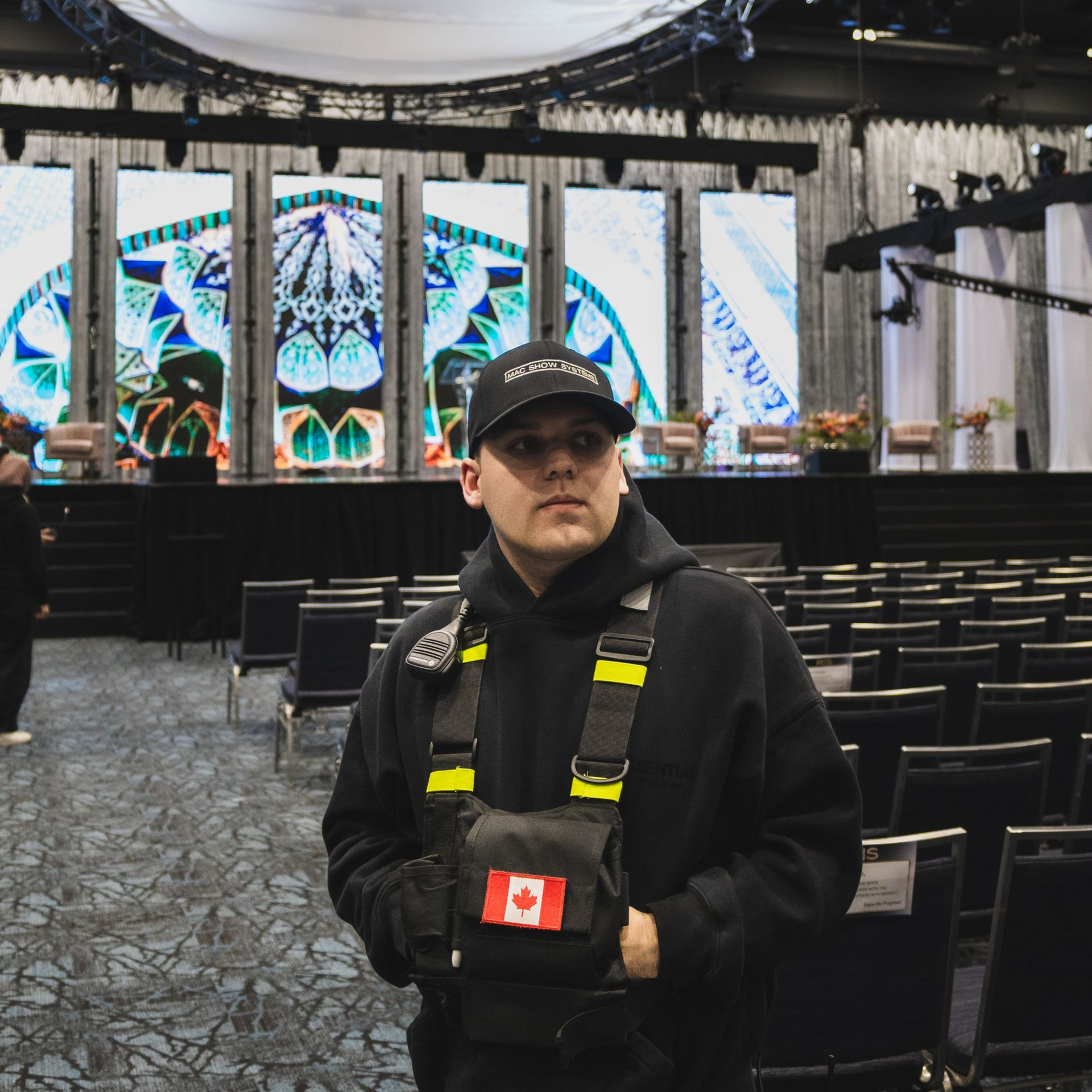
A 2024 graduate of OIART, Avery now works as an audio technician at MAC Show Systems, where his work can involve audio, lighting, staging, PA systems, rigging, power, and large scale event production.
It is a career path that moves quickly, changes constantly, and puts him inside the kind of venues and productions he once looked at from the audience side.
“It’s pretty amazing,” Avery says.
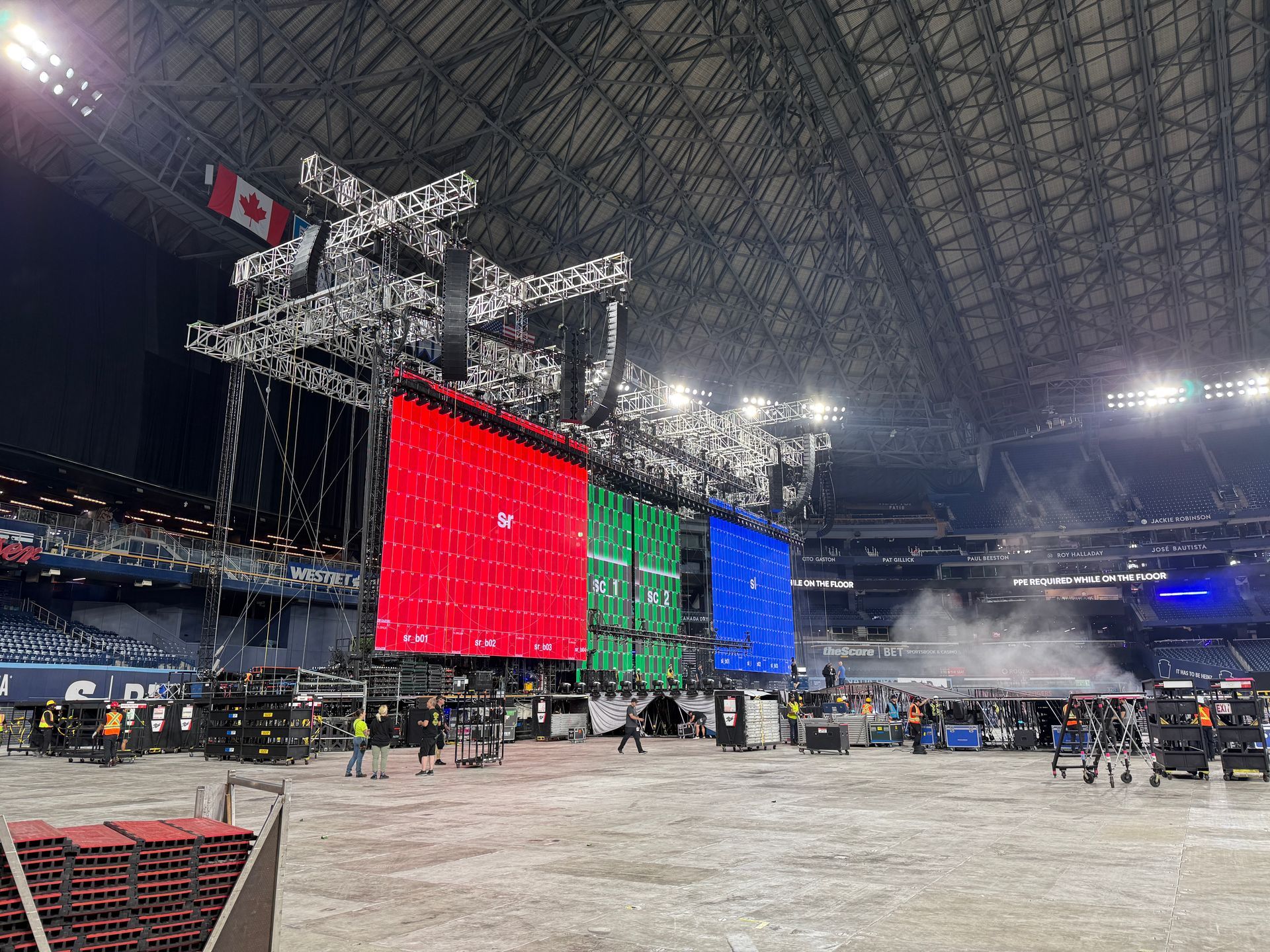
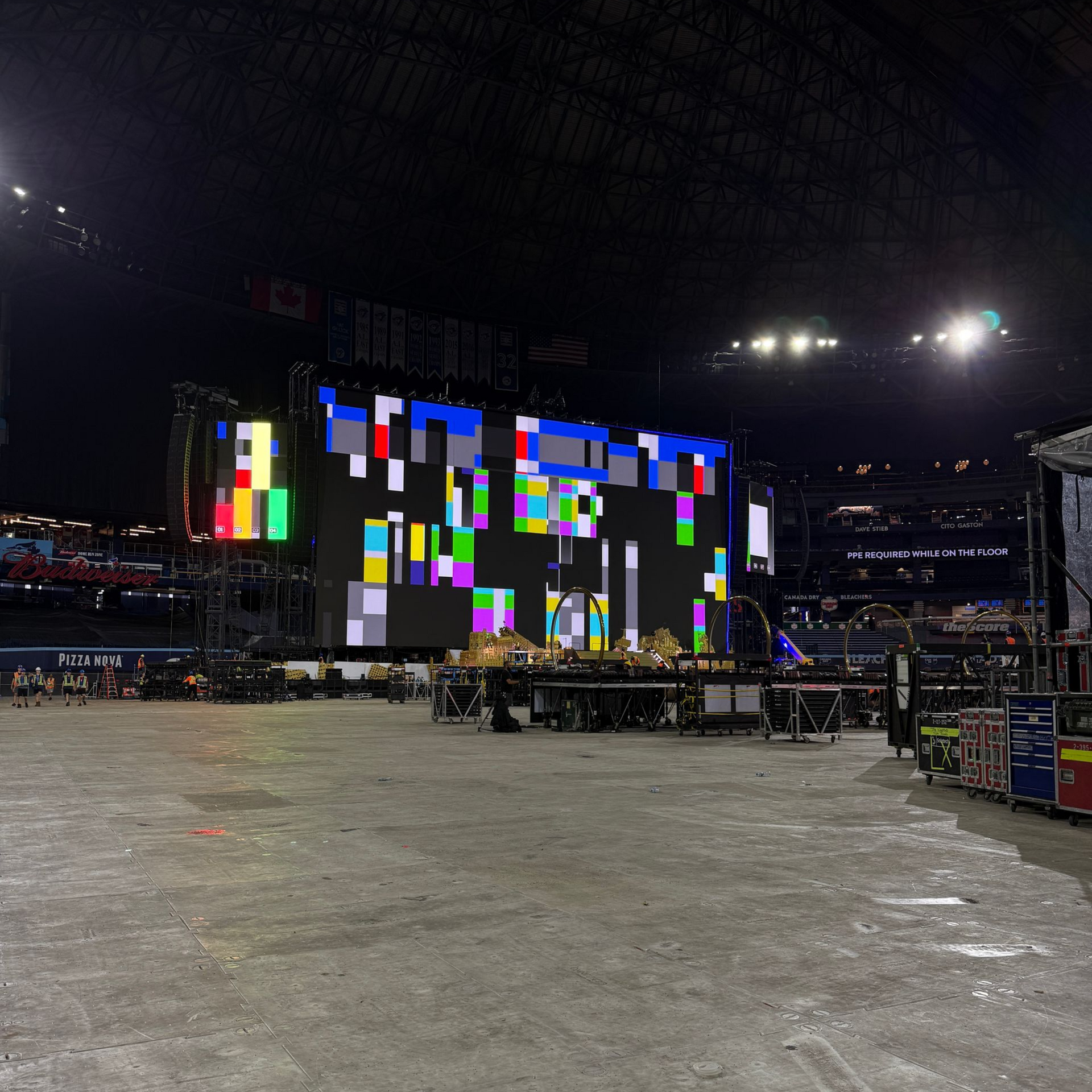
“As a kid, I had my fair time going to the Rogers Centre, going to see the Jays play, going to see the Leafs play. Being on the field or on the floor at those crazy massive venues is unreal compared to where I was at OIART almost two years ago.”
🎥
Watch my journey with OIART and see how it changed my life!
A Career In Live Sound Is Rarely Just One Thing
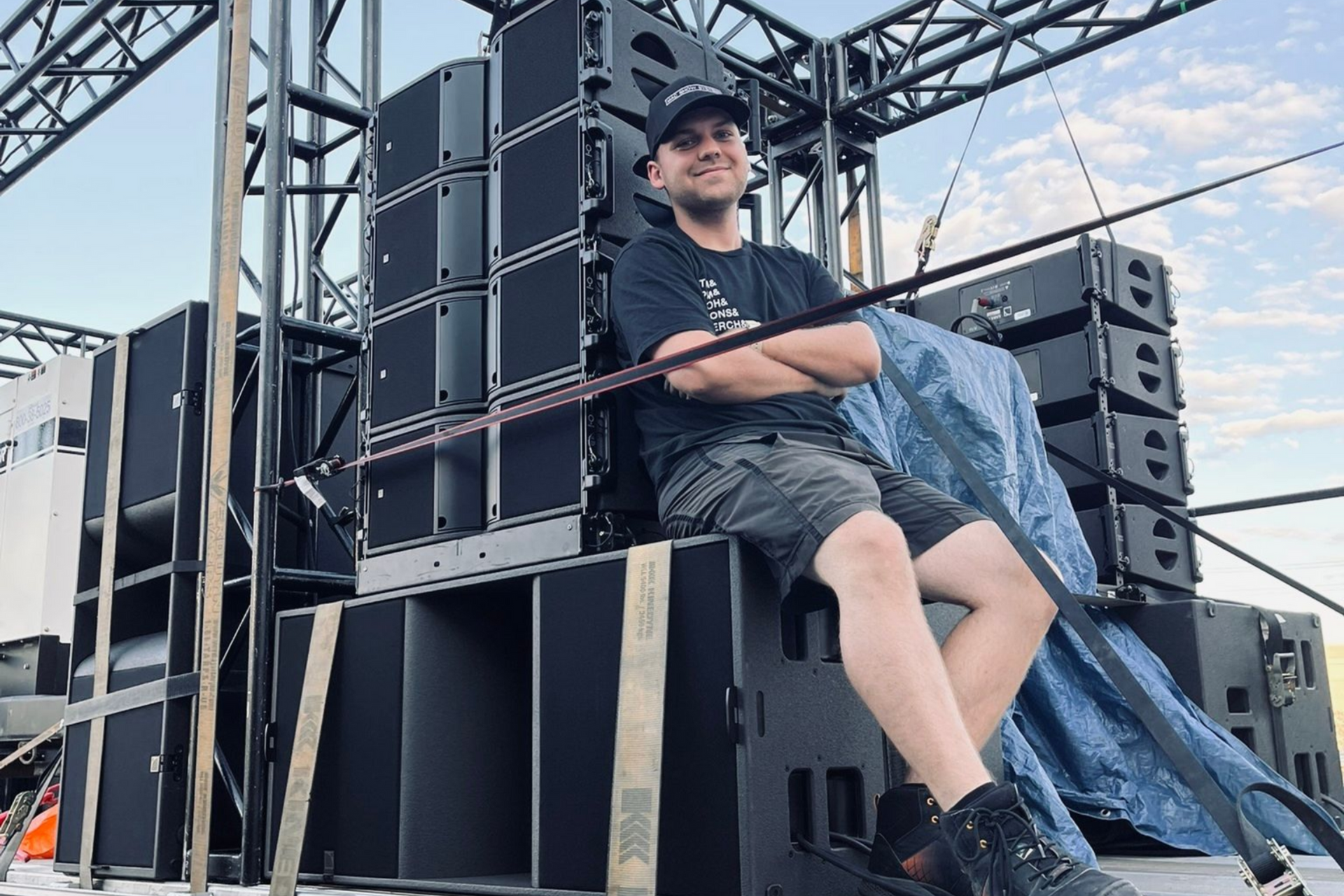
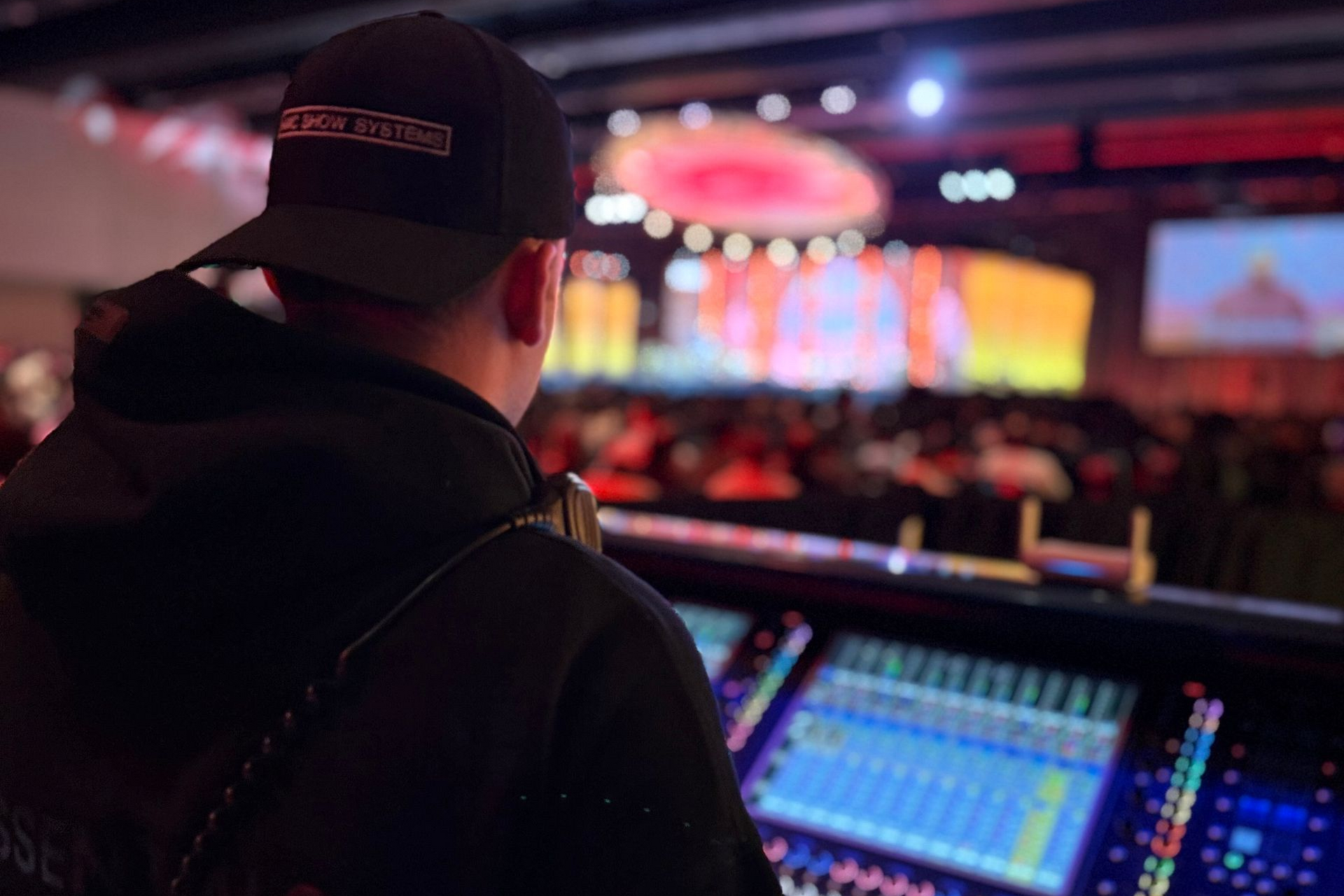
At MAC Show Systems, Avery’s job is not limited to standing behind a console.
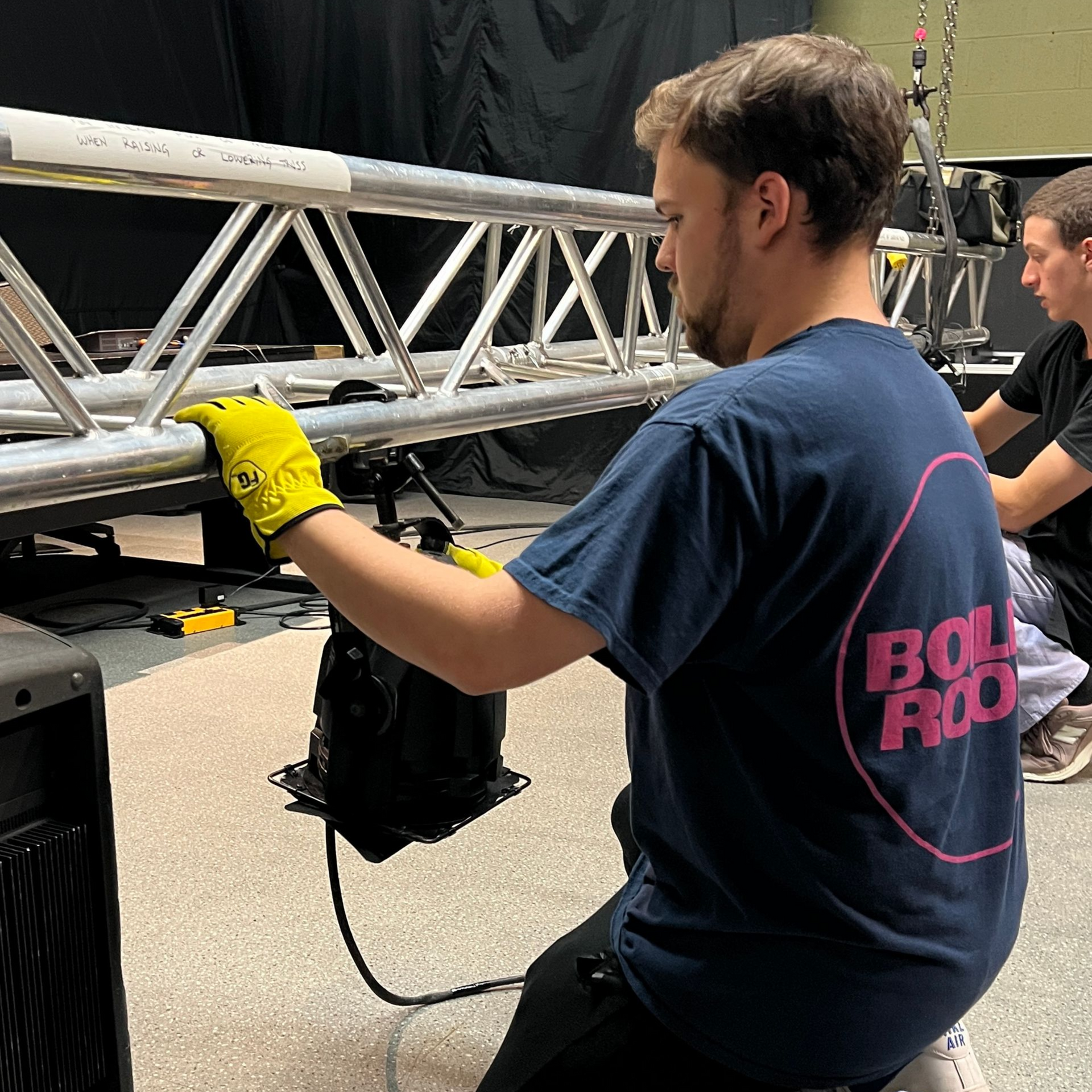
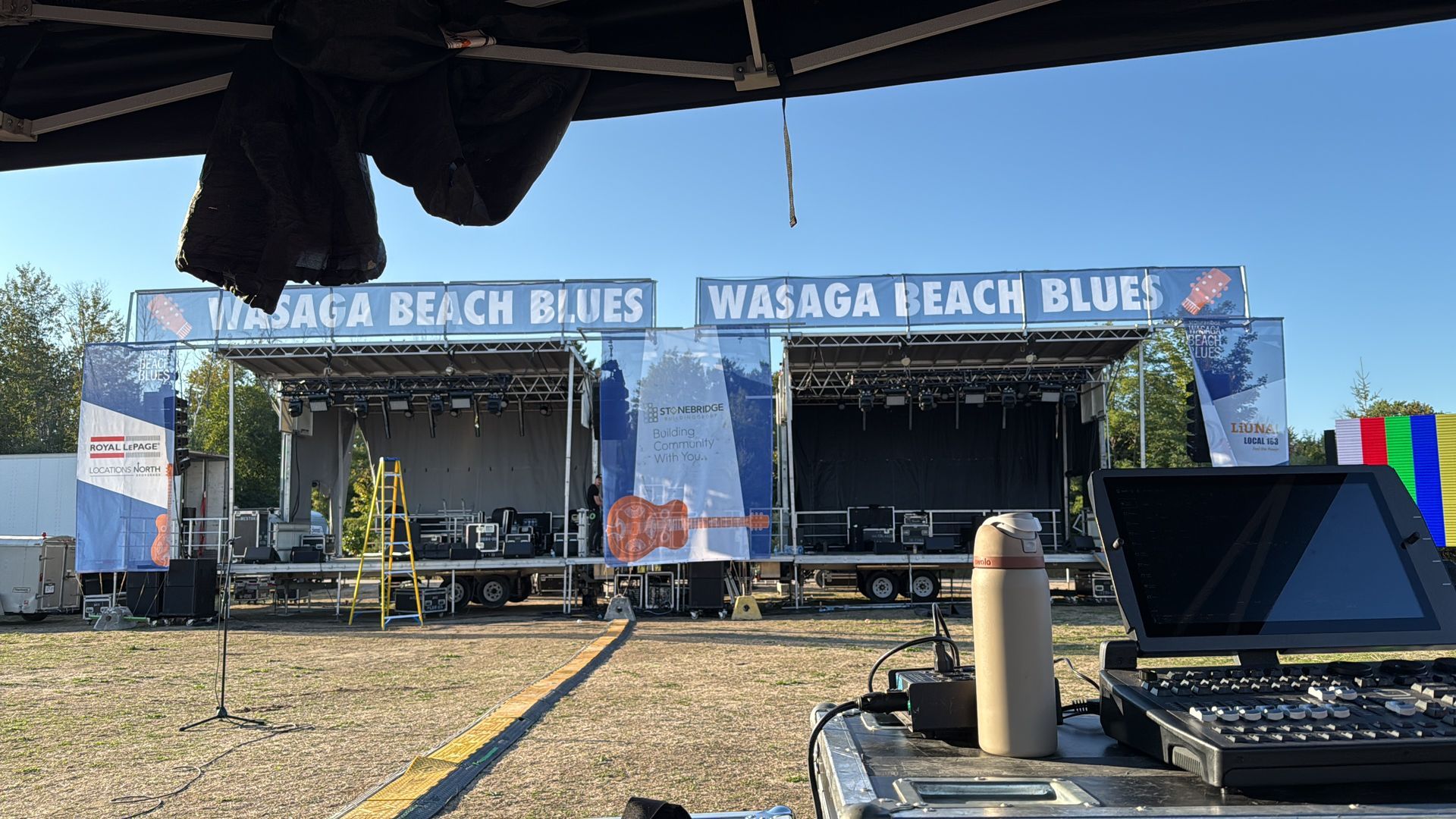
His day can start with unloading trucks, helping get power running, rigging motors, flying PA, setting up systems, or supporting the technical needs of a show from the ground up.
“My skill set is pretty diverse,” Avery says. “At MAC, I could be anywhere from doing audio to lighting to staging.”
That variety is one of the defining parts of live sound and event production. A show does not happen because of one person or one piece of equipment. It happens because a team knows how to build the system, solve problems, keep things moving, and make sure the audience never sees the work happening behind the scenes.
For Avery, that has meant working with high end gear, learning from experienced people, and staying ready for whatever the next show requires.
“We’re fortunate enough at MAC to have a lot of top notch gear,” he says. “I’ve also been fortunate enough to meet some unreal people.”
From OIART To Major Shows
Since graduating from OIART, Avery has already had the chance to work around major artists, productions, and events.
Through his work at MAC and other opportunities, he mentions being involved with shows connected to Kendrick Lamar, SZA, The Weeknd, Tyler Joe Miller, Weezer, and more. He has also worked as an A2 for Dome Productions on a Toronto Raptors event, and as a systems engineer for Nuit Blanche in Toronto.
Those are not small steps for someone who graduated in 2024.
“How far I’ve come feels really accomplishing,” Avery says. “It’s definitely really exciting.”
That kind of early career momentum does not happen by accident. Avery started by freelancing after graduation, working with different companies and people he had met in the industry. A few months into those different ventures, MAC reached out and offered him a full time position.
It is a good example of how
live sound careers often grow. One job leads to another. One connection leads to a call. One good impression can turn into the next opportunity.
Why OIART Stood Out
Avery first found OIART near the end of high school while looking into different options for working in production.
He had always been interested in the production industry, but he wanted to understand what career paths were actually possible after school. When he looked into OIART, a few things stood out.
The curriculum felt connected to the real industry. The graduates were working. The instructors had real professional experience. The course looked like it could help him get where he wanted to go.
“The successful graduates that are working in the industry today, that’s definitely what stuck out to me the most,” Avery says.
The curriculum was another major factor.
“It was definitely the curriculum that stood out to me the most,” he says. “And definitely the teachers there, how up to date everything is to what the real world industry is today.”
That mattered once he graduated. According to Avery, the transition from OIART into working professionally did not feel like a huge leap because the training had been built around current industry expectations.
“There wasn’t too much of a learning curve graduating OIART and working where I am today,”
he says.
OIART's Audio Recording Technology Program Includes:
✓ Small Class Sizes
✓ On Site Facilities
✓ Industry Leading Instructors
✓ Post Grad Support & Guidance
✓ Exclusive 11 Month Program
Theory, Gear, & Hands On Learning
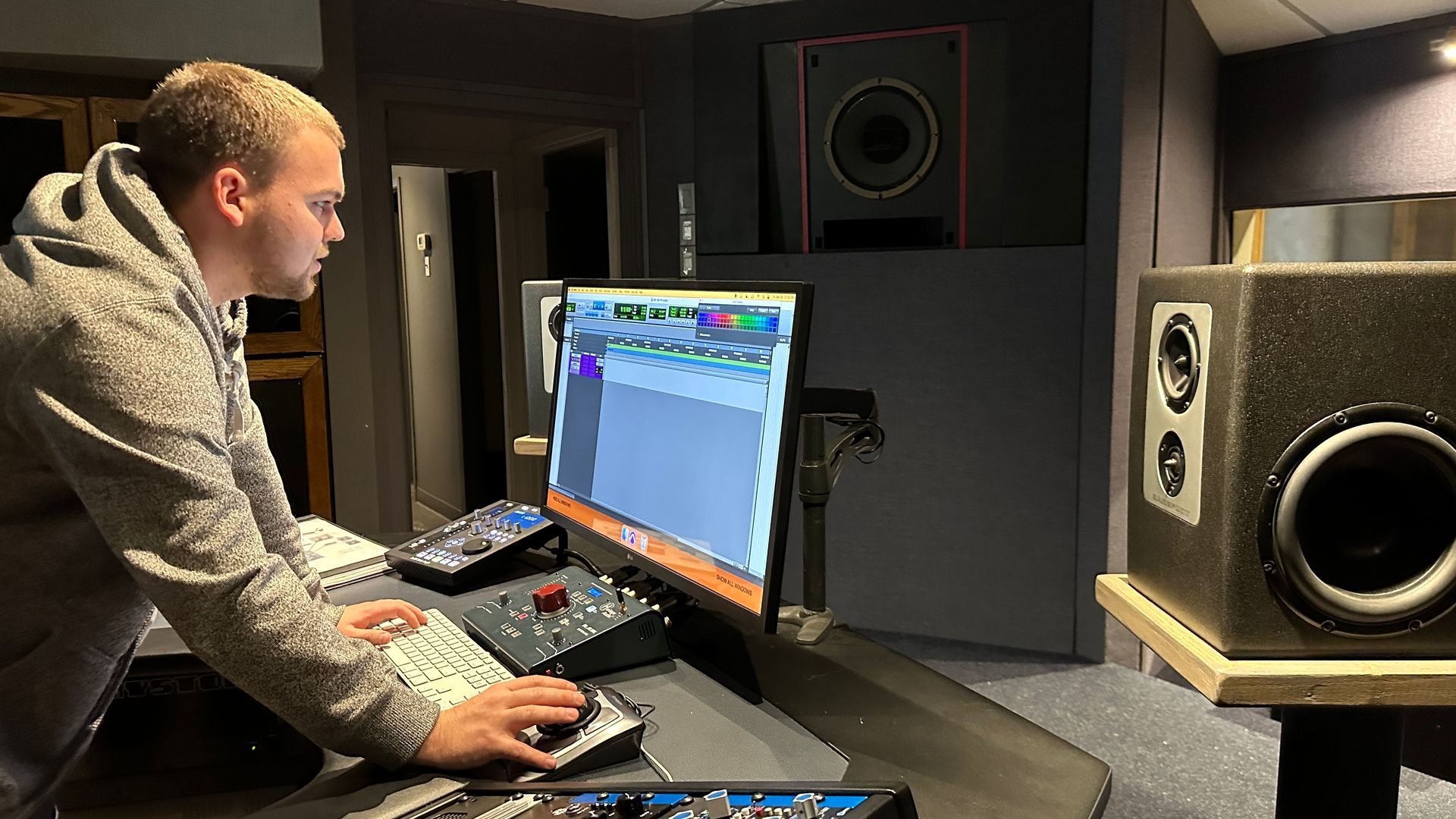
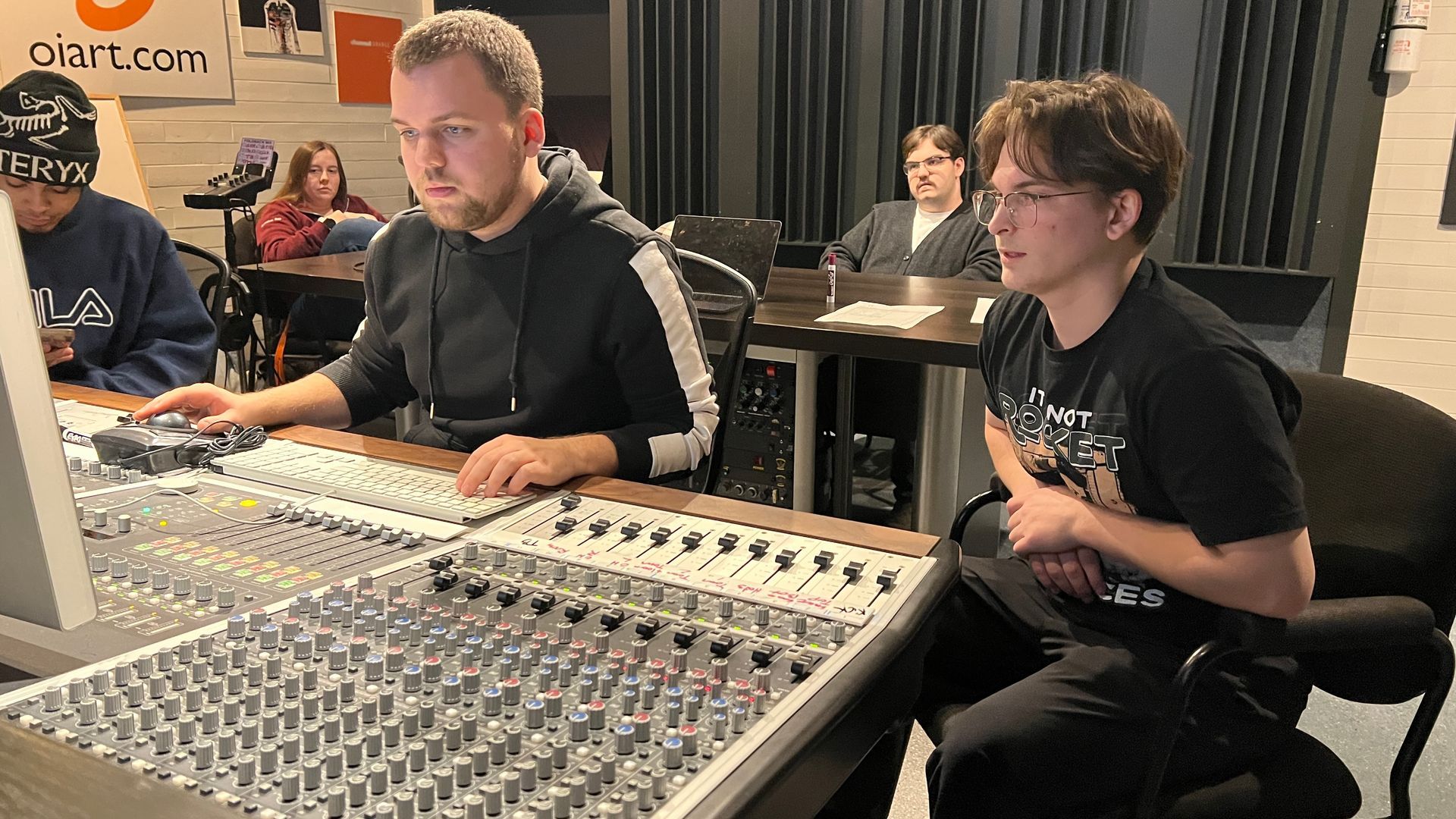
One of the biggest things Avery points to is the connection between what students learn in class and what they do in labs.
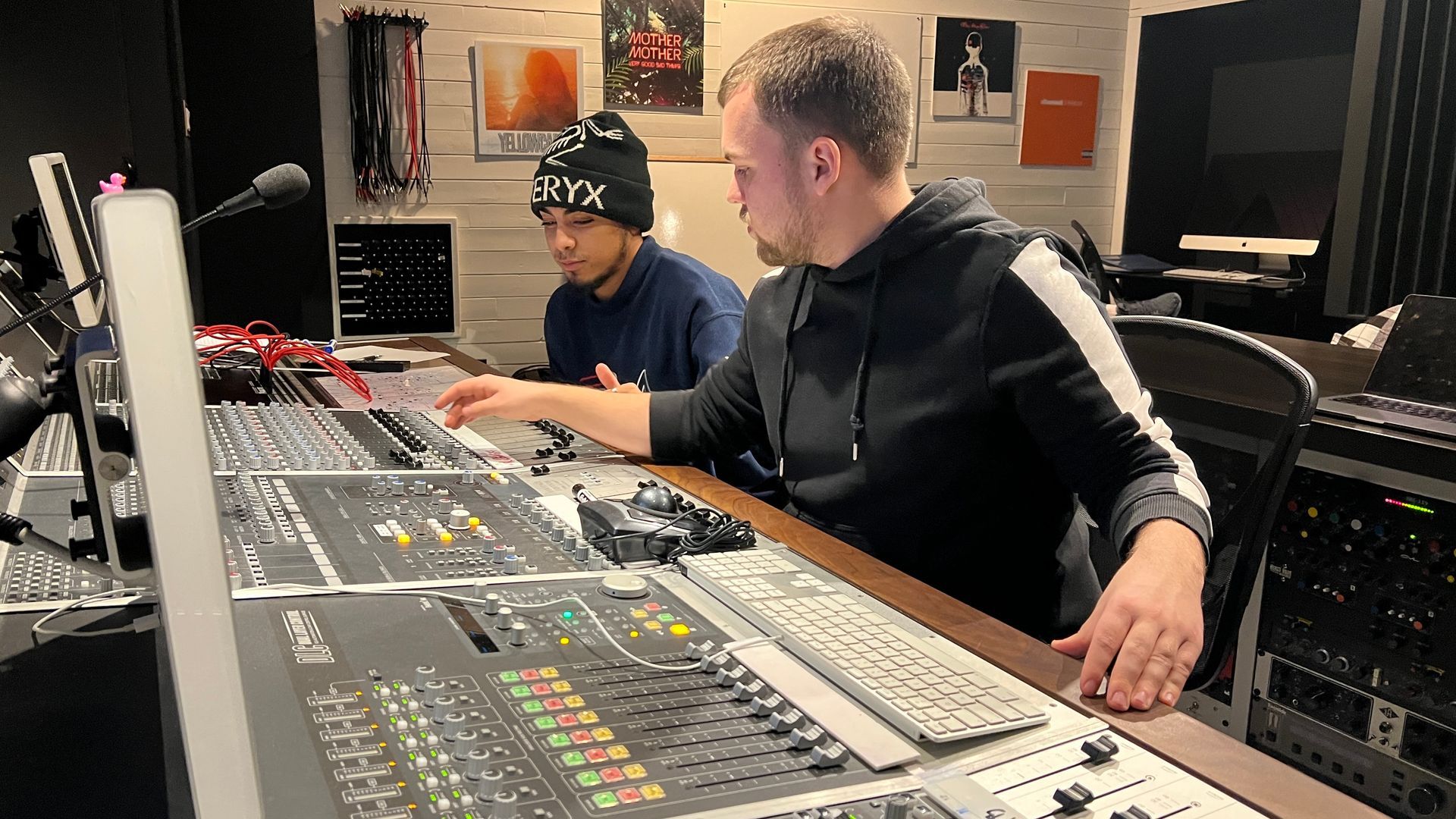
For him, that made the material easier to understand. He could learn the theory, then almost immediately apply it to real equipment and real workflows.
“It was definitely really nice to be able to learn the in depth theory in class and then also apply it into the labs afterwards,” Avery says. “It made it really easy to learn, especially as a hands on learner.”
That is a major part of the OIART experience.
Students are not only learning ideas in isolation. They are learning signal flow, systems, consoles, microphones, live sound workflows, studio workflows, troubleshooting, and collaboration in a way that connects back to actual work.
Avery says that immediate connection between theory and gear helped him build confidence.
“It was great to be able to make that connection between the theory and the gear almost immediately,” he says.
Learning From Working Professionals
Avery also points to the instructors as one of the reasons OIART felt connected to the industry.
“All the teachers there are working professionals,” he says. “They still work in the industry today.”
That makes a difference. Students are not only learning from people who understand the concepts. They are learning from people who know what those concepts look like on the job, under pressure, with real clients, real deadlines, and real expectations.
For Avery, that connection between the classroom and the industry helped make the course feel practical.
It also helped create a sense of community.
“Not just the classmates, but also the teachers,”
he says. “It felt like it was a real community there. It never felt like anyone was left behind.”
Who Does Well At OIART?
When asked what kind of person should consider OIART, Avery’s answer is simple: someone who is passionate, willing to work, and willing to keep learning.
Live sound and event production can be exciting, but it is not passive. The work takes effort. The hours can be long. The job changes from show to show. You have to be ready to learn, adapt, and keep building your skills.
“It takes time,” Avery says. “It takes a lot of effort, and you have to go down certain roads and paths to figure out what you like and what you don’t like.”
That mindset matters in audio because the industry is always changing.
“Someone that is willing to learn more every day and not just learn one thing and be done with it,” Avery says. “You have to be open to consistently learning all the time.”
For students who are serious about audio, that constant change can be part of what makes the work exciting.
“It’s never always the same, no matter where you’re walking into,” Avery says. “It’s always different, and that’s what makes this job so refreshing and enjoyable.”
The Importance Of Going The Extra Mile
Avery’s advice for future students is not complicated, but it is important.
Be excited. Work hard. Keep learning. Meet people. Build your network. Take the opportunities seriously.
“Continue to go the extra mile because it doesn’t go unnoticed by people in the industry,” he says. “Continue to grow your network because this industry is all connections.”
That is especially true in live sound and event production, where relationships are a major part of how people find work, get called back, and move into bigger opportunities.
For Avery, the message is not to stay in a small bubble. The industry is bigger than that, and growth comes from being willing to meet people, take chances, and learn from every environment you step into.
“The industry is growing,”
he says.
“So why not grow with it?”
A Real Look At Live Event Work
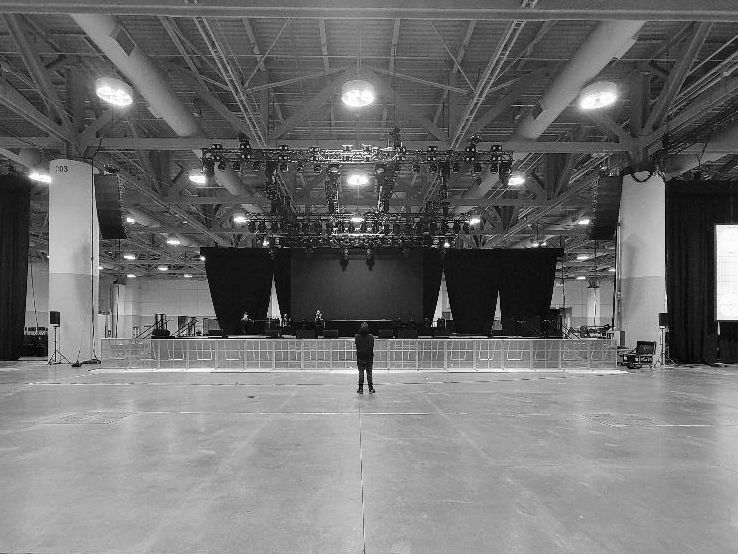
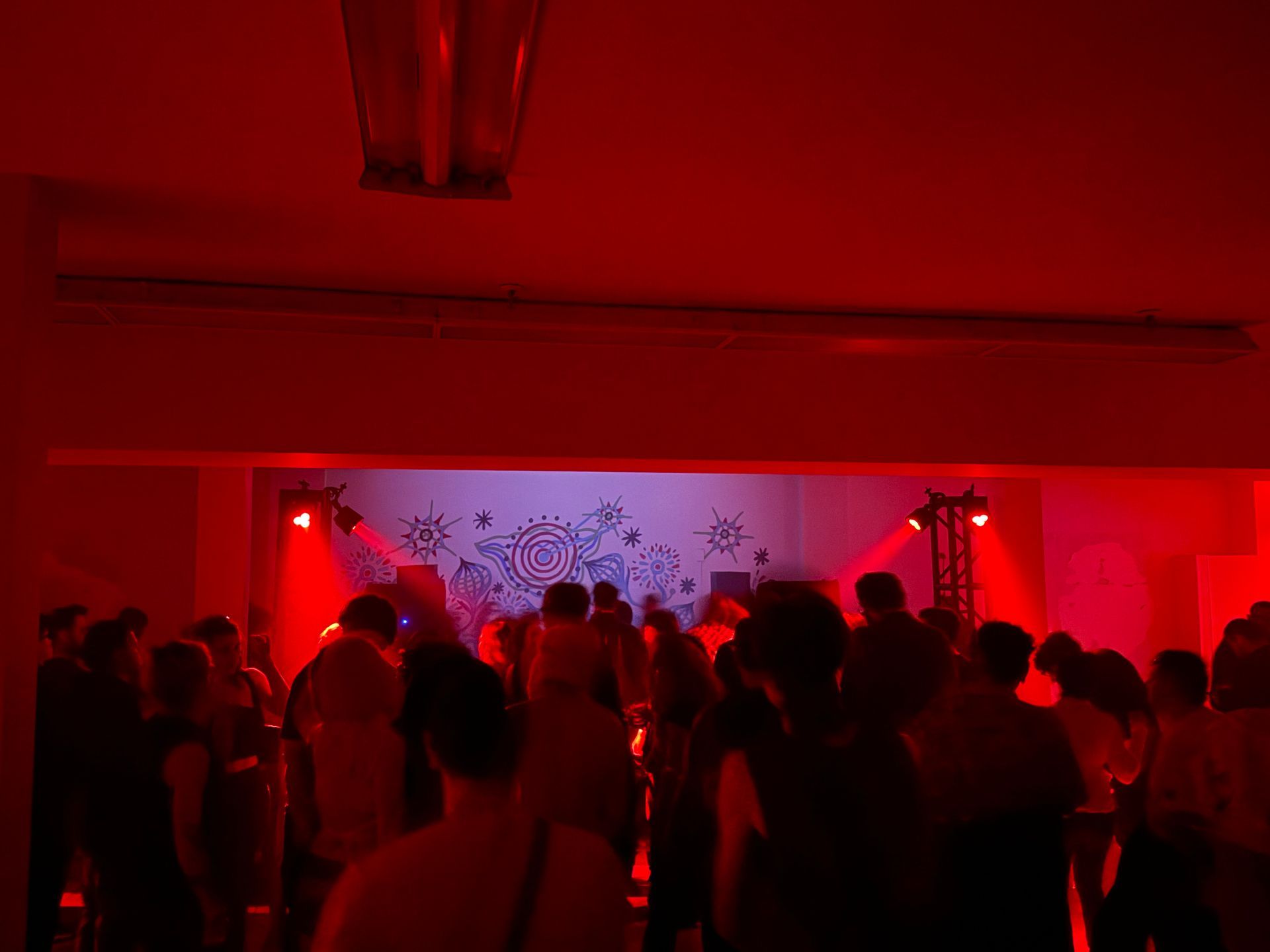
Part of Avery’s spotlight was filmed during a show setup in downtown London at Dundas Studios, near 7 Social.
For that event, he walked through some of the gear being used, including an Allen & Heath SQ series console, wireless lighting, QSC speakers, subwoofers, and a DJ setup. The show itself was not the biggest event he had worked on, but that is part of what makes the story feel real.
Audio careers are not only made up of massive arenas and major artists. They are also built through smaller rooms, local events, club nights, corporate shows, festivals, freelance calls, and all the technical work that happens before the audience arrives.
That range is what makes live event production such a strong path for people who like variety.
One week might involve PA. Another might involve lighting. Another might involve staging. Another might put you on the floor at a major sports event or behind the scenes at a large Toronto production.
For Avery, that variety is part of the appeal.
A Real Example Of Where OIART Can Lead
Avery’s story shows one version of what can happen after OIART.
He found the course near the end of high school, came in with an interest in production, built a foundation across audio and live event work, started freelancing after graduation, made connections, and turned those early opportunities into a full time position at MAC Show Systems.
Less than two years after being a student, he is working in professional environments, learning from experienced technicians, building real systems, and contributing to shows and events that many people only see from the audience.
That is the value of hearing from graduates like Avery.
It makes the path feel real.
Watch Avery’s Grad Spotlight
In this Grad Spotlight, Avery Szumlanski talks about working as an audio technician at MAC Show Systems, his experience in live sound and event production, why OIART stood out to him, and what advice he has for future students who want to build a career in audio.
Interested In Where Audio Training Could Take You?
OIART’s 11 month Audio Recording Technology program is designed to help students build real skills across music production, live sound, studio recording, and audio for visual media.
Apply to OIART, book a
campus tour, or
contact our admissions team to learn more about the course and where a career in audio could lead.
FAQs About Avery's Time At OIART
Follow @yourfutureissound On Instagram & Tiktok!
Video Transcript
Ready to Start?
OIART's Program Includes:
✓ Small Class Sizes
✓ On Site Facilities
✓ Industry Leading Instructors
✓ Post Grad Support & Guidance
✓ Exclusive 11 Month Program
Top Reasons Why You Should Choose OIART.
Have Questions?
If you have questions about our program for audio engineering and music production or would like to book a tour, we would be pleased to speak with you.
Text Us: 519.200.4151
Share This With a Fellow Music Lover
Apply in 3 Steps!
Step 1: Click Apply Now to start.
Step 2: Answer questions about yourself.
Step 3: Submit and check your email.
Share this with fellow music lovers