OIART's Audio Engineering & Music Production Blog
We are proud of our grads, their careers and continued achievements. Read about new graduate success, industry news, audio engineering updates and other OIART news.
Read News by Categories

By Jeremy Alves
•
August 12, 2026
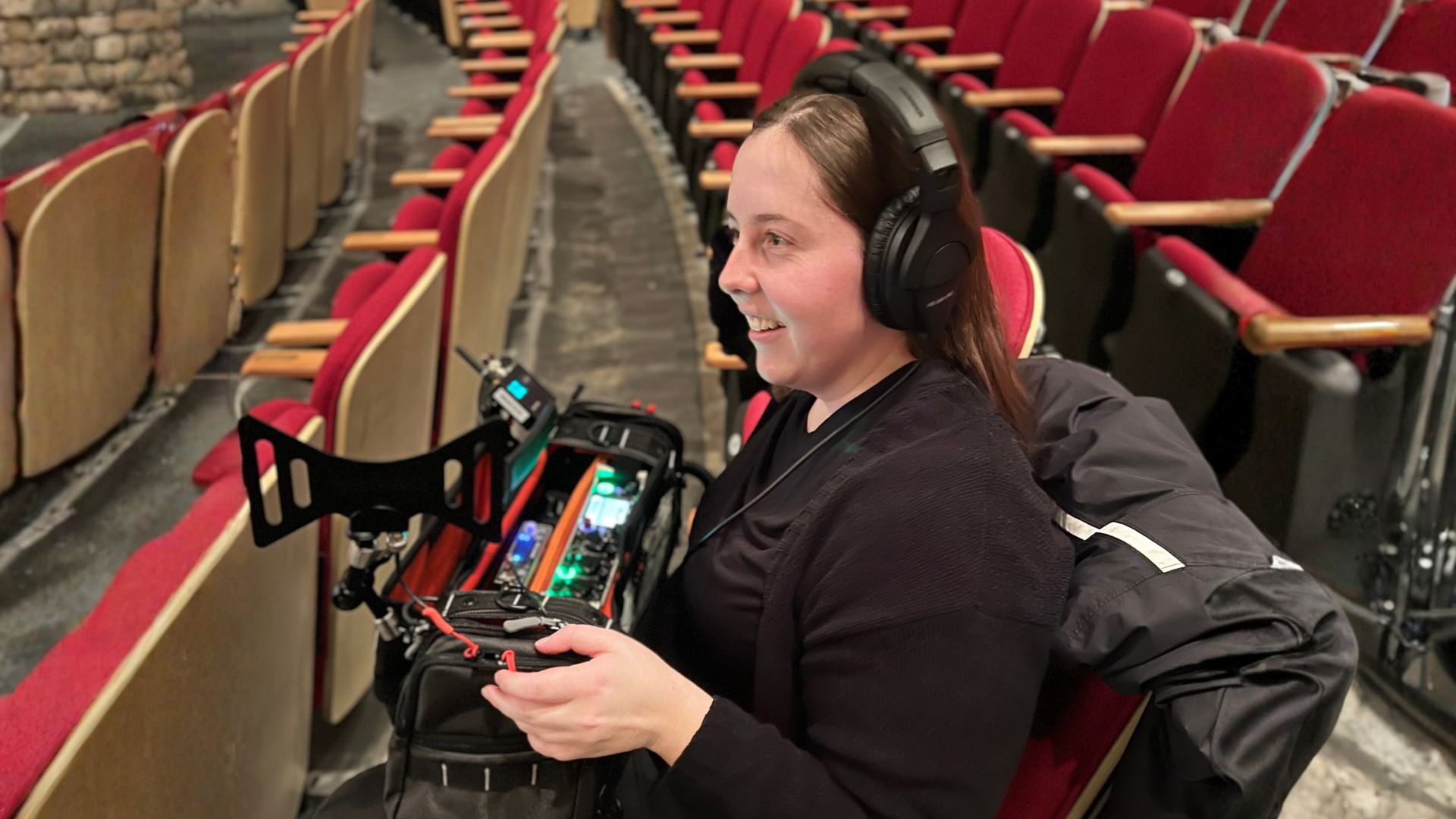
What does a sound technician do? Setup, mixing, patching, RF and troubleshooting across studios, venues and broadcast. Plus how to train for the job.
By Jeremy Alves
•
May 18, 2026
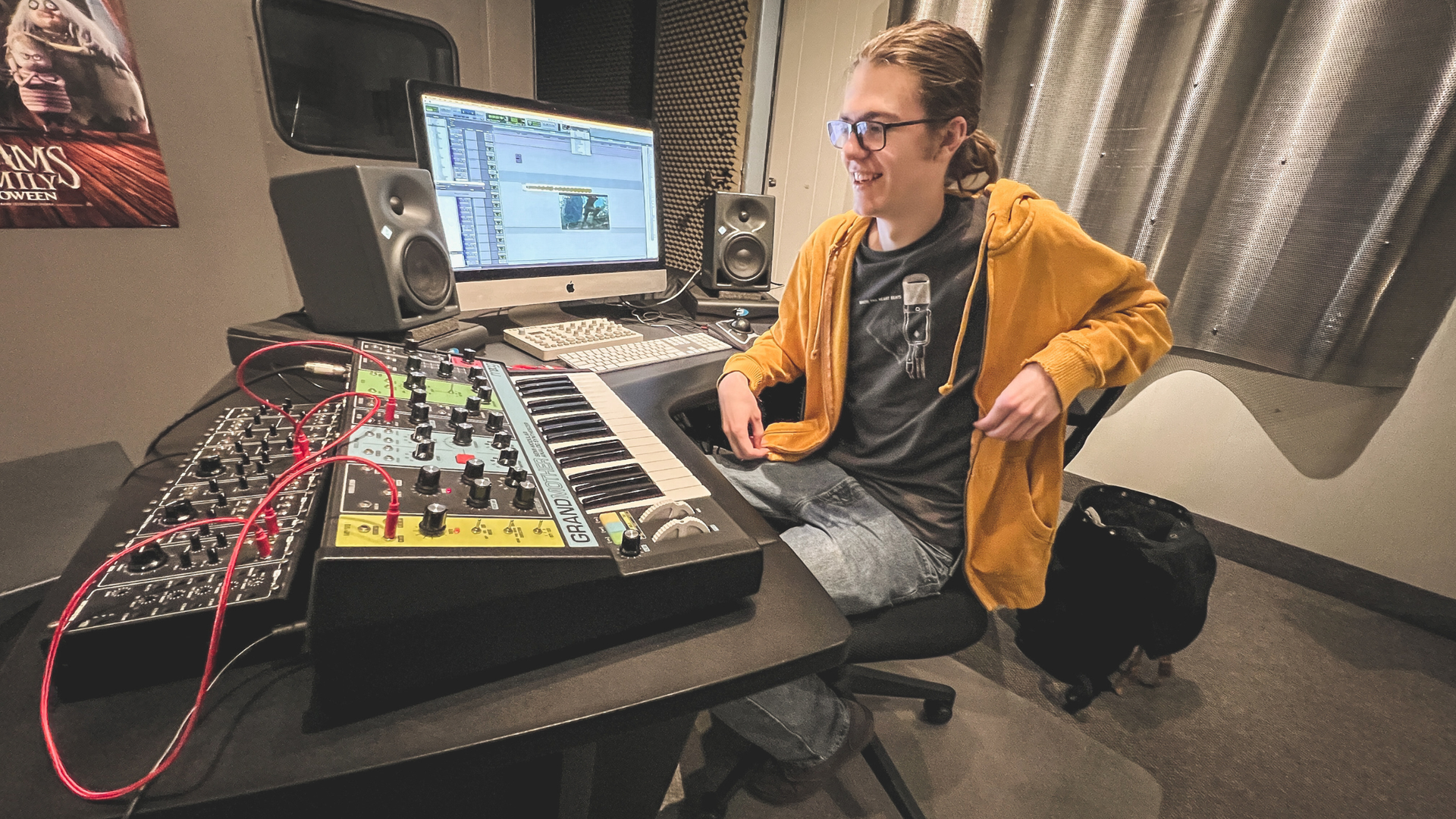
Learn how OIART graduates are building careers in music production, live sound, gaming, broadcast, and audio engineering across today’s entertainment industry.
By Jeremy Alves
•
April 24, 2026
Explore 10 unexpected high-demand audio careers beyond the studio. See how OIART prepares you for real jobs in sound engineering in Canada.
By Jeremy Alves
•
March 18, 2026
Explore how different personalities thrive in audio engineering courses. From introverted mixers to extroverted producers, find your path at OIART.
By Jeremy Alves
•
March 4, 2026
Algonquin College suspended its Music Industry Arts course in 2026. Here’s what it means for Ontario audio students and new pathways forward.
By Jeremy Alves
•
March 4, 2026
Explore top audio recording schools in North America and see how OIART’s hands-on audio engineering program can help launch your career in music production.
By Jeremy Alves
•
February 24, 2026
Looking for the top music production school in Canada? OIART offers elite audio engineering courses with a 40+ year history of success. Read how we do it.
By Jeremy Alves
•
February 9, 2026
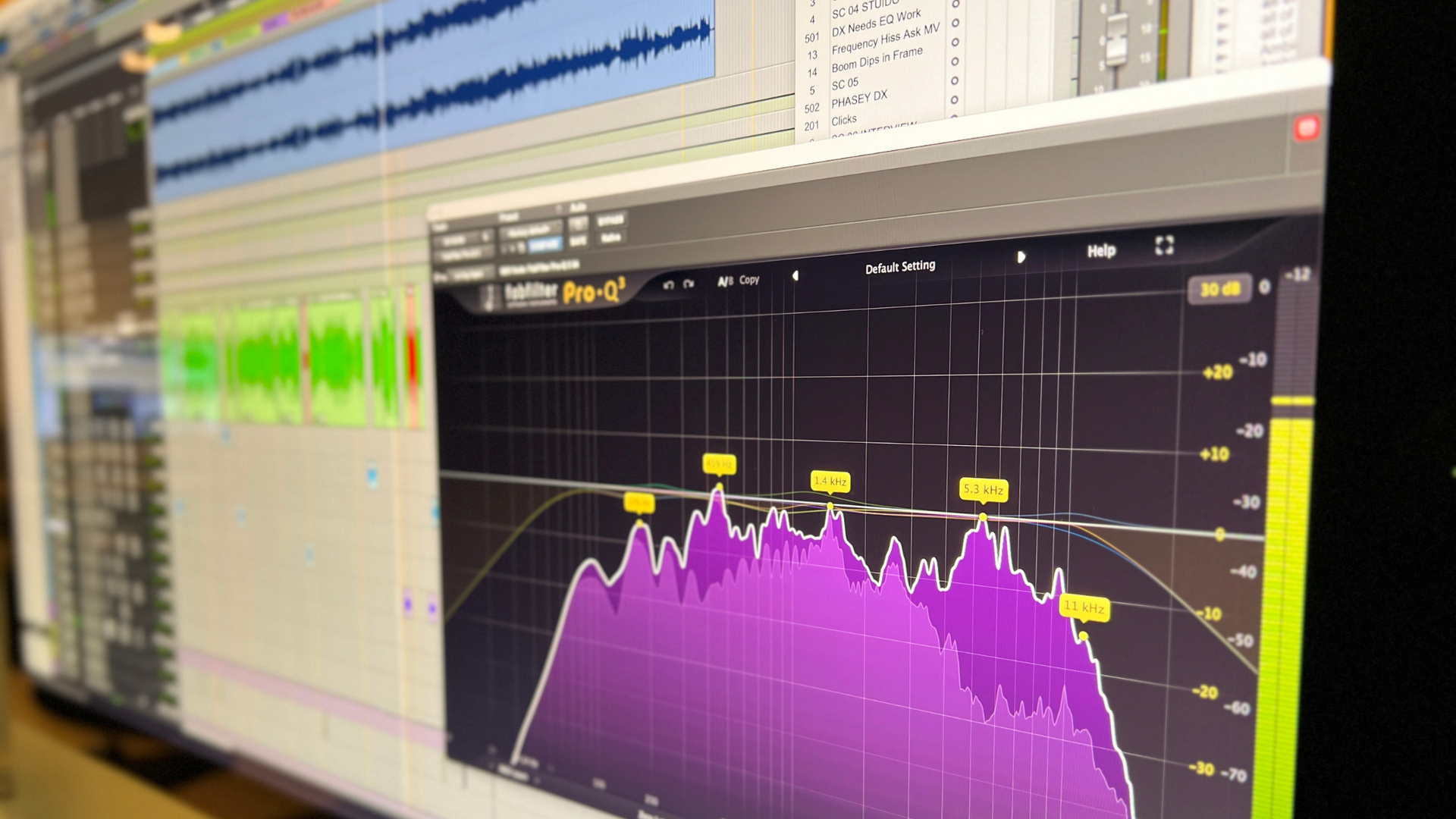
Masters vs publishing explained for producers: who owns what, how each revenue stream pays, and what to negotiate before you start a session.
By Jeremy Alves
•
December 15, 2025
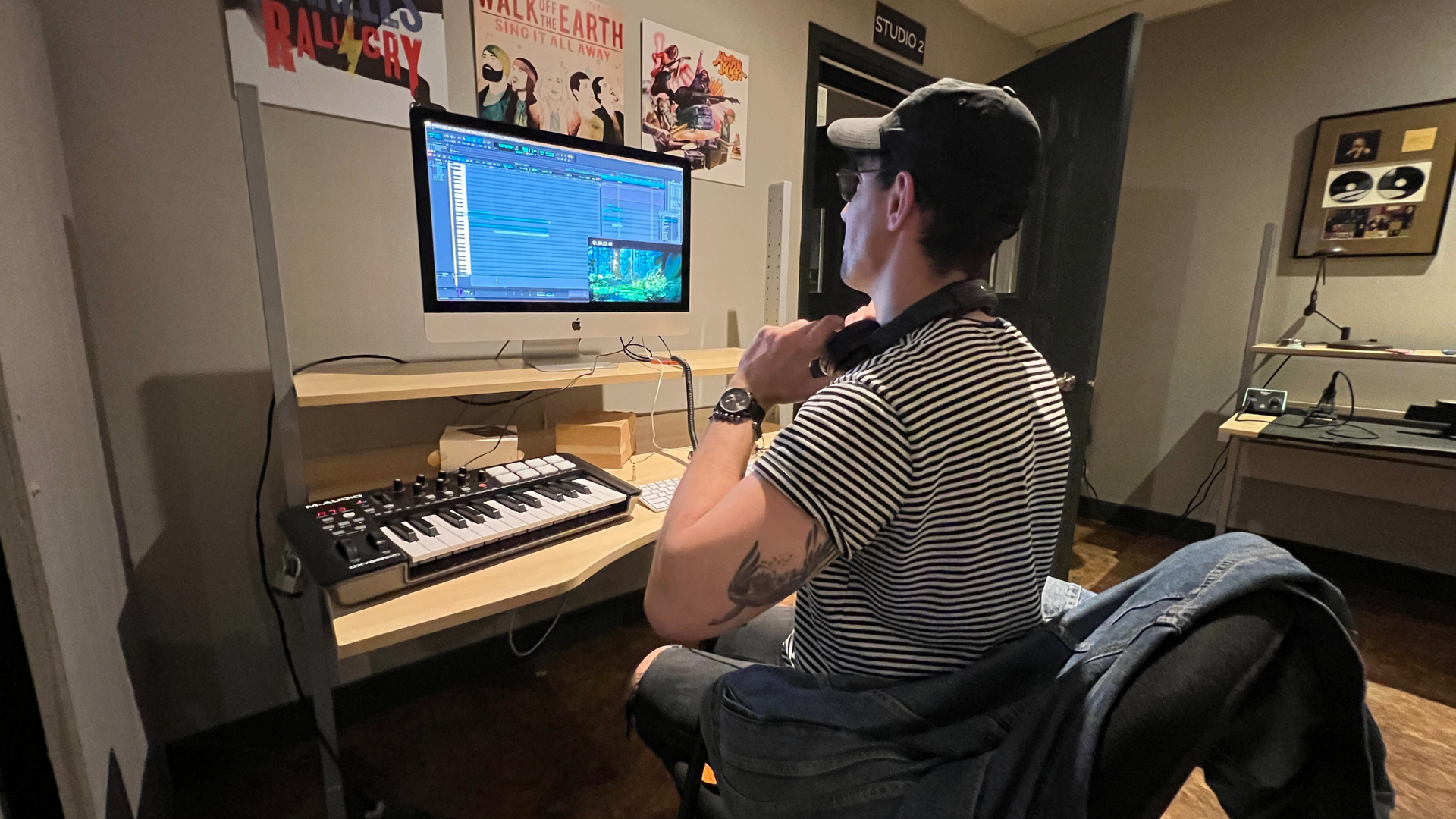
Learn why audio engineers are at the heart of today’s creator economy, what skills matter most, and how OIART prepares students to succeed in this field.
By Jeremy Alves
•
November 10, 2025
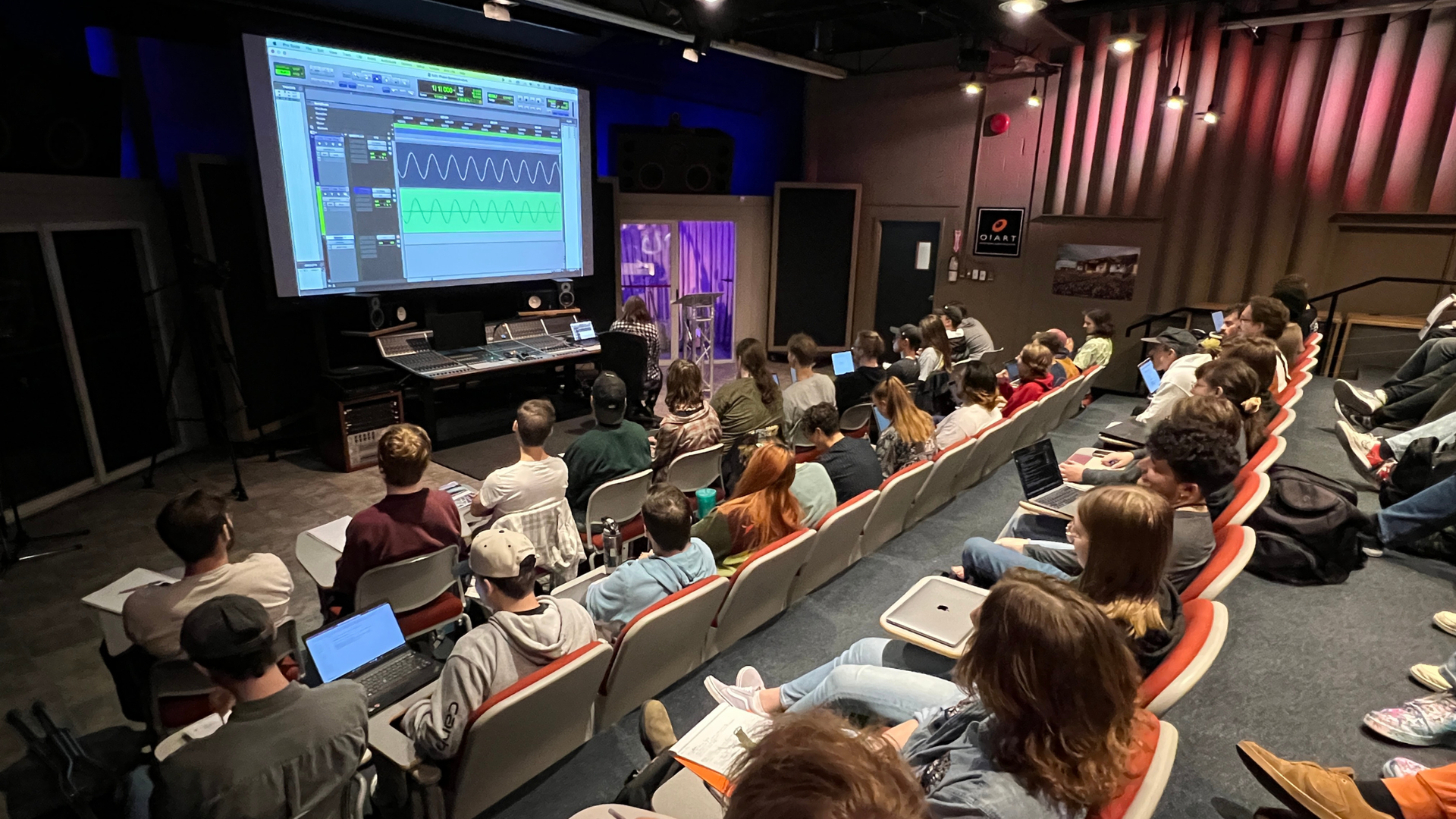
Uncover why high school grads choose OIART, how its courses set students apart, and the opportunities awaiting in world-class, pro-designed studios.
By Jeremy Alves
•
August 12, 2026
What does a sound technician do? Setup, mixing, patching, RF and troubleshooting across studios, venues and broadcast. Plus how to train for the job.
By Jeremy Alves
•
May 18, 2026
Learn how OIART graduates are building careers in music production, live sound, gaming, broadcast, and audio engineering across today’s entertainment industry.
By Jeremy Alves
•
April 24, 2026
Explore 10 unexpected high-demand audio careers beyond the studio. See how OIART prepares you for real jobs in sound engineering in Canada.
By Jeremy Alves
•
March 18, 2026
Explore how different personalities thrive in audio engineering courses. From introverted mixers to extroverted producers, find your path at OIART.
By Jeremy Alves
•
March 4, 2026
Algonquin College suspended its Music Industry Arts course in 2026. Here’s what it means for Ontario audio students and new pathways forward.
By Jeremy Alves
•
March 4, 2026
Explore top audio recording schools in North America and see how OIART’s hands-on audio engineering program can help launch your career in music production.
By Jeremy Alves
•
February 24, 2026
Looking for the top music production school in Canada? OIART offers elite audio engineering courses with a 40+ year history of success. Read how we do it.
By Jeremy Alves
•
February 9, 2026
Masters vs publishing explained for producers: who owns what, how each revenue stream pays, and what to negotiate before you start a session.
By Jeremy Alves
•
December 15, 2025
Learn why audio engineers are at the heart of today’s creator economy, what skills matter most, and how OIART prepares students to succeed in this field.
By Jeremy Alves
•
November 10, 2025
Uncover why high school grads choose OIART, how its courses set students apart, and the opportunities awaiting in world-class, pro-designed studios.

By Jeremy Alves
•
October 13, 2025
Explore the genres shaping music today, how producers capture their sound, and how OIART prepares you to turn passion into a professional career.
By Jeremy Alves
•
September 15, 2025
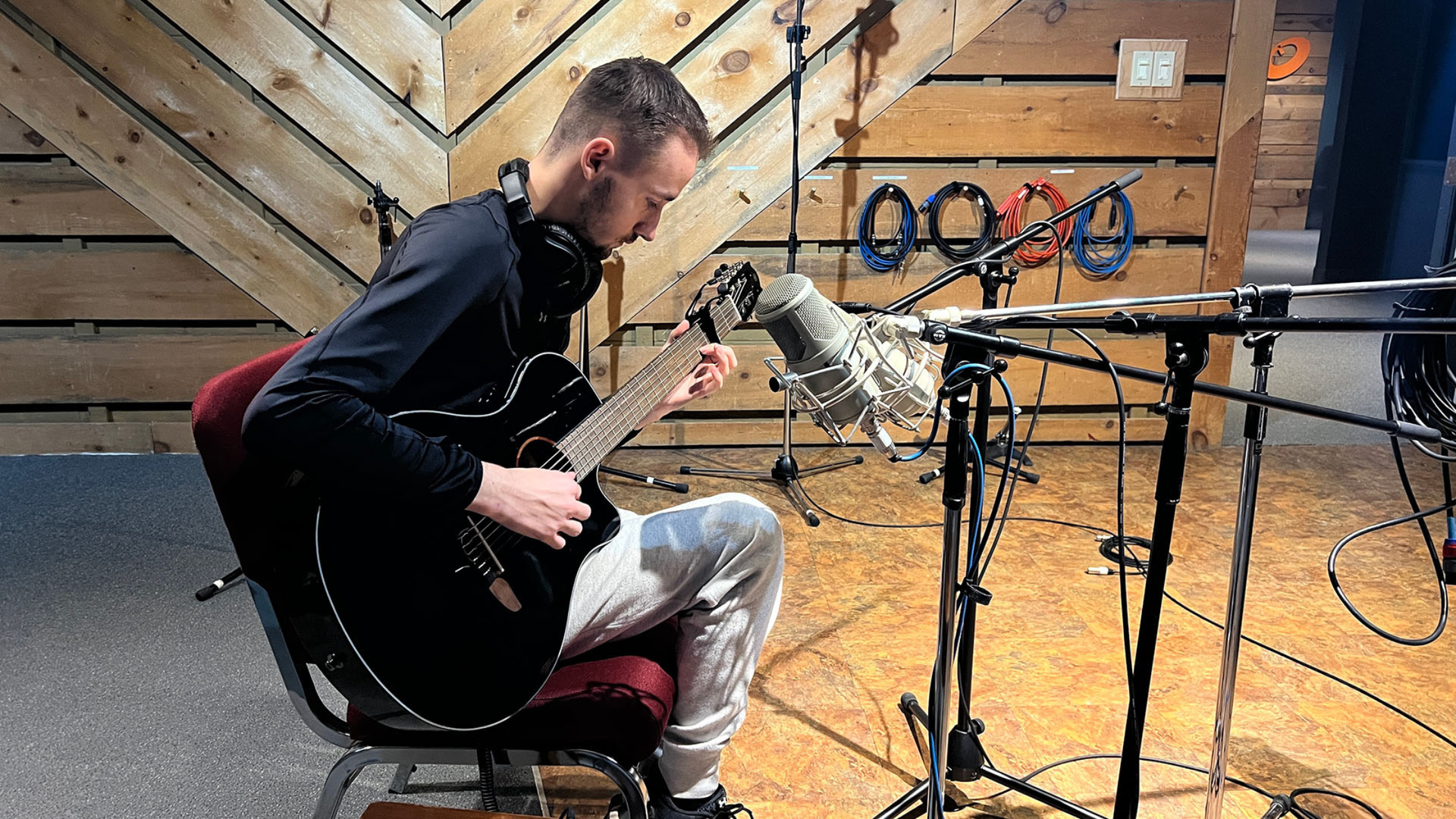
For students who want to work in audio, ear training and pitch work are just as important as learning microphones or mixing consoles.
By Jeremy Alves
•
August 18, 2025
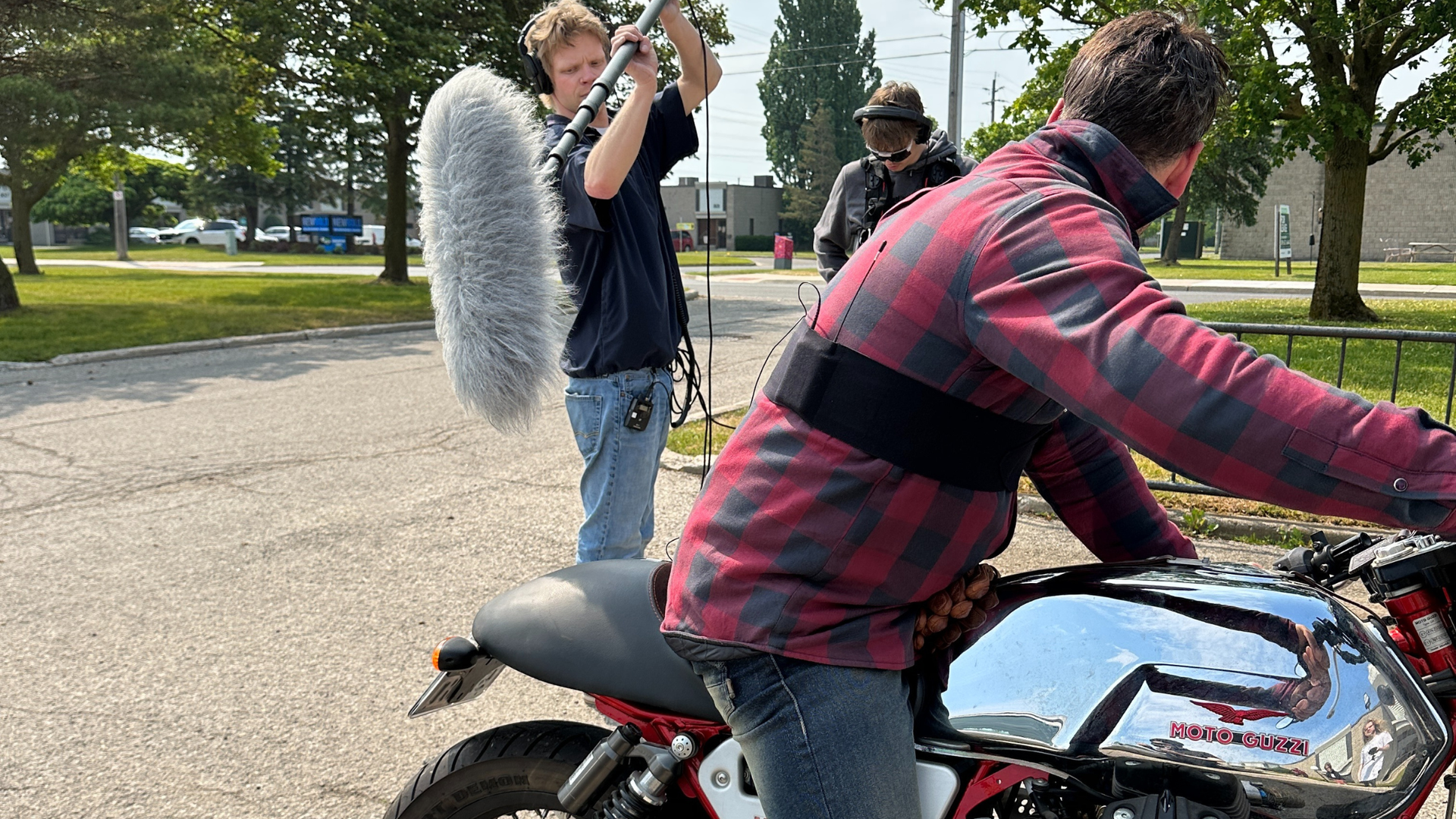
Discover how SFX editors and recorders create special effects sounds. Explore behind the scenes in SFX audio careers, classes, gear & get inspired at OIART.
By Jeremy Alves
•
July 21, 2025
Ready to start an Audio Engineer Career? Discover 6 ways to prepare for school, & master recording, mixing & production with OIART.
By Jeremy Alves
•
June 26, 2025
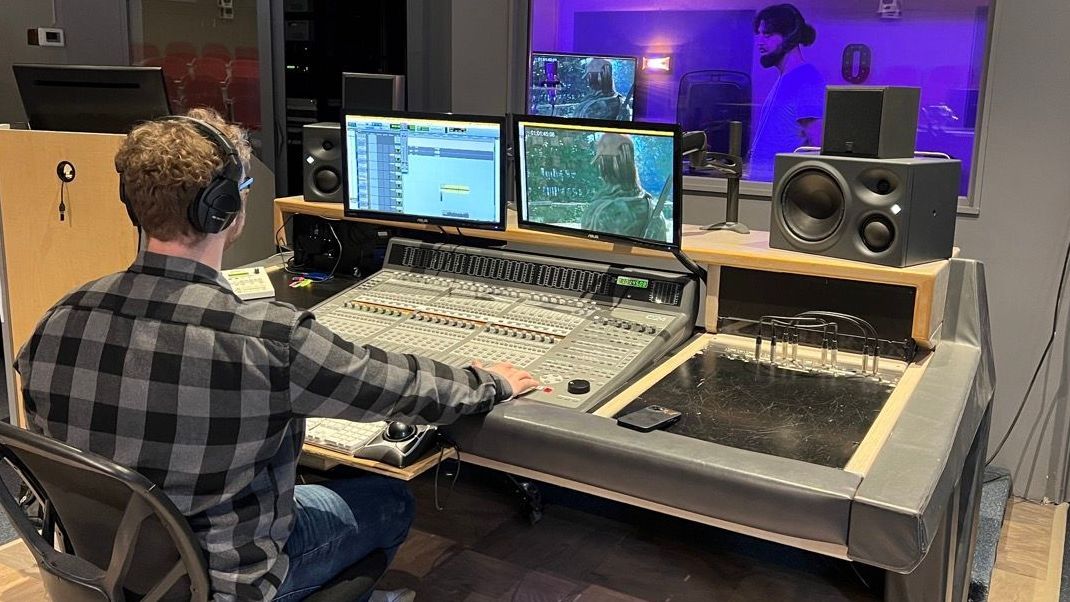
Discover why live sound engineering is booming in the audio industry. Explore dynamic opportunities and how OIART prepares you for success! Click to find out more.
By Jeremy Alves
•
May 31, 2025
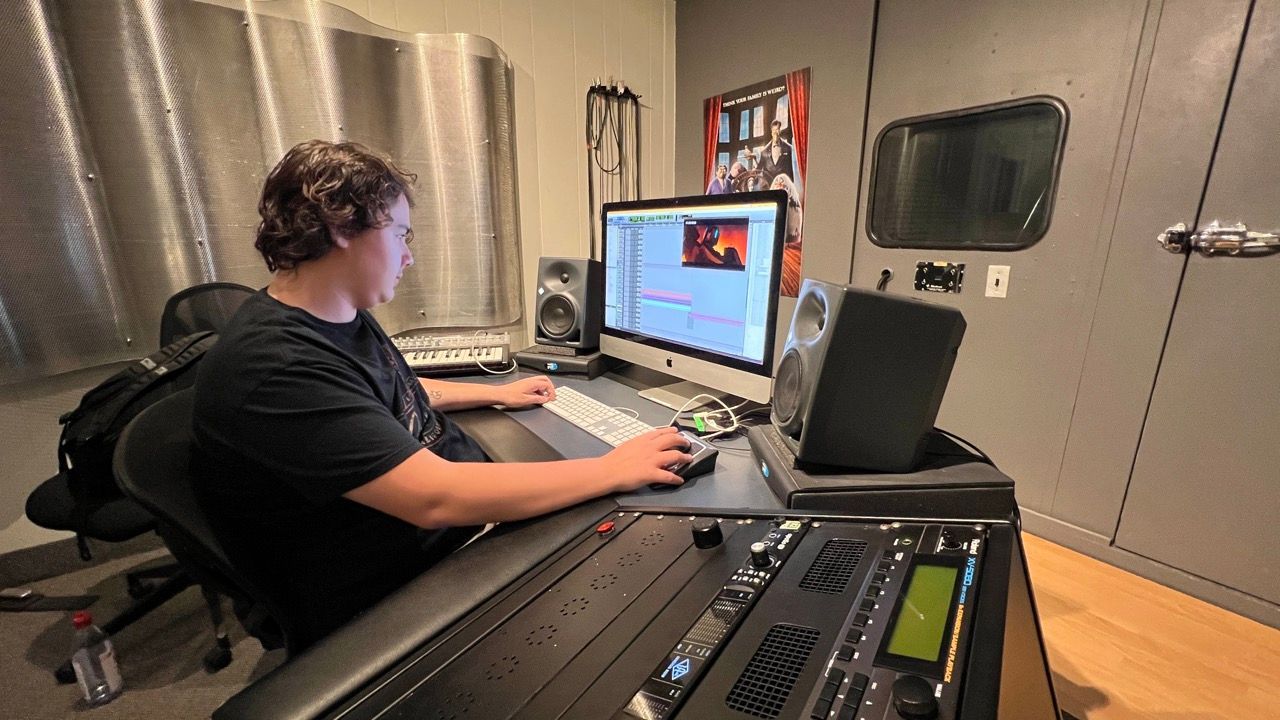
Discover unexpected careers in music and audio, from ADR Editor to Foley Artists & more. Explore unique opportunities you never knew existed.
By Jeremy Alves
•
April 30, 2025
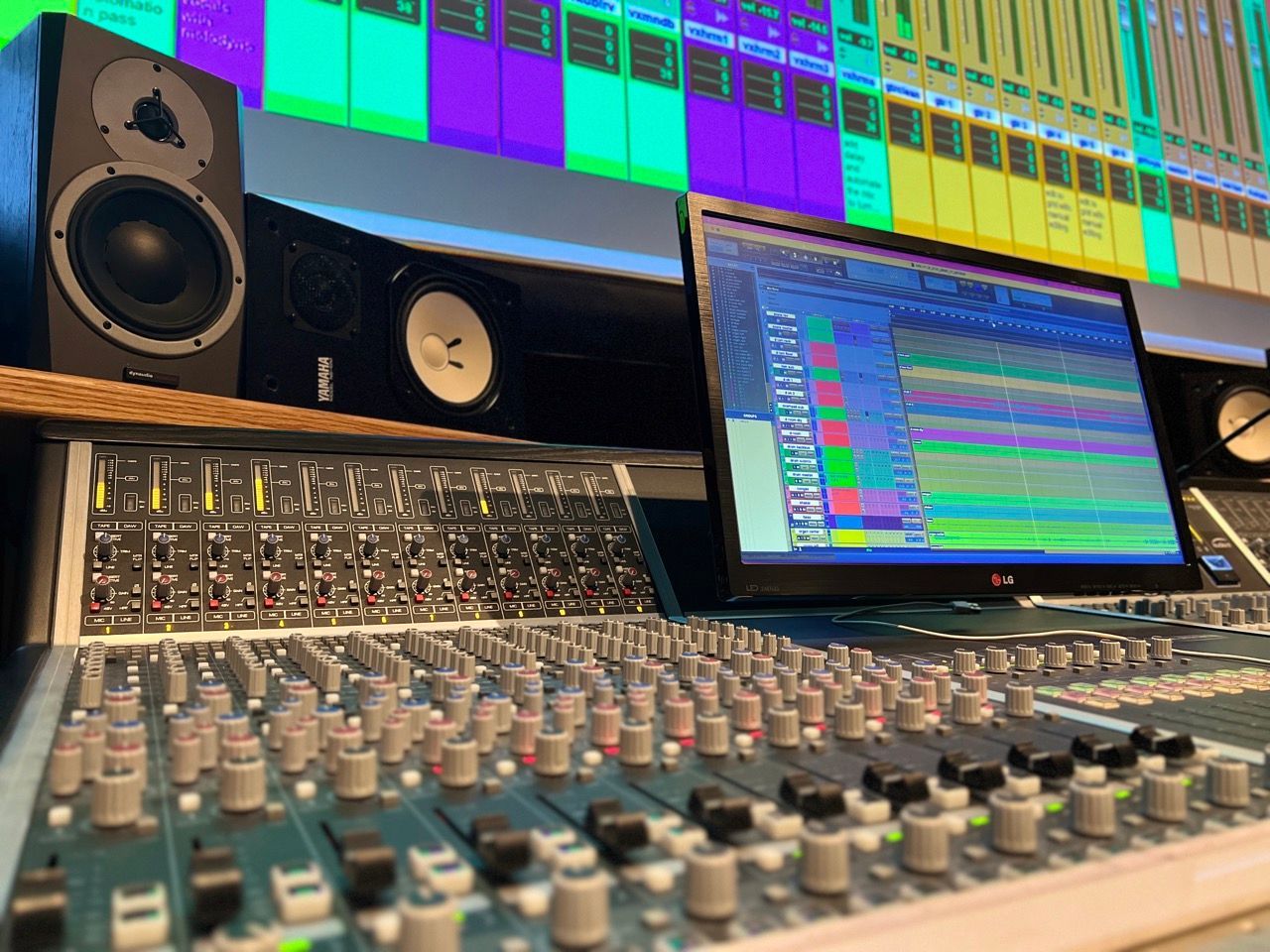
Explore what you'll learn in a modern audio engineering course. From sound design to production, prepare for a dynamic career and sound. Check it out!
By Jeremy Alves
•
March 31, 2025
Discover 11 essential music production techniques for 2025. Learn AI workflows, mixing tips, and the latest sound engineering tools for students and pros.

By Jeremy Alves
•
February 5, 2025
Canada’s live music industry generated $10B+ in 2023, creating 100K+ jobs. Learn how OIART can help launch your career in audio engineering & production.

By Jeremy Alves
•
January 9, 2025
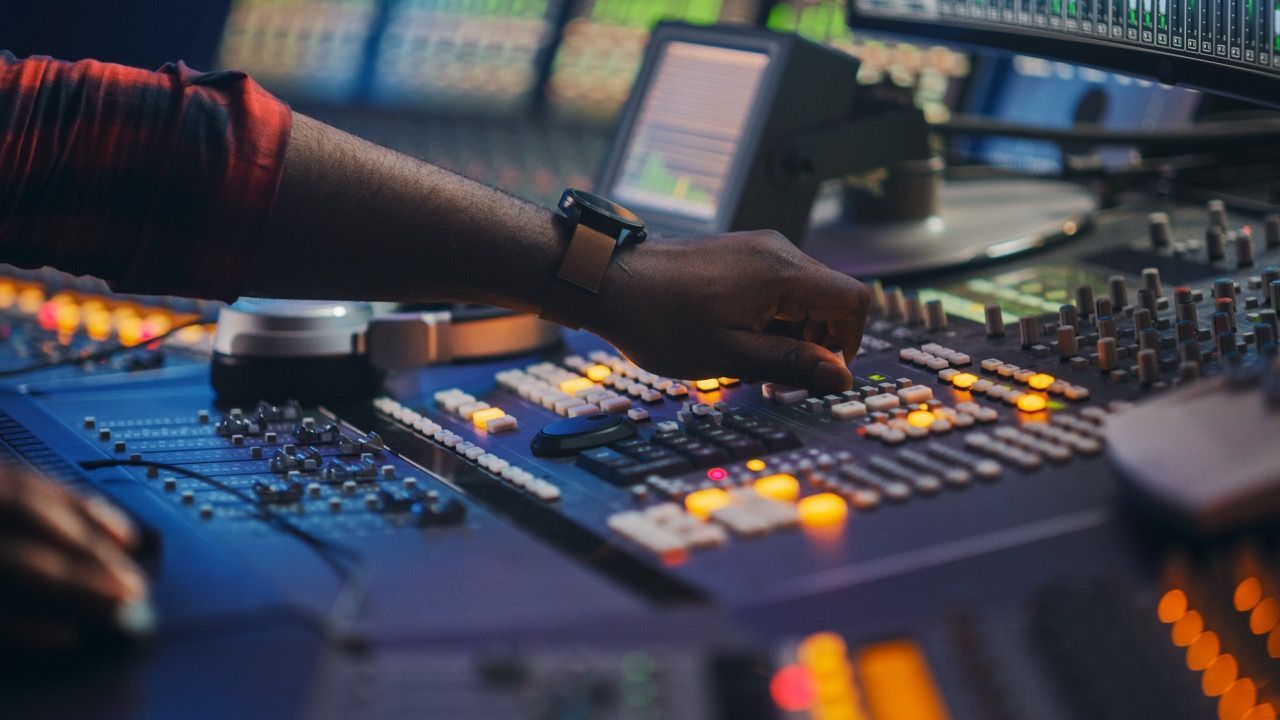
Discover the must-have gear for aspiring audio engineers. From DAWs to studio monitors, learn what you need to start your journey in audio production.
By Jeremy Alves
•
December 12, 2024
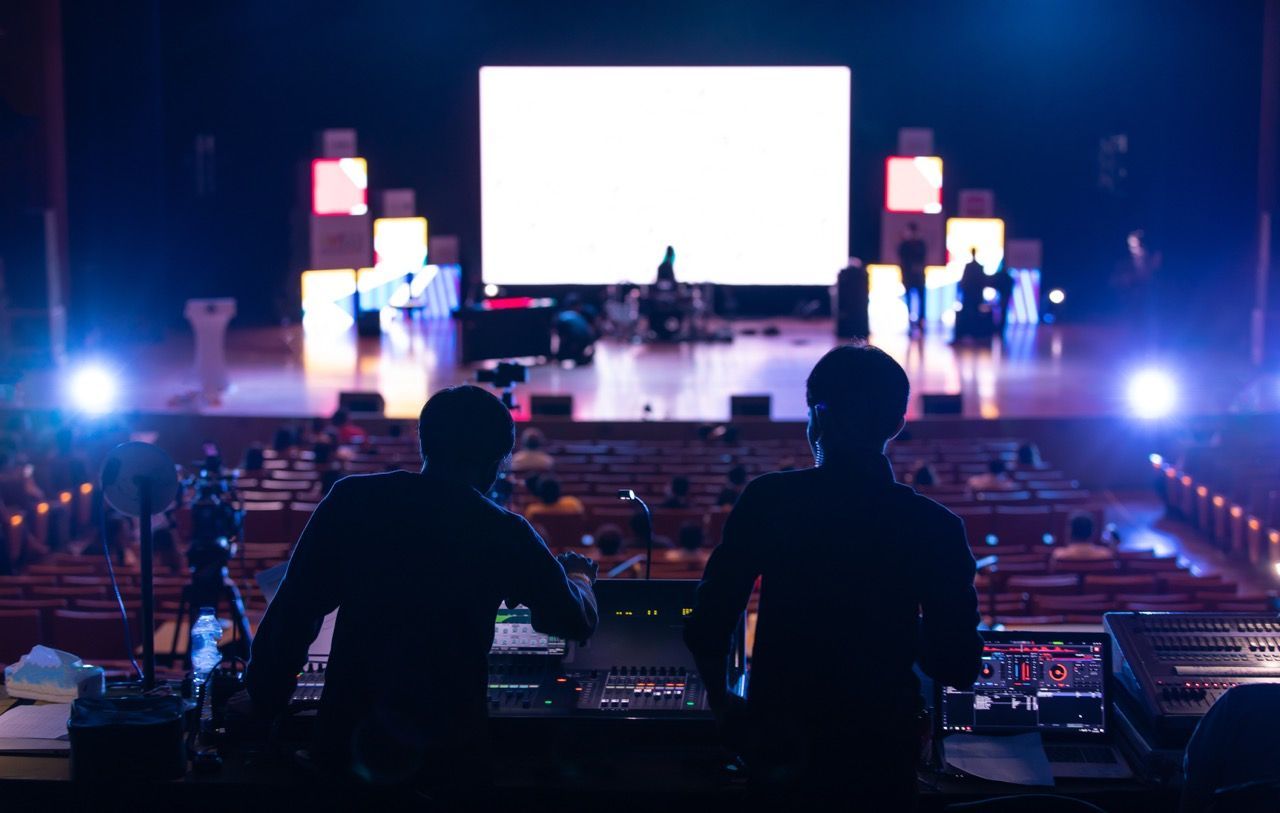
Learn how creativity and technical expertise come together to shape unforgettable soundscapes with OIART's programs.
By Jeremy Alves
•
November 3, 2024
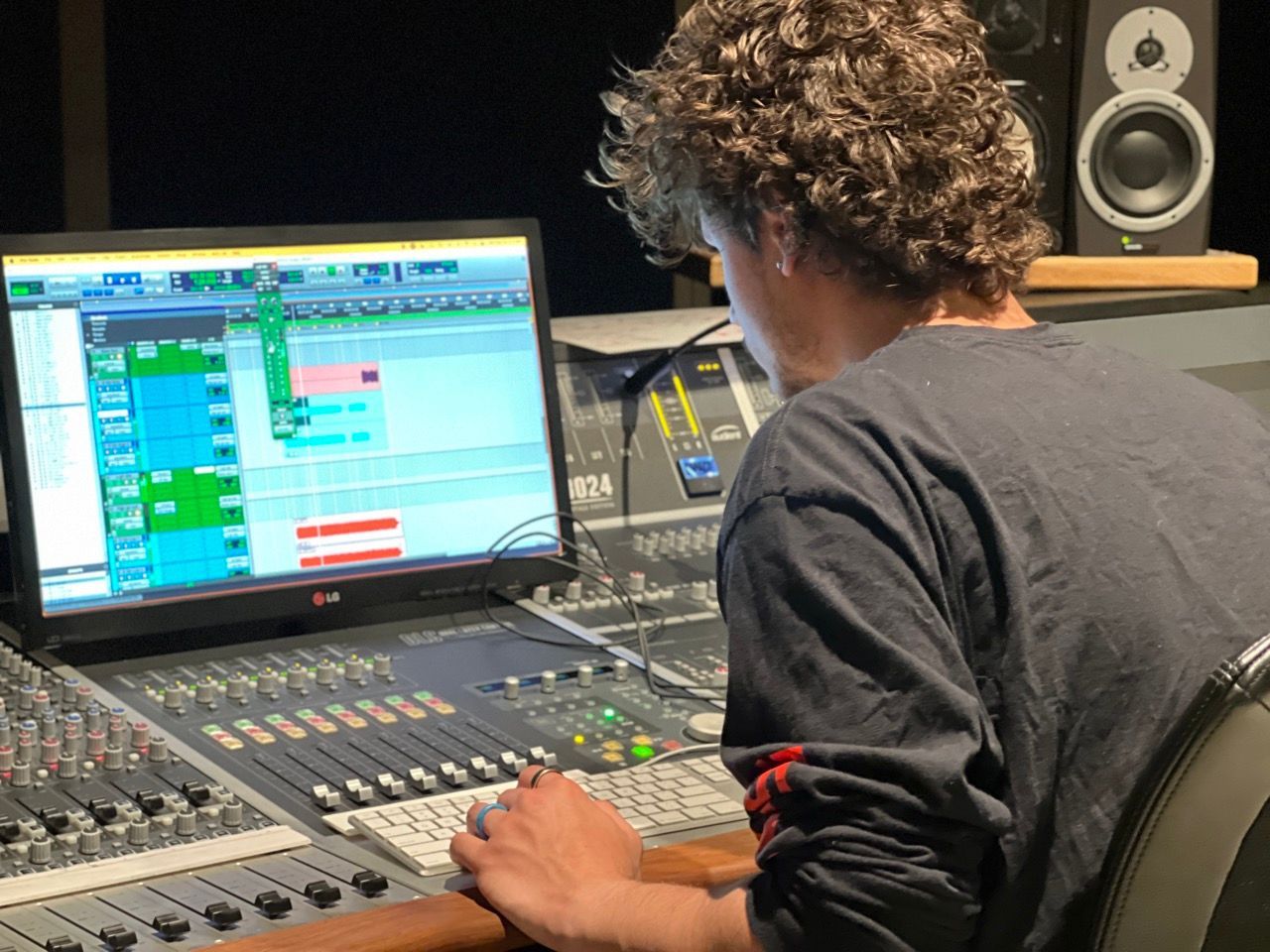
Skilled live sound engineers are in demand across a wide range of industries. Learn more about how live sound schools can help begin or advance your career.
By Jeremy Alves
•
October 8, 2024
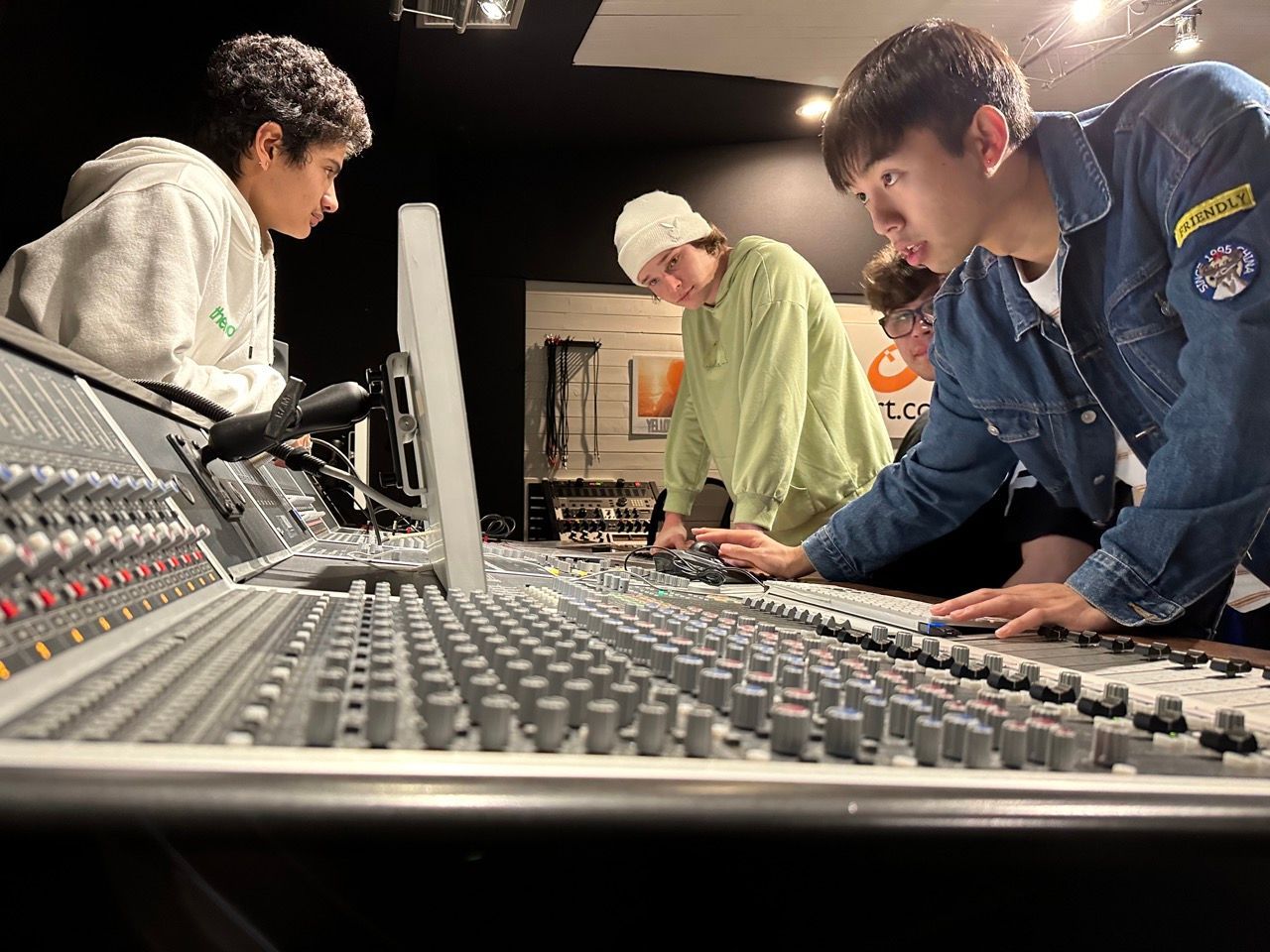
Explore sound engineering in Canada and learn how OIART equips students with technical skills, hands-on training, and industry connections to launch lasting careers in audio production.
By Jeremy Alves
•
September 20, 2024
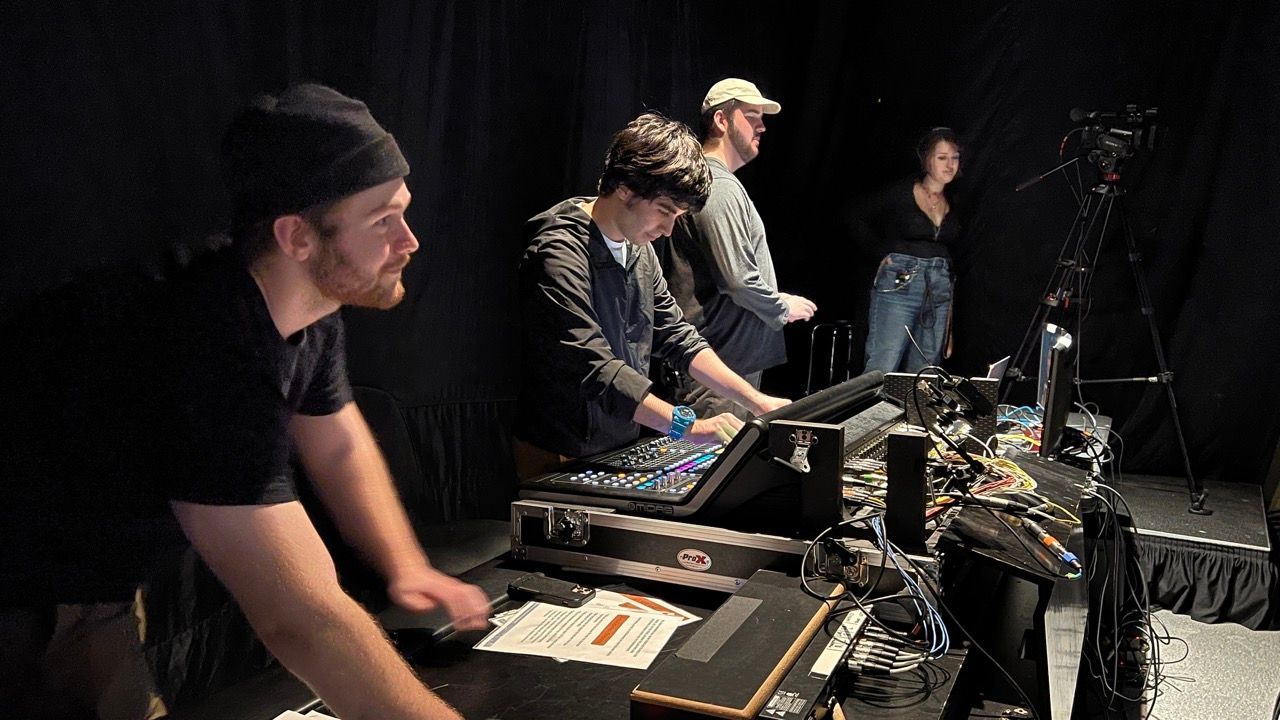
Learn how music production schools like OIART turn passion into careers. Gain hands-on experience, industry knowledge, and the skills to succeed in music production and sound engineering.
By Jeremy Alves
•
August 15, 2024
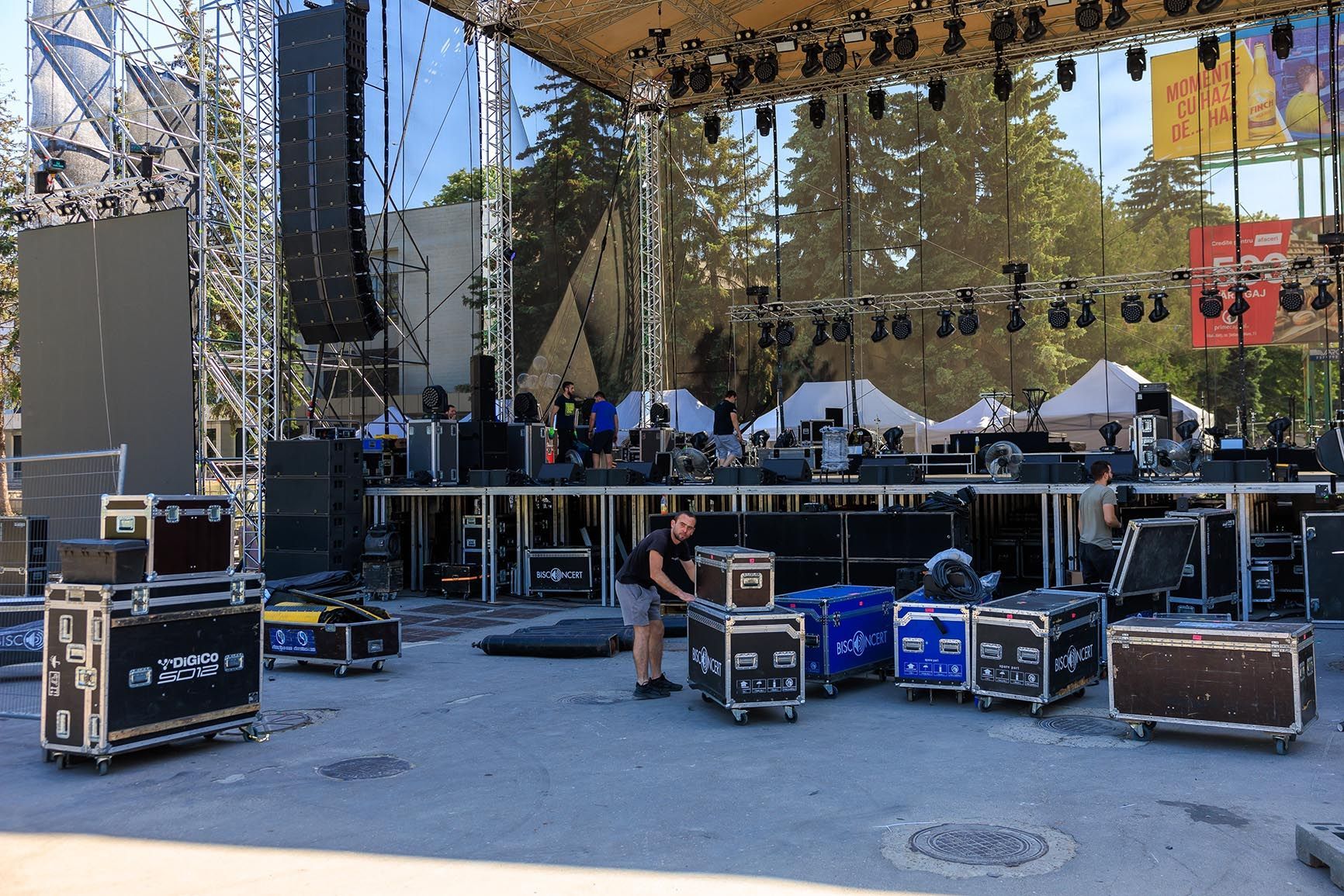
Discover how live sound schools prepare aspiring engineers for exciting careers in audio. Learn hands-on skills, gain industry credentials, and step beyond the bedroom producer mindset with OIART.
By Jeremy Alves
•
July 31, 2024
Music festivals are a perennial highlight for almost every genre of music, with fans gathering for several days to enjoy their favorite artists and summer weather. An ideal music festival also goes beyond the music itself and combines the genre's overall culture, artistry, and community. Continue reading to learn what it takes to put on these massive events.

By Jeremy Alves
•
June 28, 2024
Video game audio engineering explained: sound design, implementation, middleware and in-engine mixing, plus how to build a playable portfolio.
By Jeremy Alves
•
May 27, 2024
The role of a music producer explained: what they do in the studio, how they work with artists, and the skills the job actually demands.

By Jeremy Alves
•
April 25, 2024
Enhancing your music production skills is an ongoing process of exploration, learning, and growing throughout your career. Prioritizing staying on top of the latest tech, musical trends, and optimizing workflows will go far in building a lasting career. Learn from the experts at OIART on how to enhance your skills.
By Jeremy Alves
•
February 26, 2024
Deciding to pursue an education in audio and sound engineering? Not sure what education you need and school you should attend? It can be a complex and life changing decision, so we’ve created this guide to help you make the right choice for your career!
By Jeremy Alves
•
November 7, 2023
Finding the right audio engineer school is an important decision. With so many things influencing the decision, OIART is here to help. Find out what makes a good program great, and apply today.
By Jeremy Alves
•
October 30, 2023
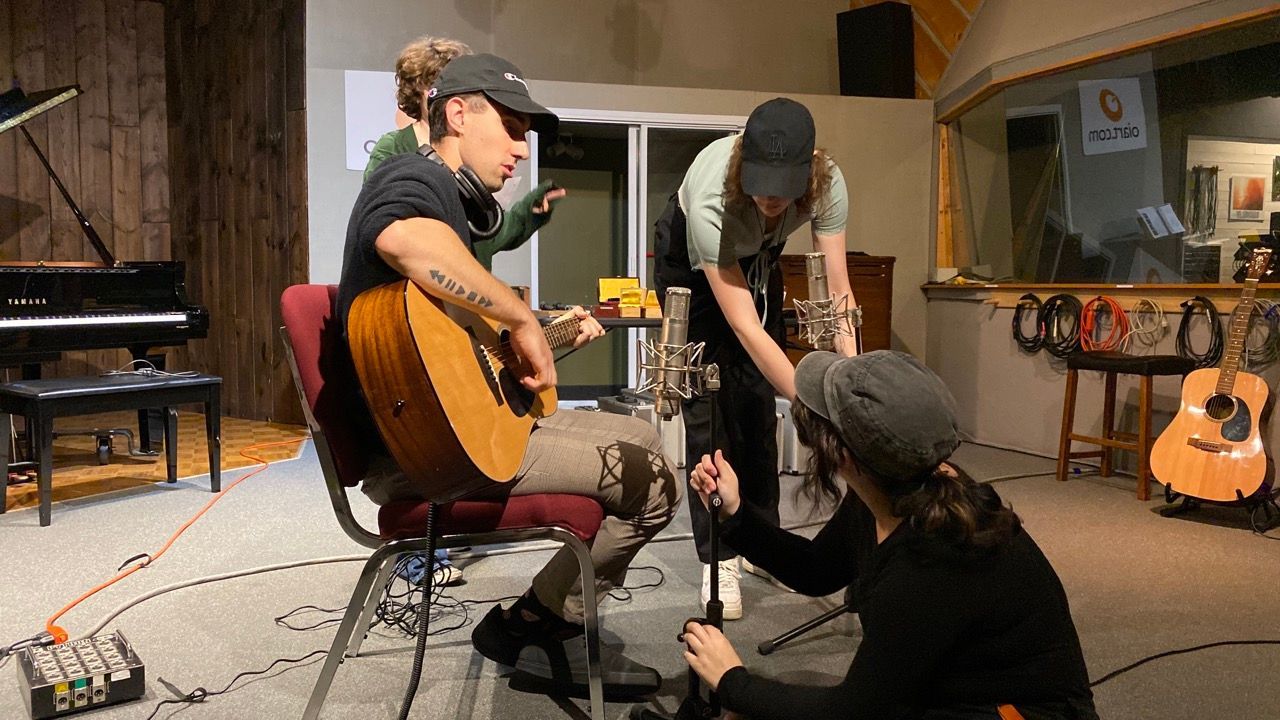
What a music producer is actually responsible for: creative vision, pre-production, budgets, sessions, performances and delivering the final record.
By Jeremy Alves
•
October 24, 2023
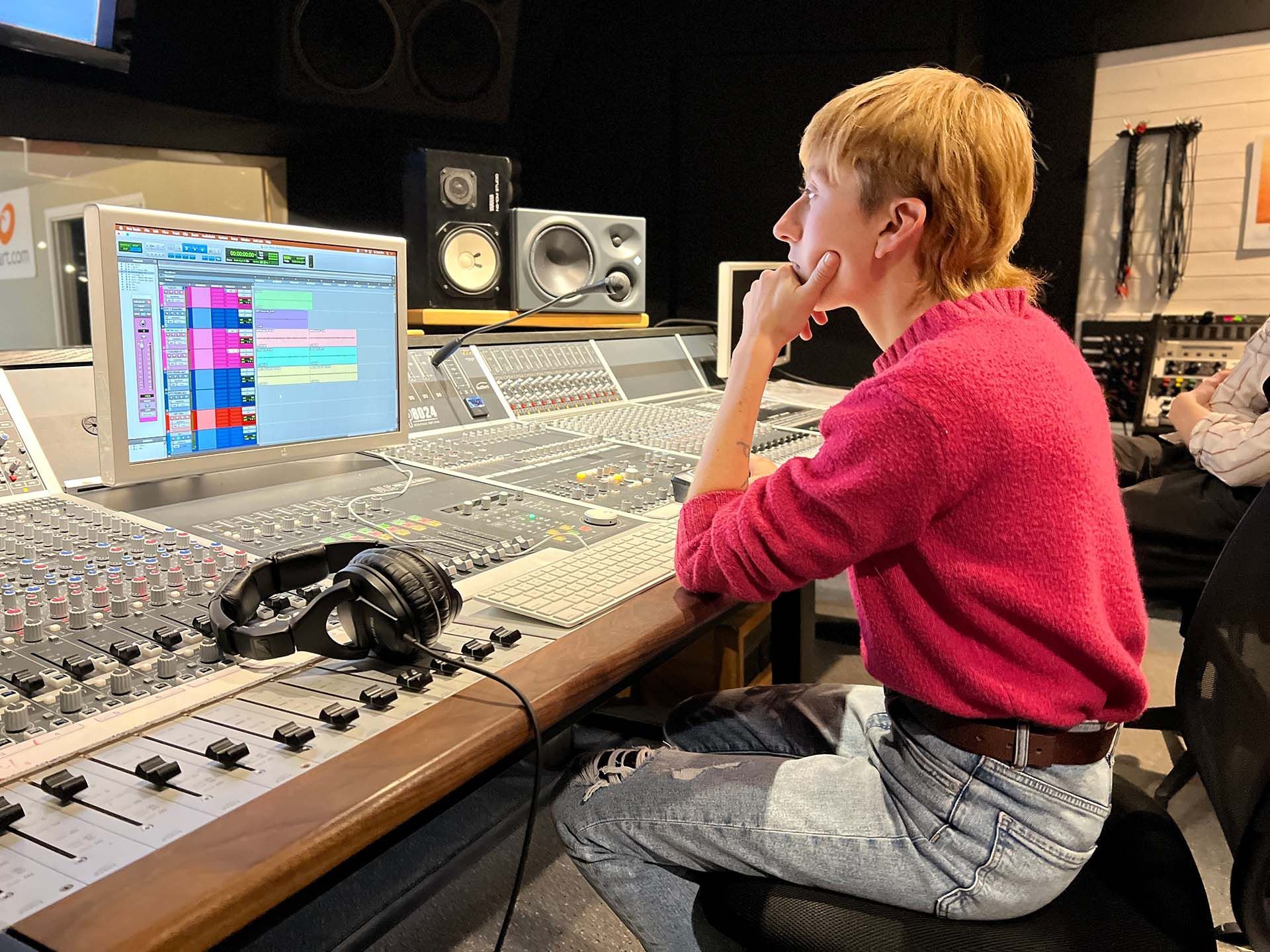
Analog vs digital audio recording: how each captures sound, where each one wins, and why most professional sessions now run a hybrid of both.
By Jeremy Alves
•
October 2, 2023
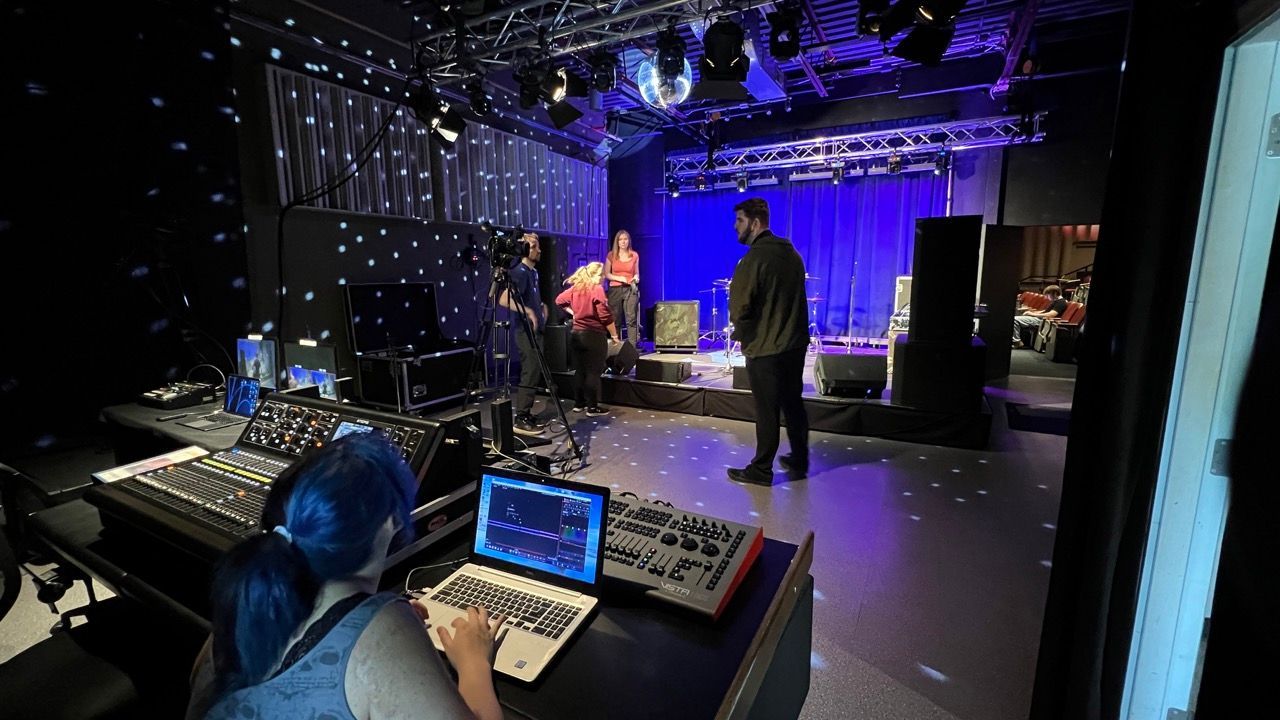
Are you looking to improve your music production skills? Check out OIART’s 5 recommended ways to improve. Whether you are a beginner, or a music engineer, OIART outlines steps to boost your skills and offer knowledge on what it takes to become a music producer. Check out our music engineering programs today!
By Jeremy Alves
•
July 18, 2023
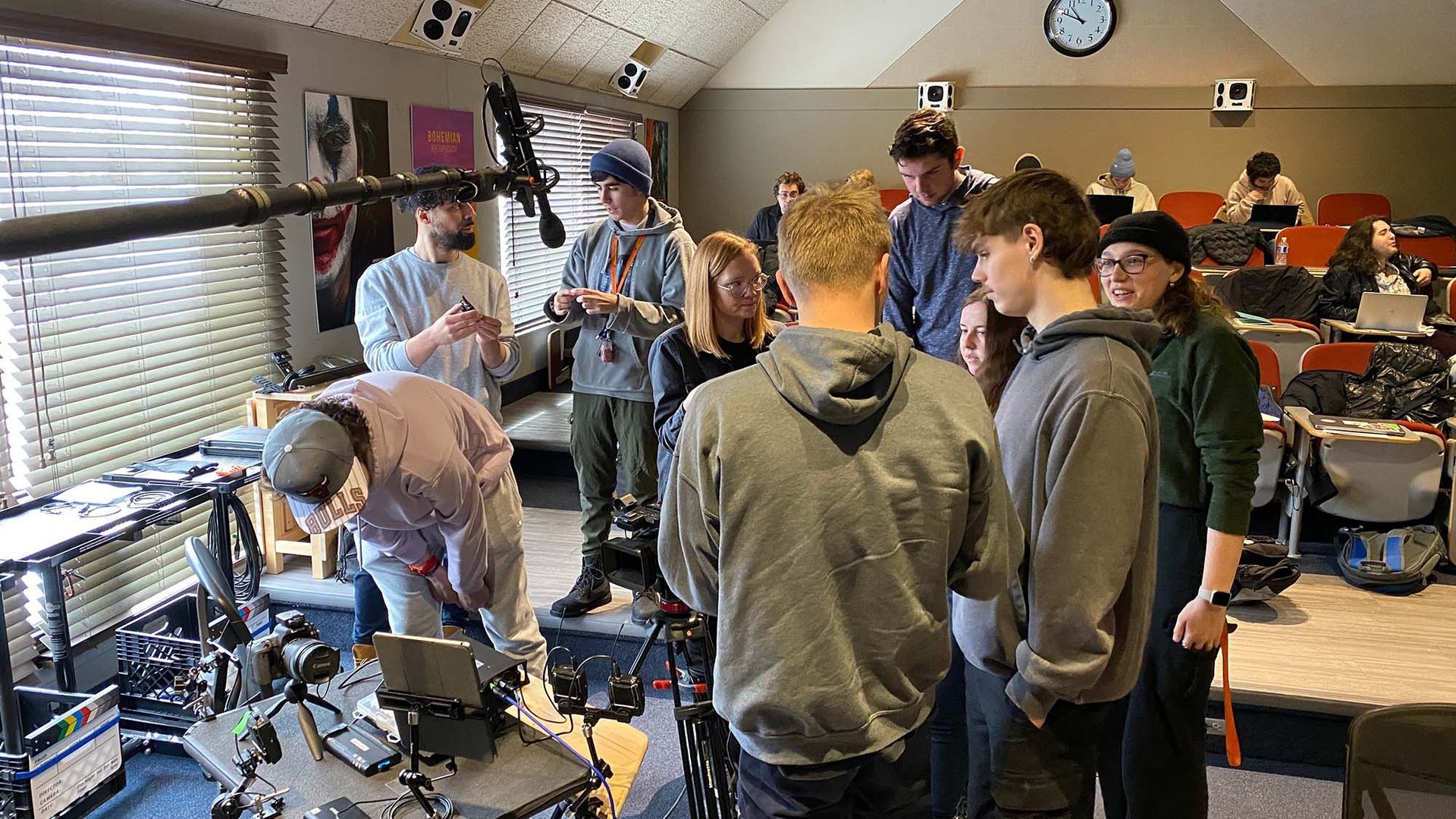
Live sound engineering basics: PA deployment, gain structure, front of house and monitor mixing, and how to troubleshoot while the show is running.
By Jeremy Alves
•
June 8, 2023
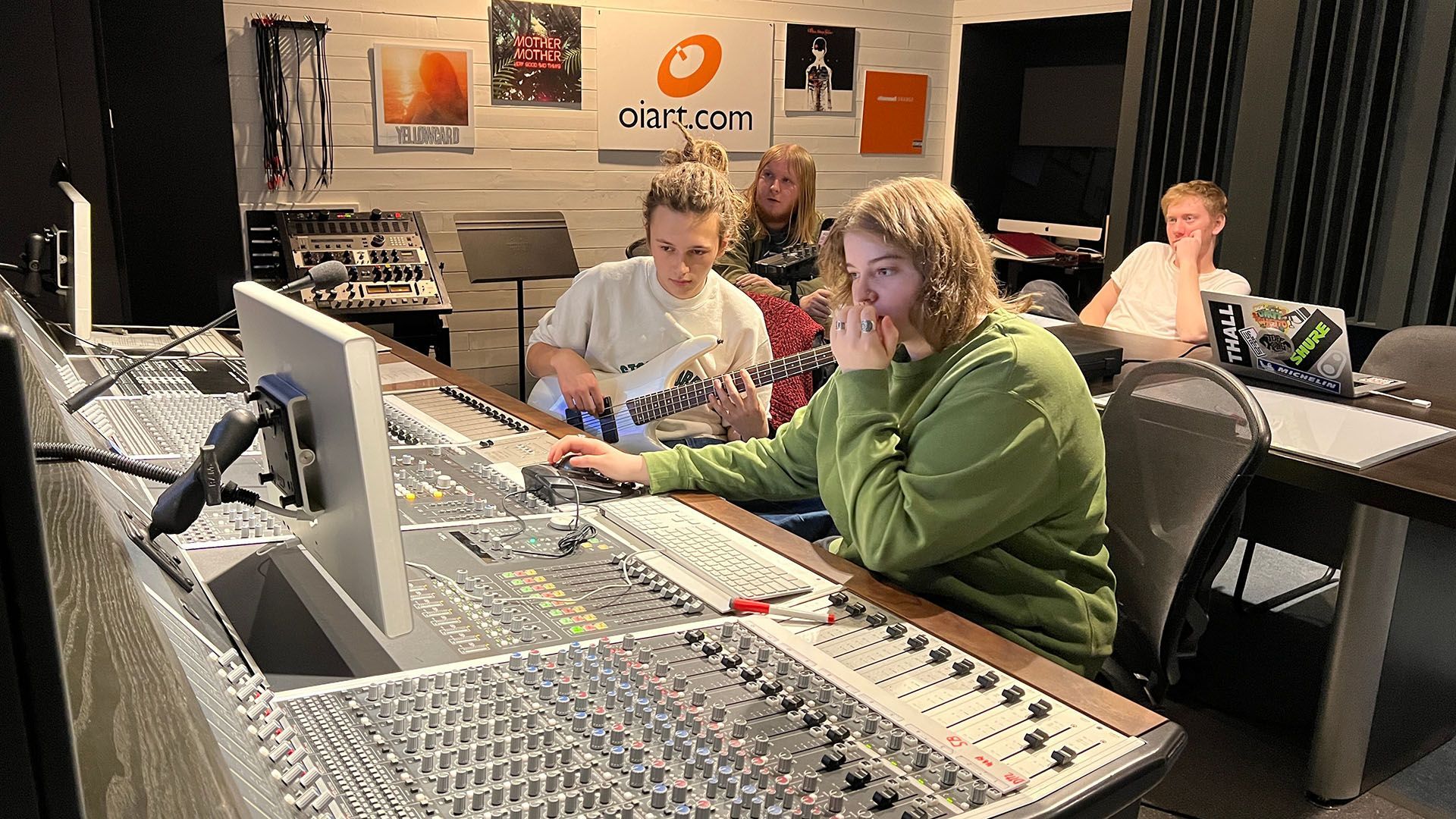
Video games are a multi-billion dollar industry with a competitive yet fulfilling landscape. Learn what it takes to work as an audio engineer or sound designer in the gaming industry.
By Jeremy Alves
•
May 21, 2023
Music production is constantly changing, with some techniques becoming exceedingly popular while others fade away. Read on to find out what we recommend as the top 5 production techniques in 2023.
By Jeremy Alves
•
April 4, 2023
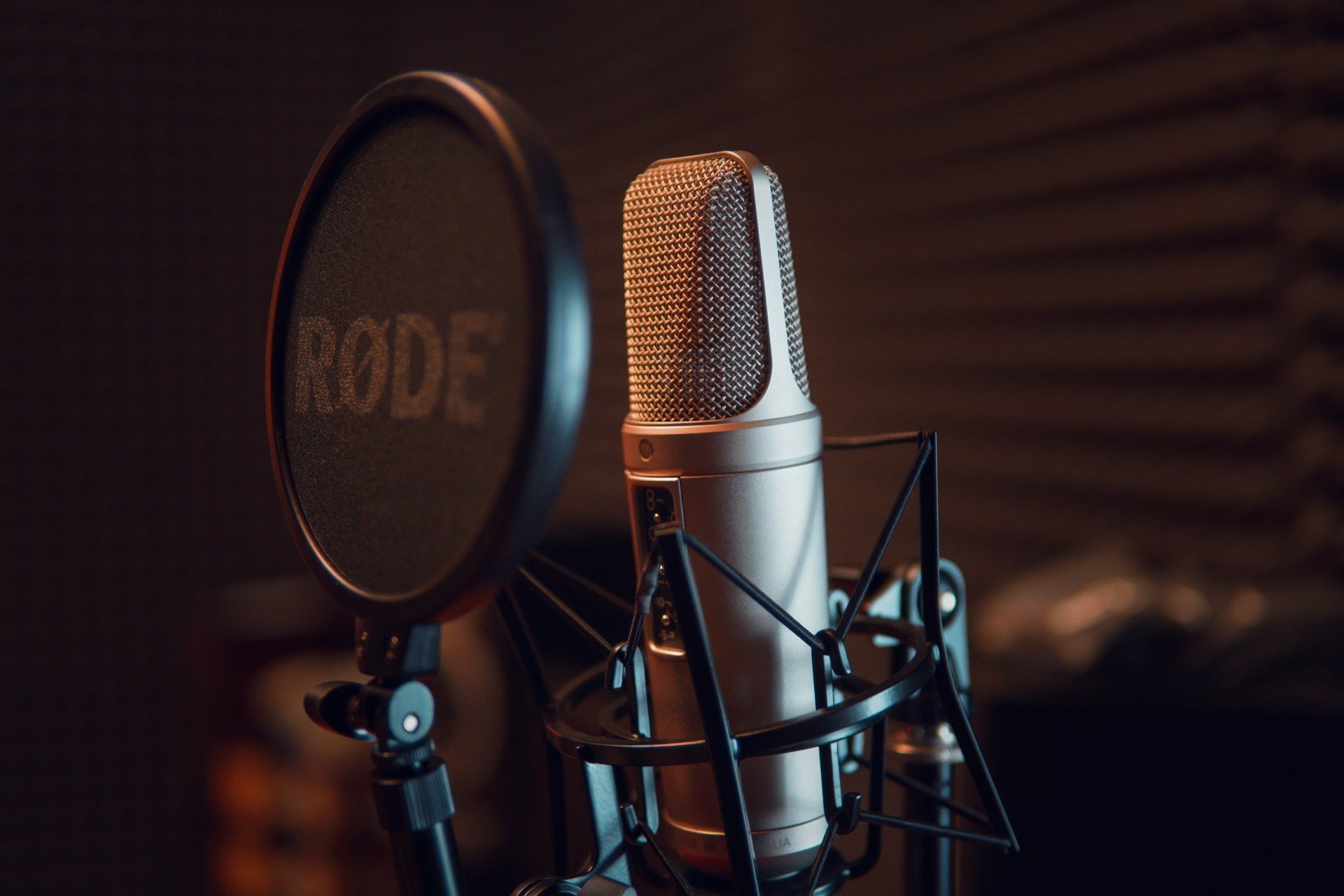
Audio engineering is a diverse field ranging from working with recording artists to making sure live broadcasts are problem free. An audio engineering career is a unique blend of audio, technology, and science that can be a perfect choice for many people. The U.S. Bureau of Labor Statistics (BLS) estimates the career growth of broadcast, sound, and video technicians to grow by 10% between 2021 and 2031 , which is faster than average job growth. However, it’s worth noting this estimate excludes related fields you may also explore after attending an audio engineering school that may experience even more significant growth. Pursuing a career in audio engineering typically begins with formal education. The course you attend will lay the foundation for a fulfilling and lucrative career working with specialized technology, the science of sound, and the world of audio. As such a diverse field, you may help set up equipment for major sporting events or work with your favourite singer as your career progresses. After graduation, you’ll have a wide range of opportunities to choose from based on your interests. Are you wondering what options you’ll have post-graduation? Keep reading to learn what you can do with an audio engineering diploma to help you decide if it’s the right choice for you. What Exactly is an Audio Engineer? Audio engineering is diverse, with engineers typically working with live broadcasts or audio recordings. Attending an audio engineering program will provide you with hands-on training with high-end equipment and leading-edge software. You’ll also attend lectures covering audio theory, including the fundamental sciences of sound and how to produce excellent sound. Audio engineering is often confused with audio production, which is undoubtedly related but still distinct fields. Audio production is concerned with the overall product, which might be producing a track for a recording artist or finalizing a podcast for publication. On the other hand, Audio engineers work with a range of hardware and software to capture high-quality audio for broadcast or recording. In the context of live performances, audio engineers also make sure the venue’s system is producing high-quality sound. Expect Salaries in Audio Engineering Audio engineering is a diverse field that presents several opportunities for income potential. The range of salaries depends on your focus area, experience, and industry. For example, in the United States, sound engineering technicians earn a mean annual wage of $67,360. However, if we look at the percentile breakdown, the top 10% of earners have a salary of $124,690 . So your career may start at or below the average, but you’ll have tremendous potential for growth throughout your career. Different industries will also offer different pay, even for similar job titles. For example, working with recording artists is competitive, often creating lower salary offerings, while other less-competitive industries tend to offer higher salaries to attract talent. What Are Possible Careers in Audio Engineering? Audio engineering is a broad field that extends into several industries. Some of the job titles you’ll see that an audio engineering diploma will prepare you for include: Broadcast Engineer Audio Engineer Acoustic Engineer Live Sound Engineer Audio/Visual Engineer Sound Engineering Technician Production Engineer Mastering Engineer Equipment Technician Acoustic Consultant And plenty more There’s a lot of overlap between the above job titles when it comes to the core skill set they require. However, your diploma will prepare you to handle the fundamental responsibilities of each of them, which may then be applied differently depending on the career you pursue. Let’s take a closer look at a few popular career options for graduates of audio engineering programs. Sound Engineering Technician A sound engineering technician utilizes high-end equipment and software to record sound with the best possible quality. Depending on the exact position, sound engineers may work closely with music producers or with other engineers to create a fine-tuned end product. The BLS estimates that 50% of sound engineers earn a salary of sound engineering technicians is US$60,500 . As discussed earlier, salaries for this field can reach up to $124,690 as you gain experience and explore new career opportunities. Therefore, pursuing a diploma in audio engineering allows you to start gaining experience after graduation and build your career. Be aware of the job title ‘sound technician,’ which is often an entry-level position that often leads to a sound engineering technician role. The significant difference is that you’ll generally work with engineers to gain hands-on experience before becoming an engineer yourself. Broadcast Technician A broadcast technician is primarily responsible for transmitting audio or video signals for radio and television broadcasts. This specialization requires a robust working knowledge of the electronic equipment involved with broadcasting. In addition, you’ll need to understand how to configure and control the equipment to regulate volume, signal clarity, and signal strength. The BLS estimates the mean annual wage at US$51,280 , while the upper 10% earn US$90,850. Salaries are also further differentiated by industry, with the top earners working in the Federal Executive Branch and the second highest working in advertising. Attending a school of audio engineering will prepare you with the fundamentals of becoming a broadcast technician. However, you’ll likely begin in an entry-level position as you gain experience specific to broadcasting. Audio/Video Equipment Technician An A/V equipment technician works heavily with all the hardware and equipment involved in audio. An A/V technician will need a strong understanding of setting up, configuring, and dismantling the following gear: Video monitors Audio monitors Microphones Sound and mixing boards Video cameras and servers Specialized equipment for concerts, conventional, and sporting events You may still work with software, but this position is strongly focused on the equipment side of engineering and is ideal for someone more interested in audio hardware. The BLS estimates the mean annual age for A/V equipment technicians at US$55,310 , with the top 10% earning $90,180. Software and legal are the two highest-paying industries for an A/V technician. Related Careers in Audio We mentioned earlier that audio production is a similar yet different career in the world of audio. Some students enroll in an audio engineering program but discover they’re more interested in the production side. Fortunately, OIART also offers an audio production program to allow students to make an easy change. Other related careers in audio engineering include: Electronics engineering and repair Electronics testing and quality assurance Installation and repairs of audio equipment You may discover that you’re more interested in the above careers as you start working in the field. Fortunately, your audio engineering diploma will still help prepare you as you’ll have a strong understanding of electronics and the science behind their work. How Can You Prepare Before Attending a School of Audio Engineering? You’ve decided to attend an audio engineering program; what can you do before your first day? There are a few ways you can start preparing and exploring before you take a single course, such as: Experiment with DAWs: Digital Audio Workstations (DAWs) are at the heart of music and audio production. Many audio engineers will need a solid working knowledge of how to use them, especially those specializing in mastering. Many DAWs, such as Ableton and FL Studio, offer free trials so you can explore the software before you start classes. Learn more about specific career responsibilities: We’ve given you plenty of foundational knowledge, but there’s still a lot to learn about specific careers in audio engineering. Did any of the jobs we’ve discussed catch your attention? Dive deeper and learn everything involved to help you decide which career path is right for you. Take preparatory classes: If you’re in high school, take electives related to audio engineering to help build a strong foundation. Computer science, physics, and electronics courses will each help prepare you for audio engineering. If you’re no longer in high school, you can look around your area for local classes covering these topics. Preparing ahead of time will help you identify and overcome gaps in your knowledge before your course begins. Then you can focus on what’s truly interesting instead of catching up on the foundational skills. Earn Your Audio Engineering Diploma with OIART Audio engineering is an exciting industry and an excellent choice for those interested in audio, technology, and how they overlap and interact with each other. Earning an audio engineering diploma imparts you the right skills, training, and credentials to start your new career. The Ontario Institute of Audio Recording Technology (OIART) is an industry-recognized institution that offers diplomas in audio engineering, music production, and other specialties throughout the world of audio. Are you ready to take the first step toward becoming an audio engineer? Apply today for free .
By Jeremy Alves
•
March 15, 2023
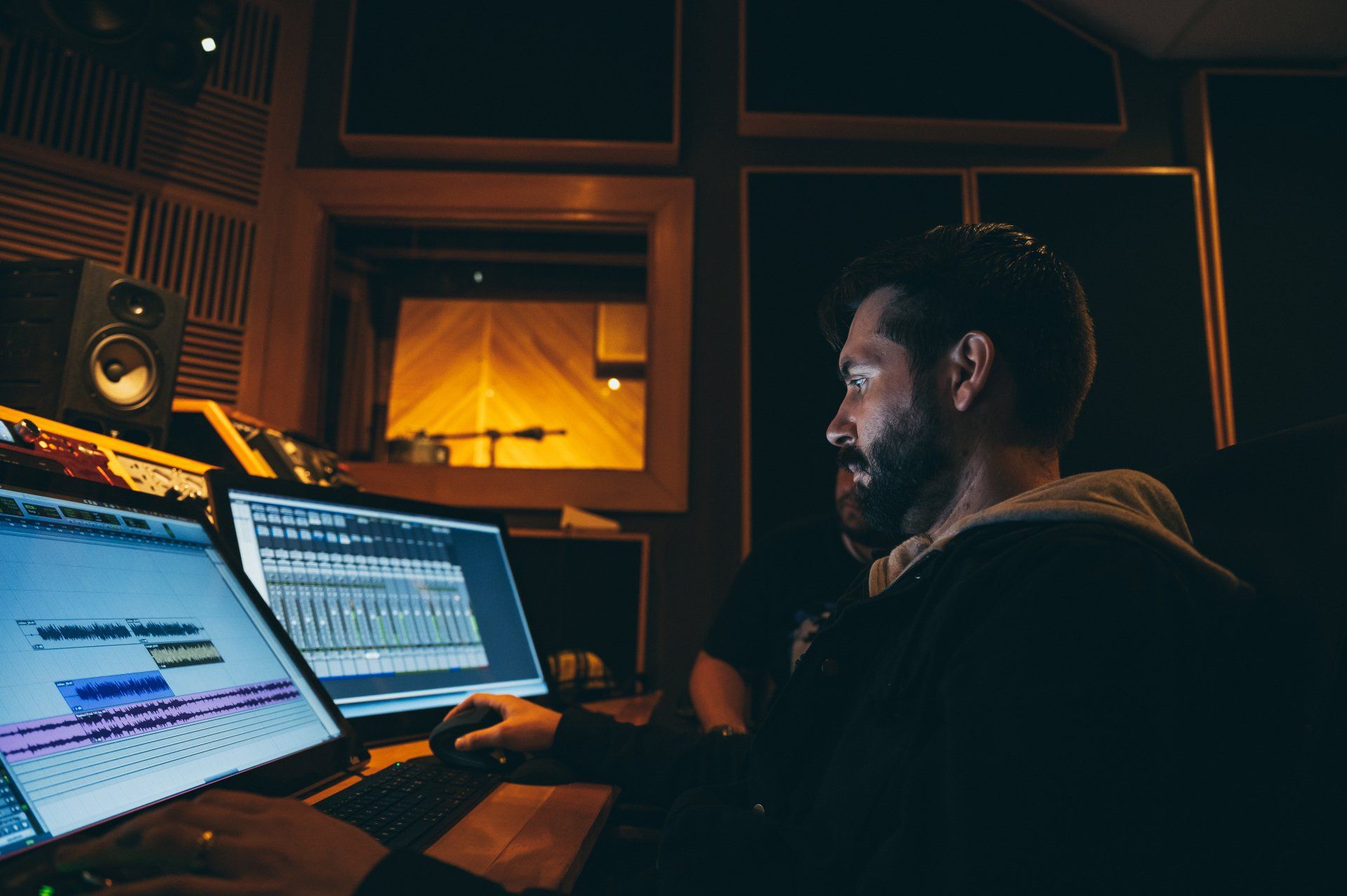
What an audio engineering career actually looks like: the roles, the hours, how pay progresses, and what employers look for when hiring.
By Jeremy Alves
•
March 1, 2023
The skills a sound engineer needs: signal flow, EQ and dynamics, mic technique, console fluency, plus the communication side people underestimate.

By Jeremy Alves
•
February 14, 2023
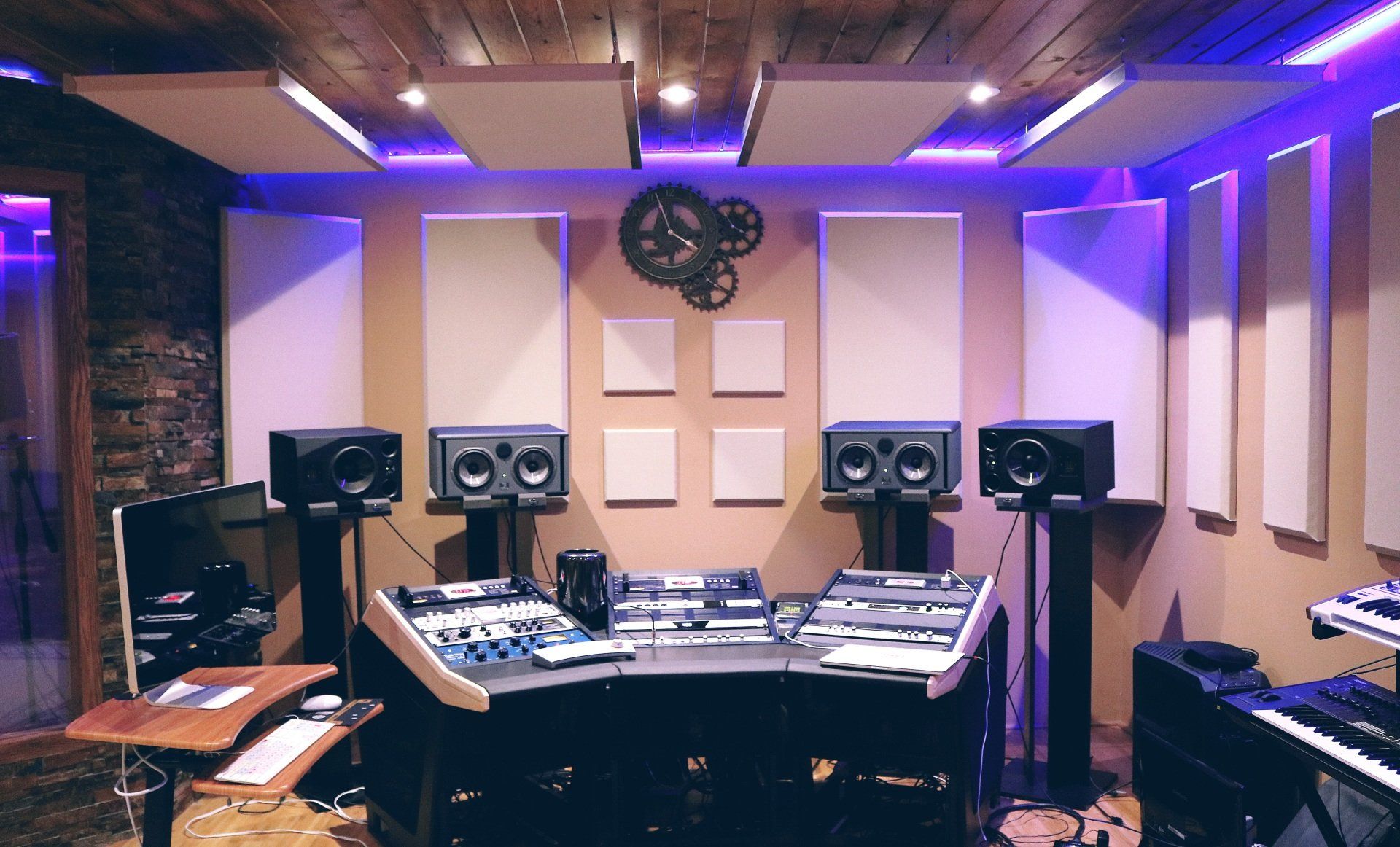
Audio engineers are found in any industry involving sound, including recording, broadcasting, and live performances. Engineers put their knowledge and training to work by using hardware and software to create the best possible sound quality on every project. Pursuing a career in audio engineering, also known as sound engineering, gives you the freedom to work in a range of industries and take on a variety of roles. Your work days will range from long, busy hours to days spent planning and configuring equipment prior to production. Completing a sound engineering course puts you on the fast track to working in the field. You’ll learn the necessary theories, science, and skills required to excel in your new career. However, before diving into a course, it’s worth learning more about what exactly you’ll be doing as an audio engineer. So keep reading to learn the top five things professional sound engineers do in various roles to help you decide if enrolling in a course is the right next step in your career. What is an Audio Engineer? Before we dive into the common things they do, let’s define exactly what an audio engineer is. Audio engineers leverage electronics, software, and knowledge to configure the given environment to capture the highest quality sound possible. Typically, audio engineers do not provide creative input to the given project, instead putting their skills to work to assist producers, directors, and artists in accomplishing their vision. Attending audio engineering programs prepares you to take on a range of roles and tasks typical in the audio world. You won’t only learn about each component but also how each component works and how every component complements the entire project. Five Common Roles of an Audio Engineer Sound engineering is an in-demand discipline found throughout a wide range of industries. Let’s explore some of these industries and precisely what engineers do within them. 1. Work Closely with Producers and Artists Audio engineers are an essential part of any music producing team. The audio engineer leverages their in-depth knowledge of hardware and software to capture high-quality audio for the project. Every component in the studio must be appropriately configured, tested, and ready for recording. Additionally, an audio engineer will often handle mixing and mastering the track before it’s finalized. Small budget projects may call for someone to handle both music production and audio engineering, but typically, they are two specialized roles working in tandem. The engineer will often take direction from the producer, while the engineer will lend their technical expertise to advanced technical tasks. 2. Engineer Audio for Video Games and Movies Video games and movies are well-known for their soundtracks, and audio engineers help with each track in the end product. However, the precise tasks will vary in these two industries; let’s explore how: Video Games: Music is found throughout gaming, but it’s not the only one found throughout the game. Voice actors, sound effects, and the soundtrack are necessary for the finale game. Engineers help capture vocals, design sound effects, and assist with music production. Additionally, the engineer guides with the implementation of when and how to play specific sounds within the game. Movies: Working on movies or TV shows often involves working with music producers, but an engineer working for a movie studio will likely do much more than the music. Capturing an actor’s lines can make or break a take, and an engineer is responsible for recording the highest-quality sound. Similar to video games, the movie's sound effects and other audio aspects will involve the audio engineer’s expertise. Attending an audio program from a reputable educational institution prepares you to work in either of these fields. You’ll learn the foundational skills and theories for sound design, mastering, and recording, so you’re ready for whatever your new position requires. 3. Ensure Quality with Mixing and Mastering Mixing and mastering will likely be a large part of your job, regardless of your chosen industry or field. Both processes are necessary to create a pleasing sound in which frequencies of different tracks intertwine and do not harshly overlap. While these processes have a creative component, they also require an in-depth technical understanding of audio and the equipment involved. So let’s briefly explore both processes and how an audio production program will prepare you to take them on: Mixing: Everything in a recording exists on different channels. For example, your kick will be on one channel, the vocals on another, and so on. If all of these channels are configured the same way, the track will likely be hard to listen to, even if all the individual pieces are excellent. Mixing is concerned with balancing every channel, so they complement each other. Panning, compression, and filtering are standard mixing techniques, but there’s plenty more you’ll learn. Mastering: Mastering follows mixing and closely examines every audio frequency in the track and optimizes them to produce the overall goal of the track. Equalizers and limiters are standard tools used in the mastering process. Additionally, the audio engineer will consider how the end product will sound on a wide range of speakers and headphones. Ultimately, the engineer is usually the last person to work on a project before it’s finalized. Music producers can often take on these processes, but it’s worth bringing in an audio engineer on larger budget projects to guarantee they’re handled correctly. 4. Manage Gear During Live Performances Live performances require several audio engineers and technicians to plan, set up, configure, and test every component involved in the performance. There are certainly overlapping engineering skills with other industries, but working with live sound is a much different scenario. The term live sound applies to a wide range of specific types of events, including: Concerts of all sizes Sporting events Performance arts Conferences and lectures Other outdoor events Live sound engineering courses are the best way to learn everything you’ll need to know to take on a live show. These specialized courses cover many of the same topics as generalized audio engineering programs. Still, they will dive deeper into the specific aspects you’ll need a strong understanding of for live performances. 5. Assist Other Engineers or Technicians Each of the above roles and tasks will sometimes require one or two audio engineers, although live performances will also need plenty of sound technicians. Pursuing a career as an audio engineer often requires working as a sound technician as you gain experience and on-the-job training specific to your industry. A sound technician assists engineers or senior technicians with various tasks throughout a project. For example, you might be asked to set up microphones and monitors in a recording studio or run cables throughout a live venue. Sound technician tasks are often considered the ‘nuts and bolts’ of engineering, while the audio engineer will handle making sure all the components are correctly planned and configured. Sound technician courses impart the fundamentals of working with components, connectors, and software so that you’re prepared to assist engineers on any given project. For example, when the engineer asks you to set something up, you’ll know precisely how to complete the task.
By Jeremy Alves
•
February 1, 2023
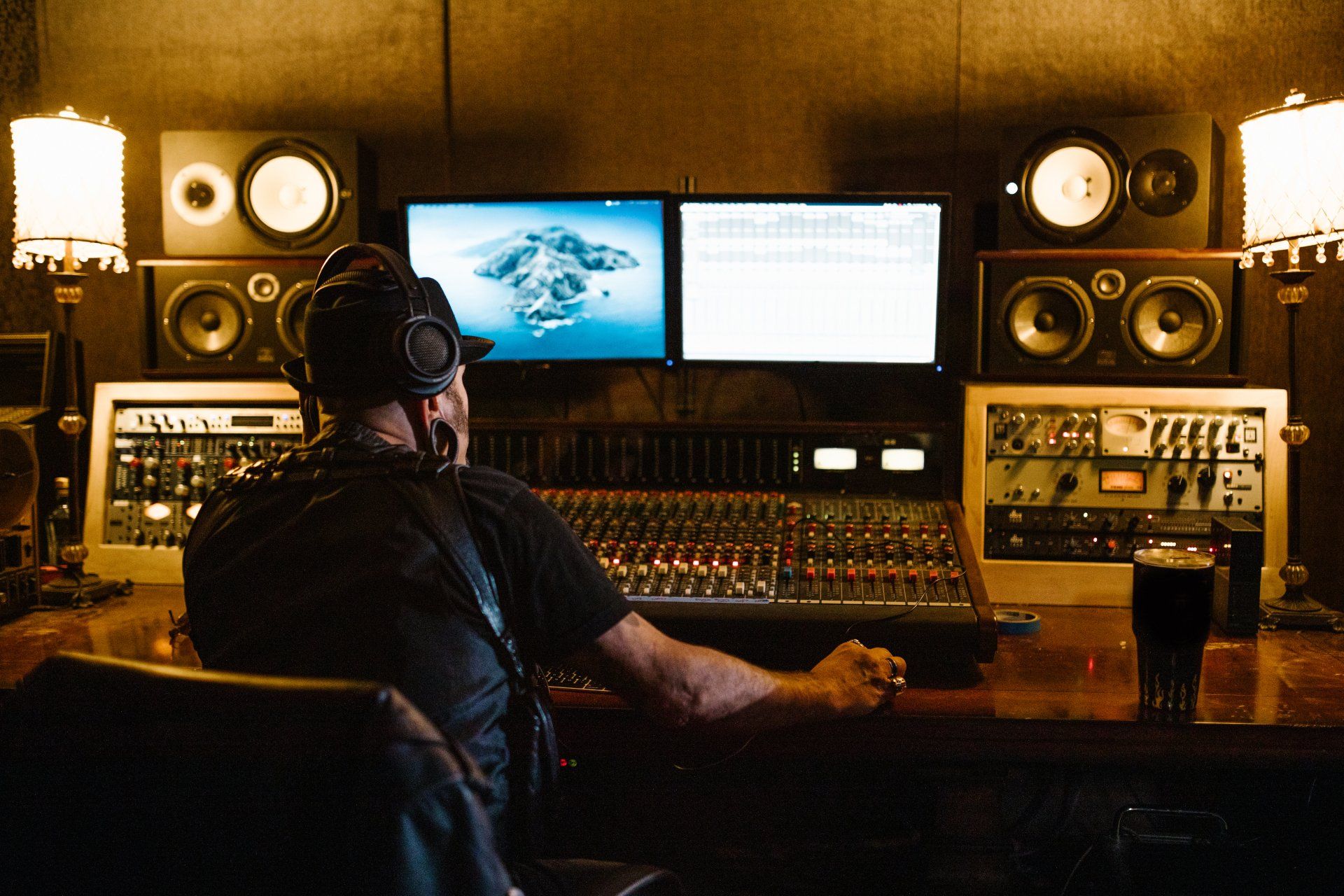
Music production and audio engineering are related fields with plenty of overlap, but they are distinctly different roles within the audio world. Understanding how these roles vary from each other can help you choose between music and sound production or audio engineering programs. Music production is a creative role involved throughout the creation of a new track. This role is often managerial, as you may need to manage artists, musicians, and engineers. You may also take on the role of the composer and craft a MIDI track to accompany a vocalist. Additionally, you’ll gain a technical skill set and apply it creatively to projects. Audio engineering is a more technical role focusing on the actual recording of sounds, which can be vocals, instruments, or even sound effects. You generally will not provide creative input but will instead cater to the needs of creative roles like producers and artists. This role involves a strong technical and scientific understanding of electronics and sound. Which career path will provide you with a fulfilling career? Keep reading to dive deeper into the differences between these two roles to help you hone in on the best choice for your future career. What is Music Production? Music production blends software and creativity to produce a final product aligned with the artist or your artistic vision. Attending a music or audio production program prepares you for this role by providing hands-on training and an in-depth understanding of music theory. By graduation, you’ll know how to produce a track from start to finish, work with artists, and provide guidance to engineers and technicians. Let’s explore your daily responsibilities as a producer, key challenges, and examine if it’s the right career for you. Core Music Production Responsibilities A music producer sees the big, artistic vision of every project they work on. You’ll develop a trained ear for music, a feel for what makes a good song, and add your own artistic touch to most projects. The music producer often takes on a managerial role for larger projects. For example, if a track involves several vocalists and musicians, you’ll need to coordinate recording times and impart the overall goal of their part. Additionally, you’ll coordinate efforts with sound engineers, technicians, and composers. It’s worth noting that most projects will be unique, so precisely what you do will vary on every track you work on during your career. For example, you might work with an aspiring artist on a small project. You’ll then be responsible for the entire track beyond providing vocals, such as building drum patterns, composing melodies, and crafting basslines. In addition, you’ll handle mixing and mastering. Challenges of Music Production If you asked a dozen working music producers about their biggest challenges, you’d likely get a dozen different answers. Every producer has their own hurdles, challenges, and even dislikes of working in the field. One common challenge in music and sound production is working with the artists themselves. You’ll have to accommodate specific requests, manage their vision and expectations, or sometimes even work around their ego. For example, can you ask a major artist to re-record a verse because the first take wasn’t quite right without bruising their self-esteem? Another challenge of working as a producer is you need to constantly stay aware of the latest trends in production and music overall. While this isn’t usually an unpleasant challenge, it’s still something you’ll need to invest time in to make sure you’re aware of what listeners are appreciating. Is Music Production Right for You? Should you choose production over engineering? You might already have a rough idea after reading the above sections, but let’s examine the characteristics of someone well-suited for a career in music production: You’re able to conceptualize the overall vision and sound of a track You have excellent soft skills, such as interpersonal communication and managing different personalities on a project You have both a technical and creative mindset. As a result, you can learn new software and tools whenever necessary while also providing creative input and guidance to others. You can manage complex projects with several moving pieces. Prior experience in any form of project management is helpful. You take feedback and criticism well and can incorporate them into the project. What is Sound or Audio Engineering? Audio engineering, often also referred to as sound engineering, is the practice of configuring the hardware and software involved in recording or broadcasting to provide the highest possible quality sound. Music engineering is a more specialized form of audio engineering in which you’ll apply the same skills to assist producers and artists in creating a polished track. Audio and music engineering programs impart a strong understanding of sound's technical and scientific aspects, including how it moves through electrical components and the room itself. It’s time to break down the field of sound engineering to help you decide if it’s the right choice for you. Core Responsibilities of Audio Engineering The primary task of an audio engineer is to ensure all the hardware and software used in recording audio is adequately set up and configured to capture high-quality sound. You need to know how to set everything up and the theory behind how components work together. For example, you must understand how signals move through your setup before reaching the DAW. This level of understanding allows you to adapt to the available equipment, recording booth, or arena and contribute to the overall project. Unlike music producing, you won’t typically take on a managerial role or provide creative input. However, you may manage a team of engineers and sound technicians on larger projects. Audio Engineering Challenges Audio engineering is a highly technical role, making it challenging for those without an aptitude for learning about technology and electronics. You need to know what every piece of equipment does, how it works, and how components work together. Additionally, an audio engineer must also know how to test and troubleshoot any issues that may arise. For example, the last thing anyone on a project wants is a delay in recording due to malfunctioning equipment. Can you fix it or find a suitable alternative? Engineering can also be a struggle for those who want to lend their creativity to a project. While there’s no hard rule against providing input, audio engineers generally provide little to no input that guides the creative direction of a project. This factor isn’t an issue for some, but music production might be a better fit if you’d like to contribute creatively. Is Audio Engineering for You? Should you choose audio engineering over music production? Let’s explore some of the core characteristics that might make you better suited for engineering over production: You enjoy working with technology and electronics You’re interested in manipulating sounds with the tools at hand You’re organized and able to take instructions You excel in scientific and technical fields, plus find enjoyment in them You’re okay with rarely providing creative input, instead focusing on the gear and technology that helps producers and artists bring their vision to life Will You Ever Do Engineering and Production? Some projects will call for handling the roles of a music producer and an audio engineer. Having the skill set of both roles can help make you a valuable asset, and you may enjoy learning both sides of the audio world. Generally, it’s projects with smaller budgets that seek out professionals capable of taking on both roles rather than hiring several specialists. For example, a smaller label or independent recording artist won’t have the budget for a team of experts but still want to produce a high-quality song. It’s not as common, but medium to large projects may even require wearing both hats. For example, imagine a scenario where the producer is suddenly unavailable. You’re already in the studio as the engineer — being able to step in as the producer saves the project and showcases your value to the company or artist. Ultimately, if you’re interested in both, you don’t necessarily have to pick only one option. For example, you can start with a music production program and later return for an audio engineering course. Enroll in OIART’s School of Audio Engineering Attending a formal program for either career option will teach you the skills, techniques, and theories behind production and engineering. You’ll gain a deep understanding of your chosen path and be prepared to start working in your new field. OIART is an industry-recognized education institution with music production and audio engineering programs designed to prepare you for your new career. You’ll gain hands-on experience in the industry and be ready for your first day in the studio. Ready to begin? Take the first steps to get formal training to get a diploma and start your new career.
By Jeremy Alves
•
January 18, 2023
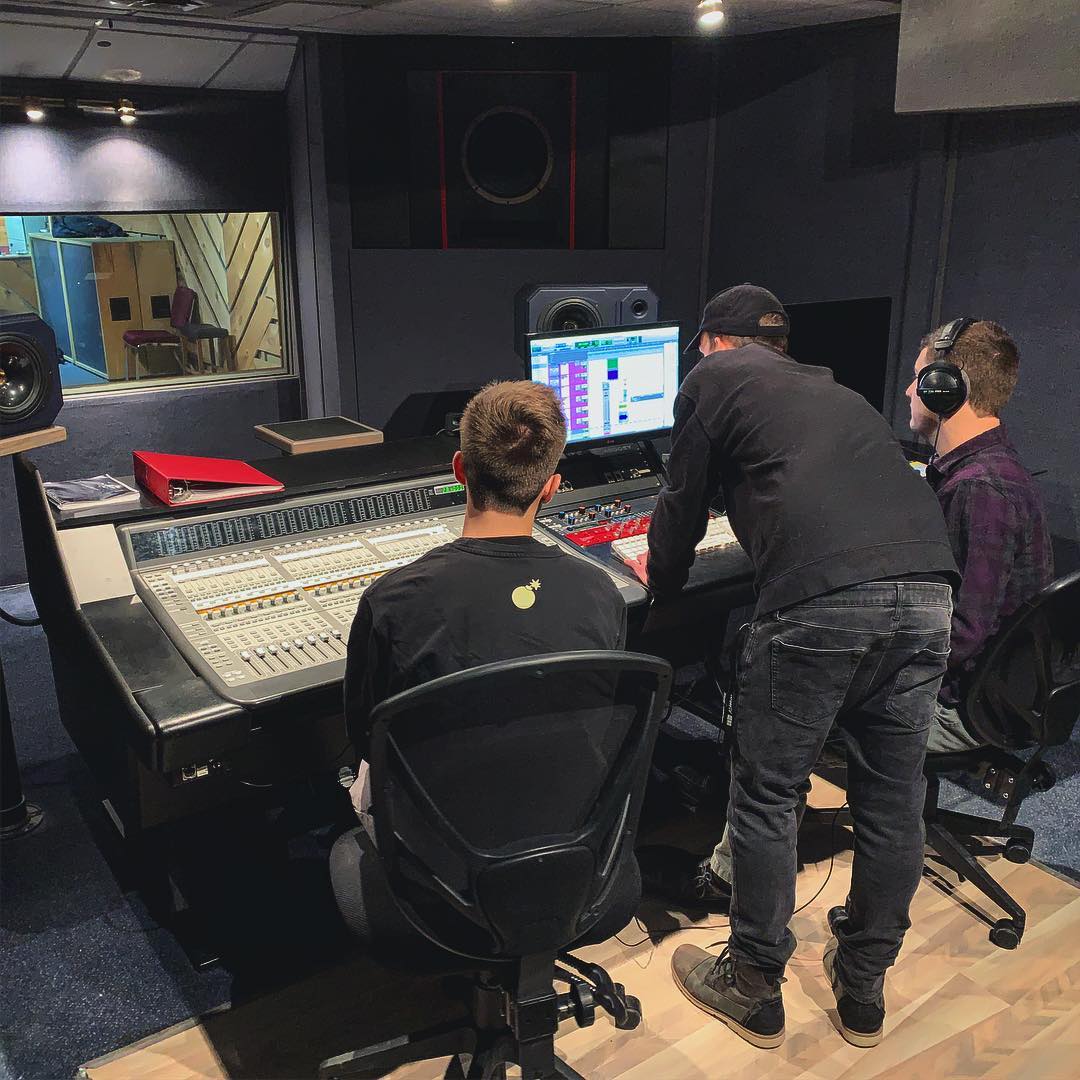
A day in the life of a music producer, from pre-production and session prep through tracking, coaching performances and getting to a final mix.
By Jeremy Alves
•
January 4, 2023
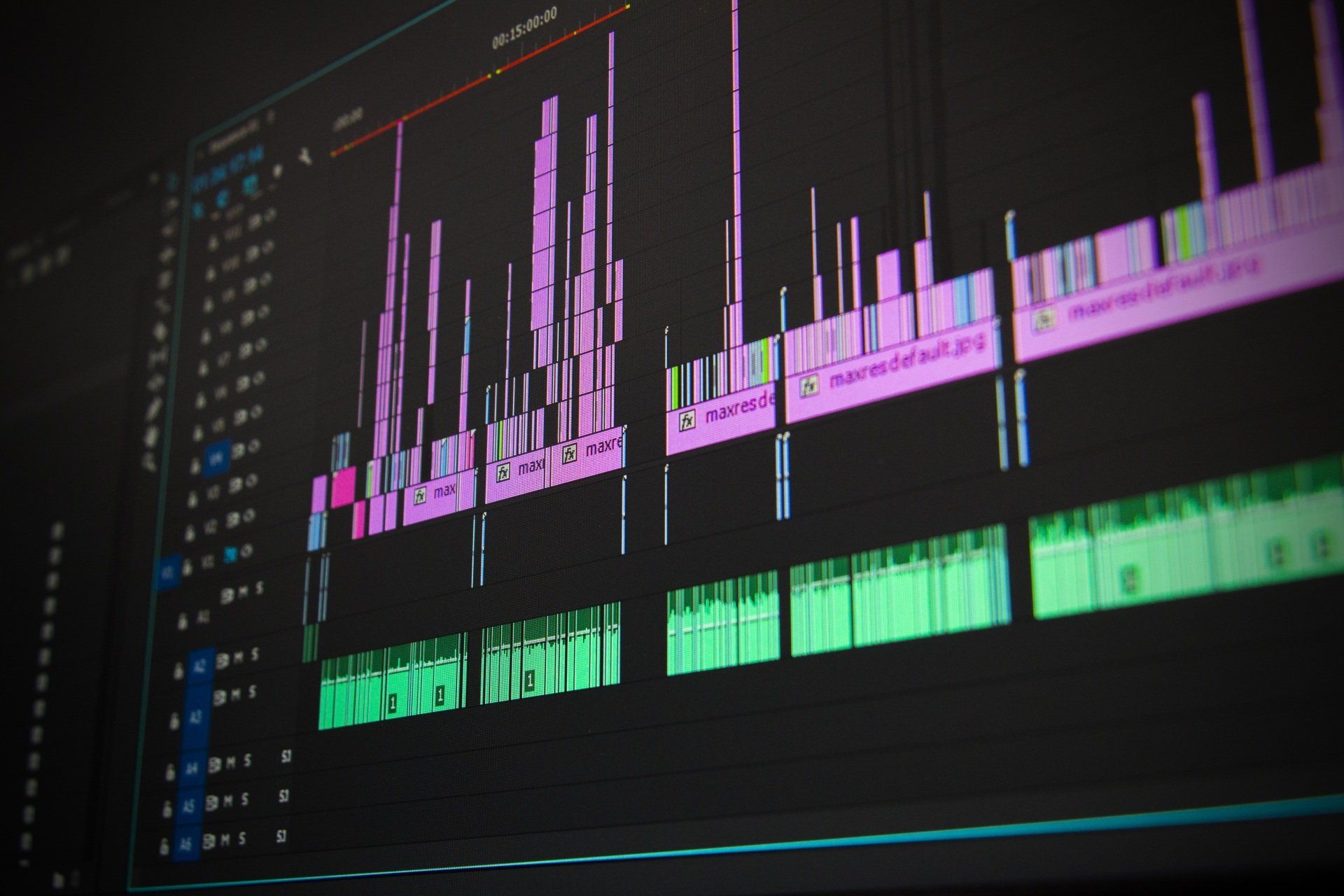
A career in music production makes it your job to create compelling and attention-grabbing music. You’ll spend your days absorbing new music, analyzing what you like, and using various tools and equipment to craft your own tracks.
By Jeremy Alves
•
December 22, 2022
Audio engineering basics for beginners: signal flow, gain staging, microphones and monitoring, plus how to build the skills professionally.
By Jeremy Alves
•
November 15, 2022
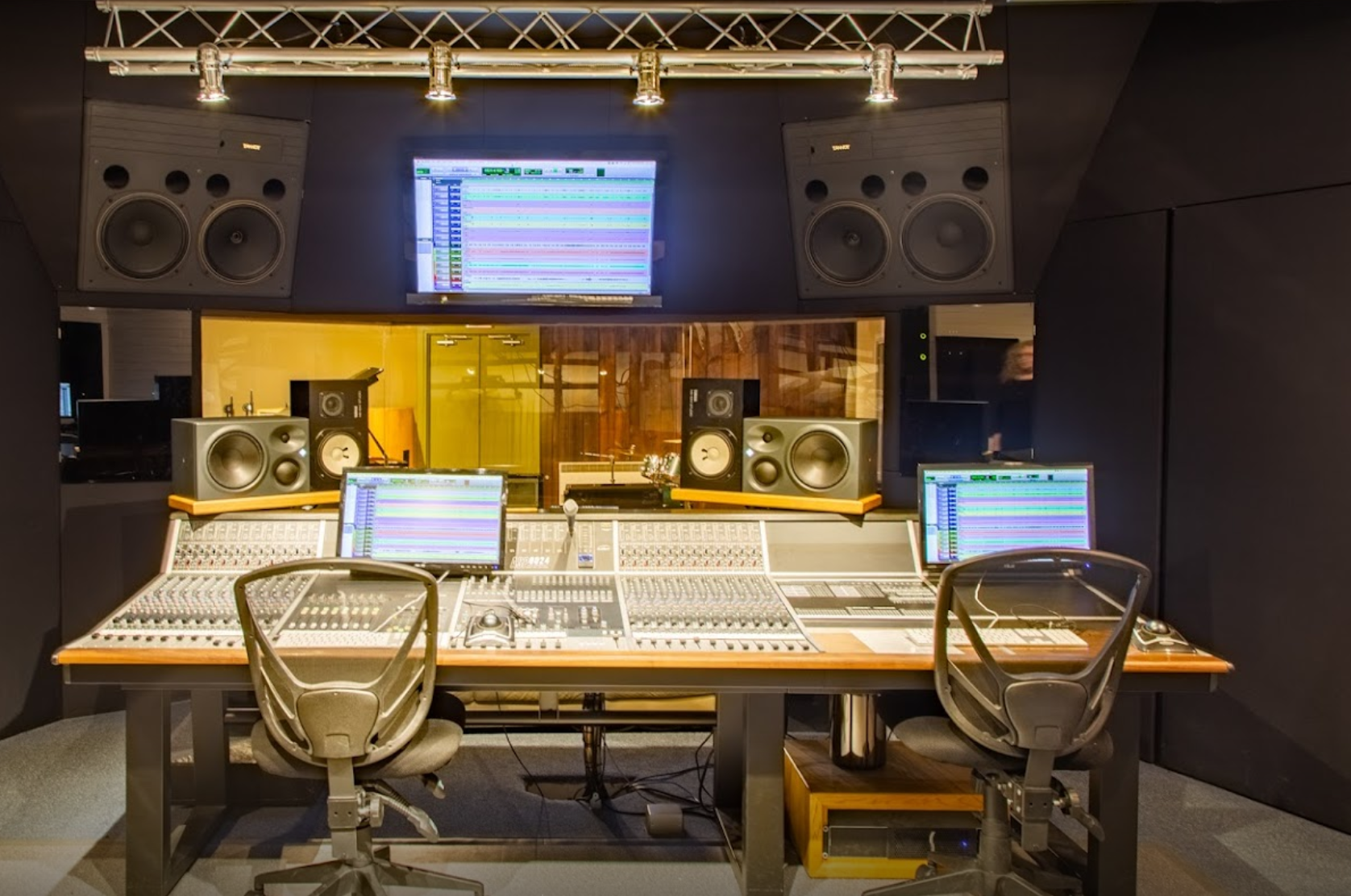
Taking your first steps as an audio engineer or music producer can be daunting. There are so many considerations to make, from the equipment to buy for your home studio to the classes you’ll take at recording schools.
By Jeremy Alves
•
November 2, 2022
For those pursuing a career in audio engineering, it’s considered a rite of passage to start building your own workspace with all the professional equipment you will need for the job.
By Jeremy Alves
•
September 6, 2022
Since opening, OIART has had over 1,500 students pass through the doors. Of that number, almost 90% graduate and more than 70% have jobs within 6 months.
By Jeremy Alves
•
July 6, 2022
Just like how every carpenter needs a hammer, you need the right tools for the job if you want to be involved in music and sound production. If you’re serious about being involved in sound production, what sets apart the amateurs from the aspiring professionals is simple: proper equipment and the training to use it. [...]

By Jeremy Alves
•
May 1, 2020
You may be in the process of getting an audio engineering degree and preparing yourself to pursue a career in the audio industry. Before you leave school and jump into your job hunt though, have you wondered what working in the audio industry is really like? Careers in the audio industry do not necessarily follow [...]
By Jeremy Alves
•
April 21, 2020
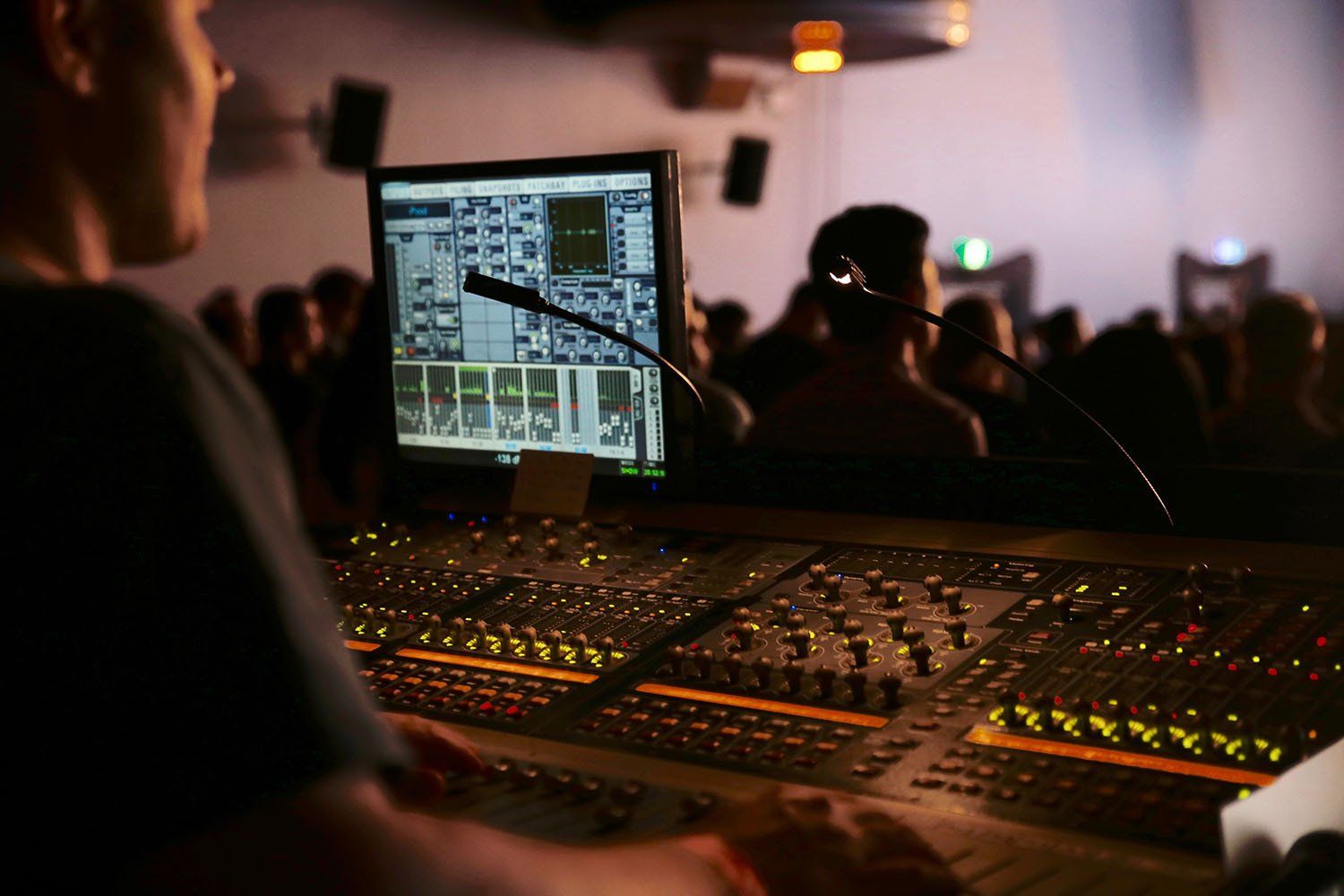
DAW stands for Digital Audio Workstation and is a type of software that you use for recording, mixing, editing, and processing digital audio. DAWs may come in a variety of forms ranging from a single software program on a laptop to a highly complex system of multiple components that is controlled by a central computer, [...]
By Jeremy Alves
•
April 14, 2020
Internships are a fundamental first step in your career, especially in the music industry. Many companies will hire their interns in the future, making the connections you form during your internship extremely valuable. But how do you go about getting one? Some positions are not widely advertised, or not advertised at all, and it can [...]

By Jeremy Alves
•
April 4, 2020
The music industry is heavily based on who you know and what kinds of connections you are able to make. This means lots of networking! Networking can seem like an intimidating task, but it doesn’t have to be! Start with small steps, and you will be an expert with a solid network in no time! [...]

By Jeremy Alves
•
March 25, 2020
Breaking into the video game industry can be hard, especially in a position as specific as Sound Engineer. Jobs in the gaming industry are not as plentiful as other fields and they also tend to be more precarious, as more companies hire freelancers for individual projects than full-time salaried employees. If you are willing to [...]
By Jeremy Alves
•
March 14, 2020
Being a music producer can be one of the most exciting jobs in the music industry. You get the chance to work with a variety of artists on projects of all kinds and oversee the creation of many records. As a music producer, you’ll get the chance to work on the creative side of music [...]
By Jeremy Alves
•
March 1, 2020
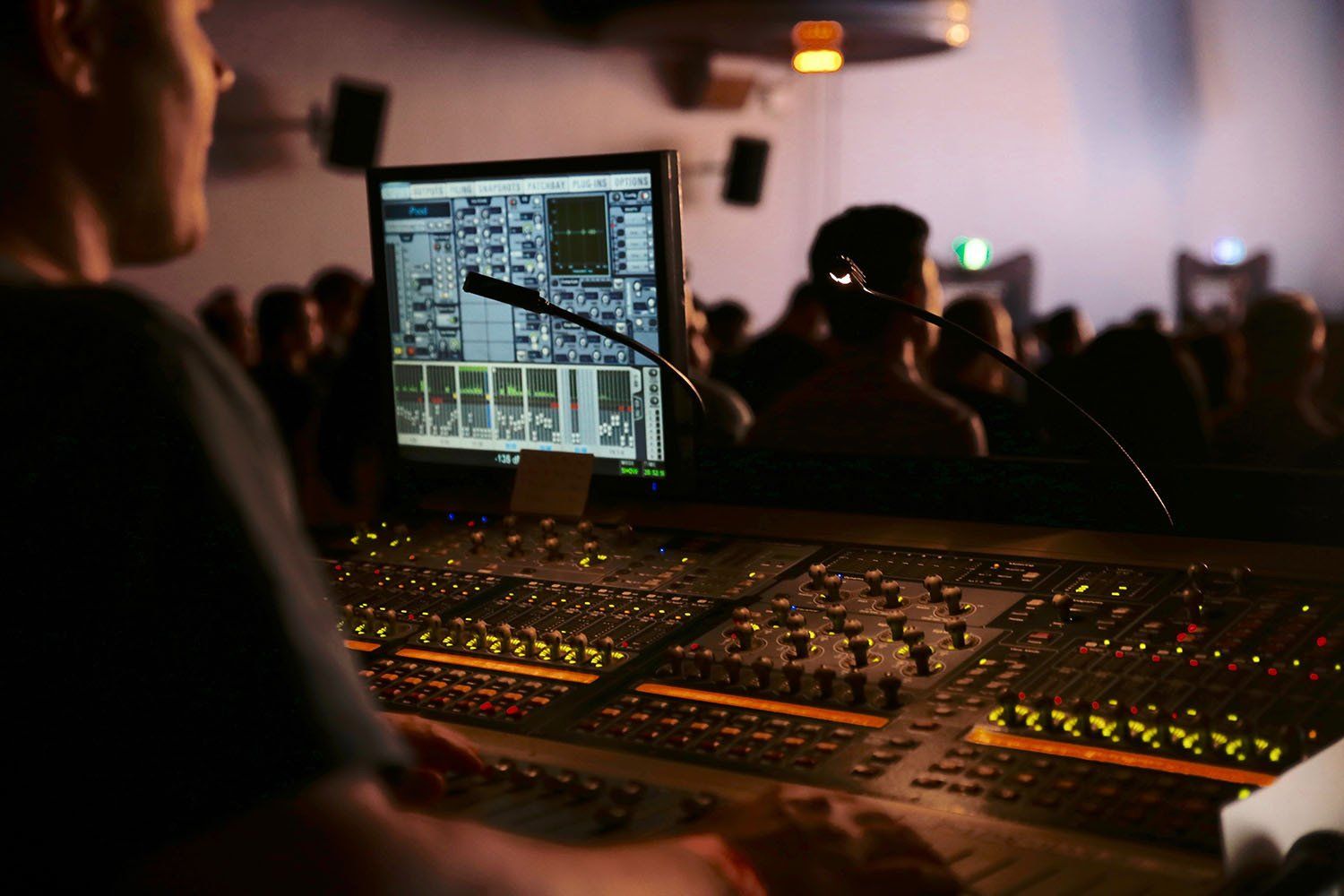
Yet another exciting role in the audio industry is the mastering engineer. A mastering engineer is hired by the artist or producer of an album to complete the audio mastering process during the post-production of an album. The mastering engineer has specific expertise in preparing and transferring audio from one raw format to the desired [...]
By Jeremy Alves
•
February 19, 2020
Internships are an important first step in your career and can open the door to a certain company or career path you are looking to pursue. They may get a bad reputation as many internships are unpaid, and you hear horror stories of interns did nothing but get coffee for their entire internship, but there [...]

By Jeremy Alves
•
February 10, 2020
In the gaming industry, “audio engineers” may be called a number of different things: sound designer, audio designer, and so on. But the job description is basically the same wherever you go, as they all make the sound effects, ambient effects, and often the music for the video game. Annual income for these positions varies [...]

By Jeremy Alves
•
February 3, 2020
Five music production techniques worth knowing, how producers use them to shape a record, and where to practise them on professional equipment.

By Jeremy Alves
•
January 15, 2020
If you are hoping to make a career of music production, or even if you are just doing it as a hobby, you should constantly be looking for ways to improve. You should look for ways to improve your music production skills so that you can produce better and better tracks and move forward with [...]

By Jeremy Alves
•
January 3, 2020
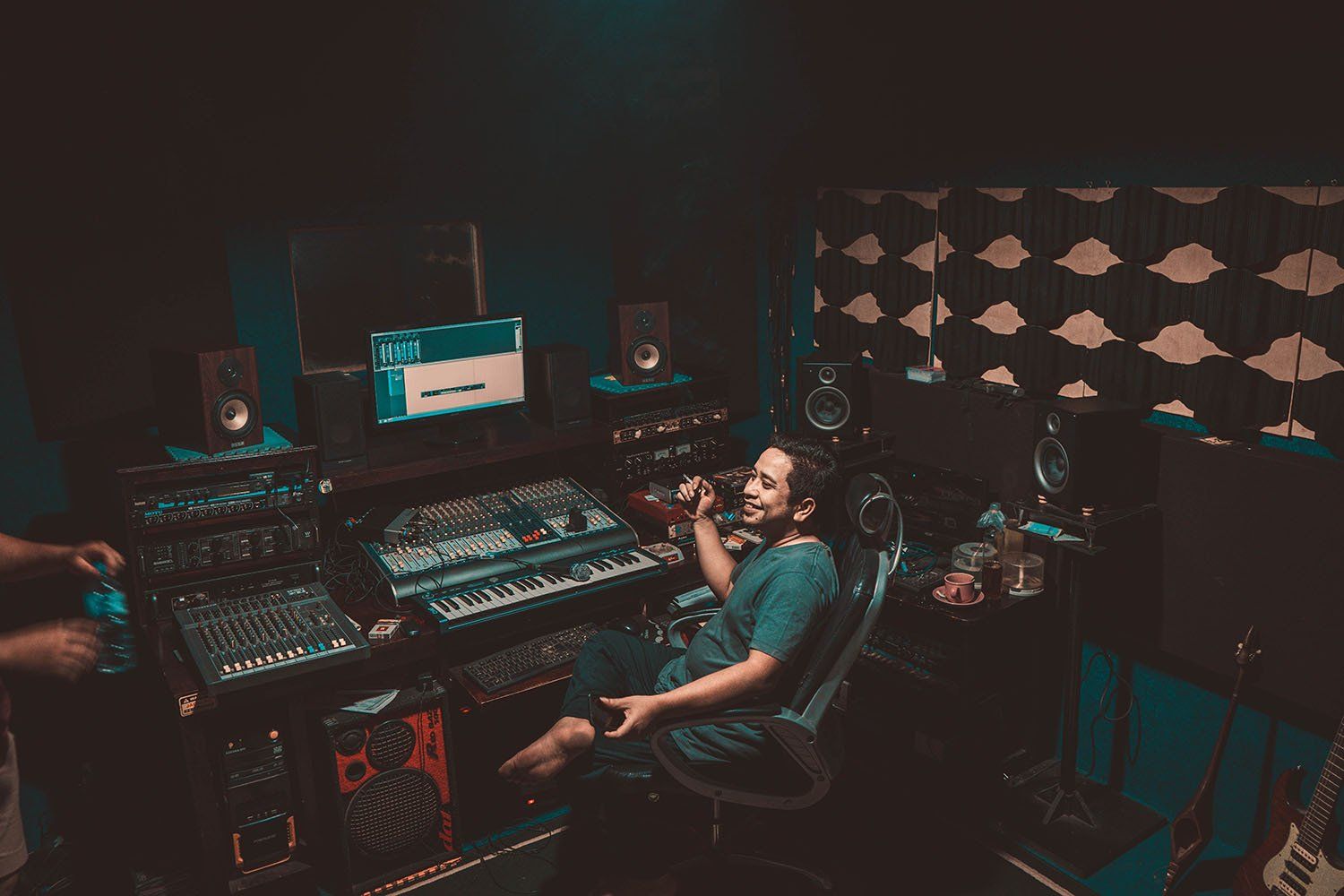
Want to turn your passion for music into a career, but not sure what to study in order to make that happen? There are many paths you can take If you want to work in music production, but there are many benefits to taking a music production program. These benefits include the hands-on experience you [...]
By Jeremy Alves
•
December 15, 2019
If you are pursuing a career in music production, it is important that you understand each of the roles involved in the process. Music producers and sound engineers are two roles that are essential to the music production process, although it can get a little confusing as to which roles each person is responsible for. [...]

By Jeremy Alves
•
June 3, 2019
Congratulations to the stacked OIART alumni audio team that worked on the A&E Biography: Chris Farley - Anything for a Laugh. The sound in the documentary is phenomenal. It was amazing to see so many OIART grads in the credits. Great work from everyone! John Diemer Sound Supervisor > IMDB Mark Vogelsang .... Supervising Sound Editor > [...]
By Jeremy Alves
•
April 12, 2019
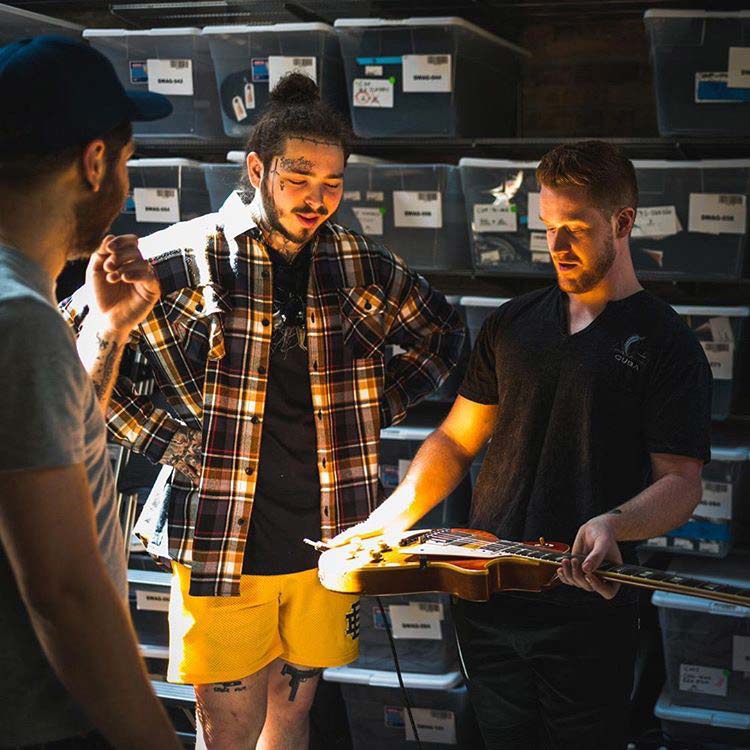
Feature Friday Grad of 2011 : Blair Bondy - Follow him on Instagram @Superdialtone Current Position : Monitor Engineer and Guitar Tech for Post Malone. Blair’s drive and ambition has brought him some high-level success in his audio lifestyle. He is currently in the middle of a world tour with Post Malone and they [...]
By Jeremy Alves
•
April 11, 2019
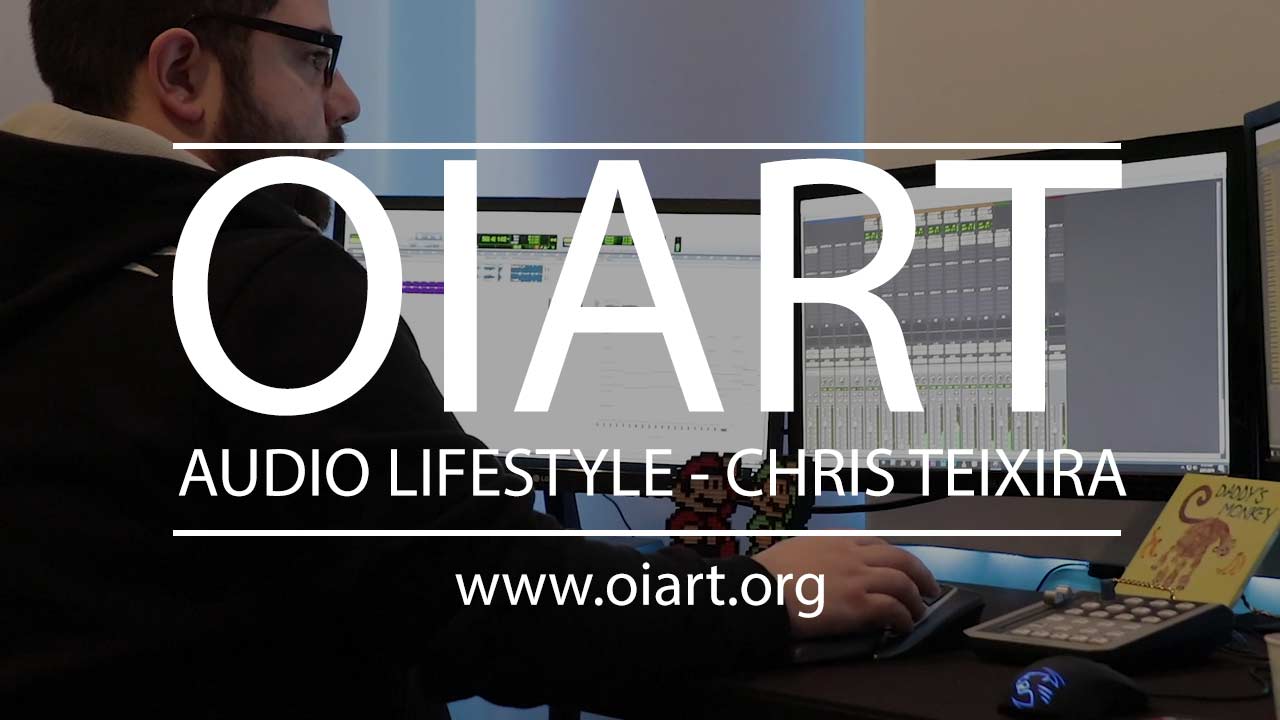
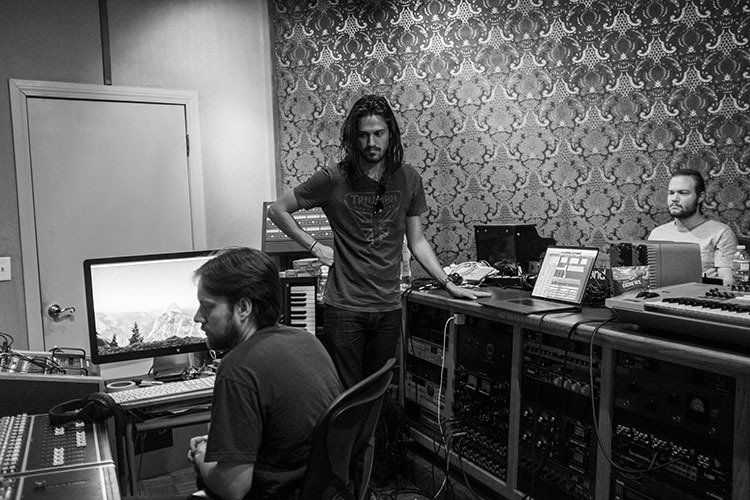
Discover how OIART grad Chris Teixeira built a career in game audio, becoming a Sound Designer at Big Viking Games through versatile skills and persistence.
By Jeremy Alves
•
April 5, 2019
Music Producers are anyone who are involved with the production of music. Whether it be songwriting, composing or recording, these are the people who work as/alongside artists to shape the outcome of a music project. There is a big overlap between music producers and other roles in the music “production” process, including engineers, mixers, masters [...]

By Jeremy Alves
•
March 29, 2019
Stepping away from a full time gig to pursue a life as a freelancer can be one of the scariest decisions most people make in their careers. Leaving full time employment means leaving behind serious perks like a consistent salary, group benefits and a stable work schedule. There’s also a social aspect to office culture [...]

By Jeremy Alves
•
March 22, 2019
One thing that I’ve learned from my time as an audio engineer is that landing a job in music production isn’t something a lot of people just “fall into”. I can’t say for sure, but I highly doubt that anyone who ended up a mastering engineer or a foley artist found their path through one [...]
By Jeremy Alves
•
March 20, 2019
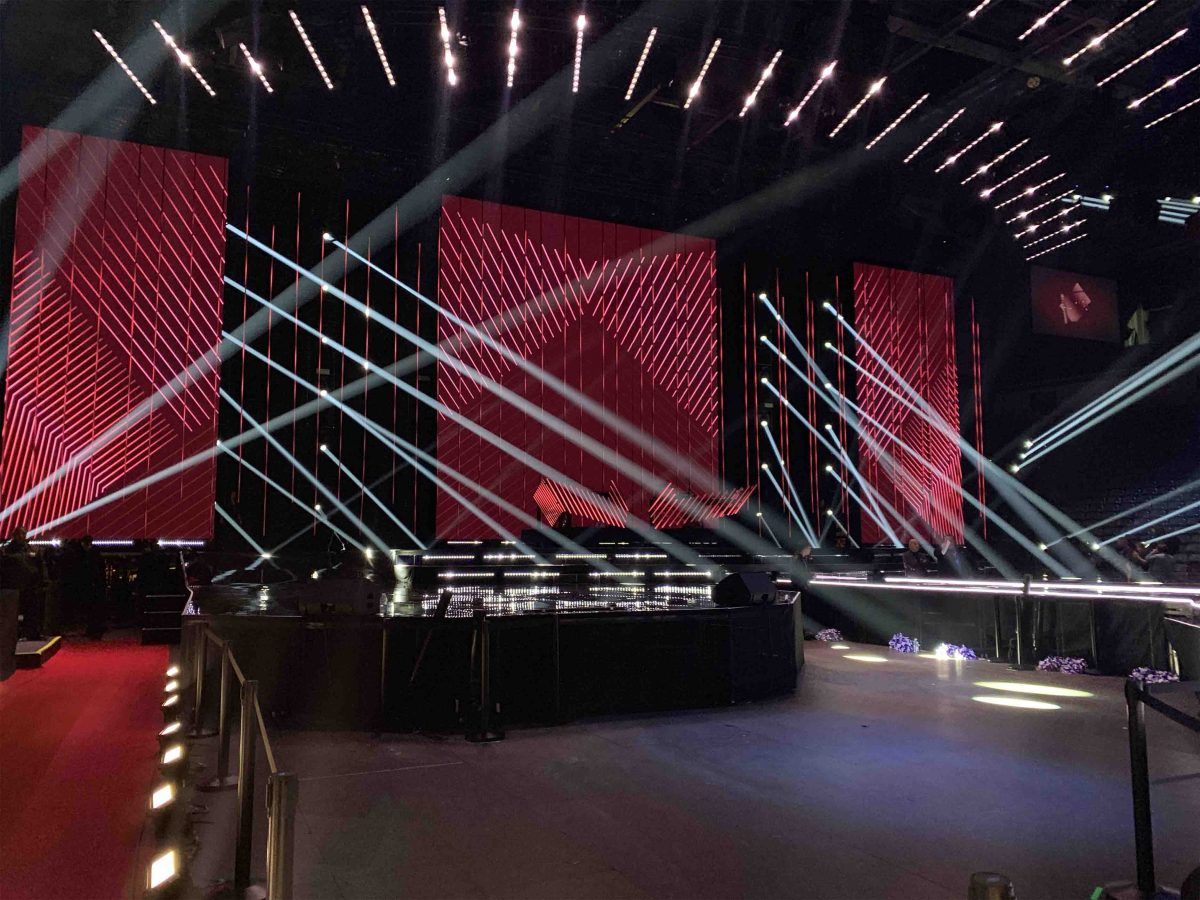
Last week was a HUGE opportunity for our students and alumni. London, Ontario was the Host City for the 2019 Juno Awards and we figured, there isn’t a better way start their audio lifestyle and get hands-on experience in every aspect of what we teach here at OIART We set the students up with [...]
By Jeremy Alves
•
March 8, 2019
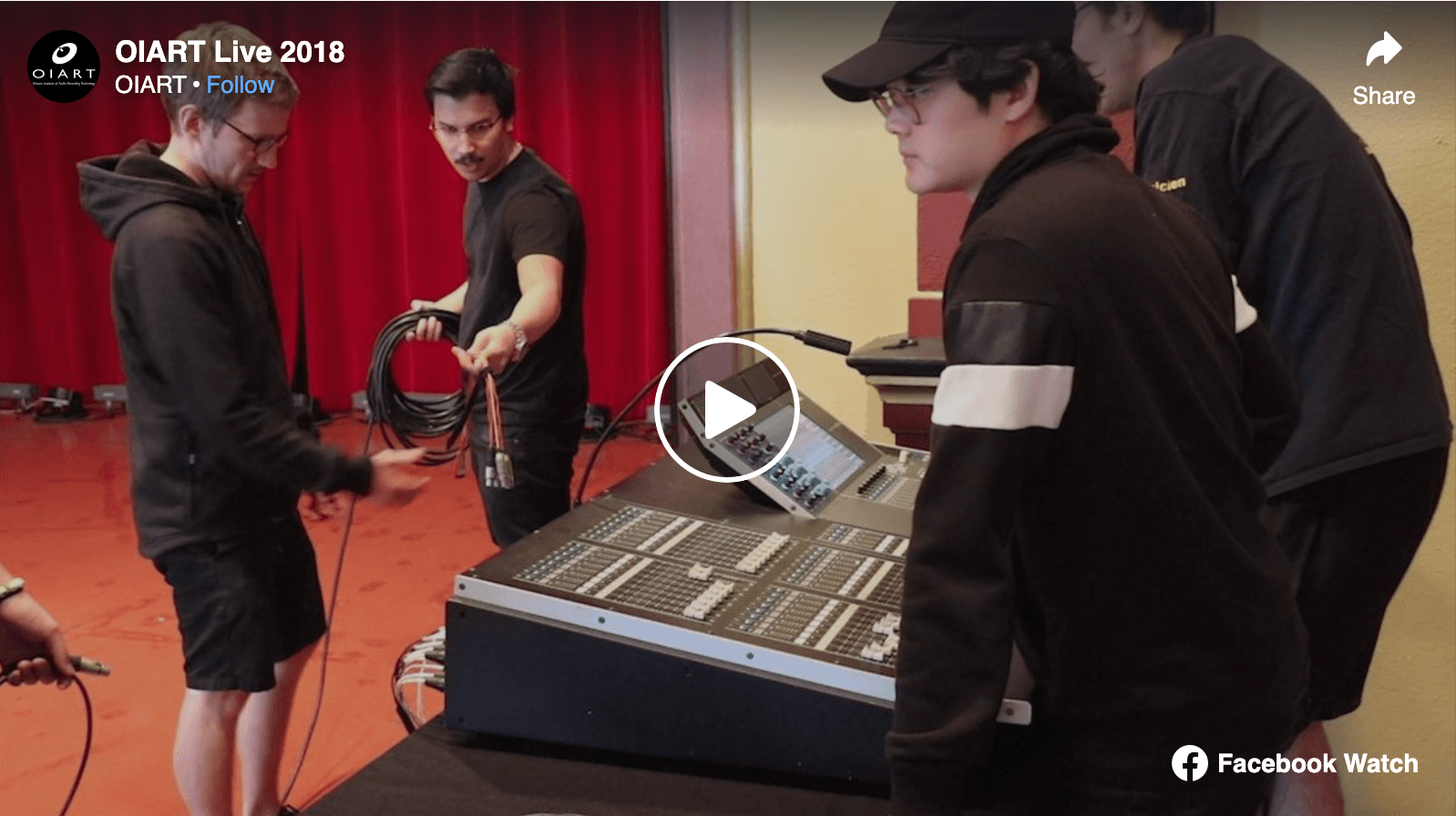
For the past few years at OIART, the students get to prepare and be a part of a concert at The Aeolian Hall. Some of the jobs students had were : Audio System Technician, Front of House Mixer, Lighting Designer, Video Technician, Stage Production Staff, Monitor Mixer, Stage Crew, Mobile Audio Mixing, Technical Director, Location Recordist, [...]
By Jeremy Alves
•
March 8, 2019
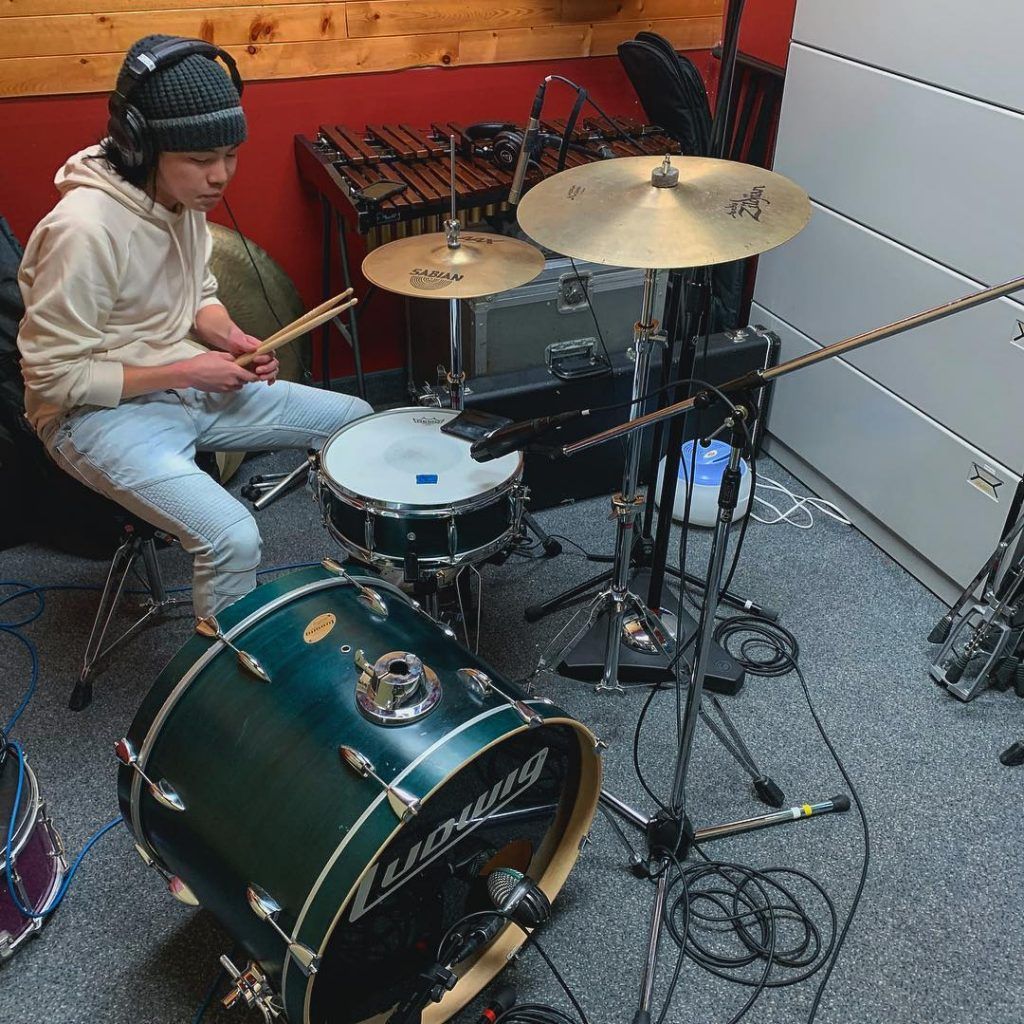
It’s been a busy week for the students. They have started to record all the elements for their projects. In music production this week, we have some drum, percussion, guitar, bass, vocal, and piano sessions happening. Over in Live Sound and Event Production, we are learning about front of house mixing and setting up cue [...]

By Jeremy Alves
•
March 8, 2019
Are you curious about an education in music and sound production but unsure of where it will take you? Don’t just take our word for it. Take a look at some of the fabulous men and women that have graduated from OIART and where their education has taken them. Here are just a few OIART [...]
By Jeremy Alves
•
February 28, 2019
Canada's most legendary recording studios and the records made in them, from Toronto's Noble Street and Revolution to Vancouver's Warehouse Studio.

By Jeremy Alves
•
February 22, 2019
Live sound and event production employers hiring in Canada, from touring companies and rental houses to arenas, theatres and festival production.
By Jeremy Alves
•
February 8, 2019
Tips on how to breach the industry Like many trades, audio engineer can take you down many different roads. The role of an audio engineer can be found in so many areas centered around media and the arts. In many ways it mirrors acting: there are roles on TV, in film, on stage, for commercials [...]

By Jeremy Alves
•
January 29, 2019
OIART congratulates alumni Jason Dufour (’07) on his JUNO nod for Recording Engineer of the Year. He’s now one of Canada’s top engineers. Learn about his back story.
By Jeremy Alves
•
January 25, 2019
Twenty audio careers in film and TV, from dialogue editor and Foley artist to re-recording mixer, and what each role does day to day.

By Jeremy Alves
•
January 18, 2019
You’ve got the diploma, but now what? Today’s music industry is becoming increasingly fickle and competitive. As the world enters further and further into the digital age, old jobs become obsolete and new jobs that require multiple skills and a large breadth of knowledge are becoming the norm. It can be overwhelming trying to [...]
By Jeremy Alves
•
January 11, 2019
Nine jobs you can get in a recording studio, from assistant and Pro Tools editor to mix engineer and studio manager, and how each one is filled.

By Jeremy Alves
•
January 4, 2019
If you spent your entire childhood living and breathing video games, then it only makes perfect sense that you would opt for a career in video game production. Not many people realize the amount of work that goes into creating one video game. From animators to illustrators, and voice-over actors to sound designers, there [...]

By Jeremy Alves
•
December 28, 2018
There’s no denying it, some cities are far better for music than others. In fact, you may have heard the term “music city” been used before. This is a term that describes a city that has a strong appreciation for music, and backs up its artists, clubs and venues through government funding and through [...]
By Jeremy Alves
•
December 19, 2018
We’ve all been there, you get a frantic email from a client at 11:30 at night asking if you can turn around a mix in one day before the weekend. With your other client work and what little personal life you have left, there’s only so much time you have to churn out a [...]

By Jeremy Alves
•
December 12, 2018
One of the responsibilities of being a school (especially one like ours, that is focused primarily on employment after graduation) is to stay current in the industry, follow new trends, and to prepare the students for future careers. Frankly, the majority of careers that younger students will be doing in 10 years, simply don’t exist [...]
By Jeremy Alves
•
December 11, 2018
If you’re like me when I was first starting out, finding a job was one of the most stressful, overwhelming and time consuming activities out there. The thing is, we all need jobs one way or another, which means we all need to go through the process eventually. Fortunately, every time you go through [...]
By Jeremy Alves
•
December 4, 2018
As an audio engineer you have an obligation to never stop learning. When an artist or production house hires you for a new project, they are expecting you to be the best of your peers. It’s no surprise that for many, that expectation will be built on your practical experience. But when it comes [...]
By Jeremy Alves
•
November 29, 2018
Tips and tricks on how you can make more money than you ever thought Audio Engineers are a well sought after job for enthusiasts interested in a career path in music. An audio engineer is someone who mixes, records or masters music in a professional setting, either for recordings or in a live setting. [...]
By Jeremy Alves
•
November 22, 2018
IT’S YOUR TRUE CALLING Think you’re the next Rick Rubin? Is Phil Spector your childhood hero? Want to get on Timbaland’s level? If you answered yes to any of these questions, there’s a good chance you have the intentions to become the world’s next elite music producer. Good news is, everyone has what it [...]
By Jeremy Alves
•
November 15, 2018
How to be that person who loves their job The music industry is the greatest industry in the world, and I’ll stand by that. If we’re being honest, I bet you already know that too. But since you’re here, I imagine you need a little convincing. Maybe you’re hesitant because you can’t play music, [...]
By Jeremy Alves
•
November 12, 2018
The music industry is profitable again Over the past three years, music industry executives have come to realize one of the oldest idioms in the book is true: if you can’t beat em’ join em. Right now, the music industry is more profitable than it has been for a long time. With the age [...]
By Jeremy Alves
•
October 29, 2018
It would be an understatement to say that one of the most difficult decisions for aspiring industry professionals is the choice between going the educational institution route versus the do-it-yourself route. Post-secondary education by nature is hard, and requires a lot of your time, effort and money. That being said, it can be one [...]
By Jeremy Alves
•
October 29, 2018
Landing your first job is often the hardest one to nail down. At some point we’ve all been on job postings for an entry level position that lists a requirement of “five years of experience”. But how the hell are you supposed to get industry experience without, you know...experience? It’s contradictory and ridiculous, but [...]
By Jeremy Alves
•
October 29, 2018
If you’re here, chances are you have a deep, undying passion for music. There’s rarely a day you don’t have your headphones with you, you have a music library as long as a Costco receipt and have an endless pit of useless music history facts. If you are looking to turn that passion into [...]
By Jeremy Alves
•
October 29, 2018
Do you have an undying love of music? Are you fascinated by how a song or album comes together? Do you find yourself catching things others don’t when listening to music? If you answered yes to any of the following, you might want to consider a career in audio engineering (if you haven’t already). [...]

By Jeremy Alves
•
April 26, 2018
Congrats to grad Mark Duffield on being nominated for a Daytime Emmy for sound editing in a children's animated program. http://lfpress.com/entertainment/local-arts/londoners-vying-for-daytime-emmy-awards
By Jeremy Alves
•
April 21, 2018
Are you unhappy with how your mixes are turning out? Do you feel like your song is missing that ‘pop’, that brings it alive? If you can’t get your song to sound great outside of the studio, you’re not alone. In a sea of tricks and tips, there’s one sneaky hack that you’d [...]
By Jeremy Alves
•
April 19, 2018
Recording and mixing is your craft so it’s no surprise that you want your projects to sound the best they can possibly be. Luckily for you, we have some free tips on how to help you achieve a great, professional sound for all of your recording and mixing endeavours. While it’s not “sexy” [...]
By Jeremy Alves
•
April 14, 2018
I love making mistakes and you should too. Doing things the “wrong” way not only teaches what best to do the next time around, but gives us the motivation to want to prove to ourselves that we can do better. Fortunately for you, you work in the mixing and recording industry so there [...]
By Jeremy Alves
•
April 13, 2018
Out of almost 500 submissions, the following entries were chosen as the winners of the Dread Machine mix contest: First Prize: Rob Morgan Second Prize: Yaroslav Third Prize: Ben Muller
By Jeremy Alves
•
April 12, 2018
Reverb is by far one of the most valuable techniques in the audio engineers arsenal. Applying reverb can do so much for a song: it adds a sense of depth, can change what type of “room” the sound sounds like it was recorded in and beefs up an otherwise flat sounding song. But [...]
By Jeremy Alves
•
April 8, 2018
Even as the music world becomes more and more digital-focused, the key to success for a lot of artists still relies on radio play. The advent of streaming services like Spotify and Apple Music shook the music world in the past couple of years, because for the first time people had new and [...]
By Jeremy Alves
•
April 6, 2018
Congratulations to OIART grads John Diemer, Michelle Hwu, Ryan Yusep, Dane Kelly, Mark Vogelsang and Alastair Sims for their work on the new Freaks and Geek documentary premiering at Tribeca Film Festival in New York.
By Jeremy Alves
•
April 5, 2018
With so many digital plugins at our disposal, these days it can be tempting to overdo it. But just because it only takes a couple clicks to add effects on tracks, it doesn't mean we should. When it comes to mixing tactics for something as vital as compression, it takes years of trial [...]
By Jeremy Alves
•
March 29, 2018
Congrats to OIART grad Brennan Mercer for another Canadian Screen Award for Best Sound - Vikings. This is the 12th award for Brennan, along with 11 nominations in his career that started in 2011. A big congrats to OIART grad Jesse Fellows who also works on the show as an Assistant Re-Recording Mixer. Super [...]
By Jeremy Alves
•
March 8, 2018
Congrats to OIART grad Paul Gosse for his sound recording work on The Shape of Water!
By Jeremy Alves
•
February 21, 2018
What a great little write up from our friends at Audient !! Not only have our new consoles been great for our students to learn signal flow on, they sound amazing! Sign up for our mix contest http://www.oiart.org/mix-contest and get the multitrack of ‘Dread Machine’ for a chance to win some cool prizes!! https://audient.com/2018/02/12/oiart-2he/ [...]
By Jeremy Alves
•
February 19, 2018
If you enjoyed the video for "Dread Machine" you'll love the behind the scenes video on https://youtu.be/6tRnbESGDGA
By Jeremy Alves
•
February 16, 2018
https://www.youtube.com/watch?v=kJfraNCvR8s Finally! This is what we’ve been waiting for! Our Youtube collaboration song and making of documentary videos are now up. Be sure to check out all the amazing talent we brought together at the OIART studios. Thanks again to everyone involved: Jared Dines Steven Terreberry Music is Win Gear Gods Glenn Fricker Sarah Longfield and Adam Neely. Special shoutout [...]
By Jeremy Alves
•
December 8, 2017
Last week OIART hosted a panel on content creation and music careers in YouTube. We brought in some of the most well known and influential members of YouTube's music community: Jared Dines, Steve Terreberry, Glenn Fricker of Spectre Media Group, Tyler Larson of Music is Win, Adam Neely, Trey Xavier of Gear Gods and [...]
By Jeremy Alves
•
August 29, 2017
Asha Hall will now be head of OIART's Career Management and Job Development team. Asha has been with OIART for three years now and as all our grads and students know, has become a valuable resource and integral member of our staff. This new role for Asha is a natural extension of her role [...]
By Jeremy Alves
•
July 28, 2017
“Success is no accident. It is hard work, perseverance, learning, studying, sacrifice and most of all, love of what you are doing and learning to do.” - Pele Congratulations to Victoria May, the winner of the 2017 Couvillon Memorial Award. Vicky May is a freelance audio professional based in Toronto, Ontario. She currently is [...]
By Jeremy Alves
•
June 27, 2017
OIART organized a private concert run by students with lots of help from the instructors and Rogers TV at the Aeolian Hall. The concert crew was made up of three major crews; the film and documentary crew, the Rogers TV and recording crew and the live and stage crew. Each position in each crew [...]
By Jeremy Alves
•
April 4, 2017
OIART would like to recognize and congratulate our graduates Jason Dufour (’07), Calvin Hartwick (’13) and Greg Giesbrecht (’10) on their recent win at the 2017 Junos for July Talk’s Touch in the Alternative Album of the Year category. Alternative Album of the Year – July Talk, Touch Engineer [Overdubs] – Calvin Hartwick, [...]
By Jeremy Alves
•
April 4, 2017
Jason's recent mixing credits span a multitude of genres and includes: July Talk’s highly anticipated sophomore album Touch, along with the bands first number one single ‘Push + Pull’ ; Repartee’s critically acclaimed debut album All Lit Up, featuring their top 40 single ‘Dukes’ and buzzing alternative/pop acts such as Bravestation, Ralph, Blajk, Young Wolf [...]
By Jeremy Alves
•
March 1, 2017
The Ontario Institute for Audio Recording Technology (OIART) proudly congratulates alumnus Matty Green (’03) and Jason Dufour (’07) following their 2017 JUNO nominations in the Recording Engineer of the Year category. Green’s nomination is for his work on “Shine A Light” BANNERS EP and Michelle Treacy’s “Armageddon” and Dufour has been nominated for [...]
Read News by Categories
Top Reasons Why You Should Choose OIART.
Have Questions?
If you have questions about our program or would like to book a tour, we would be pleased to speak with you.
Text Us: 519.200.4151